



British cooking has long been shaped by habit, seasonality, and the small comforts that appear on tables week after week. Yet food habits rarely stand still.
As shopping patterns shift, convenience takes priority, and global flavours become part of everyday life, some familiar staples have gently faded from regular rotation without much notice. Items that once felt ordinary at lunchtime or teatime now appear more often in memory than on modern menus.
Looking back at these quiet changes offers an interesting snapshot of how British meal routines continue to evolve – often without us realising it.
All information is provided for general interest only. The foods listed are not necessarily absent from British menus but may appear less frequently in everyday home cooking or mainstream dining.
Availability, preparation styles, and popularity can vary by region and over time. Photos are for illustrative purposes only.
1. Pie And Mash
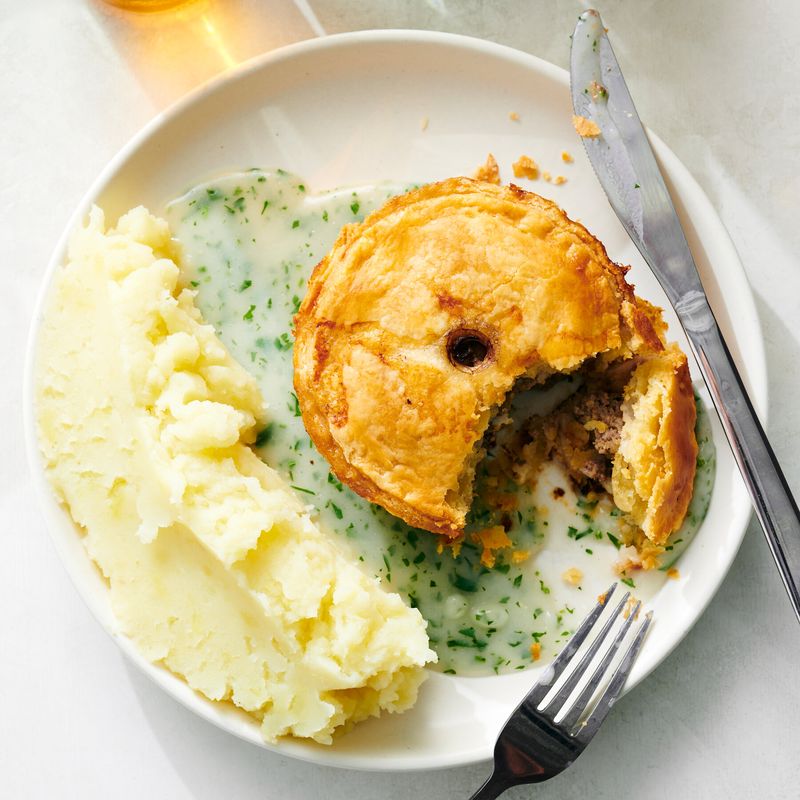
East London's working-class hero, pie and mash once ruled the streets with its simple charm. Minced beef encased in pastry, served with creamy mashed potato and a ladleful of parsley liquor.
This iconic combination fed generations of Londoners looking for something filling and affordable.
But pie and mash shops have dwindled as tastes evolved and dining options exploded. Younger generations often favour global cuisines over traditional fare.
The dish still survives in a handful of heritage shops, yet it no longer commands the everyday loyalty it once did across British tables.
2. Brussels Sprouts Outside Christmas
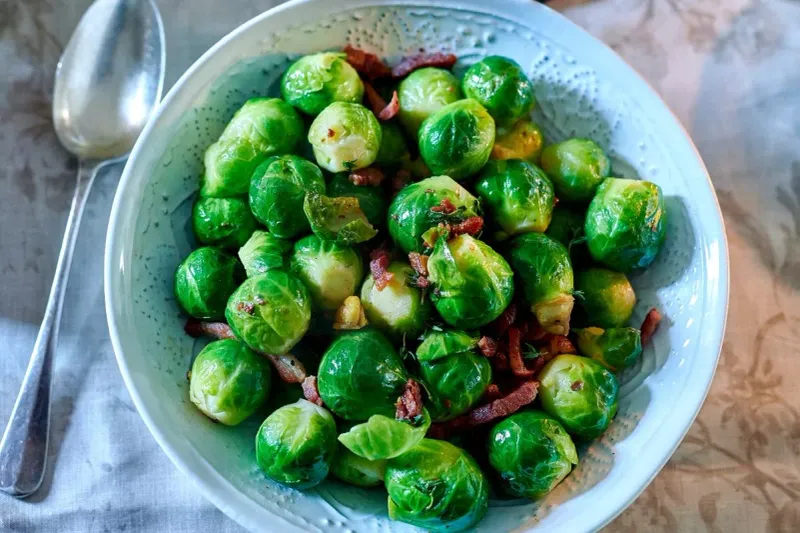
Brussels sprouts earned their reputation as the vegetable everyone loves to hate. For decades, they appeared on British dinner plates year-round, boiled until soft and slightly bitter.
Many children grew up dreading their appearance alongside the Sunday roast.
These days, sprouts mainly show up during the festive season, often roasted with bacon or chestnuts to make them more appealing. Outside December, they've largely vanished from regular meal rotations.
Modern cooking methods have improved their flavour, but the damage to their reputation was already done, leaving them as a Christmas-only guest.
3. Steak And Kidney Pudding
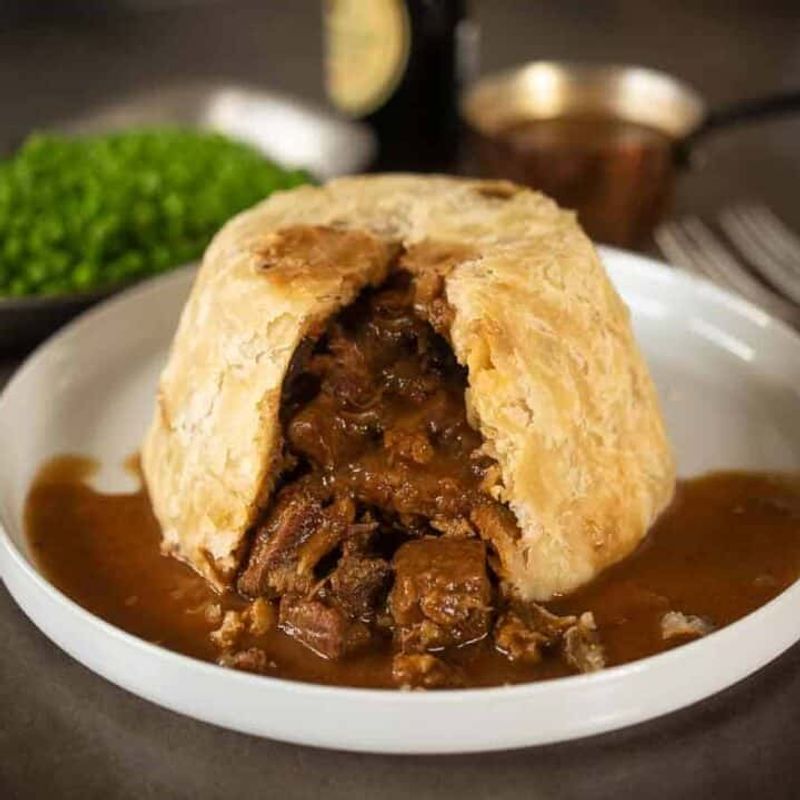
Wrapped in suet pastry and steamed for hours, steak and kidney pudding represented British comfort food at its most indulgent. Tender beef chunks mingled with kidney pieces in rich gravy, creating a meal that warmed you from the inside out.
Working-class families relied on it for sustenance and satisfaction.
Yet the labour-intensive preparation and the polarising taste of kidney have pushed this dish to the margins. Many modern cooks lack the time or inclination for such lengthy recipes.
The distinctive offal flavour also puts off younger diners raised on milder tastes, making this once-common dish feel like culinary history.
4. Brown Windsor Soup
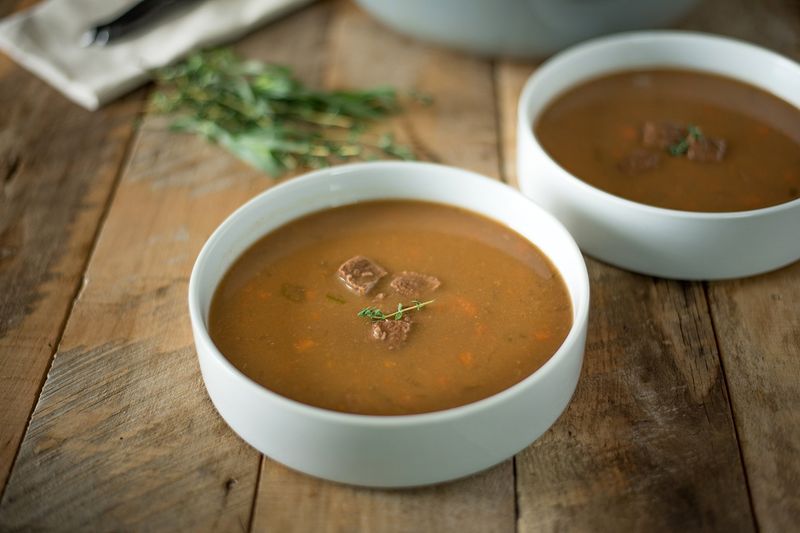
Dark, rich, and deeply savoury, Brown Windsor soup once graced Victorian dinner tables with pride. Made from beef stock, vegetables, and Madeira, it developed a thick, hearty consistency that satisfied hungry diners.
The soup's complex flavours came from slow simmering and careful seasoning with herbs and spices.
However, its heavy nature and time-consuming preparation have led to its near extinction. Modern palates often prefer lighter, fresher soups with cleaner flavours.
Brown Windsor now exists mainly in historical references and heritage restaurants attempting to recreate Victorian dining experiences, rarely appearing in contemporary home kitchens.
5. Mock Turtle Soup
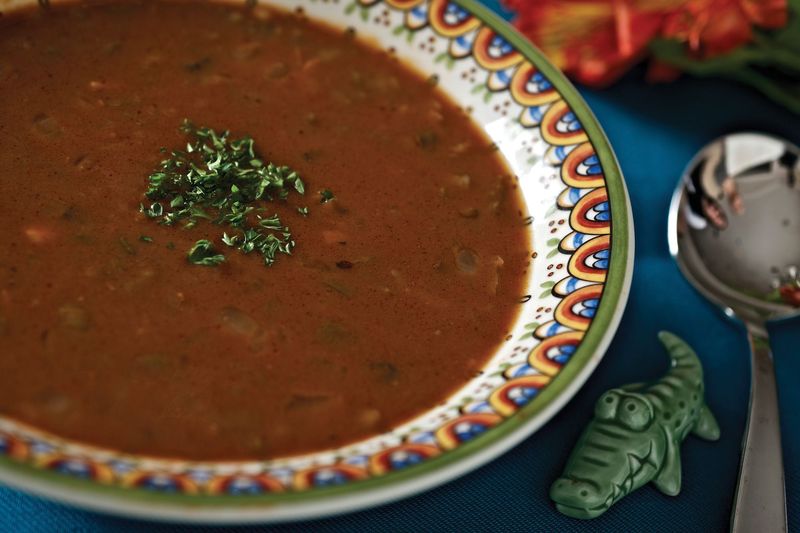
Victorian ingenuity created this elaborate soup as an affordable alternative to real turtle soup. Calf's head or oxtail provided the gelatinous texture, whilst careful seasoning with herbs and spices mimicked the exotic original.
The result was a labour of love that took hours to prepare properly.
Today, mock turtle soup survives only in old cookbooks and culinary museums. The ingredients and preparation methods feel far too fiddly for modern tastes.
Most people have never even heard of it, let alone tasted it. What once symbolised Victorian cleverness now represents a bygone era of British cooking that few wish to revive.
6. Traditional Welsh Cakes
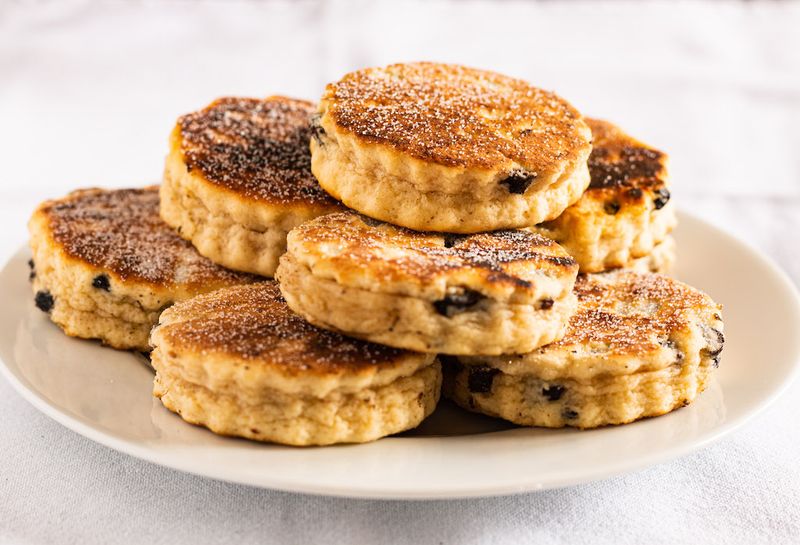
Cooked on a griddle and dusted with sugar, Welsh cakes offered a delightful cross between a scone and a biscuit. Currants dotted the buttery dough, creating little pockets of sweetness in every bite.
Families across Wales made them regularly, serving them warm with a cuppa.
Whilst they haven't disappeared entirely, Welsh cakes rarely feature in everyday British baking anymore. Supermarket versions lack the homemade charm, and fewer people own griddles for proper preparation.
They've become more of a tourist souvenir than a regular teatime treat, losing their place in routine meal patterns across the nation.
7. Leek And Potato Soup
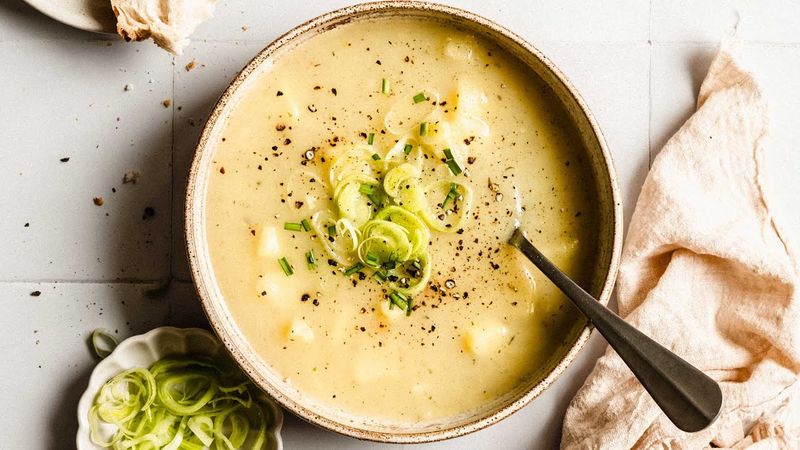
Simple, wholesome, and utterly satisfying, leek and potato soup represented British home cooking at its finest. Softened leeks and potatoes blended into a creamy, pale green soup that warmed cold evenings perfectly.
Many families made big batches to last through the week, serving it with crusty bread.
Yet this humble soup has lost ground to trendier options and convenient ready-made alternatives. Younger generations often reach for exotic flavours like Thai or miso instead of traditional British recipes.
Whilst still appreciated by some, leek and potato soup no longer holds the everyday appeal it once commanded in British kitchens nationwide.
8. Traditional Full English Breakfast Components
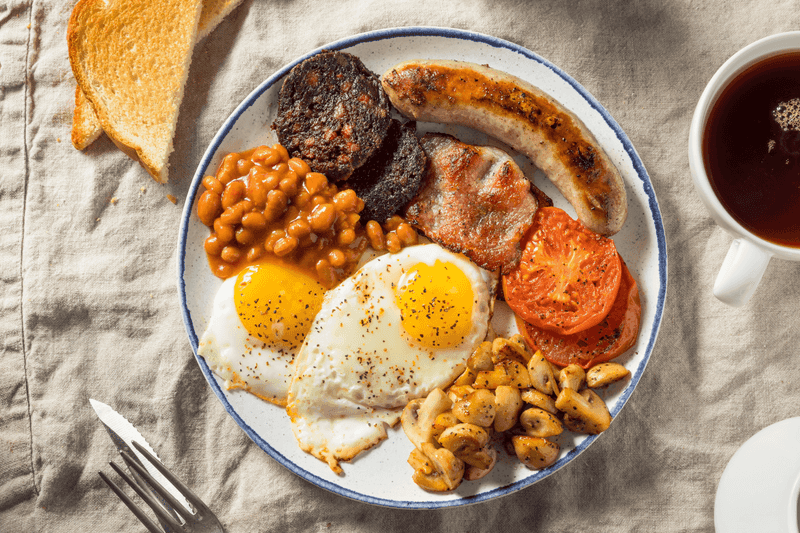
Remember when a proper fry-up meant every single element had its place on the plate? Black pudding, fried bread, grilled tomatoes, and mushrooms all jostled for space alongside bacon and eggs.
Nowadays, many folks skip the full works for something quicker or lighter.
The rise of continental breakfasts, health trends, and busy mornings has pushed this hearty ritual to the sidelines. Sure, it still appears on weekend brunch menus, but the daily ritual has faded.
What once fuelled factory workers and farmers now feels like an occasional treat rather than a morning must-have.