







Cloves may be small, but they bring a bold depth of flavour that has shaped cooking traditions across the world. Their warm, gently sweet aroma turns up in everything from spiced drinks and baked goods to slow cooked savoury dishes, often adding a comforting richness that feels instantly familiar.
Whether blended into fragrant curries, infused into winter warmers, or used to subtly lift sauces and desserts, cloves continue to play a quiet but important role in everyday kitchens on nearly every continent.
This article is for general information only. Culinary traditions, ingredient availability, and flavour preferences may vary by region and household.
Photos are for illustrative purposes only.
Spicing Warming Curries And Stews
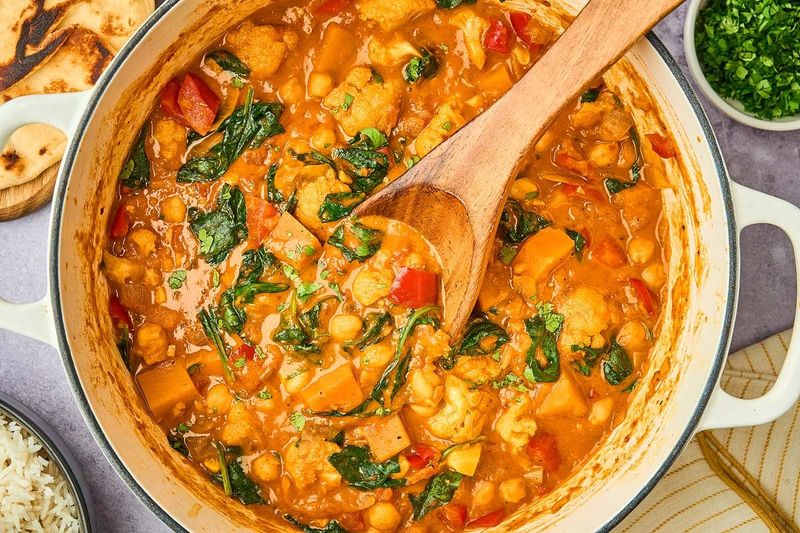
When the weather turns chilly, nothing beats a hearty curry bubbling away on the stove, and cloves are often the secret weapon behind that rich, layered flavour. In Southeast Asian and Indian cooking, whole cloves get tossed into the pot early on, releasing their oils slowly to build complexity.
They mingle beautifully with ginger, cardamom, and cinnamon, creating a warmth that goes beyond mere heat. Whether it's a Malaysian rendang or a North Indian korma, cloves add a subtle sweetness that balances spicy chillies and tangy tomatoes perfectly.
Flavouring Rice Dishes And Pilafs
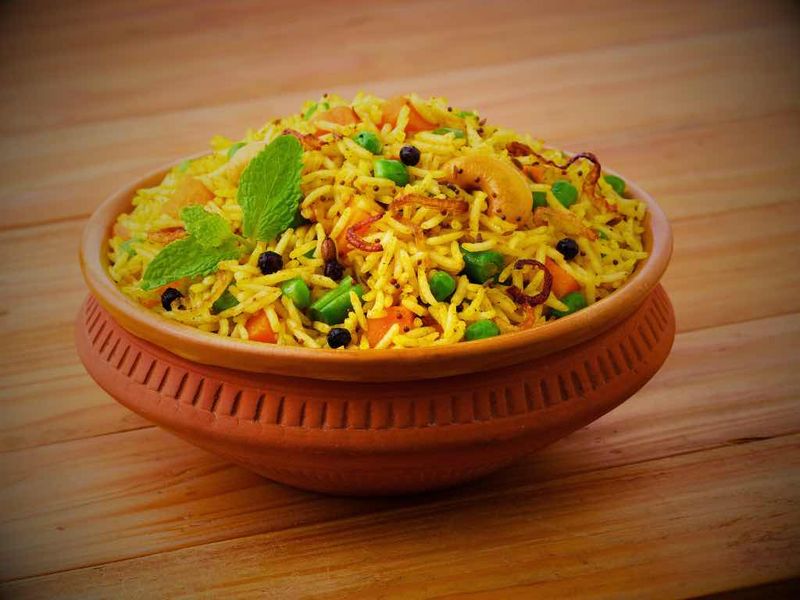
Picture a plate of fragrant biryani or pilaf, each grain of rice perfectly separated and scented with something magical. That's cloves doing their thing.
Cooks across the Middle East, Central Asia, and India drop a few whole cloves into the rice pot along with bay leaves and whole spices before the water goes in.
As the rice steams, it soaks up all those aromatic oils, turning a simple side dish into something special. The cloves are usually fished out before serving, but their essence lingers beautifully.
Infusing Mulled Drinks And Teas
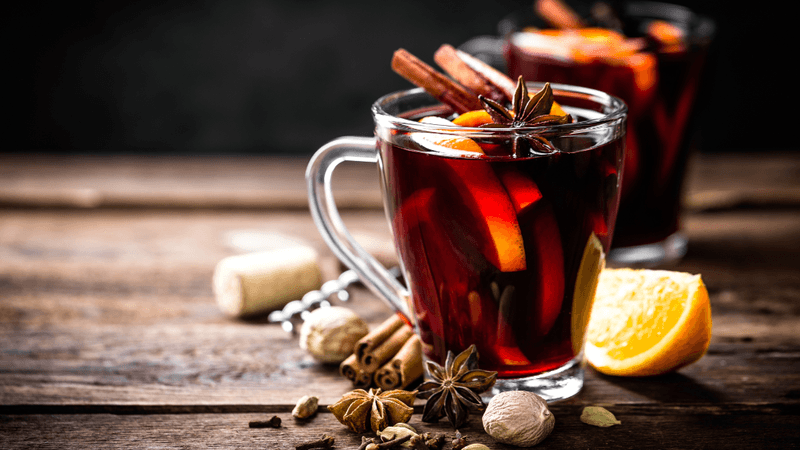
Nothing says cosy quite like wrapping your hands around a mug of spiced tea or a warming mulled drink on a cold evening. Cloves are absolute stars here, lending their distinctive warmth to chai blends from India and spiced apple drinks popular across Europe.
Just a few cloves simmered with orange peel, star anise, and a cinnamon stick transform ordinary beverages into something wonderfully aromatic. The key is not overdoing it since cloves can quickly dominate, but get the balance right and you've got pure comfort in a cup.
Enhancing Slow Cooked Meat Dishes
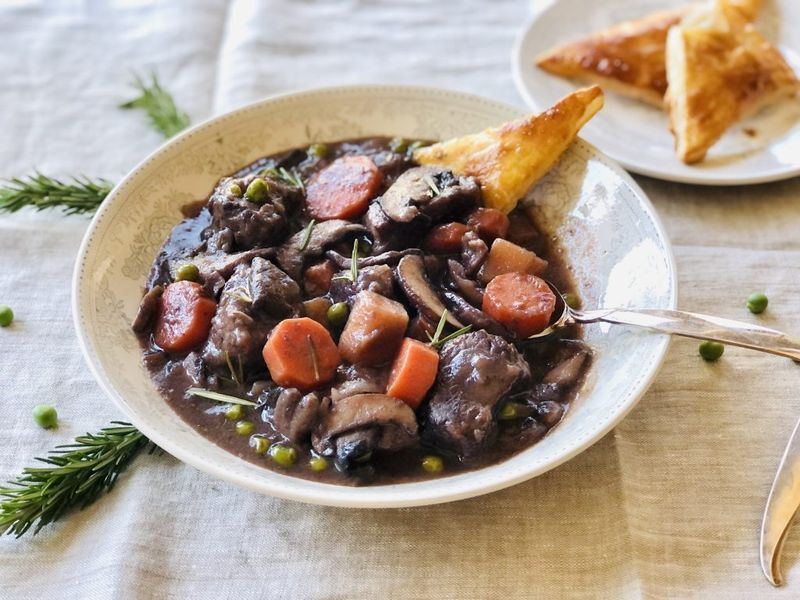
Slow cooking and cloves are basically best mates. When meat braises for hours, whole cloves release their oils gradually, permeating every fibre with their distinctive aroma.
French daubes, Moroccan tagines, and Caribbean stews all rely on this technique to build layers of flavour you simply can't rush.
The cloves work alongside herbs and other spices, mellowing out as they cook and adding an almost mysterious depth. By the time the meat falls off the bone, those little buds have worked their quiet magic throughout the dish.
Adding Depth To Baked Desserts
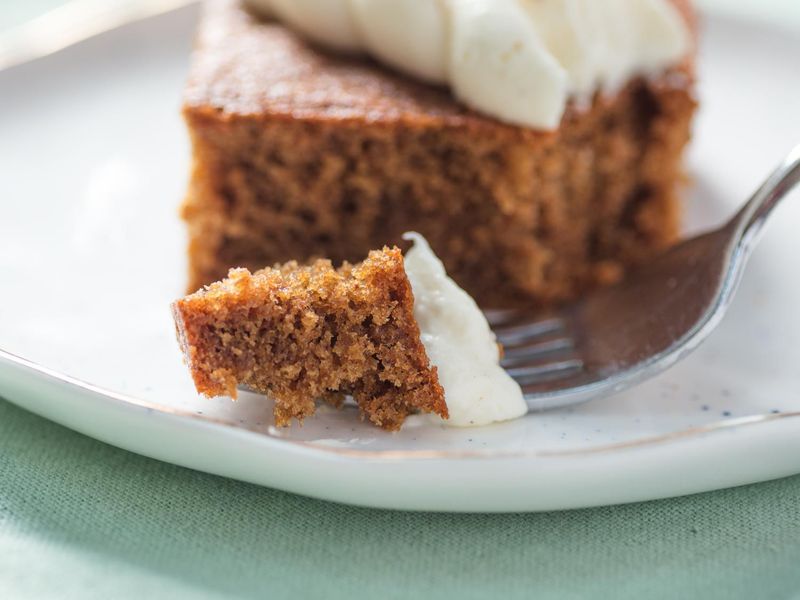
Ground cloves might be the unsung hero of the baking world, showing up in everything from gingerbread to pumpkin pie. Just a pinch adds a warm, almost peppery note that makes sweet treats taste more complex and interesting rather than one-dimensionally sugary.
European Christmas biscuits, American spice cakes, and Middle Eastern sweets all benefit from this treatment. The trick is using cloves sparingly since their flavour is potent, but when balanced with nutmeg, ginger, and cinnamon, they create that classic festive warmth we all crave.
Blending Into Spice Mixes And Rubs
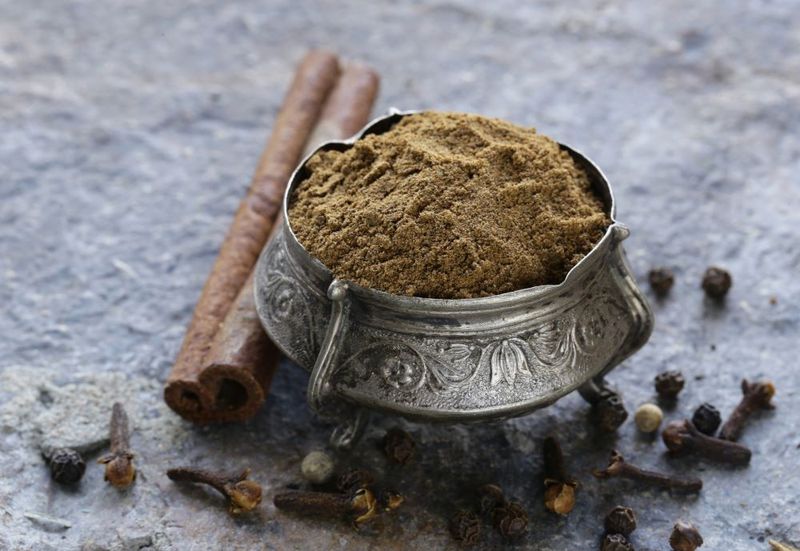
Walk into any spice market from Mumbai to Marrakech and you'll find cloves playing a starring role in countless blends. Garam masala, Chinese five-spice, baharat, ras el hanout – cloves are the common thread tying these aromatic mixtures together.
Their warm, slightly sweet character bridges the gap between hot spices like black pepper and fragrant ones like cardamom.
Home cooks and professional chefs alike rely on these blends to season everything from grilled meats to roasted vegetables, and cloves provide that essential backbone of flavour.
Studding Citrus And Roasts For Aroma

There's something rather old-fashioned and charming about studding an orange with cloves or poking them into a Christmas ham. This technique isn't just for show; as the fruit or meat cooks, the cloves release their essential oils, perfuming the entire dish with their distinctive scent.
The visual effect is lovely too, creating a decorative pattern that looks impressive on the dinner table. Europeans have been doing this for centuries, particularly with festive roasts, and it remains a simple way to add both flavour and theatre to special meals.
Flavouring Pickles And Preserves
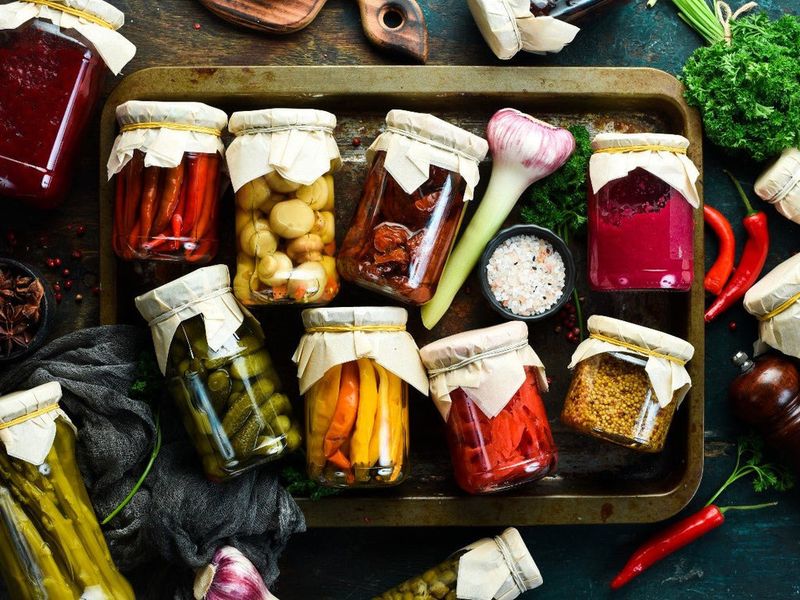
Pickling isn't just about vinegar and salt – spices like cloves make all the difference between boring preserved veg and something you'll actually want to eat. A few whole cloves tossed into jars of pickled onions, beetroot, or cucumbers add a warm, aromatic note that cuts through the sharpness beautifully.
They also have mild antimicrobial properties, which historically helped preserve foods longer. From British pickled walnuts to Indian achaar, cloves contribute a complexity that elevates humble preserved vegetables into proper condiments worth making space for in your fridge.
Scenting Syrups And Sweet Sauces
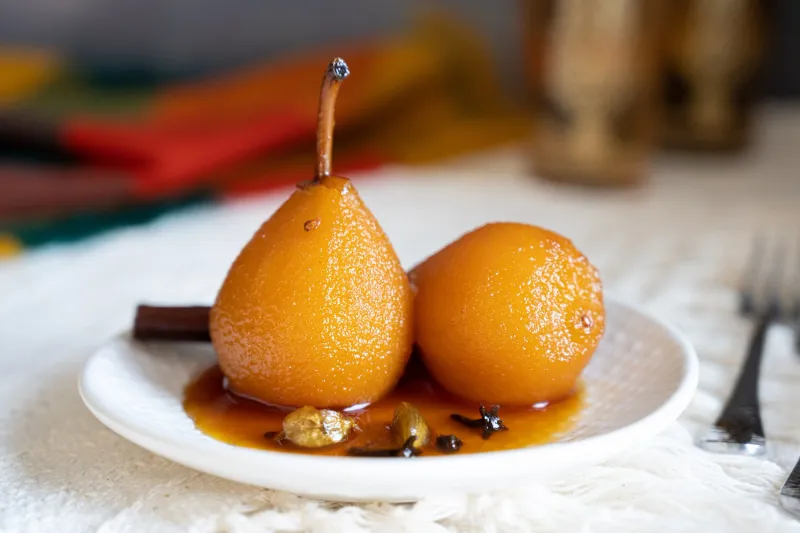
Simple syrup gets a serious upgrade when you simmer it with a few cloves, transforming from basic sweetener to something with real character. Pastry chefs use clove-infused syrups to soak cakes, drizzle over poached fruits, or sweeten desserts with a subtle spiced note.
Middle Eastern and Mediterranean cuisines particularly love this technique, creating fragrant syrups for baklava and other sticky sweets.
The cloves are strained out once they've done their job, leaving behind just their essence – a whisper of warmth rather than an overwhelming punch.
Supporting Traditional Festive Recipes
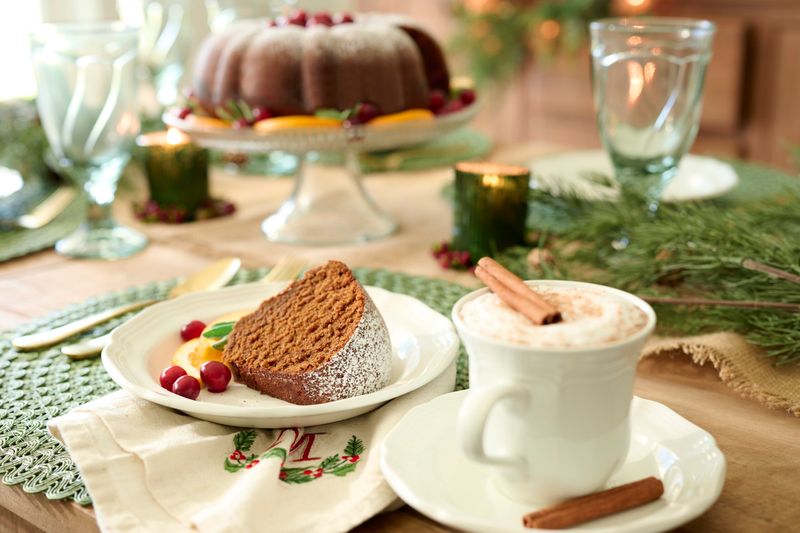
When the holidays roll around, cloves suddenly appear everywhere, from Christmas puddings to spiced biscuits to festive breads. There's something about their warm, nostalgic scent that instantly evokes celebration and tradition.
German lebkuchen, Dutch speculaas, British mincemeat, and Scandinavian glögg all rely on cloves to create that unmistakable festive flavour.
These recipes have been passed down through generations, with cloves playing a consistent role in making special occasions taste and smell exactly as they should. It's comfort, tradition, and deliciousness all rolled into one tiny spice.