








Food choices shape far more than what ends up on the dinner table, quietly influencing land use, water demand, transport, and farming practices around the world. Many familiar favourites carry a heavier environmental footprint than most people realise, even when they feel like everyday essentials.
Understanding where impact comes from can make shopping and menu planning feel more thoughtful rather than overwhelming. A closer look often reveals simple ways to balance enjoyment with awareness.
All information is provided for general interest only. Environmental impact can vary by farming methods, sourcing, and region.
1. Beef

Cattle farming stands as one of the most resource-intensive food production systems on Earth. Producing just one kilogramme of beef requires approximately 15,000 litres of water and generates significant methane emissions from cow digestion.
Forests are often cleared to create grazing land, destroying vital ecosystems. The feed crops needed for cattle also demand massive amounts of land, water, and fertilisers, which can pollute waterways and harm wildlife.
2. Lamb

Sheep might seem like gentle grazers, but lamb production actually generates more greenhouse gases per kilogramme than most other meats. Sheep produce methane through their digestive process, contributing heavily to climate change.
Overgrazing by sheep flocks can lead to soil erosion and land degradation, particularly in fragile ecosystems. The carbon footprint of lamb is surprisingly high, making it one of the most environmentally costly proteins available in supermarkets today.
3. Cheese
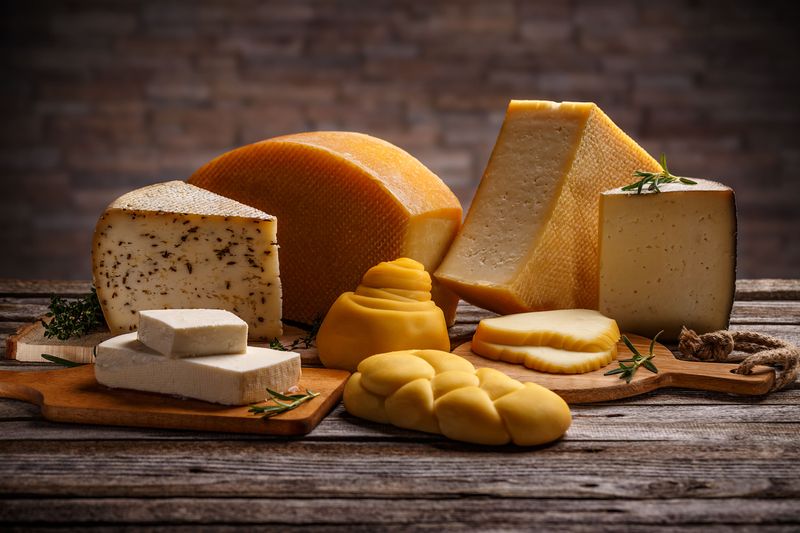
That delicious cheddar on your sandwich comes with a hefty environmental price tag. Producing cheese requires enormous quantities of milk—roughly ten litres to make just one kilogramme of cheese.
Dairy cows need vast amounts of feed, water, and land, whilst also producing methane emissions. The processing, refrigeration, and transport of cheese add even more to its carbon footprint, making it surprisingly impactful despite being a vegetarian option.
4. Butter

Spreading butter on toast feels harmless enough, yet dairy production carries a sizeable environmental footprint. Producing butter requires large volumes of milk, which means more land, feed, and water are needed to support dairy herds.
Cows also generate methane during digestion, adding to greenhouse gas emissions linked to climate change. Energy-intensive processing and refrigeration further increase the overall impact before butter even reaches the supermarket shelf.
It’s a reminder that even small everyday ingredients quietly add up in environmental terms.
5. Chocolate

Your favourite sweet treat comes with a bittersweet environmental reality. Cocoa farming often involves deforestation in tropical regions, destroying habitats for endangered species like orangutans and forest elephants.
The chocolate industry also struggles with high water usage, pesticide application, and long transport distances from growing regions to consumers. Child labour and unsustainable farming practices compound the environmental concerns, making ethical chocolate choices increasingly important for conscious consumers everywhere.
6. Coffee

That morning cup of coffee has travelled a long way and used substantial resources before reaching your mug. Coffee cultivation frequently contributes to deforestation, particularly in biodiverse regions like Central America and Southeast Asia.
Water-intensive processing methods, pesticide use, and the energy required for roasting and transport all add up. Traditional sun-grown coffee plantations often replace native forests, threatening bird species and disrupting local ecosystems whilst contributing to soil erosion problems.
7. Palm Oil Products
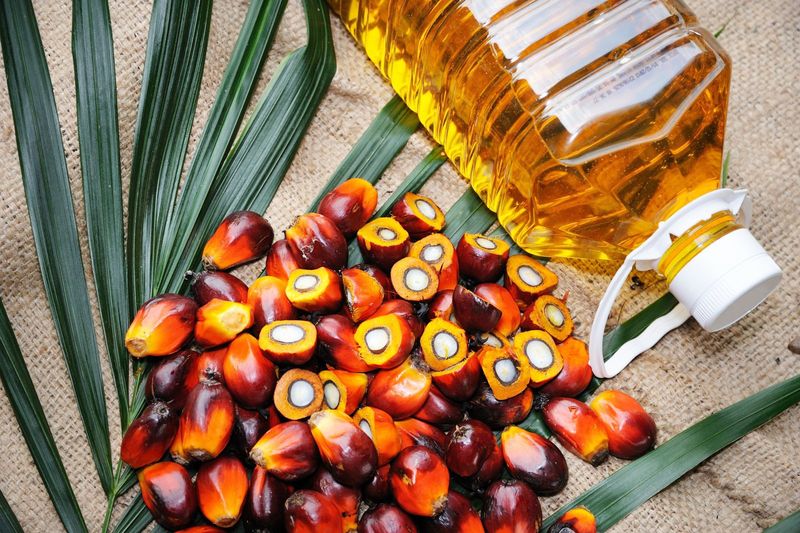
Hidden in everything from biscuits to shampoo, palm oil drives massive environmental destruction. Rainforests in Indonesia and Malaysia are cleared at alarming rates to make room for palm plantations, threatening orangutans, tigers, and countless other species.
The carbon released from burning forests for plantations contributes significantly to climate change. Whilst palm oil is technically efficient to produce, the devastating habitat loss and biodiversity crisis make it environmentally catastrophic overall.
8. Farmed Prawns
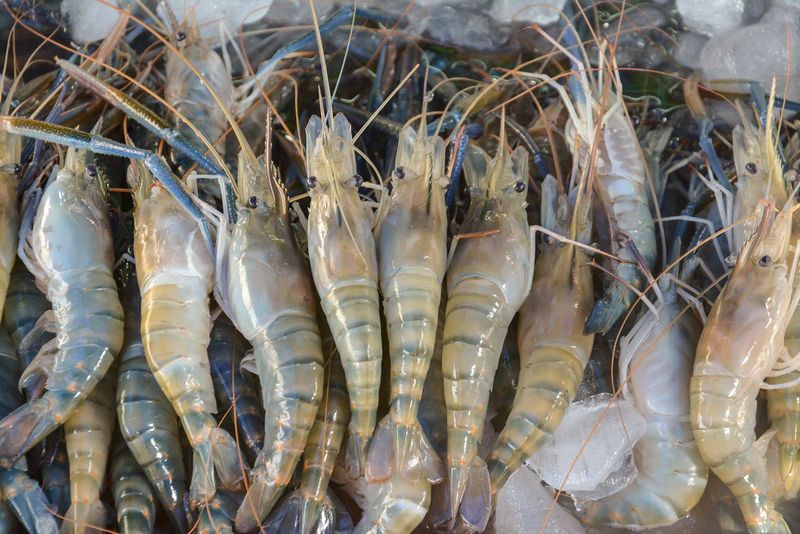
Prawn farming has become an environmental disaster in coastal regions worldwide. Mangrove forests - vital carbon sinks and fish nurseries - are destroyed to create prawn farms, releasing stored carbon and eliminating crucial coastal protection.
The farms themselves generate pollution from waste, antibiotics, and chemicals that contaminate surrounding waters. Wild fish are caught in huge quantities to feed farmed prawns, creating additional pressure on ocean ecosystems and making this seafood choice particularly problematic environmentally.
9. Rice
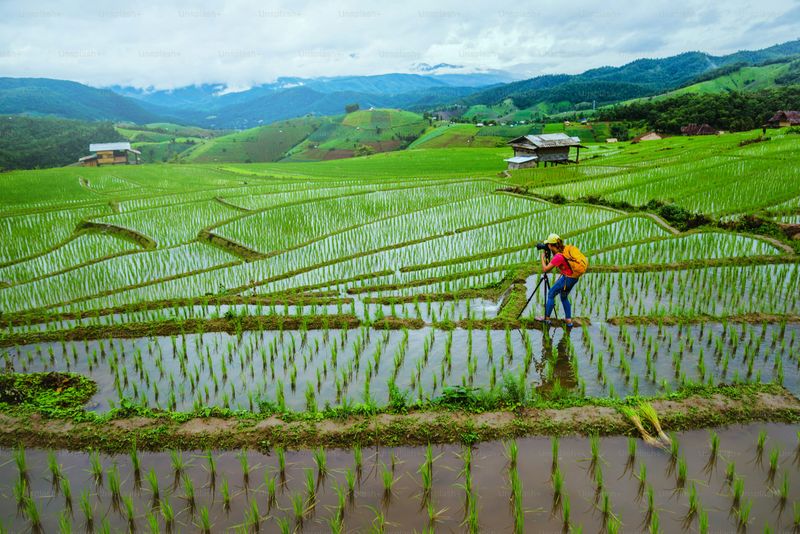
Rice feeds billions but comes with a significant environmental cost that often surprises people. Flooded rice paddies create perfect conditions for bacteria that produce methane, a powerful greenhouse gas contributing substantially to climate change.
Growing rice requires enormous amounts of fresh water, straining water supplies in many regions. Pesticide and fertiliser runoff from rice fields pollutes waterways, whilst some farming methods lead to soil degradation, making rice production more impactful than many realise.
10. Almonds
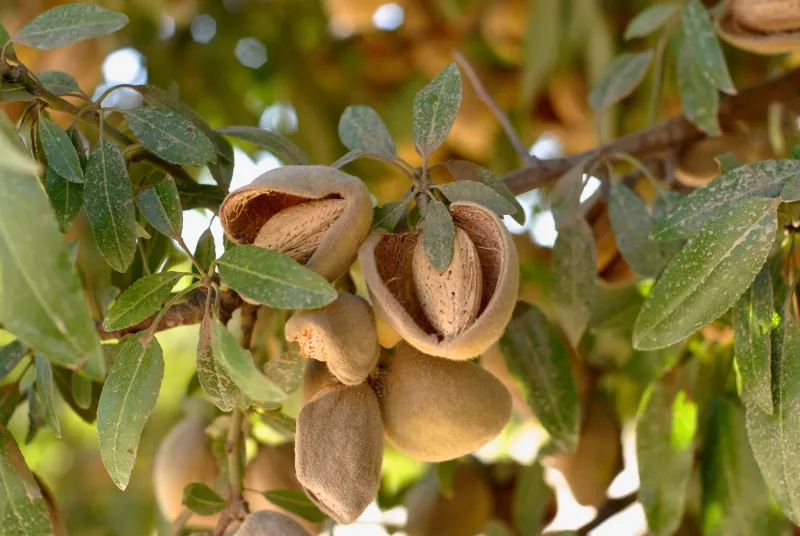
Almonds have earned a reputation as a healthy snack, but their growing process places heavy pressure on water resources. Large almond orchards rely on intensive irrigation, particularly in drought-prone regions such as California.
Concentrated monoculture farming can also strain soil health and reduce biodiversity over time. Pollination requires huge numbers of managed bees, which creates additional pressure on already vulnerable bee populations.
While almonds remain popular for their taste and versatility, their environmental footprint is worth keeping in mind when shopping regularly.
11. Avocados
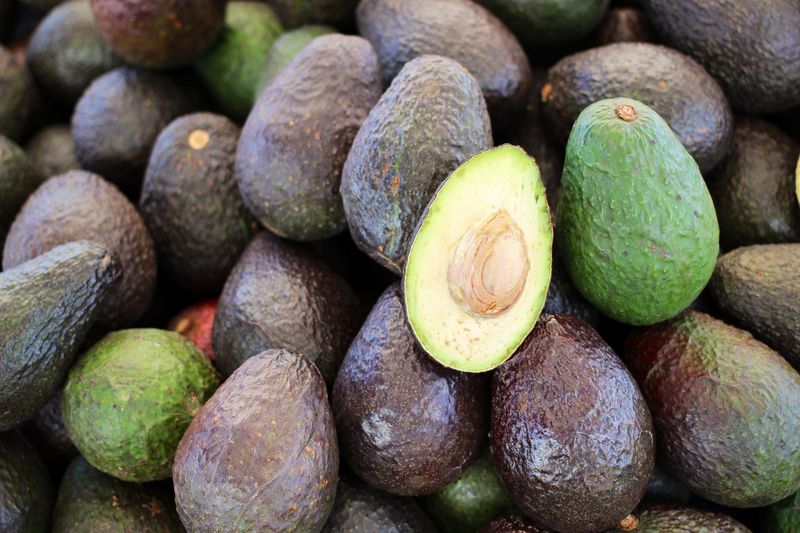
Avocado toast might be trendy, but this creamy fruit demands serious environmental resources. Growing avocados requires substantial water—approximately 320 litres per kilogramme—straining water supplies in producing regions like Mexico and Chile.
Illegal deforestation to plant avocado orchards threatens forests and wildlife habitats. The long-distance transport needed to get avocados to international markets adds significant carbon emissions, whilst some growing regions face water conflicts between avocado farmers and local communities.
12. Processed Ready Meals
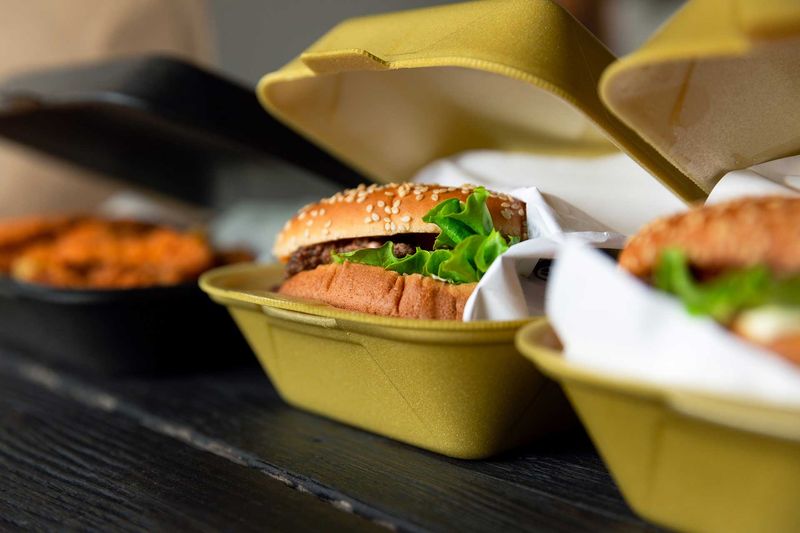
Convenience comes at a cost when it comes to ready meals. These products typically contain multiple ingredients sourced from different locations, each with their own environmental footprints that add up quickly.
The processing, packaging, refrigeration, and transport required create substantial emissions and waste. Excessive plastic packaging contributes to pollution, whilst the energy-intensive production methods and preservatives make processed meals far more impactful than cooking fresh ingredients yourself at home.