








Fermented foods have been part of traditional diets for thousands of years, long before anyone understood what probiotics or gut bacteria were.
Today, research continues to highlight how these naturally cultured foods can support digestion, nutrient absorption, and overall wellbeing when enjoyed as part of a balanced diet.
From gently tangy vegetables to richly fermented dairy and soy products, each culture has its own way of harnessing the benefits of fermentation. These nine fermented foods offer a closer look at why food really can play a meaningful role in everyday health.
All information is provided for general interest only. Consult a qualified healthcare professional for any health-related concerns.
Photos are for illustrative purposes only.
1. Live Natural Yoghurt
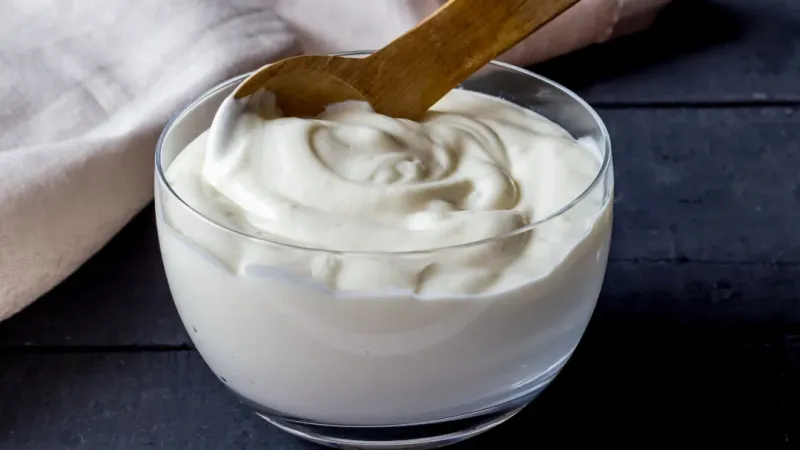
Creamy, tangy, and wonderfully versatile, live natural yoghurt is a breakfast staple that doubles as a probiotic powerhouse. Made by fermenting milk with friendly bacteria, it delivers calcium, potassium, B vitamins, and live cultures that support gut health.
Regular consumption has been linked to better digestion, stronger bones, and even lower blood pressure. Look for labels that say "live cultures" or "active bacteria" to ensure you're getting the real deal.
Skip the sugary fruit varieties and top plain yoghurt with fresh berries and honey for a delicious, gut-friendly treat.
2. Kefir
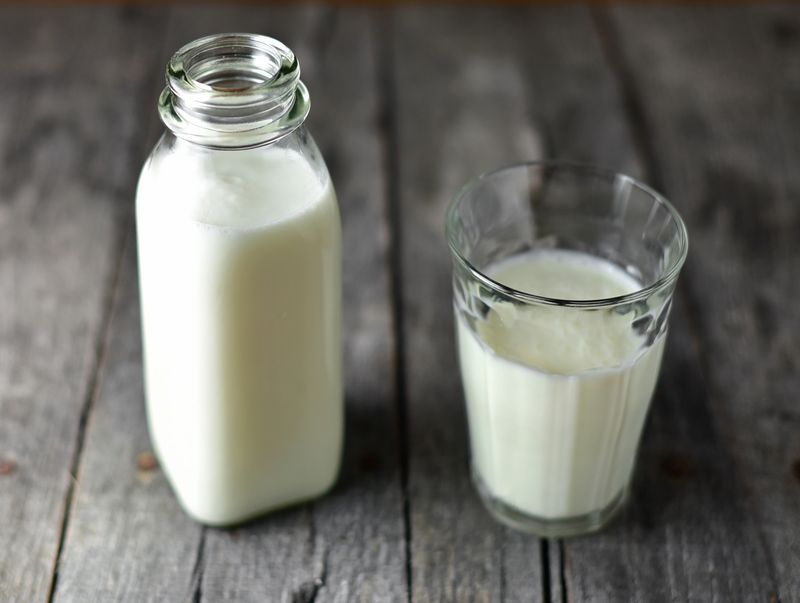
Think of kefir as yoghurt's tangier, thinner cousin with an attitude. This fermented milk drink contains dozens of bacterial strains and beneficial yeasts, making it one of the most diverse probiotic foods around.
Originating from the Caucasus Mountains, kefir has been treasured for centuries for its digestive benefits and potential antimicrobial properties. Its slightly fizzy, sour taste takes some getting used to, but the health payoff is worth it.
Blend it into smoothies, pour it over granola, or drink it straight for a gut-boosting breakfast.
3. Sauerkraut
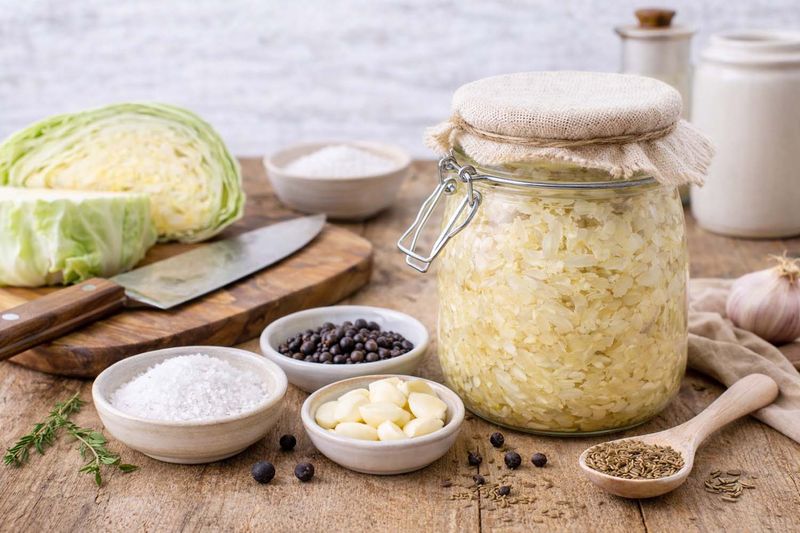
Finely shredded cabbage fermented with nothing but salt and time, sauerkraut is Germany's gift to gut health. The fermentation process transforms humble cabbage into a tangy, crunchy condiment loaded with vitamin C, vitamin K, and fibre.
Lactic acid bacteria multiply during fermentation, creating probiotics that aid digestion and enhance nutrient absorption. The sour flavour pairs brilliantly with sausages, sandwiches, or even scrambled eggs.
Always choose unpasteurised sauerkraut from the chilled section, as heat kills those precious live bacteria you're after.
4. Kimchi
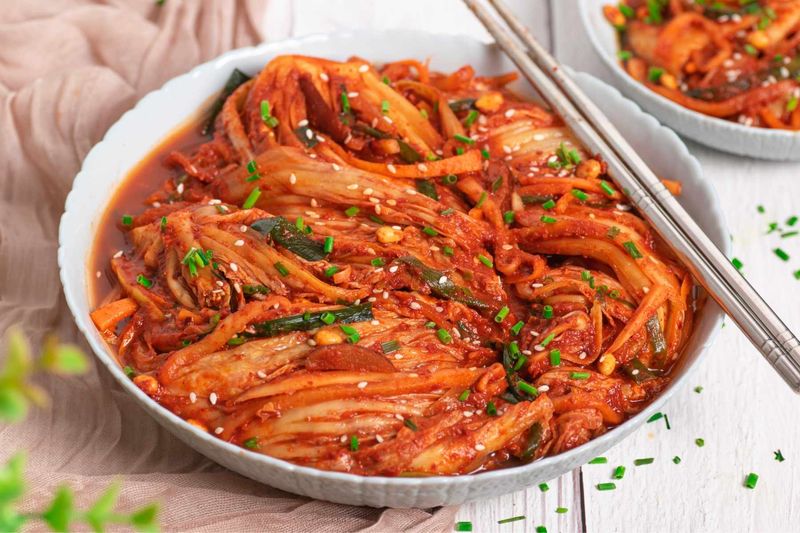
Fiery, funky, and utterly addictive, kimchi is Korea's iconic fermented side dish that packs serious flavour and even more serious health benefits. Made from napa cabbage, radishes, chilli flakes, garlic, and ginger, it's bursting with vitamins A, B, C, and K.
The lactic acid bacteria produced during fermentation support digestion and may even help lower cholesterol. Its bold, spicy kick makes it perfect alongside rice, noodles, or grilled meats.
Fair warning: kimchi's pungent aroma can take over your fridge, but your gut will thank you.
5. Miso
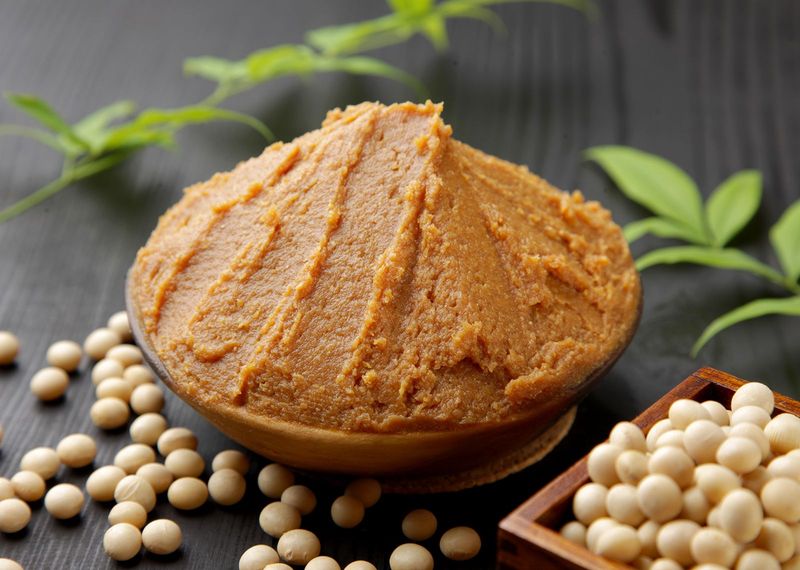
This savoury Japanese paste is the umami bomb your kitchen didn't know it needed. Made by fermenting soybeans with salt and koji (a special fungus), miso develops a deep, complex flavour that ranges from sweet and mild to rich and intense.
It's loaded with B vitamins, vitamin K, and beneficial enzymes that aid digestion. Miso soup is the classic way to enjoy it, but you can also stir it into dressings, marinades, or even butter.
Use it sparingly though, as it's quite salty and a little goes a long way.
6. Tempeh
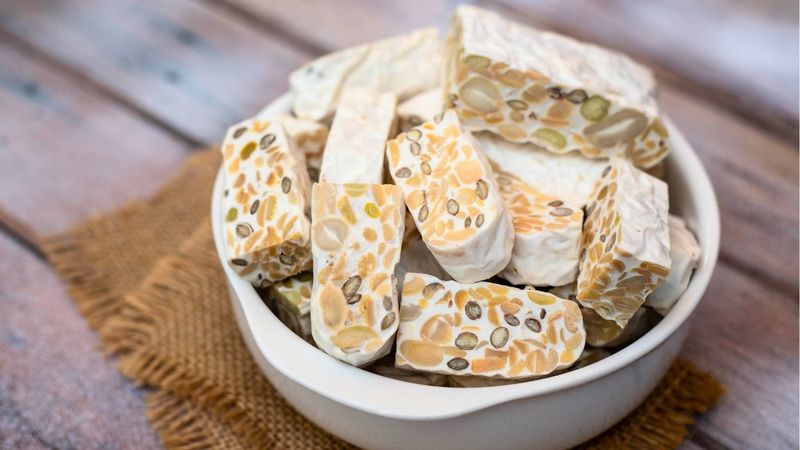
Hailing from Indonesia, tempeh is a firm, nutty cake made from fermented soybeans that's become a vegetarian superstar. The fermentation process binds the beans together and makes them easier to digest while boosting nutrient absorption.
Rich in protein, iron, and calcium, tempeh is a brilliant meat alternative that holds its shape beautifully when sliced, grilled, or stir-fried. Its earthy, slightly mushroomy flavour works well in curries, salads, and sandwiches.
Marinate it before cooking to let those flavours really sink in and transform this humble block into something spectacular.
7. Kombucha

Fizzy, tangy, and slightly sweet, kombucha is the trendy fermented tea that's taken health food shops by storm. Made by fermenting sweetened tea with a SCOBY (symbiotic culture of bacteria and yeast), it's rich in antioxidants and beneficial acids.
The fermentation creates natural carbonation and a refreshing flavour that can range from fruity to vinegary. Studies suggest it may help lower blood glucose and reduce inflammation.
With endless flavour combinations available, from ginger and lemon to berry and hibiscus, there's a kombucha for every palate.
8. Natto
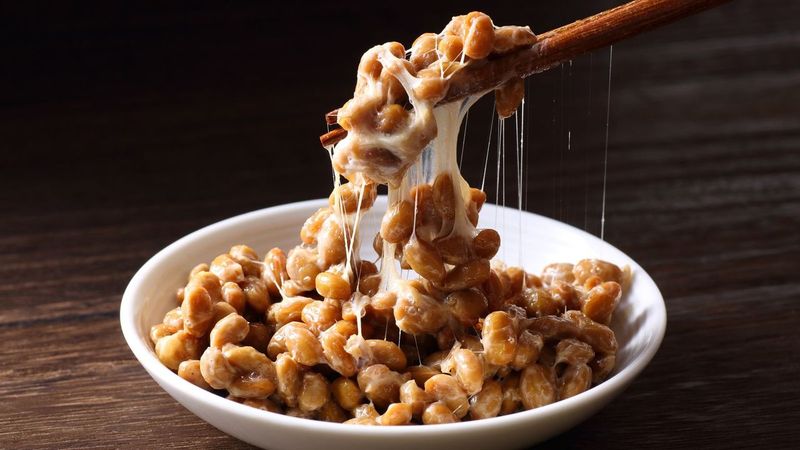
Not for the faint-hearted, natto is Japan's most divisive fermented food, famous for its slimy texture and pungent aroma. Made from soybeans fermented with a specific bacteria, it forms sticky, stringy strands that many find off-putting at first.
But beneath that challenging exterior lies a nutritional goldmine, especially vitamin K2, which supports bone health, and nattokinase, an enzyme that may reduce blood clotting. Traditionally eaten over rice with soy sauce and mustard, natto is an acquired taste that rewards the adventurous.
Give it a proper chance before dismissing it entirely.
9. Traditional Pickled Vegetables
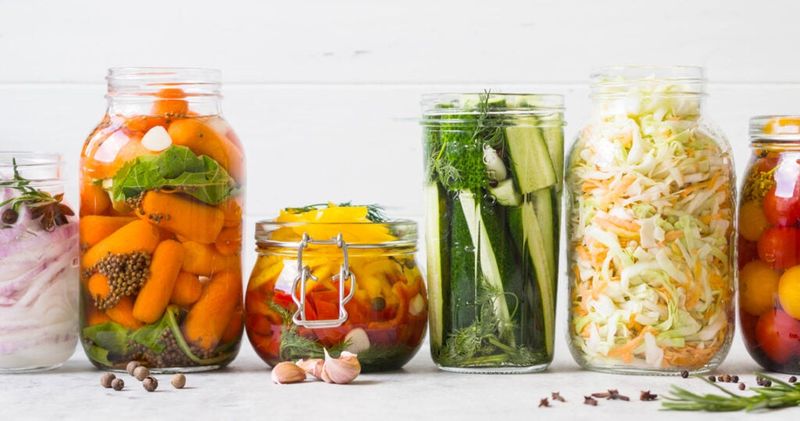
Crunchy, tangy, and endlessly versatile, traditionally fermented pickles are so much more than a burger topping. When cucumbers (or other veg) are soaked in brine and left to ferment naturally, beneficial bacteria work their magic, creating probiotics and enhancing flavour.
Unlike vinegar pickles, true fermented versions are alive with gut-friendly microbes and vitamin K. Carrots, radishes, beetroot, and green beans all pickle beautifully too.
Check labels carefully, as many shop-bought pickles are simply preserved in vinegar without any fermentation, meaning no probiotic benefits whatsoever.