







Boiled eggs are wonderfully versatile – perfect for sandwiches, salads, quick snacks, and simple meal prep. Yet for something so straightforward to cook, peeling them can quickly turn into a messy, shell-covered frustration.
Cracked whites, stubborn membranes, and wasted time often take the joy out of an otherwise easy job. A simple expert trick using nothing more than a glass and a little water promises to make shells slide away cleanly, leaving smooth, ready-to-eat eggs in seconds.
All information is provided for general interest only. Cooking results may vary depending on ingredients, equipment, and technique.
Photos are for illustrative purposes only.
1. A Simple Glass And Water Trick That Helps Shells Come Away Cleanly
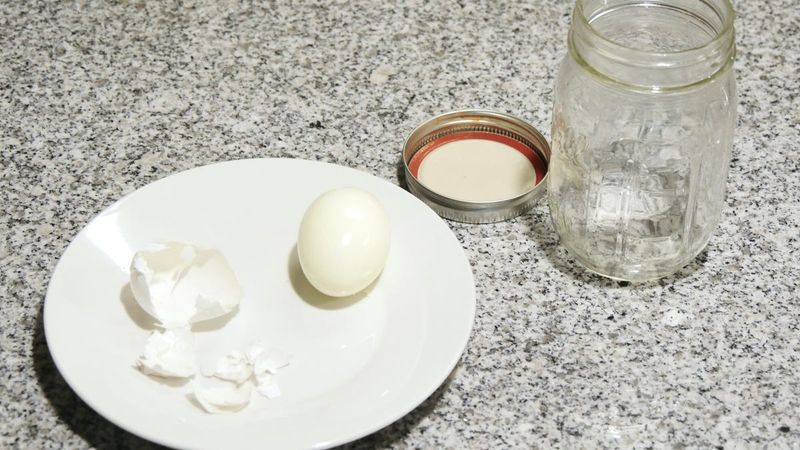
Peeling boiled eggs can feel like a game of patience, especially when the shell breaks into tiny shards that cling stubbornly to the white. According to egg expert Henry O'Connor, the solution is surprisingly simple and uses nothing more than a glass and a splash of cold water.
Once your egg is cooked and cooled slightly, pop it into a glass with a little water, cover the top with your hand, and give it a firm shake. The movement creates small cracks across the shell while the water cushions the egg, preventing damage to the soft white underneath.
The shaking also helps loosen the thin membrane that sits between the shell and the egg, which is usually what causes all the frustration when peeling. As the membrane releases, the shell often slides off in larger pieces rather than flaking away bit by bit.
The result is a smooth, intact egg that looks far more appetising and takes only seconds to prepare. It is a handy trick for quick lunches, salads, or meal prep when you need several eggs ready without the usual mess.
2. Why Shaking The Egg Helps Loosen The Shell Without Damaging The White
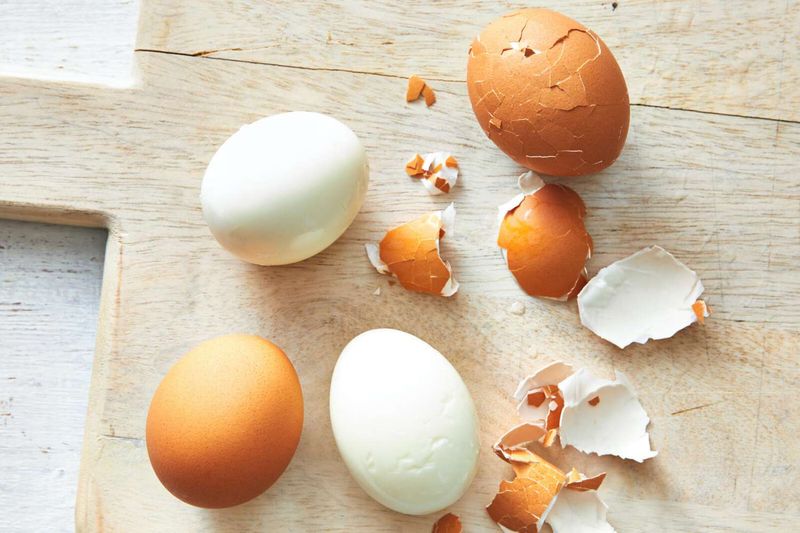
The science behind this clever method comes down to how eggs behave when they are heated. As an egg cooks, the proteins inside tighten slightly and pull away from the shell, creating a small gap.
However, the inner membrane often stays attached, which is why shells can cling stubbornly during peeling. Shaking the egg in water breaks that bond gently, allowing the membrane to release without tearing the egg surface.
The water plays an important role by absorbing some of the impact, stopping the egg from cracking too hard while still creating enough movement to fracture the shell evenly. This balance makes the peeling process faster and more reliable, even for eggs that would normally be difficult to handle.
Once peeled, the egg is ready for sandwiches, salads, or simple snacks without the usual frustration, making this method especially useful for busy kitchens and everyday cooking.