








Fermentation has been used for centuries as a practical way to preserve food while enhancing flavour and texture. Across many cultures, naturally fermented foods form part of everyday diets, offering a combination of beneficial bacteria, vitamins, and improved digestibility.
From vegetables and dairy to grains and legumes, these foods contribute to a wide range of traditional meals and cooking methods. Understanding how fermentation supports nutritional value provides useful context for why these foods remain widely consumed today.
All information is provided for general interest only and does not replace professional medical or nutritional advice. Nutritional needs and individual tolerance to fermented foods may vary.
Anyone with dietary concerns should consult a qualified healthcare professional. Photos are for illustrative purposes only.
1. Yoghurt
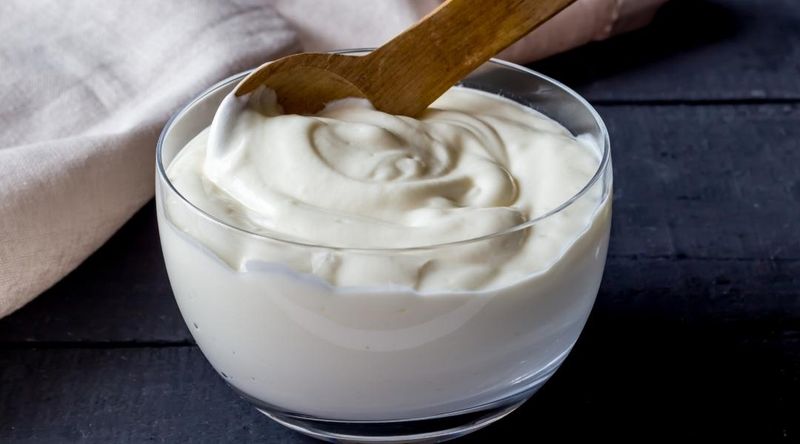
Creamy, tangy, and ridiculously versatile, yoghurt has been a breakfast staple for good reason. Made when friendly bacteria get busy fermenting milk, it transforms into this lovely thick treat packed with calcium and protein.
Your gut absolutely loves the live cultures swimming around in there, which help keep your digestive system running smoothly. Plus, yoghurt delivers a solid dose of B vitamins, especially B12, which keeps your energy levels topped up.
Whether you dollop it on granola, blend it into smoothies, or eat it straight from the pot, you're giving your body a probiotic boost that supports everything from bone strength to immune function.
2. Kefir
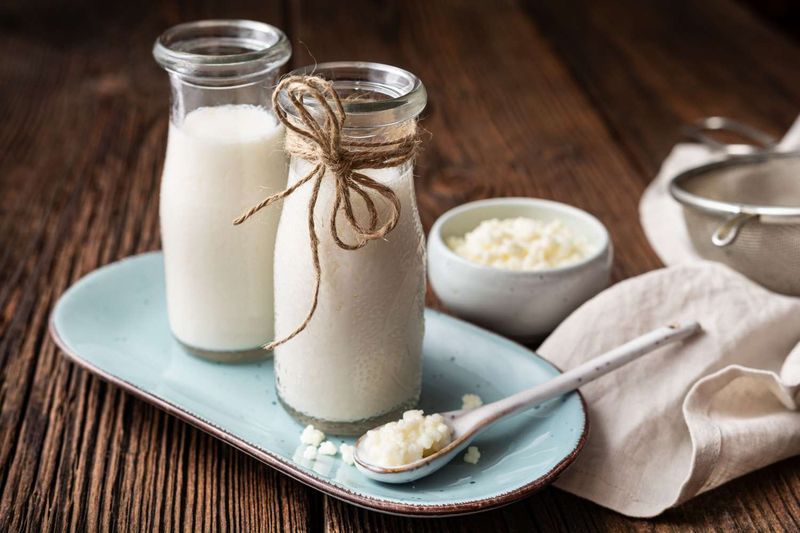
Think of kefir as yoghurt's tangier, drinkable cousin with even more probiotic swagger. Originating from the Caucasus Mountains, this fermented milk drink gets its magic from kefir grains, which are actually clusters of bacteria and yeast working together.
The result? A slightly fizzy beverage that's gentler on lactose-sensitive tummies than regular milk.
Kefir boasts an impressive range of probiotic strains, often containing over 30 different types of beneficial microbes.
It's brilliant for strengthening your immune system, improving digestion, and delivering essential nutrients like vitamin D and B12 in a refreshingly tart package.
3. Sauerkraut
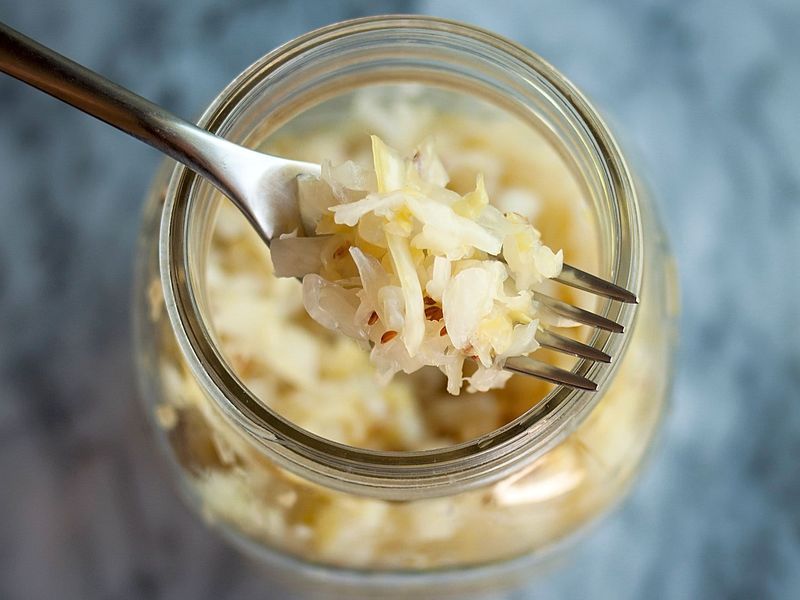
Cabbage gets a proper glow-up when it becomes sauerkraut, that wonderfully sour shredded delight from Eastern Europe. All it takes is salt, time, and the natural bacteria on cabbage leaves to create this crunchy fermented wonder.
Packed with fibre, vitamins C and K, and beneficial probiotics, sauerkraut supports everything from digestion to immune defence. The fermentation process actually increases the bioavailability of nutrients, making them easier for your body to absorb.
Pile it on sandwiches, serve it alongside sausages, or eat it straight from the jar for a tangy hit that's brilliant for your gut health.
4. Kimchi
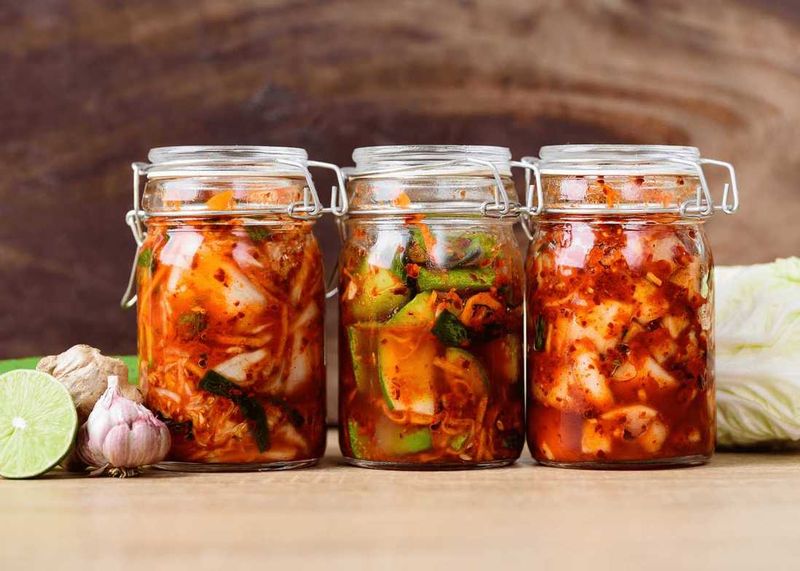
Korea's national treasure comes in a jar packed with spicy, funky, utterly addictive flavour. Kimchi typically features napa cabbage and radishes fermented with chilli flakes, garlic, ginger, and fish sauce, creating a complex taste explosion.
Beyond its bold personality, kimchi delivers vitamins A, B, and C, plus heaps of antioxidants and probiotics that support gut health and boost immunity. The fermentation process creates beneficial compounds that may even help reduce inflammation.
Whether you're tucking into it with rice, adding it to stews, or sneaking it into toasties, kimchi brings serious nutritional firepower alongside its signature kick.
5. Miso
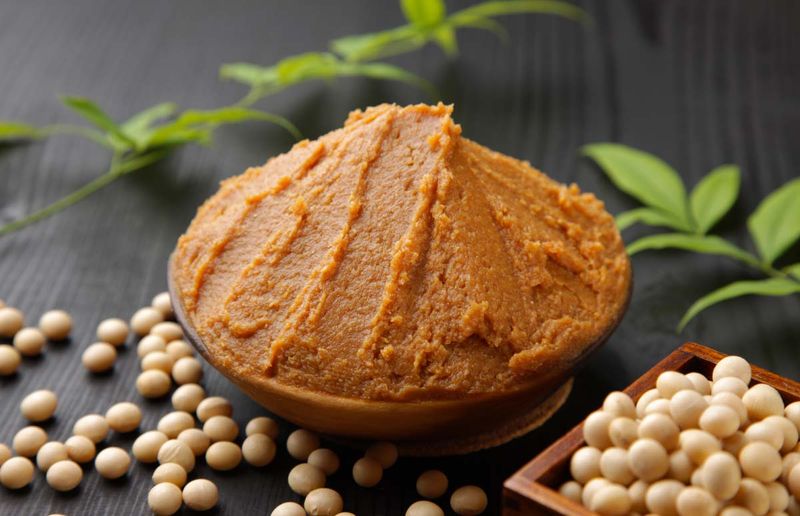
This Japanese paste might look humble, but it packs an umami punch that elevates everything it touches. Made from fermented soybeans, barley, or rice mixed with koji (a special fungus), miso develops deep, savoury flavours over months or even years.
It's loaded with probiotics, copper, manganese, and vitamin K, all essential for digestive health and strong bones. The fermentation breaks down proteins into easily digestible amino acids, making nutrients more accessible.
Stir it into soups, use it as a marinade, or whisk it into salad dressings for an instant flavour boost that nourishes your gut microbiome.
6. Tempeh
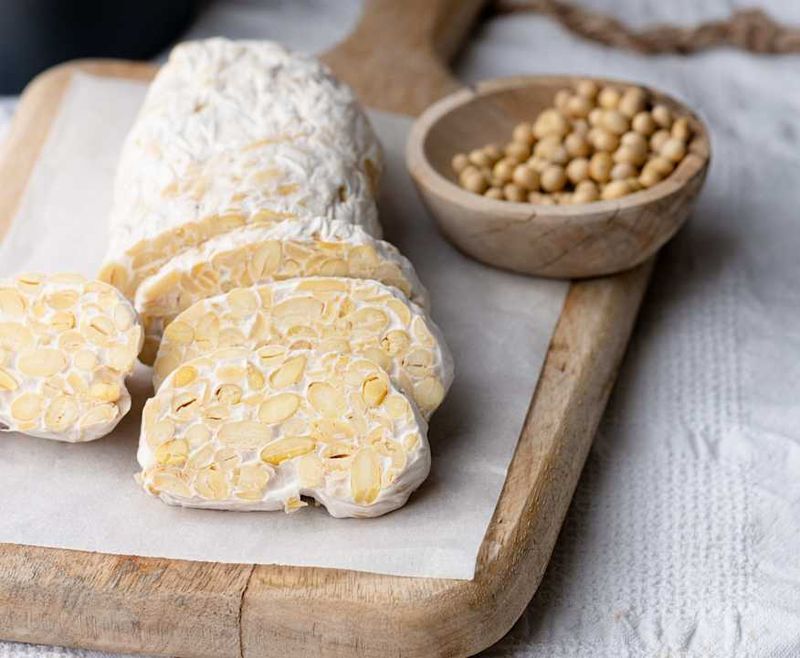
Indonesia gave the world this brilliant soybean creation that's become a vegetarian favourite worldwide. Whole soybeans get fermented with a special culture, binding them into firm, nutty cakes with a texture that holds up beautifully in cooking.
Tempeh is a protein powerhouse, delivering all nine essential amino acids plus loads of fibre and vitamin B2. The fermentation makes the soybeans easier to digest whilst increasing nutrient absorption.
Slice it, marinate it, grill it, or crumble it into dishes for a satisfying bite that supports muscle health and keeps your digestive system happy with its probiotic goodness.
7. Natto
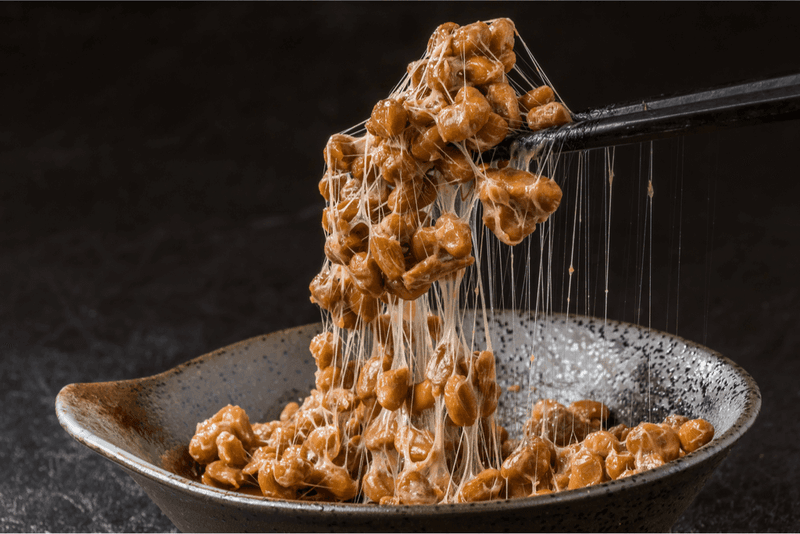
Right, natto is definitely an acquired taste, but hear me out. These sticky, stringy fermented soybeans from Japan have a pungent smell and slimy texture that might put off newcomers, yet they're absolutely brilliant nutritionally.
Loaded with vitamin K2, probiotics, and protein, natto supports bone density and cardiovascular health like few other foods can. The unique enzyme nattokinase, produced during fermentation, has been studied for its potential heart benefits.
Traditional Japanese breakfast often includes natto stirred vigorously and served over rice, delivering a serious nutritional wallop that's worth getting past the initial strangeness for your health's sake.
8. Kombucha

This fizzy fermented tea has gone from hipster health shops to mainstream supermarkets, and for good reason. Made by introducing a SCOBY (symbiotic culture of bacteria and yeast) to sweetened tea, kombucha develops a tangy, slightly effervescent character.
It's packed with B vitamins, beneficial enzymes, and organic acids that support digestion and provide antioxidants. The fermentation creates probiotics that help maintain a healthy gut environment.
With endless flavour possibilities from added fruits and herbs, kombucha offers a refreshing way to hydrate whilst giving your digestive system some love, making it a brilliant alternative to sugary fizzy drinks.
9. Naturally Fermented Pickled Cucumbers
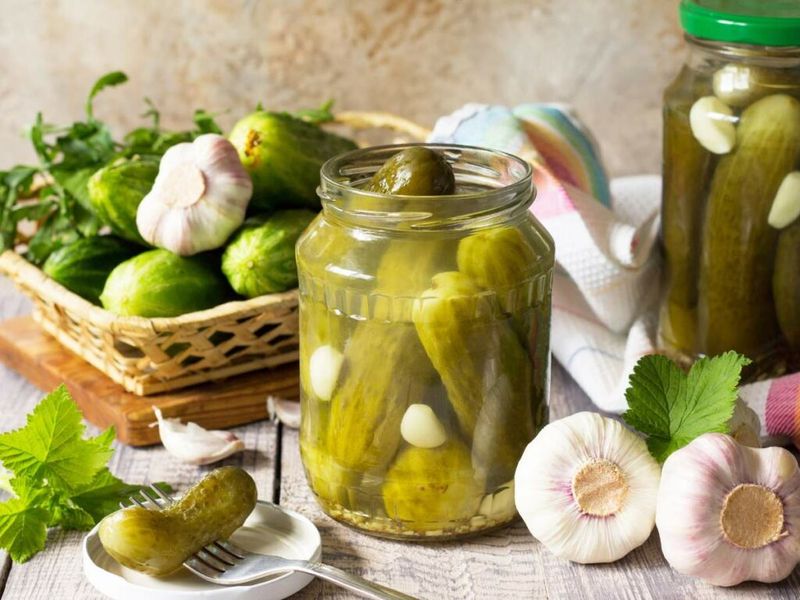
Forget those vinegar-based imposters in the supermarket; proper fermented pickles are where the magic happens. When cucumbers sit in a salty brine, natural bacteria transform them into crunchy, tangy delights without any vinegar needed.
These traditional pickles deliver probiotics, vitamin K, and antioxidants whilst staying wonderfully low in calories. The fermentation process preserves beneficial enzymes and creates new vitamins that weren't present in fresh cucumbers.
Crisp, sour, and deeply satisfying, naturally fermented pickles make a brilliant snack or sandwich addition that supports your gut health with every satisfying crunch you take.
10. Sourdough Bread

There's something almost magical about sourdough, where wild yeast and bacteria create bread with complex flavour and impressive digestibility. The long fermentation process breaks down gluten and phytic acid, making nutrients more available and the bread easier on sensitive tummies.
Sourdough has a lower glycaemic index than regular bread, meaning it won't spike your blood sugar as dramatically. It also contains beneficial organic acids and some probiotics, though baking reduces their numbers.
With its tangy taste, chewy texture, and superior keeping qualities, sourdough proves that patience in bread-making delivers nutritional rewards alongside absolutely cracking flavour.