



Eating habits in the UK often reflect long standing routines, regional traditions, and practical influences that may feel unfamiliar to visitors experiencing them for the first time.
From the timing of meals to the way certain foods are paired or served, these everyday customs have developed gradually rather than by design.
What seems unusual at first often makes more sense when viewed through the lens of local history, climate, and social habits. Exploring these differences offers helpful context for travellers and anyone interested in how food culture shapes daily life.
This article is for general informational purposes only. Eating customs and personal preferences vary widely between households, regions, and individuals.
Observations reflect general trends rather than universal practices. Photos are for illustrative purposes only.
Mealtime Timing And Early Dinners
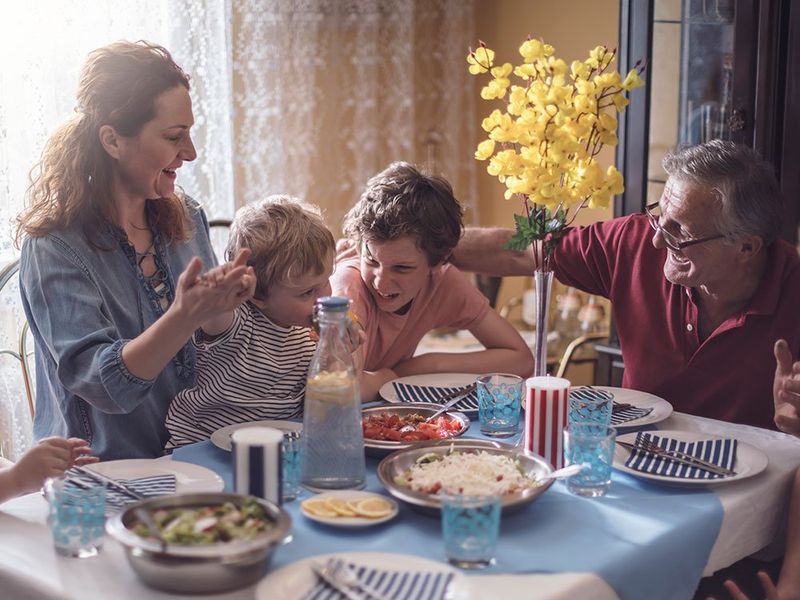
Walk into a British home at 5:30 pm and you might catch the family already tucking into their evening meal. Dinner, or tea as many call it, often happens much earlier than in other countries, especially in households with children.
This tradition stems from Britain's industrial past, when workers needed hearty meals after long factory shifts. Today, it persists because early dinners suit school schedules and bedtime routines.
Visitors expecting a fashionably late 8 pm meal might find restaurants quieter later on. Embracing the earlier schedule means you can enjoy pudding and still have time for an evening stroll.
The Popularity Of Sandwich Based Lunches
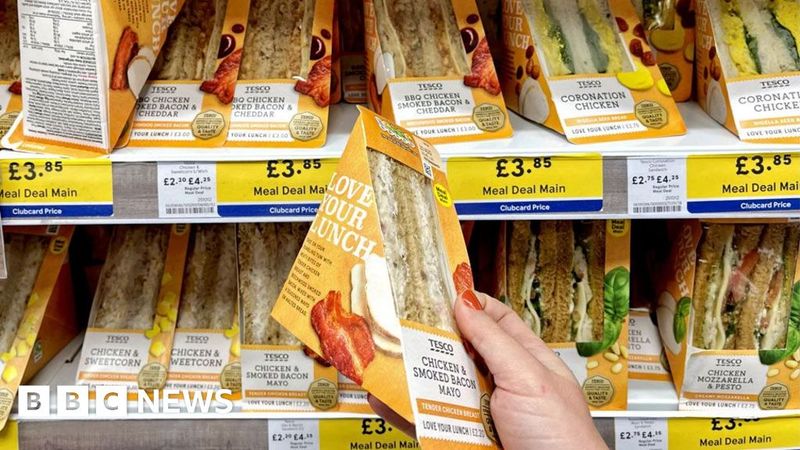
Sandwiches reign supreme at British lunchtime. From corner shops to posh supermarkets, chilled sandwich aisles stretch for metres, offering everything from egg and cress to prawn mayo.
Unlike hot midday meals common elsewhere, Brits have embraced the portable, no-fuss sandwich for packed lunches and meal deals. It's practical for busy workdays and fits perfectly with Britain's grab-and-go culture.
The variety is staggering – you'll find coronation chicken, cheese and pickle, even crisp sandwiches (yes, crisps inside bread). This obsession might baffle visitors used to warm, sit-down lunches, but it's deeply embedded in British daily life.
Sweet And Savoury Flavours On The Same Plate
Picture this: a full English breakfast with bacon, eggs, sausages, and baked beans – then someone drizzles it all with golden syrup or adds jam to their toast alongside the bacon. Confused?
You're not alone.
Brits happily mix sweet and savoury in ways that surprise visitors. Think pork pies with chutney, sausages with apple sauce, or even cheese with fruit cake.
This crossover reflects British comfort food traditions where contrasting flavours balance richness. Once you try it, the combination often makes sense – the sweetness cuts through fatty or salty elements beautifully.
Keep an open mind and your taste buds might just convert.
Tea Culture And Everyday Food Rituals
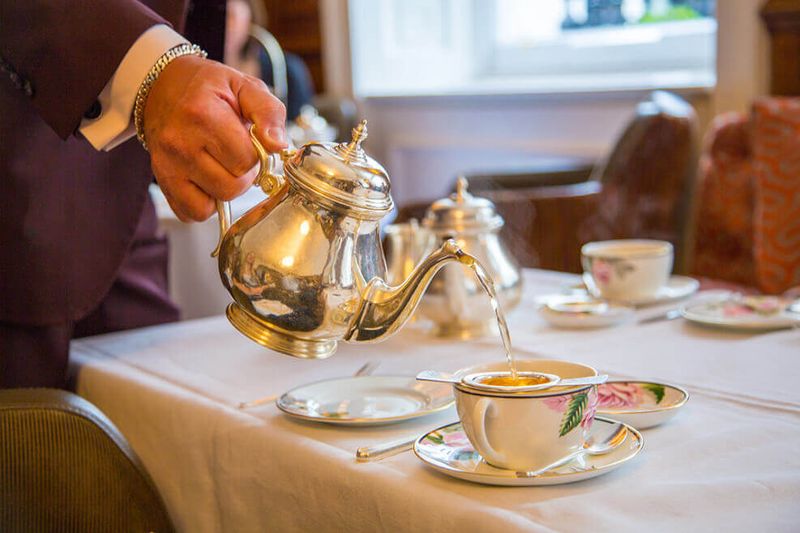
Tea isn't just a drink in Britain – it's a national institution with its own rituals and unspoken rules. Morning tea, elevenses, afternoon tea, and evening tea punctuate the day like clockwork.
Each occasion comes with its own customs: biscuits for dunking, milk added at specific moments (a debate that's practically a blood sport), and proper brewing time.
Visitors often underestimate how seriously Brits take their cuppa. Offering tea is a gesture of hospitality, comfort, and connection.
Declining might seem odd, and making it wrong could raise eyebrows. Embrace the ritual and you'll unlock a key part of British culture.
Portion Sizes And Shared Eating Customs
British portion sizes often surprise visitors expecting American-style supersizing or Mediterranean-style sharing platters. Meals tend towards moderate, individual servings rather than communal feasting.
Restaurants typically serve one plate per person, with sharing considered slightly unusual outside specific cuisines. Sunday roasts are an exception, where platters might circulate, but even then, portions are pre-divided.
This reflects British dining etiquette favouring personal space and defined servings. Splitting mains or picking from someone else's plate isn't common practice.
Understanding this helps avoid awkward moments when you reach for your mate's chips and get a surprised look in return.