








Not all foods are created equal, even when they look almost identical on the shelf. Small differences in sourcing, freshness, and processing can quietly shape flavour, texture, and how satisfying a dish feels.
Once you start noticing those details, everyday cooking becomes a lot more rewarding and far less predictable. A closer look can turn simple shopping choices into surprisingly smart upgrades for your kitchen routine.
This article provides general information about food quality and consumer awareness rather than product recommendations or professional guidance. Availability, sourcing standards, and quality indicators may vary by region, season, and retailer. Readers should always check labels, storage guidance, and supplier information when making purchasing decisions.
1. Extra Mature Cheddar
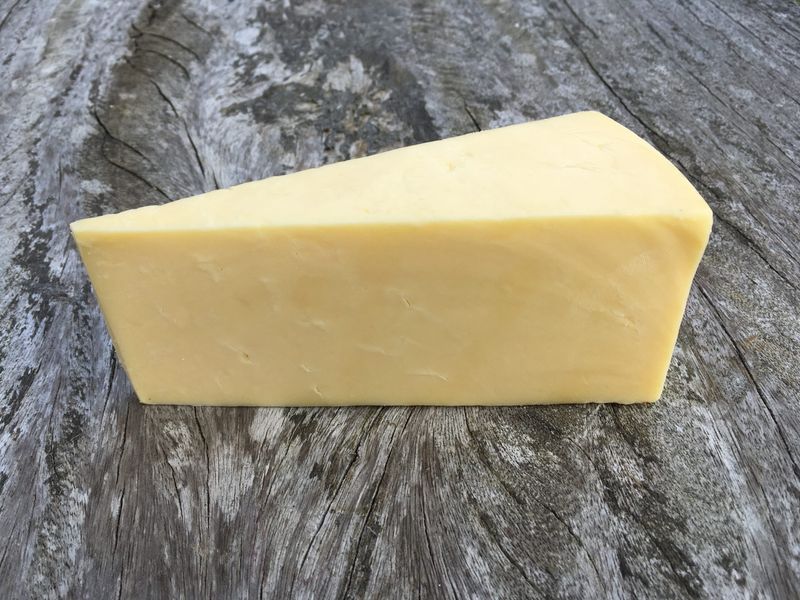
Mass-produced cheddar can taste rubbery and one-dimensional, but properly aged extra mature cheddar offers deep, complex flavours with delightful crystal crunch. Traditional cheesemakers use better milk and longer ageing processes, which develop richer taste profiles.
Quality cheddar melts beautifully and adds proper character to sandwiches, making every bite memorable instead of forgettable.
2. Olive Oil
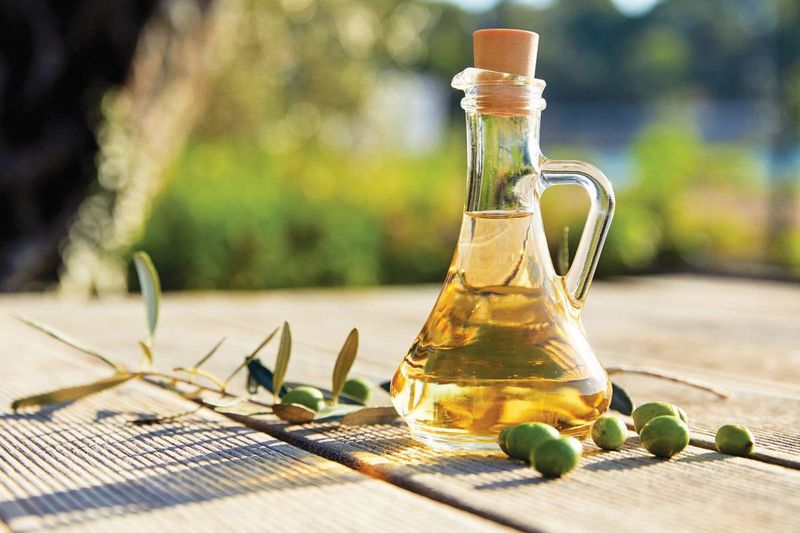
Cheap olive oil often tastes bitter or bland, whilst premium extra virgin varieties burst with fruity, peppery flavours that elevate any dish. Quality matters because lower-grade oils can be mixed with refined versions or even other oils entirely, losing health benefits.
Look for dark bottles and harvest dates to ensure freshness and maximum antioxidants for your body.
3. Eggs
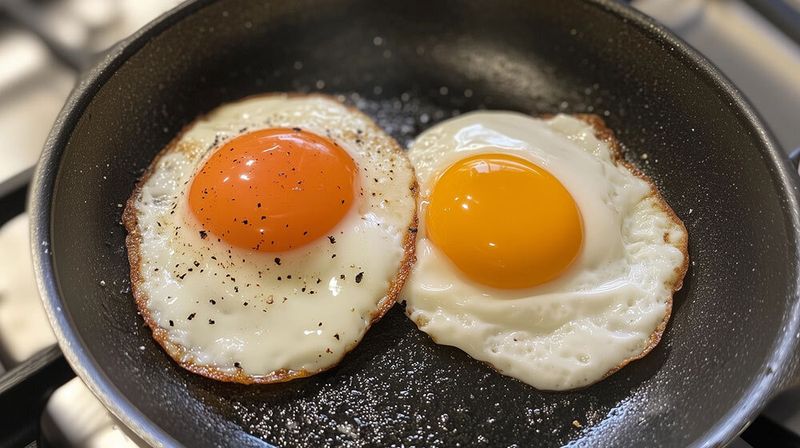
Free-range or organic eggs often have brighter yolks, firmer whites, and a flavour many people find richer than standard supermarket options.
Hens with outdoor access typically enjoy more natural movement and varied environments, which can influence overall egg quality and freshness.
Stronger shells and thicker whites usually make cracking and cooking far more satisfying in the kitchen.
Fresh eggs also hold their shape better in frying and poaching, giving you neater results on the plate.
Even simple breakfasts feel more enjoyable when the ingredients start with better quality basics.
4. Butter
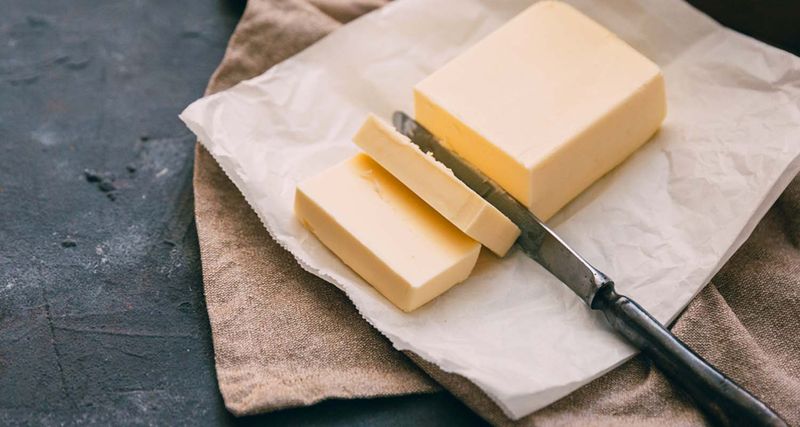
Real butter from grass-fed cows has a golden hue and sweet, creamy flavour that margarine or cheap butter simply cannot match. Higher-quality butter contains more beneficial fatty acids and fat-soluble vitamins like A and K2.
When baking, premium butter creates flakier pastries and richer cakes, whilst on toast it melts into pure heaven rather than greasy disappointment.
5. Honey
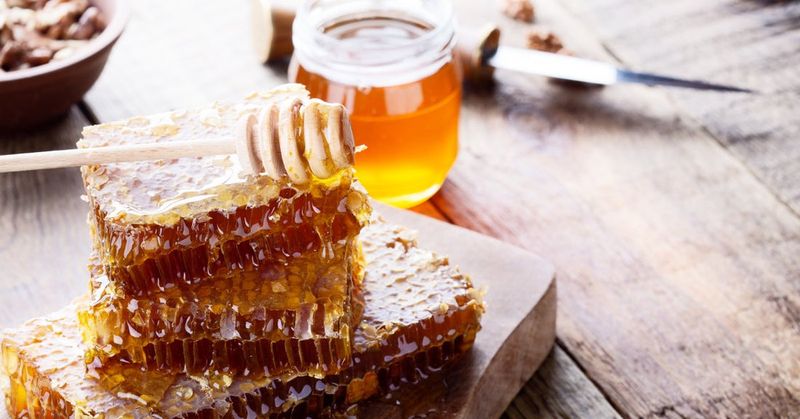
Supermarket honey is often heavily filtered and blended, which can reduce some of its natural character and flavour complexity.
Raw or minimally processed honey keeps more of its natural aroma, texture, and subtle floral notes that vary from jar to jar.
Natural crystallisation over time is perfectly normal and simply reflects the sugars present in real honey.
Gently warming a jar returns it to a smooth consistency without affecting its taste.
Choosing well-sourced honey adds depth to drinks, baking, and everyday recipes without needing anything fancy.
6. Coffee Beans
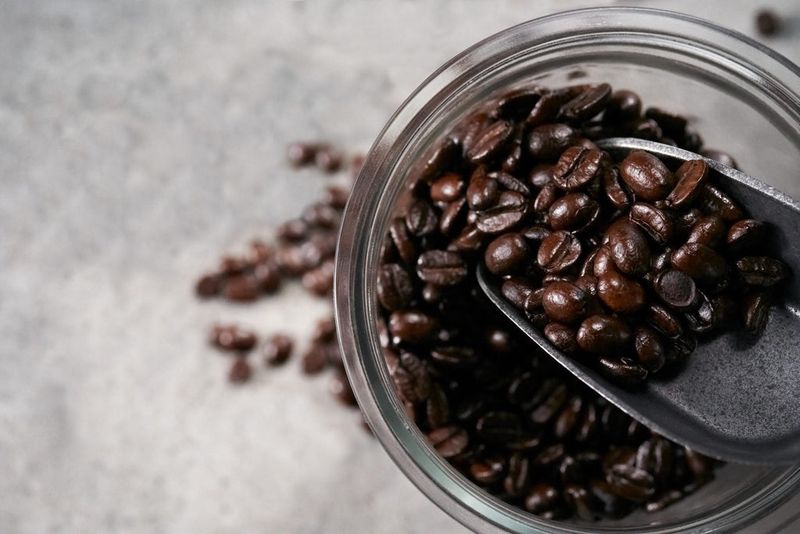
Stale, pre-ground coffee tastes flat and bitter, whilst freshly roasted whole beans deliver vibrant aromas and nuanced flavours from fruity to chocolatey. Quality beans come from single origins or carefully crafted blends, roasted in small batches to preserve oils and character.
Grinding just before brewing unlocks maximum freshness, transforming your morning cuppa into something truly special.
7. Chocolate
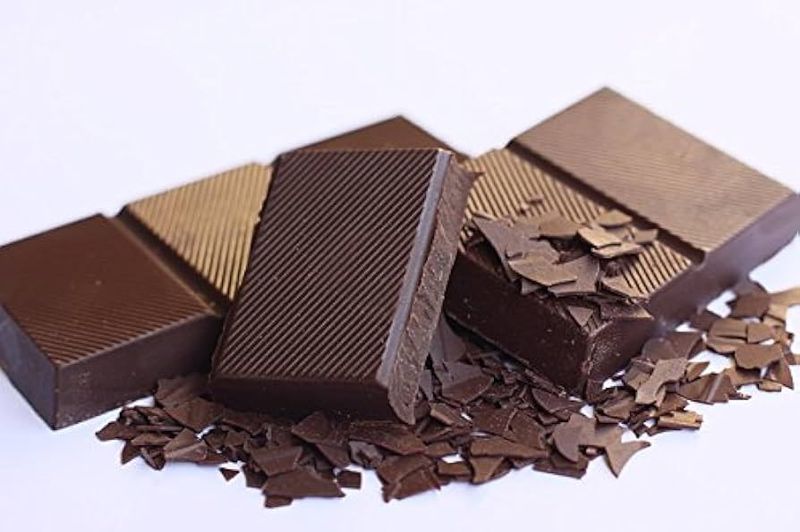
Cheap chocolate bars contain more sugar and vegetable fats than actual cocoa, leaving a waxy aftertaste. Premium chocolate uses higher cocoa percentages and real cocoa butter, creating smooth texture and complex flavour notes.
Ethical sourcing matters too - quality brands support sustainable farming, ensuring farmers receive fair wages whilst you enjoy genuinely delicious chocolate that melts beautifully on your tongue.
8. Tomatoes
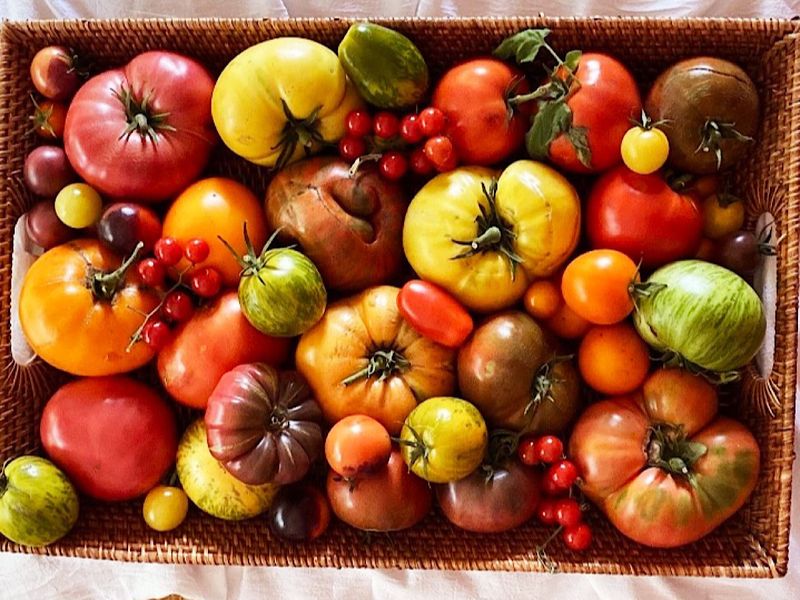
Supermarket tomatoes often taste like crunchy water because they're picked unripe and chilled, destroying flavour compounds. Vine-ripened or heirloom varieties burst with sweet-tart juiciness and proper tomato taste.
Quality tomatoes transform sauces, salads, and sandwiches from boring to brilliant, and they contain higher levels of lycopene, a powerful antioxidant that supports heart health and skin protection.
9. Strawberries
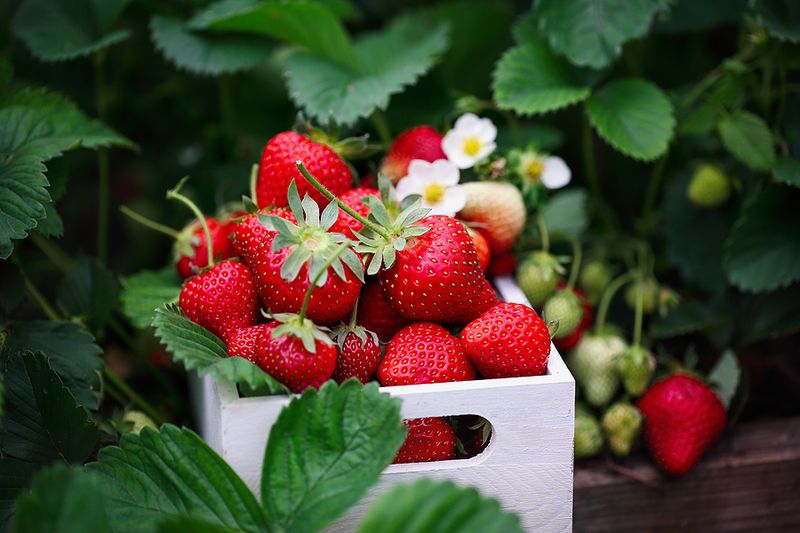
Conventional strawberries frequently top pesticide residue lists and taste disappointingly bland or sour. Organic or locally grown berries offer intense sweetness and perfumed aroma that reminds you what strawberries should actually taste like.
Quality berries are firmer, last longer in your fridge, and provide cleaner nutrition without chemical residues coating every delicious bite you take.
10. Mushrooms
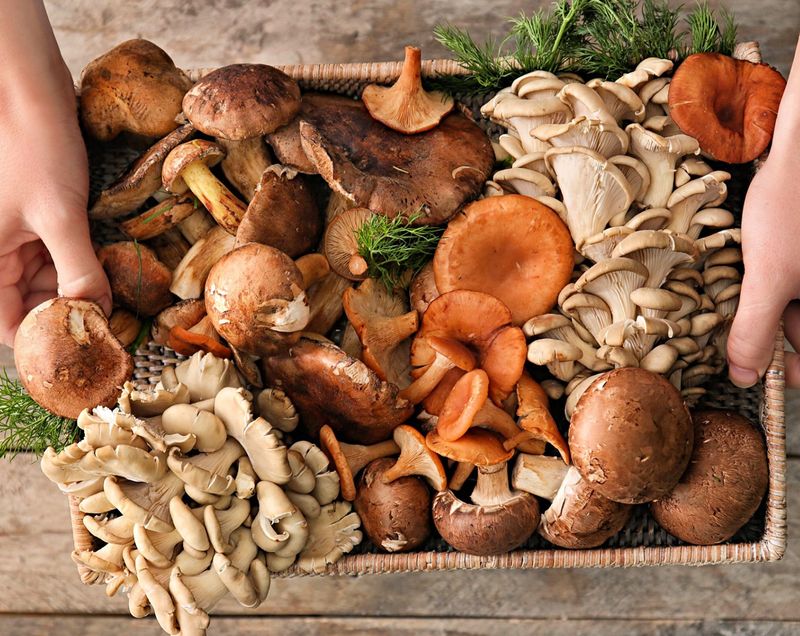
Mass-produced button mushrooms grow in industrial conditions and taste rather bland, whilst speciality varieties like shiitake, oyster, or portobello offer meaty textures and earthy, umami-rich flavours. Quality mushrooms from trusted growers or foraged sources contain more beneficial compounds.
Fresh, properly stored mushrooms stay firm and flavourful, adding proper depth to soups, stir-fries, and pasta dishes.
11. Leafy Greens
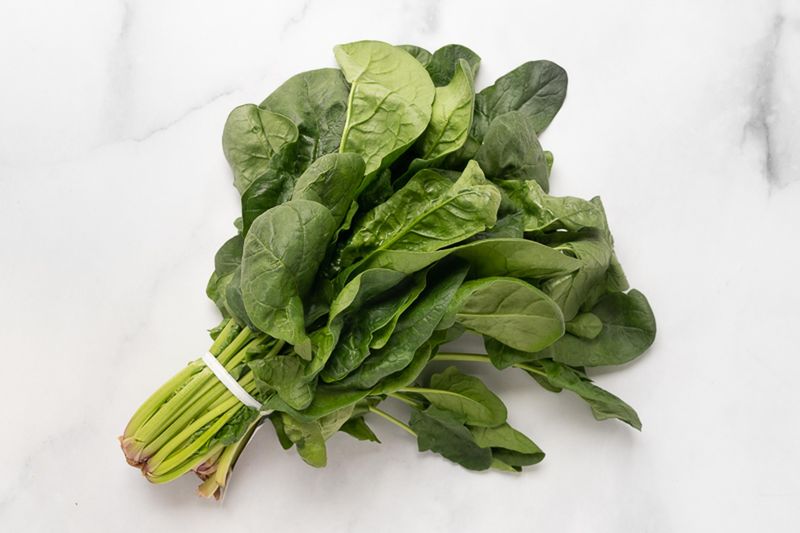
Pre-washed salad bags often contain limp, browning leaves that lost nutrients days ago during processing and transport. Freshly picked greens from farmers' markets or your garden taste crisp, sweet, and packed with vitamins.
Quality greens like organic kale, spinach, or rocket contain fewer pesticides and more phytonutrients, making your salads both safer and significantly more delicious.
12. Apples
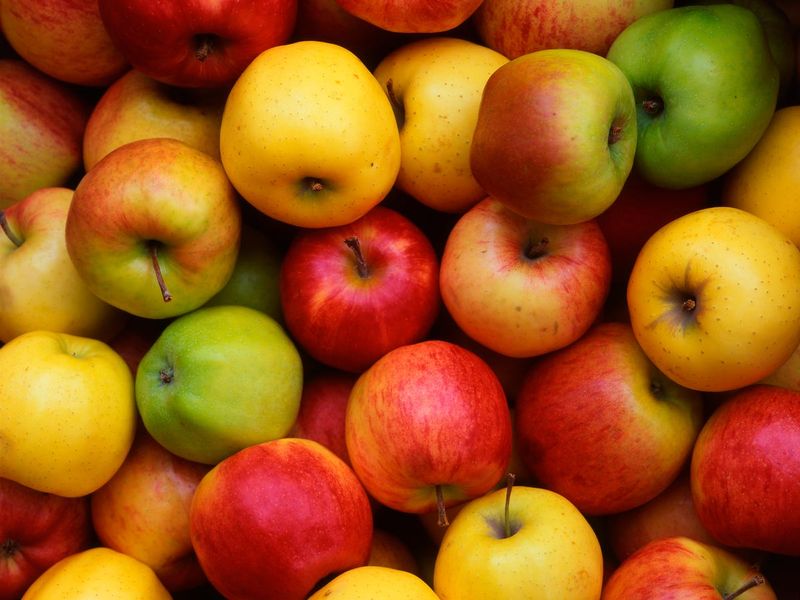
Commercial apples get waxed, stored for months, and taste mealy or bland compared to seasonal varieties from orchards. Heritage apples offer incredible diversity - some are tangy, others honey-sweet, each with unique texture and character.
Quality apples provide better crunch, more complex flavours, and higher antioxidant levels, especially when you choose organic to avoid pesticide residues on the skin.
13. Basmati Rice
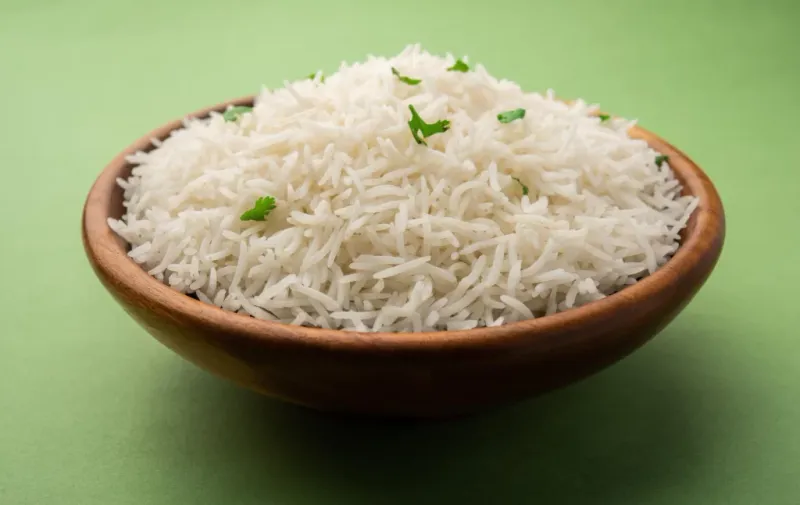
Cheap basmati often contains broken grains or other rice types mixed in, resulting in mushy, sticky texture instead of fluffy separate grains. Aged, premium basmati releases that distinctive nutty aroma and elongates beautifully when cooked.
Quality matters for texture and flavour - proper basmati transforms curry nights and pilafs from ordinary to restaurant-quality with minimal effort required from you.
14. Pasta
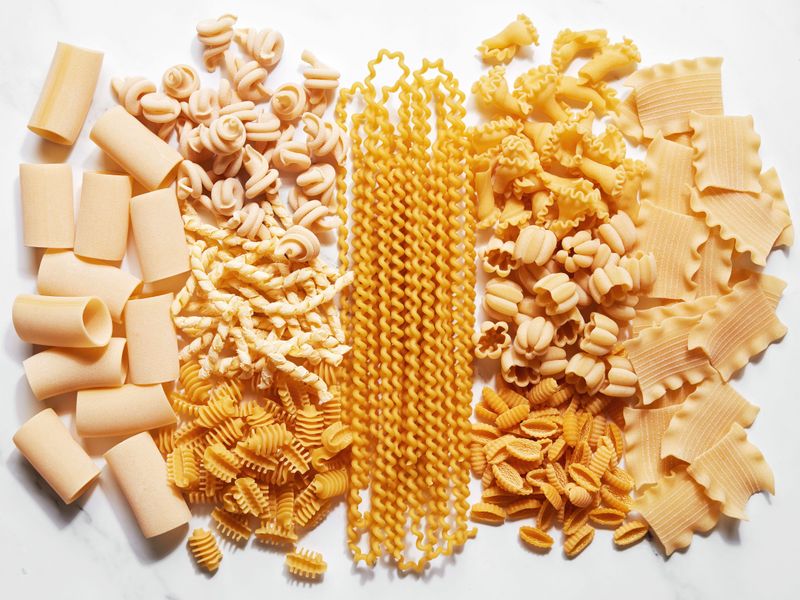
Mass-produced pasta uses lower-quality wheat and dries too quickly, creating a slippery texture that sauce slides right off. Artisan pasta made from bronze dies has rough surfaces that grab sauce perfectly.
Quality dried pasta from Italy or craft producers cooks more evenly, tastes wheaty and satisfying, and holds its shape beautifully, making every bowl of spaghetti absolutely worth it.
15. Yoghurt

Supermarket yoghurts often contain added sugars, thickeners, and artificial flavours masking poor-quality milk. Proper yoghurt lists just milk and live cultures, offering tangy flavour and creamy texture naturally.
Quality yoghurt provides billions of beneficial probiotics for gut health, whilst full-fat versions from grass-fed milk deliver superior taste and keep you satisfied longer than watery, sweetened alternatives.
16. Bread
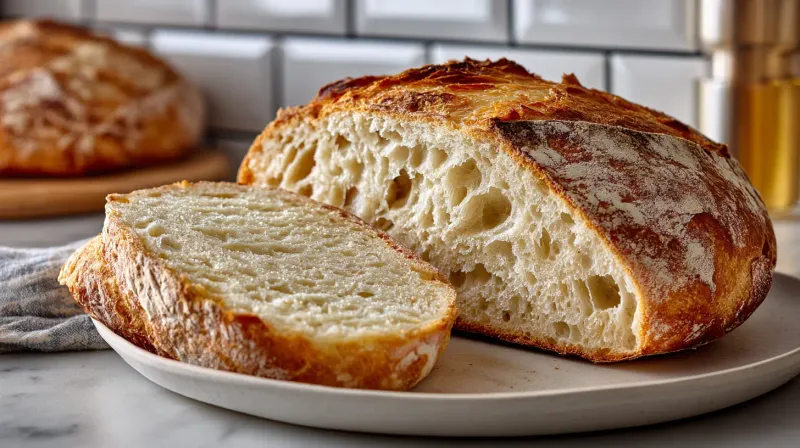
Factory bread contains additives, preservatives, and cheap flour, resulting in spongy texture that tastes like cotton wool. Sourdough or bakery bread uses traditional methods, quality flour, and natural fermentation for complex flavour.
Proper bread has crispy crust, chewy crumb, and keeps you fuller longer thanks to better ingredients and slower digestion, making sandwiches and toast genuinely satisfying.