







Bananas seem like the ultimate dependable food, always waiting in the fruit bowl and ready for a quick snack. Yet their journey from tropical plantations to supermarket shelves is packed with twists, challenges, and a few unexpected plot turns.
The story stretches across trade routes, changing tastes, and the delicate balance of growing the same fruit at a massive scale. Dig a little deeper and the humble banana suddenly becomes far more fascinating than it first appears.
All information is provided for general interest only. Availability, growing conditions, and varieties may vary by region and season.
How Bananas Became A Global Staple Food
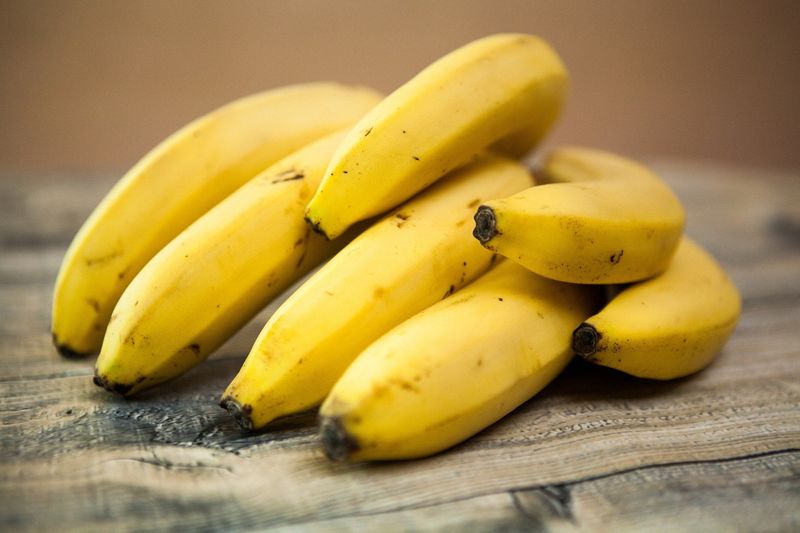
Bananas originated in Southeast Asia thousands of years ago, where local communities first discovered their delicious taste and nutritional value. Traders and explorers carried banana plants across oceans, introducing them to Africa, the Caribbean, and Central America.
By the late 1800s, shipping companies developed refrigerated transport, making it possible to deliver fresh bananas to Europe and North America. This revolutionised the fruit industry and turned bananas into an affordable, everyday snack enjoyed worldwide.
The Rise And Fall Of Popular Banana Varieties
Before the nineteen fifties, a variety called Gros Michel dominated the global banana trade and filled shops with its rich flavour and sturdy shape. Shoppers loved how well it travelled and how consistently sweet it tasted, making it a favourite for exporters and retailers alike.
A fungal disease known as Panama disease then swept through many major plantations, severely damaging large-scale production. Growers had little choice but to look for a more resistant option to keep the industry running smoothly.
That shift led to the rise of the Cavendish banana, which now fills most supermarket shelves.
Why Most Supermarket Bananas Taste So Similar Today
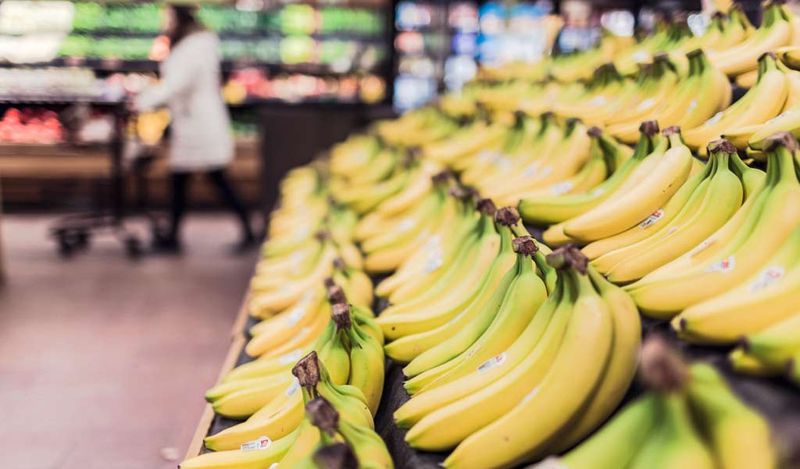
Walk into any supermarket, and you'll notice that bananas look and taste remarkably alike. That's because nearly every banana sold commercially is a Cavendish clone, grown from cuttings rather than seeds.
Without genetic diversity, all these bananas share identical DNA, creating uniform size, colour, and flavour. Whilst this consistency helps with packaging and shipping, it also means there's little variety for consumers.
The lack of genetic differences makes the entire crop vulnerable to diseases that could spread rapidly.
Plant Health Challenges Facing Banana Crops Worldwide
A new strain of Panama disease, called Tropical Race 4 (TR4), is spreading across banana-growing regions and threatening the Cavendish variety. This soil-borne fungus attacks banana roots, preventing plants from absorbing water and nutrients.
Once TR4 infects a plantation, the land becomes unusable for banana cultivation for decades. Scientists and farmers are racing against time to contain the outbreak, but the disease has already reached Latin America, home to major banana exporters.
How Scientists Are Protecting Future Banana Harvests
Researchers around the world are working hard to protect commercial banana crops from ongoing disease threats, especially those affecting Cavendish plantations. Some teams use genetic engineering to develop plants that can better resist harmful fungi, whilst others search for naturally resilient wild banana varieties.
Gene-editing tools such as CRISPR allow scientists to strengthen plant defences without adding foreign DNA, which keeps the fruit closer to its original makeup. Seed banks also play a vital role by storing genetic material from a wide range of banana types to preserve long-term diversity.
Together, these efforts help keep future banana supplies stable and resilient.
What Sustainable Farming Means For Banana Production
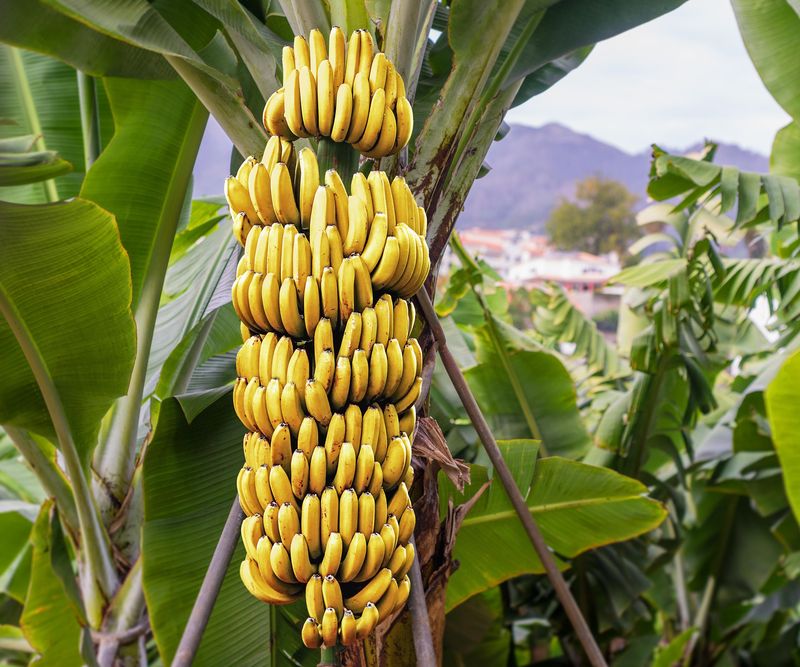
Traditional banana farming often relies heavily on chemical pesticides and fertilisers, which can harm soil health and local ecosystems. Sustainable practices focus on organic methods, crop rotation, and natural pest control to protect the environment.
Fair trade certification ensures farmers receive fair wages and work in safe conditions, improving lives in banana-growing communities. By choosing sustainably grown bananas, consumers support farming methods that preserve land for future generations whilst delivering quality fruit.
How Consumer Choices Influence The Banana Industry
Every banana purchase sends a message to producers about what matters to shoppers. When people buy fair trade or organic bananas, companies respond by investing more in ethical and sustainable farming.
Consumer demand for diverse banana varieties could encourage supermarkets to stock alternatives beyond Cavendish, promoting genetic diversity. Supporting local farmers' markets and asking questions about banana sourcing creates pressure for positive change.
Small choices at the checkout truly shape the future of this incredible fruit.