








One minute you’re calmly chopping an onion, the next your eyes are streaming as though something emotional just happened in the kitchen. It’s one of those everyday mysteries that feels oddly dramatic for such a simple vegetable.
Behind those watery eyes is a clever bit of chemistry, along with a few surprisingly easy ways to keep the tears at bay. Stay with it and you might finally enjoy onion prep without constantly blinking away the sting.
All information is provided for general interest only and should not be taken as medical or health advice. Individual sensitivities may vary, and anyone with ongoing eye irritation or allergies should seek professional guidance.
1. The Science Behind The Stinging Sensation
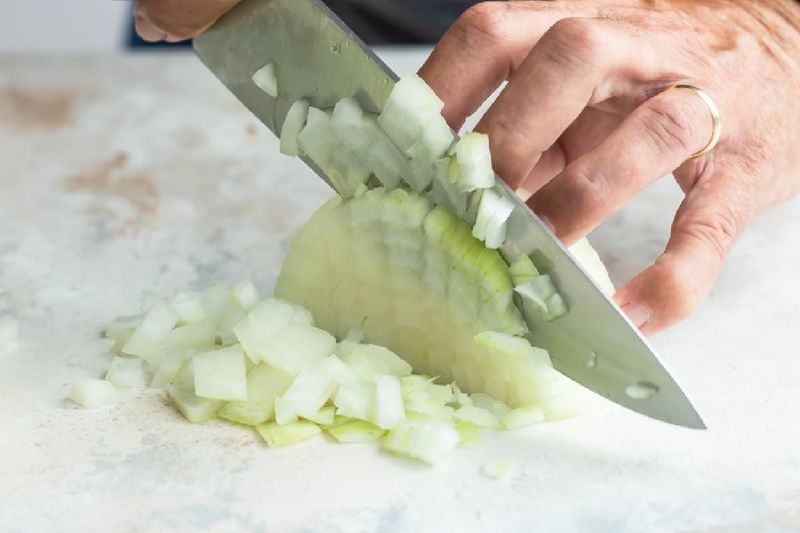
When you slice into an onion, you break its cells and release enzymes that react with sulphur compounds. This creates a gas called syn-propanethial-S-oxide, which floats up to your eyes.
Your eyes respond by producing tears to wash away the irritant. It's your body's natural defence mechanism kicking in to protect you from potential harm.
2. Why Some Onions Trigger Stronger Reactions Than Others
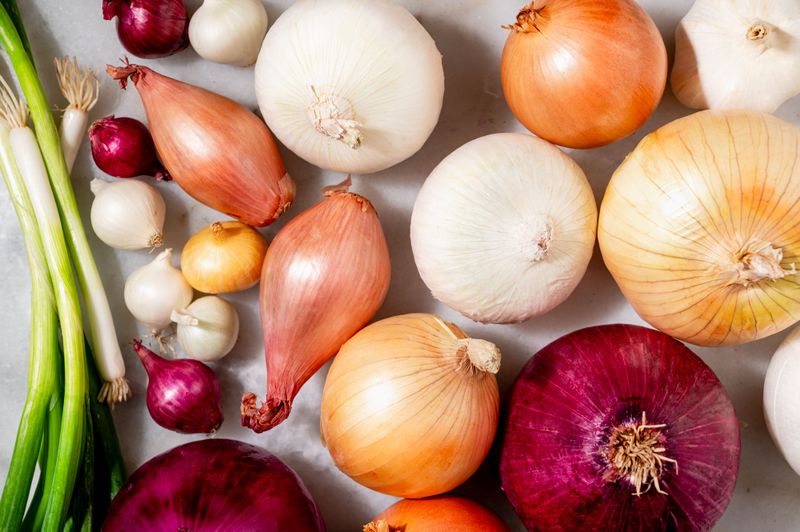
Not all onions hit your eyes with the same intensity, and variety plays a big role in how strong the reaction feels. Yellow onions are usually the most pungent, which explains why they tend to bring on the most tears during prep.
Sweet onions such as Vidalia or Walla Walla contain lower sulphur levels, making them noticeably gentler to cut. Red and white onions often sit somewhere in between, offering a balance of flavour and sharpness.
Growing conditions, soil quality, and harvest timing can also influence how powerful an onion’s aroma becomes.
3. How Cutting Techniques Affect Tear Production
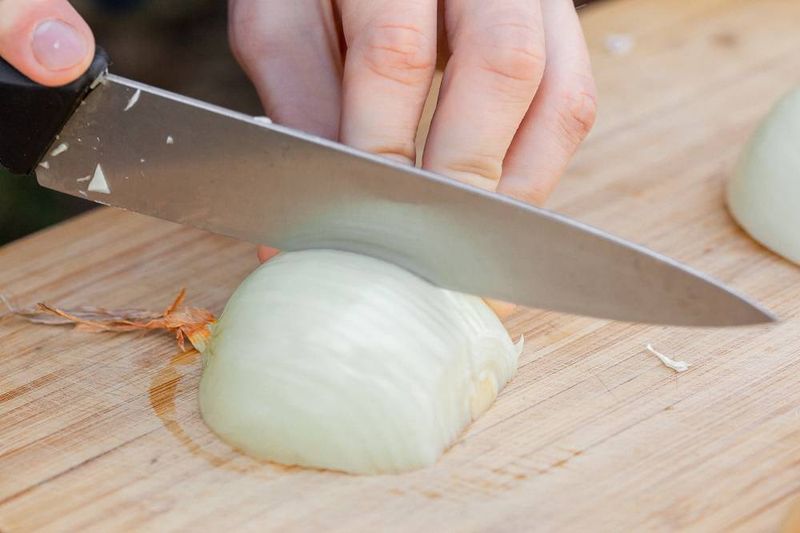
Using a sharp knife is one of the best ways to reduce tears. A dull blade crushes the onion cells, releasing more of those irritating gases into the air.
Cutting with smooth, clean strokes minimises cell damage. Some cooks also recommend leaving the root end intact as long as possible, since that's where the strongest enzymes concentrate.
4. Simple Kitchen Tricks That Actually Help Reduce Tears
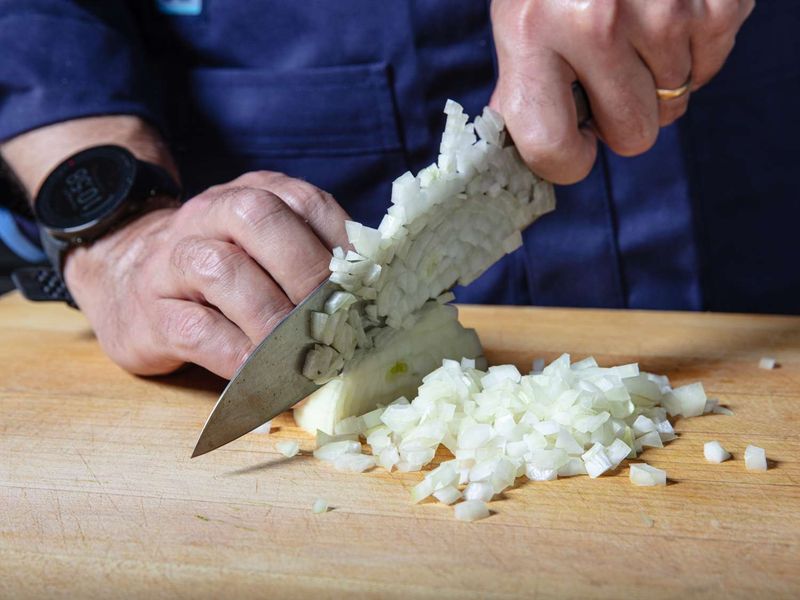
Good airflow is one of the most reliable ways to keep onion fumes away from your eyes. Cutting near an open window or using a small fan helps move the gas away before it has a chance to rise toward your face.
A sharp knife also makes a difference by limiting how much irritating compound is released in the first place. Taking steady breaks can give your eyes time to settle if the sting starts building up.
Simple adjustments like these tend to work far better than popular kitchen myths.
5. Does Chilling Or Rinsing Onions Really Work?
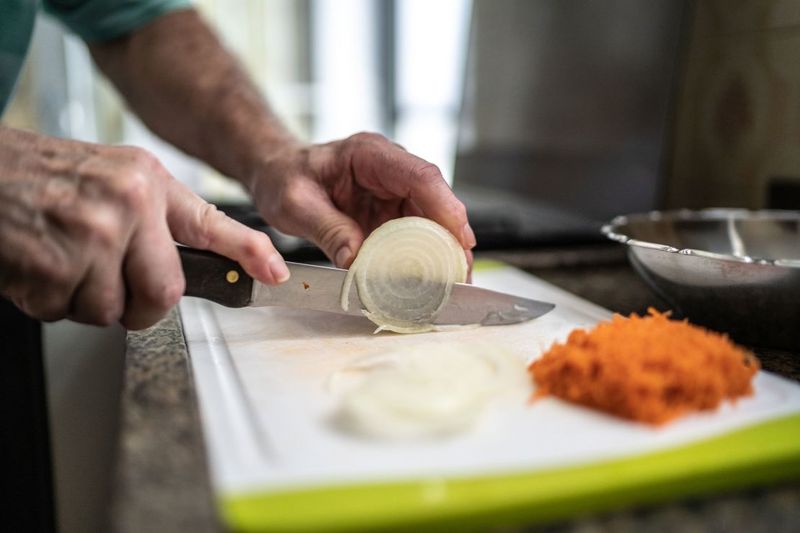
Refrigerating onions for about 30 minutes before cutting slows down the enzyme reactions that produce tear-inducing gas. Cold temperatures genuinely make a noticeable difference in reducing irritation.
Rinsing the onion under cold water after each few cuts can also wash away some of the compounds. Just be prepared for a slightly wetter cutting board and slippery onion pieces.
6. Choosing Milder Onion Varieties For Everyday Cooking
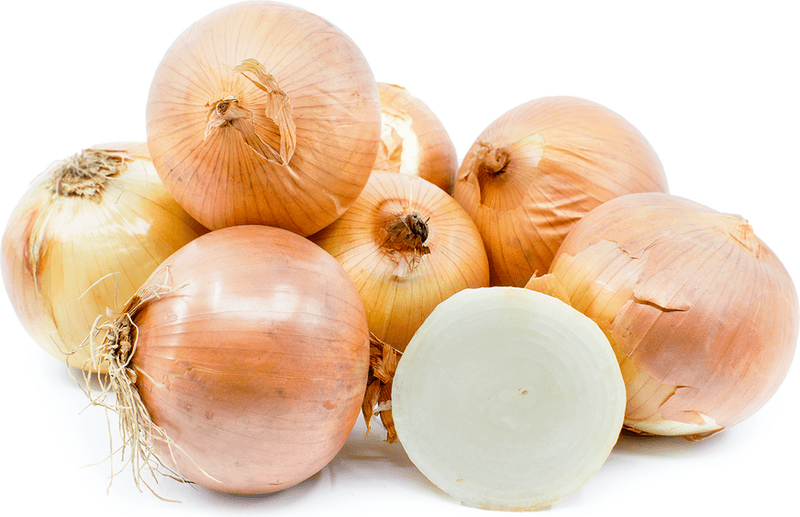
Sweet onions such as Vidalia, Walla Walla, or Maui varieties contain less sulphur and more natural sugars, making them much kinder to your eyes. They're perfect for salads, sandwiches, and lighter dishes.
Shallots and spring onions are also gentler alternatives. Whilst they won't eliminate tears entirely, they'll definitely make your chopping sessions more comfortable and pleasant.
7. Smart Storage Tips That Can Minimise Eye Irritation

Storing onions properly keeps them firm, flavourful, and ready to use when you need them. A cool, dry, well-ventilated spot away from direct sunlight helps slow spoilage and prevents mould from developing.
Avoid sealing onions in plastic bags, as trapped moisture can cause them to soften and deteriorate more quickly. A mesh bag, basket, or open container allows air to circulate and keeps the skins dry.
Whilst storage won’t change how strong an onion makes you tear up, it does make prep cleaner and more pleasant overall.