






Daily routines often shape how meals are planned, prepared, and shared across the week. On working days, time pressures and commuting schedules can influence quicker food choices and simpler preparation methods.
Weekends tend to allow more flexibility, creating space for longer cooking sessions, shared meals, and relaxed eating patterns. Looking at these differences offers useful insight into how habits, convenience, and social time influence everyday food routines in Britain.
All information is provided for general information only. Taste, appearance, and availability may vary.
Photos are for illustrative purposes only.
Meal Timing And Daily Structure Differences

Weekday breakfasts happen in a blur, usually somewhere between 6:30 and 8 AM, with most people wolfing down cereal or toast before dashing out the door. Lunch gets squeezed into a half-hour window around noon, often eaten at a desk or on the go.
Come the weekend, breakfast morphs into brunch territory, stretching anywhere from 9 AM to nearly midday. People actually sit down, read the paper, and savour their food instead of inhaling it.
Evening meals shift too. Weeknights see dinner on the table by 6 or 7 PM, but weekend suppers can drift towards 8 PM or later, especially if you've had a big Sunday roast for lunch and aren't feeling peckish until much later in the evening.
Cooking Time And Preparation Patterns
Most weeknight dinners get knocked out in under 30 minutes because nobody's got the energy for anything fancy after a full day at work. Quick pasta dishes, stir-fries, or oven chips with fish fingers dominate the weekday repertoire.
Weekends are when the proper cooking happens. Saturday mornings might see someone spending an hour making pancakes from scratch.
Sunday afternoons are sacred roast dinner time, with potatoes going in at 3 PM and the whole production taking a good two to three hours.
The difference is stark: weekday cooking is about survival and efficiency, whilst weekend cooking becomes a hobby or even a form of relaxation. People actually enjoy chopping veg and trying new recipes when they're not knackered from commuting.
Convenience Foods Versus Home Cooked Meals
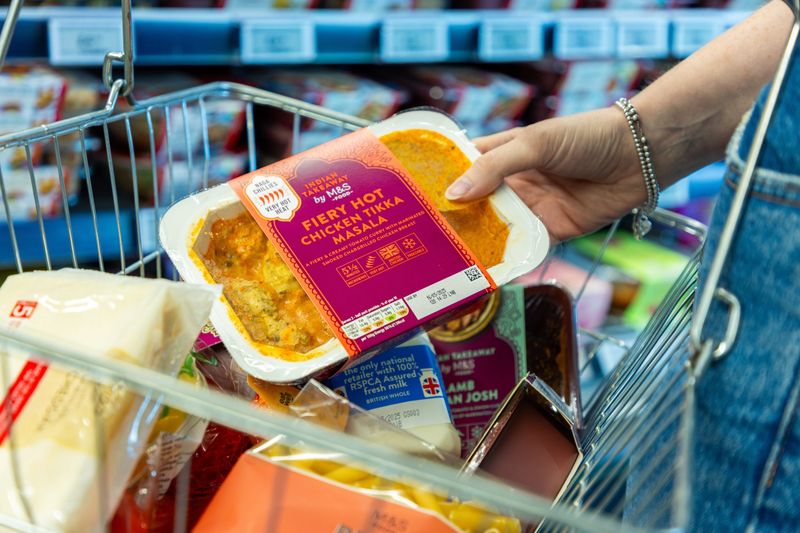
Ready meals and convenience foods absolutely rule the weekday kitchen. Supermarket shelves are packed with microwave curries, pre-made salads, and meal deals for a reason – they save precious time when you're shattered.
Sandwiches from Tesco or Pret become legitimate dinner options on particularly rough Tuesdays.
Weekends flip this script entirely. Saturday and Sunday see a dramatic increase in actual cooking from scratch, with fresh ingredients replacing plastic packaging.
The slow cooker comes out, bread gets baked, and vegetables are actually chopped rather than tipped from a bag.
It's not about being lazy during the week; it's simple reality. When you've got two free days, suddenly making a proper shepherd's pie or experimenting with a new curry recipe feels achievable rather than overwhelming.
Social And Family Dining Habits
Weekday meals are often solitary affairs or eaten in shifts. Kids might eat at 5:30 PM whilst parents grab something later after sorting homework and bedtime routines.
Plenty of people eat whilst scrolling through their phones or catching up on telly.
Weekends transform the dining table into an actual gathering spot. Sunday lunch especially becomes a proper family event, with everyone sitting down together, passing dishes around, and actually talking to each other.
It's when grandparents pop round and mates get invited for Saturday brunch.
The social aspect matters more than the food itself sometimes. Weekend meals stretch longer because there's no rush to get back to work emails or finish that presentation.
Conversation flows, second helpings happen, and nobody's checking the clock every five minutes.
Food Shopping And Weekly Planning Routines
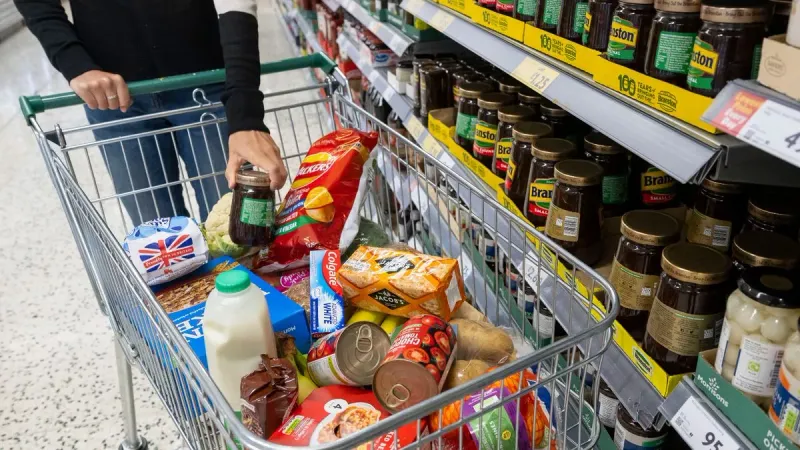
Weekday shopping happens in frantic bursts – quick dashes to the local Co-op after work to grab tonight's dinner ingredients or whatever you've run out of. Online delivery slots for Tuesday or Wednesday get snapped up by people who can't face the supermarket queue.
Saturday mornings are when the big shop happens. Families descend on Tesco or Sainsbury's with proper lists, filling trolleys with everything needed for the week ahead.
It's when you actually have time to compare prices, check what's on offer, and plan proper meals.
Meal planning follows the same pattern. Weekdays run on autopilot with the same rotation of easy dinners, whilst weekends allow for browsing recipe websites and trying something different.
Sunday evenings often involve prepping bits for the week ahead, like batch-cooking bolognese or chopping veg.