







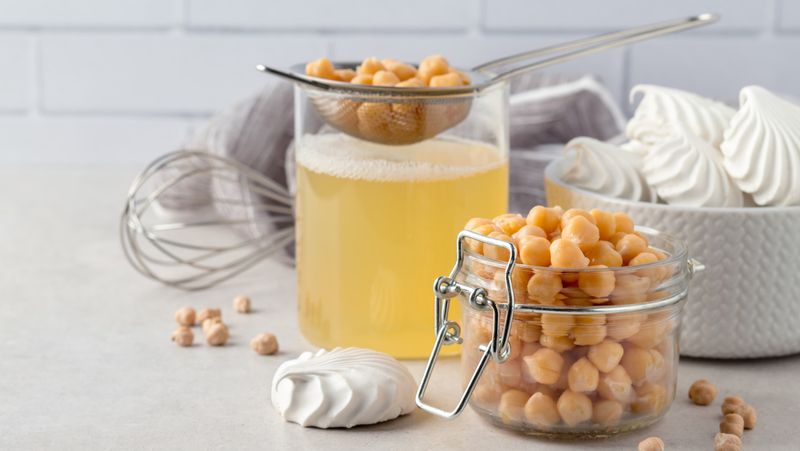
Aquafaba is the liquid found in cooked or tinned chickpeas and other legumes, which is increasingly being used as a functional ingredient in home cooking. Its natural starch and protein content allow it to behave in ways similar to egg whites, making it useful in a range of sweet and savoury recipes.
Many home cooks use aquafaba for whipping, binding, and emulsifying, particularly in plant based or egg free cooking. Understanding how aquafaba works and how it can be stored and measured helps make it easier to incorporate into everyday recipes.
All information is provided for general information only. Taste, appearance, and availability may vary.
Photos are for illustrative purposes only.
1. Where Aquafaba Comes From
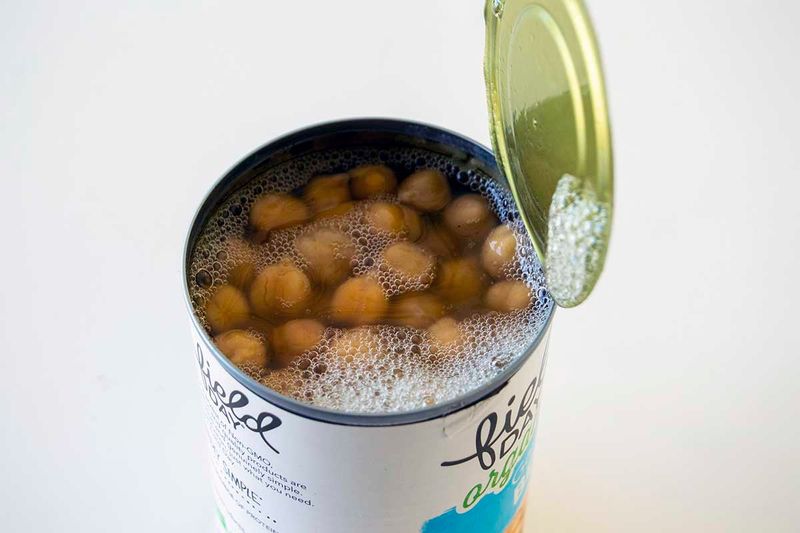
Aquafaba is simply the cooking liquid from legumes, most commonly chickpeas. When you open a tin of chickpeas or cook dried ones from scratch, that thick, slightly gloopy liquid is aquafaba.
The name itself is a mash-up of Latin words: aqua for water and faba for bean. It's not just chickpea-specific, though.
You can get aquafaba from other beans like white beans or black beans, but chickpea liquid tends to work best because of its neutral flavour and consistent texture.
2. How Aquafaba Is Collected And Stored
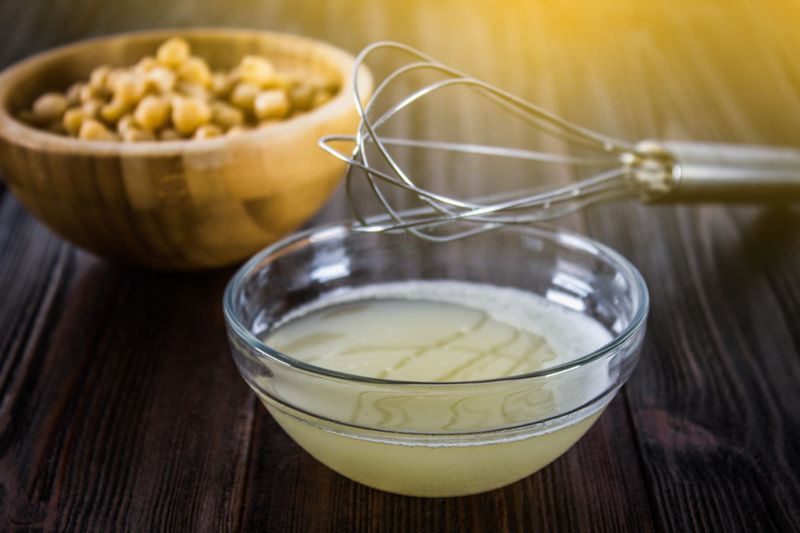
Collecting aquafaba couldn't be simpler. Just drain a tin of chickpeas into a bowl or jar, and you're sorted.
If you're cooking dried chickpeas, save the cooking water once they're tender.
Store it in an airtight container in the fridge for up to a week, or freeze it in ice cube trays for longer keeping. Each cube is roughly a tablespoon, making it dead easy to measure out later.
Always give it a good shake or stir before using, as it can settle a bit.
3. Basic Properties And Texture
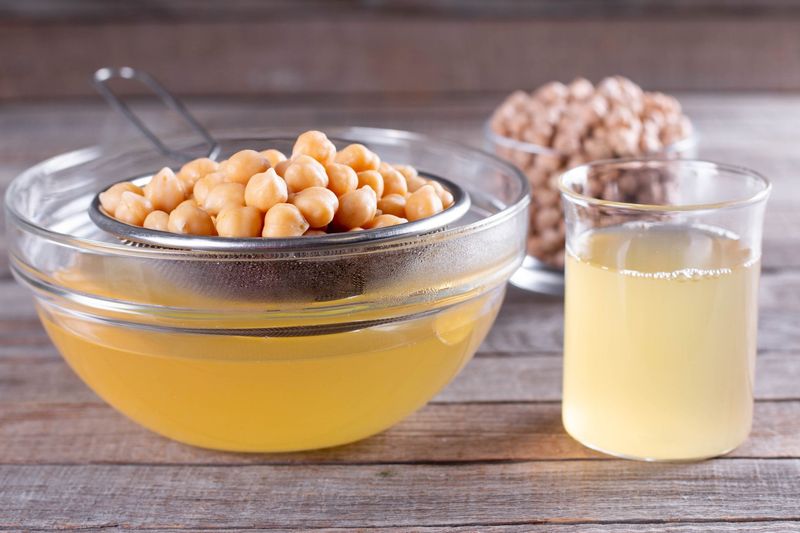
Aquafaba has a slightly thick, slippery consistency, somewhere between water and raw egg white. It's pale, almost translucent, and feels a touch slimy to the touch, which is actually a good thing for cooking.
This viscosity comes from starches, proteins, and other compounds released by the beans during cooking. It's these properties that allow aquafaba to trap air, bind ingredients, and emulsify fats, making it incredibly versatile.
The texture is key to its egg-mimicking magic, so don't worry if it feels a bit odd at first.
4. Why It Behaves Like Egg White
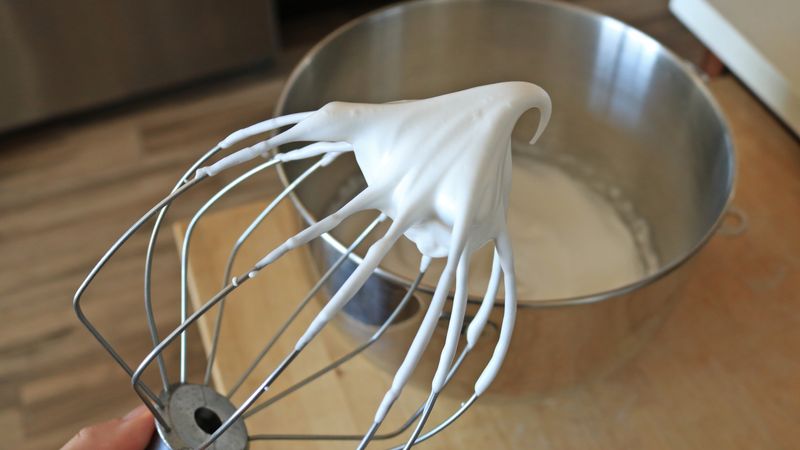
Aquafaba's egg white-like behaviour comes down to its protein and starch content. When you whip it, these proteins unfold and trap air bubbles, creating a stable foam just like beaten egg whites do.
The starches help stabilise the structure, preventing the foam from collapsing too quickly. It can also emulsify fats and water, which is why it works brilliantly in mayo and dressings.
Essentially, aquafaba has the functional properties of egg whites without any actual eggs, making it a game changer for plant-based cooking.
5. Whipping And Foaming Techniques
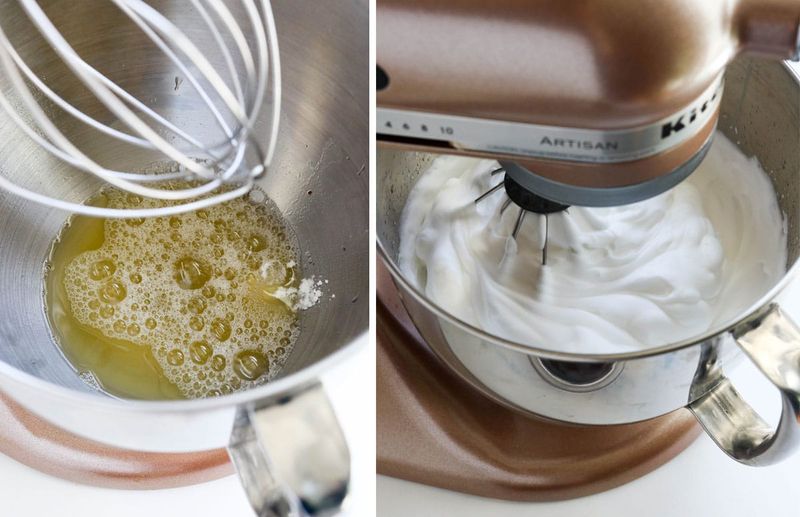
Getting aquafaba to whip properly takes a bit of patience, but it's not difficult. Use a stand mixer or hand mixer on medium to high speed, and expect it to take around five to ten minutes to reach stiff peaks.
Adding a pinch of cream of tartar or a squeeze of lemon juice helps stabilise the foam. Start slow to avoid splattering, then crank up the speed once it begins to froth.
The result should be glossy, stiff peaks that hold their shape beautifully, perfect for meringues or mousse.
6. Using Aquafaba As A Binder
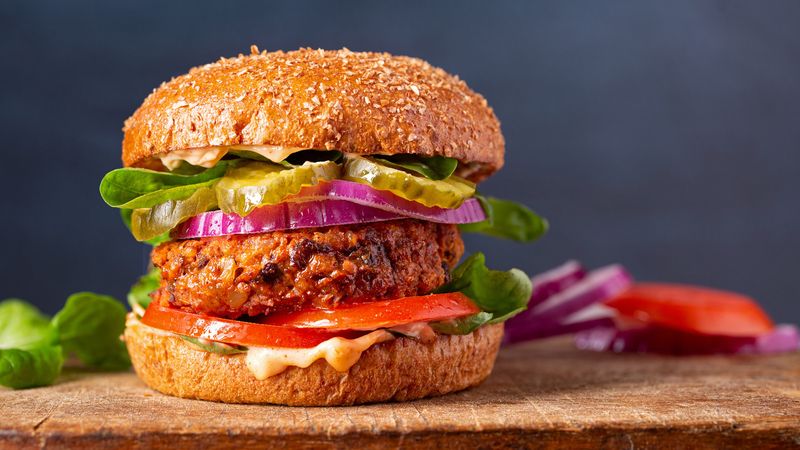
In savoury dishes, aquafaba acts as an excellent binder, holding ingredients together without eggs. Think veggie burgers, falafel, or meatless meatballs where you need everything to stick.
It works by coating the ingredients and creating a slightly sticky matrix that firms up when cooked. Use about three tablespoons per burger or patty, mixing it in with your other ingredients.
It won't add any flavour, so your seasonings shine through. It's a simple swap that makes plant-based cooking far less fiddly and much more reliable.
7. Baking Applications At Home
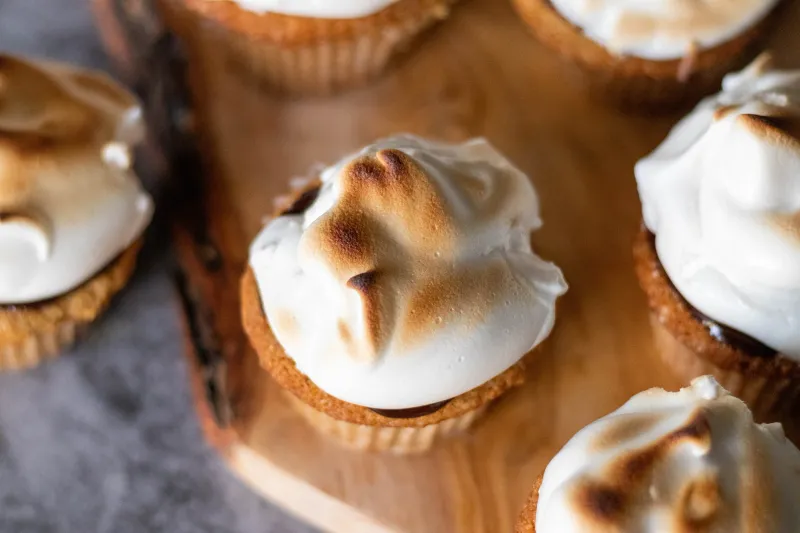
Aquafaba is a brilliant egg replacer in baking, working in cakes, brownies, cookies, and more. Three tablespoons of aquafaba replace one whole egg, or two tablespoons replace just the white.
It adds moisture and structure without changing the flavour of your bakes. It's especially good in recipes where you want a light, fluffy texture, like sponge cakes or muffins.
You can even use it to make vegan macarons and pavlovas, which require stiff, glossy meringue. Once baked, no one will guess there's bean water involved.
8. Sweet And Savoury Recipe Uses
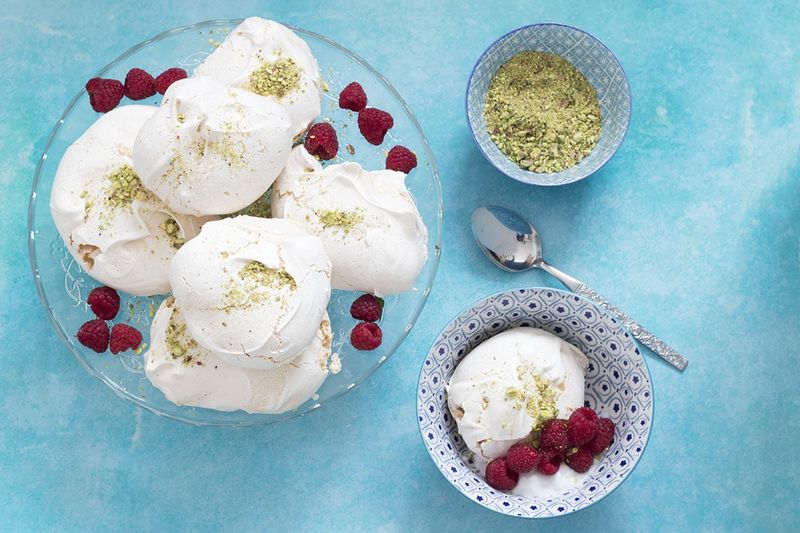
Beyond baking, aquafaba shines in both sweet and savoury recipes. Whip it into a dairy-free whipped cream for topping pies, or fold it into mousse for a light, airy dessert.
On the savoury side, use it to make vegan mayo, creamy salad dressings, or even frothy cocktails. It's also brilliant in fritters, tempura batter, and as a glaze for roasted vegetables.
The versatility is genuinely impressive, and once you start experimenting, you'll find new uses all the time. It's like having a secret ingredient that works everywhere.
9. Measuring And Substitution Ratios
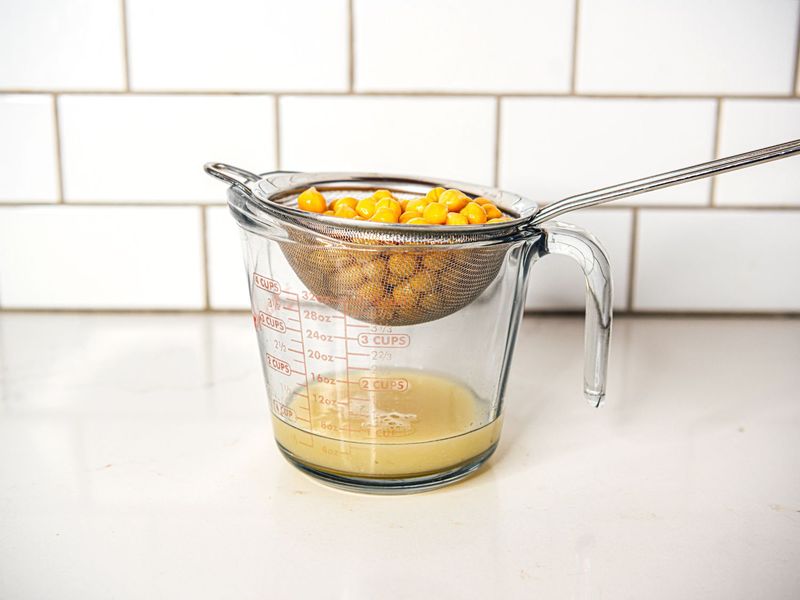
Getting the ratios right is key to successful aquafaba cooking. Three tablespoons of aquafaba replace one whole egg, two tablespoons replace one egg white, and one tablespoon works as an egg yolk substitute in some recipes.
If you're making meringues or whipped cream, you'll need around half a cup of liquid aquafaba to get a decent volume once whipped. Always measure by volume, not weight, and remember that homemade aquafaba from cooked chickpeas can be thinner, so you might need to reduce it slightly by simmering.
10. Flavour And Seasoning Considerations
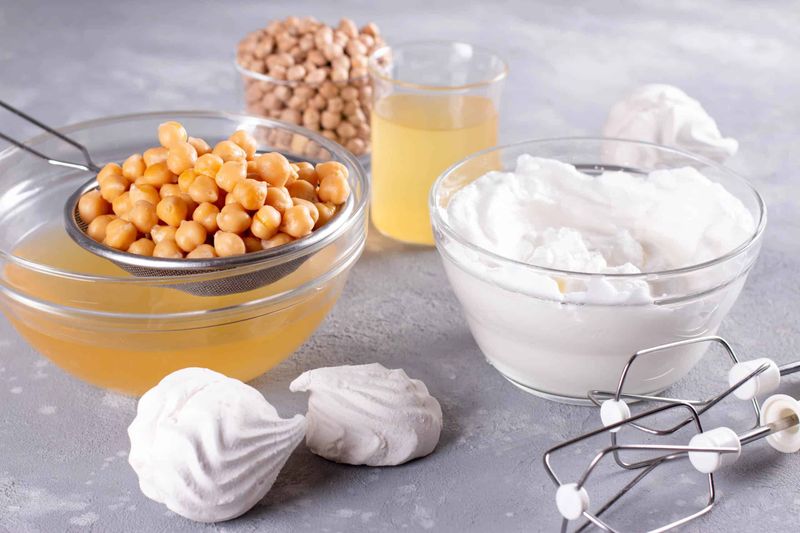
Aquafaba itself is pretty much flavourless, especially when it's from tinned chickpeas. That's a big advantage because it won't interfere with your recipe's intended taste.
However, if you've made your own from heavily seasoned or salted chickpeas, it might carry a hint of that flavour. Taste it before using, and adjust your recipe's salt or seasoning accordingly.
In sweet recipes, adding a touch of vanilla or sugar helps mask any residual beany notes, though they're usually undetectable. Overall, it's a neutral base that plays well with almost anything.
11. Common Mistakes To Avoid
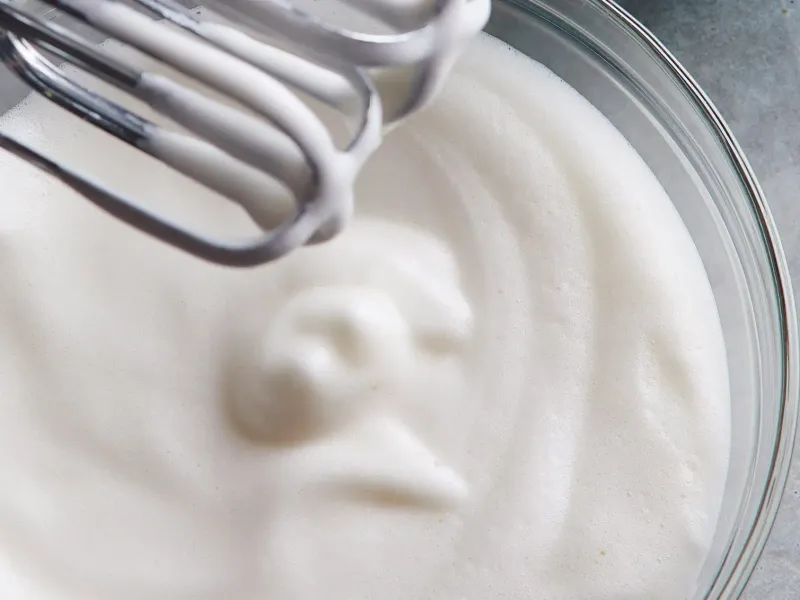
One common mistake is not whipping aquafaba long enough. It needs time to reach stiff peaks, so don't give up after a couple of minutes.
Another error is using aquafaba that's too thin; if it's watery, it won't whip properly or bind well. Make sure your bowl and beaters are completely clean and grease-free, as any fat will prevent it from foaming.
Also, avoid adding sugar too early when making meringues, as it can weigh down the foam. Patience and clean equipment are your best mates here.
12. Food Safety And Shelf Life
Aquafaba is generally safe to use straight from the tin or after cooking, as it's been heat-treated. Store it in the fridge in a sealed container for up to a week, or freeze it for several months.
If it starts to smell off or develops mould, toss it out. Because it's plant-based, it doesn't carry the same salmonella risks as raw eggs, which is a bonus.
Always label your containers with the date so you know how long it's been hanging about. Frozen aquafaba thaws quickly at room temperature, making it convenient for spontaneous baking.