







Okinawa, a group of islands in Japan, has often been noted in population studies for its high number of older adults living active lives into later years.
Researchers have examined a range of factors that may contribute to this pattern, including lifestyle, social habits, physical activity, and long standing dietary traditions.
The Okinawa diet typically features vegetables, whole foods, modest portion sizes, and simple preparation methods that reflect local food culture.
Exploring how these eating habits fit into broader health research helps provide useful context without drawing firm conclusions about individual outcomes.
All information is provided for general information only. Consult a qualified professional, doctor, or nutritionist for personalised advice.
Taste, appearance, and availability may vary. Photos are for illustrative purposes only.
Where The Okinawa Diet Originated

Tucked away in the East China Sea, Okinawa is a Japanese island chain that has become famous for something rather extraordinary: its residents live longer than almost anyone else on Earth.
Historically isolated and economically modest, Okinawans developed eating patterns shaped by what grew locally and what they could afford.
Sweet potatoes became the starchy staple instead of rice, whilst vegetables, soy, and a bit of fish filled out the menu. This wasn't a trendy wellness choice but a practical response to geography and resources.
Over generations, these humble habits created a blueprint for longevity that researchers now study obsessively.
Typical Foods Found In The Diet
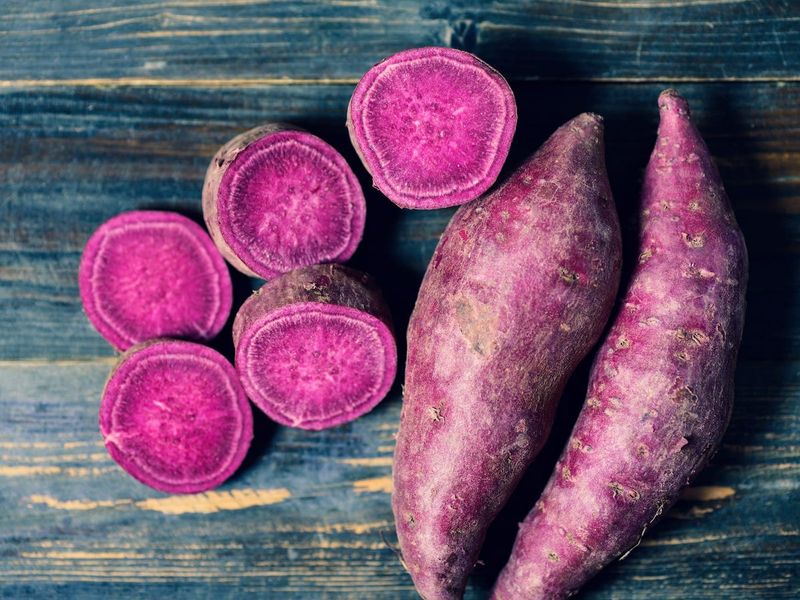
Purple sweet potatoes steal the spotlight here, rich in antioxidants and forming the backbone of traditional Okinawan meals. Alongside them, you will find bitter melon, seaweed, tofu, and miso soup making regular appearances on the table.
Fish is eaten in modest amounts, usually grilled or steamed, whilst pork shows up occasionally in small portions. Green leafy vegetables, mushrooms, and fermented soy products round out the menu.
What is missing matters too: dairy is virtually absent, red meat is rare, and refined sugar barely features. It is a colourful, nutrient-dense spread that prioritises plants over everything else.
How Meals Are Traditionally Structured
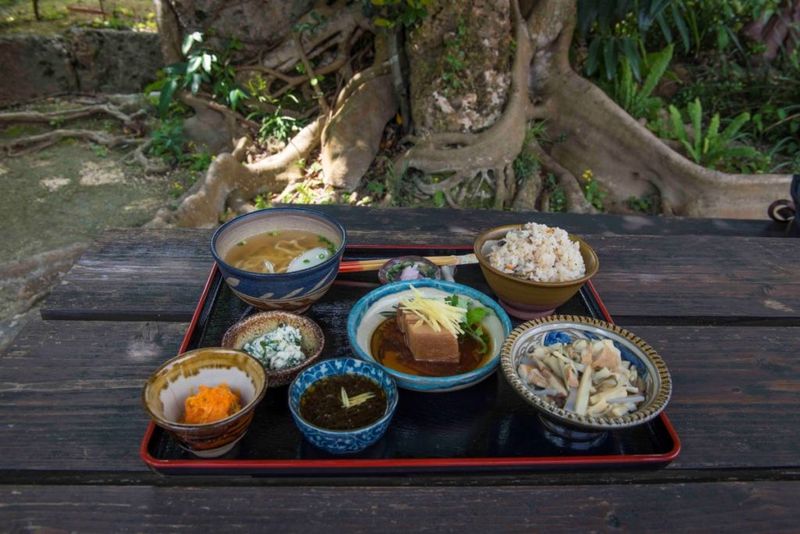
Forget massive dinner plates piled high with food. Okinawan meals are typically served in smaller bowls and dishes, encouraging variety without excess.
Breakfast might be miso soup with vegetables and a bit of fish, lunch could feature stir-fried greens with tofu, and dinner often includes steamed sweet potato alongside seaweed salad. Meals are eaten slowly, often with family, and the emphasis is on savouring rather than rushing.
There is no heavy reliance on snacking between meals, which keeps overall intake naturally moderate. This structure creates a rhythm that supports digestion and prevents overeating without feeling restrictive.
Role Of Vegetables And Plant Foods
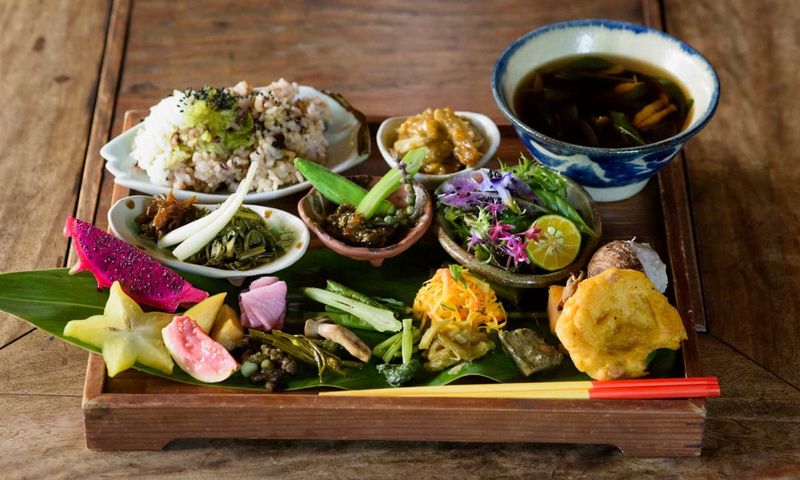
Plants dominate the Okinawan plate in a way that would make any nutritionist weep with joy. Roughly 60% of the traditional diet comes from vegetables, with sweet potatoes alone providing a huge chunk of daily calories.
Leafy greens, bitter melon, and squash are cooked simply, often steamed or stir-fried with minimal oil. Seaweed adds minerals and umami flavour, whilst soy products like tofu and miso contribute protein and probiotics.
This plant-forward approach floods the body with fibre, vitamins, and antioxidants, which researchers believe plays a massive role in reducing inflammation and chronic disease.
Protein Sources And Portion Patterns
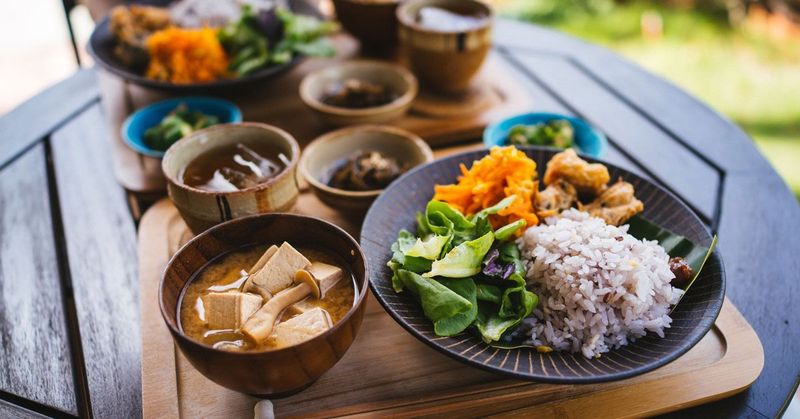
Protein in Okinawa comes mainly from plant sources like tofu, miso, and other soy products, with fish playing a supporting role. Pork appears in traditional dishes but in small, celebratory amounts rather than daily helpings.
The overall protein intake is lower than typical Western diets, which some studies suggest may actually support longevity when paired with high-quality carbohydrates. Portions are modest, often just a few ounces per meal.
This pattern keeps meals light and digestible whilst still providing essential amino acids. It is less about counting grams and more about balance and variety across the day.
Calorie Awareness And Eating Habits
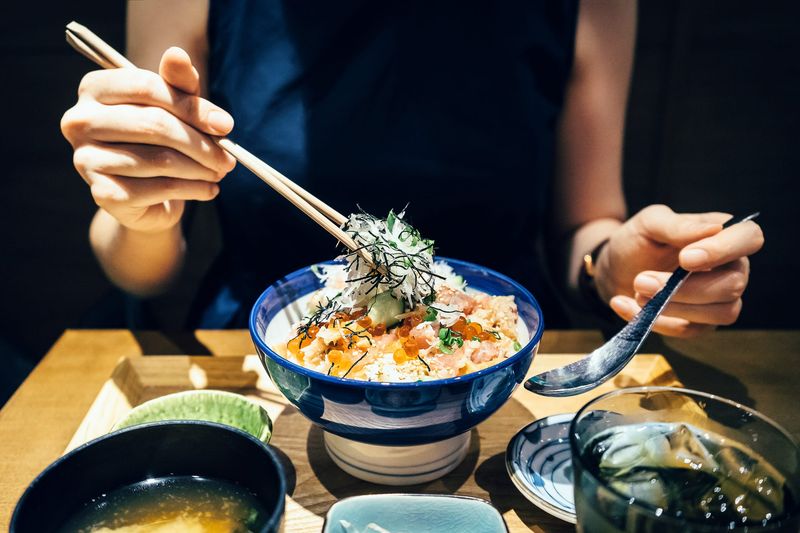
Hara Hachi Bu is the cultural practice that translates to eating until you are 80% full, and it is a game changer. Instead of waiting for that stuffed feeling, Okinawans stop eating when they are satisfied but not bursting.
This mindful approach naturally limits calorie intake without strict dieting or deprivation. Traditional Okinawan diets hovered around 1,800 to 1,900 calories per day, significantly lower than modern Western norms.
Combined with nutrient-dense foods, this gentle calorie restriction is thought to reduce metabolic stress and support cellular repair. It is a lesson in listening to your body rather than your eyes.
Lifestyle Factors Beyond Diet

Food is only part of the story. Okinawans traditionally stay active well into old age, tending gardens, walking, and doing gentle physical work rather than hitting the gym.
Social connections are incredibly strong, with tight-knit communities and regular gatherings that combat loneliness and stress. Purpose and meaning, known locally as ikigai, give daily life direction and motivation.
Low smoking rates and limited processed food exposure also play roles. Diet sets the foundation, but it is this holistic lifestyle package that seems to unlock the full longevity benefits.
You cannot replicate one without considering the others.
What Long Term Studies Have Observed
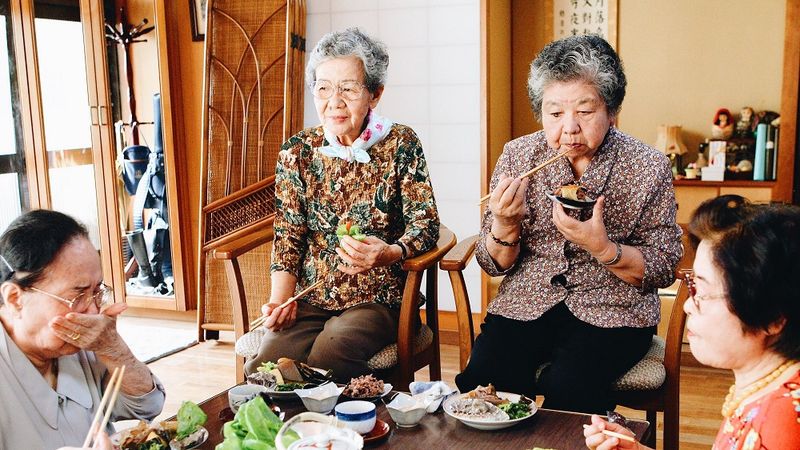
Researchers have been studying Okinawa since the 1970s, and the findings are pretty remarkable. Centenarians on the islands have historically had lower rates of heart disease, cancer, and dementia compared to Western populations.
Blood markers often show reduced inflammation and better metabolic health. The Okinawa Centenarian Study tracked hundreds of long-lived individuals, noting their diets, genetics, and lifestyles.
Interestingly, younger generations who have adopted more Western eating habits show declining health outcomes, suggesting diet plays a causal role. The evidence is not just anecdotal; decades of data back up the longevity claims.
How The Diet Compares With Western Patterns
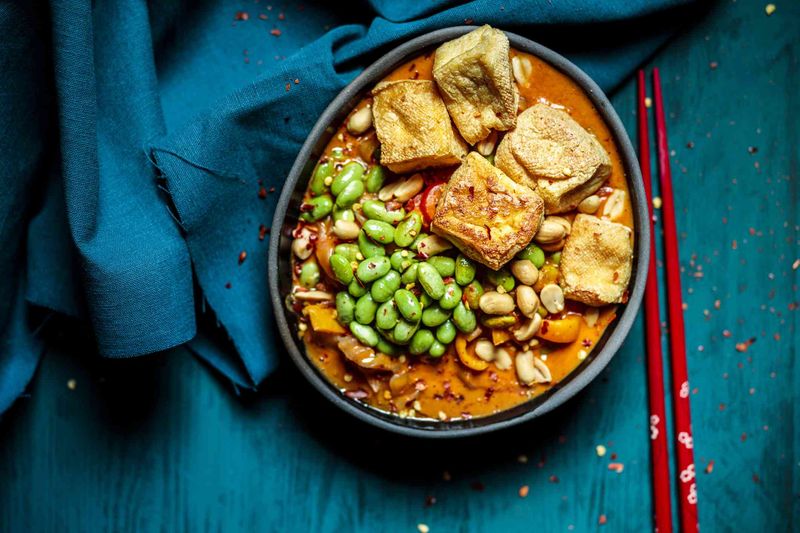
Put the Okinawa diet next to a typical Western plate, and the differences are striking. Westerners tend to eat far more meat, dairy, and processed foods, with carbohydrates coming mainly from refined grains and sugar.
Portion sizes are larger, and calorie intake is often much higher. The Okinawan approach flips this: plants dominate, protein is modest, and calories are naturally restricted without feeling like a diet.
Western diets are linked to higher rates of obesity, diabetes, and heart disease, whilst Okinawa shows the opposite. It is a stark reminder that food choices have real, measurable consequences over a lifetime.
Practical Considerations For Home Cooking
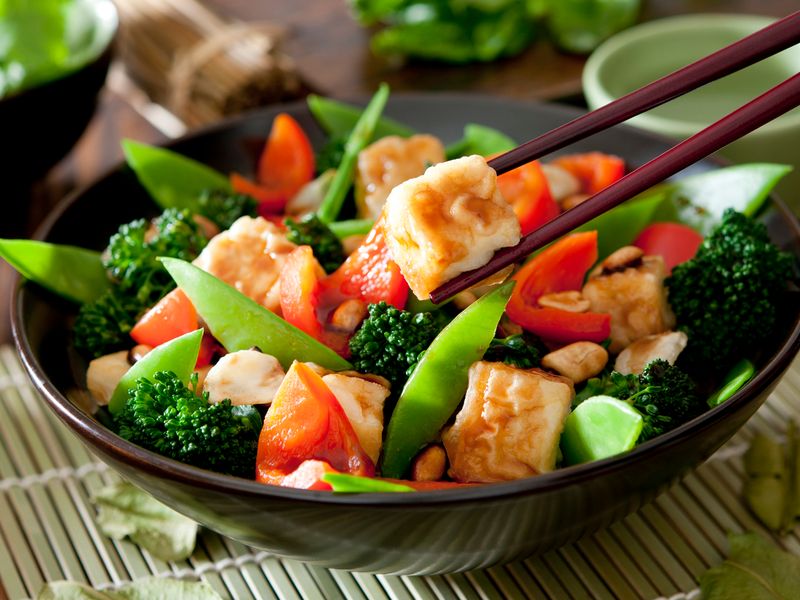
You do not need to live in Okinawa to borrow from their playbook. Start by making vegetables the star of your meals, swapping half your plate for leafy greens, squash, or sweet potatoes.
Try incorporating tofu or tempeh a few times a week, and experiment with seaweed in soups or salads. Cook simply: steaming, stir-frying with minimal oil, and using miso or soy sauce for flavour work brilliantly.
Practise Hara Hachi Bu by eating slowly and stopping before you are stuffed. Small shifts add up, and you might just find your energy and health improve without drastic changes.