








Omega three quietly supports many everyday body functions, yet it often slips through the cracks of busy shopping routines. It’s easy to stick to familiar foods and overlook ingredients that naturally contain these helpful fats.
A little awareness can make grocery choices feel more intentional without adding complexity to meals.
All information is provided for general interest only and does not replace professional nutritional or medical advice. Individual dietary needs and absorption can vary.
1. Mackerel

Mackerel delivers a strong omega-3 profile alongside a bold, distinctive flavour. It tends to be more affordable than many other oily fish, making it a practical option for regular meals.
Fresh fillets grill quickly, while smoked versions add instant depth to breakfasts and light lunches. Sustainability can vary by species and source, so checking labels helps make informed choices.
Once you get used to its richness, it becomes a surprisingly versatile ingredient.
2. Sardines
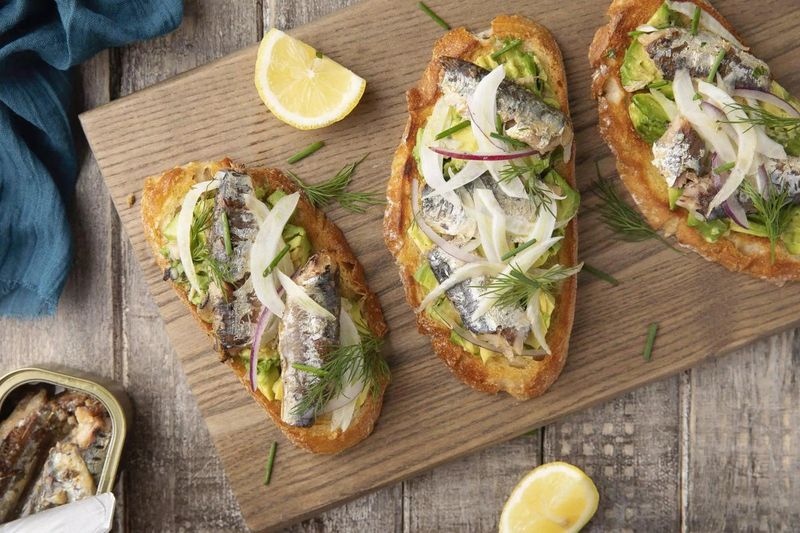
Sardines offer omega-3 fats along with calcium from their edible bones. They’re widely available in tins, making them easy to keep on hand for quick meals.
On toast with lemon or folded into simple pasta dishes, they bring plenty of savoury character. Prices and sourcing can vary, but they often remain one of the more accessible fish options.
A little creativity turns a humble tin into something genuinely satisfying.
3. Salmon
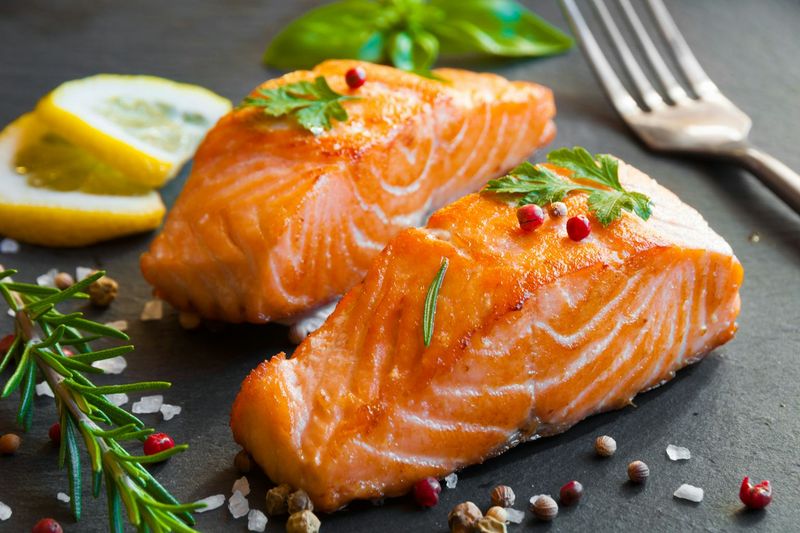
Rich, flavourful salmon is one of the most reliable food sources of omega-3 fatty acids, including EPA and DHA. The exact amount varies by portion size and type of fish, but it consistently contributes a meaningful intake.
Both fresh and tinned versions work well in everyday cooking and save time on busy evenings. Grilling with lemon and herbs keeps things simple, while flaked salmon slips easily into salads, pasta, and sandwiches.
It’s an easy way to bring both flavour and useful nutrients onto the plate.
4. Herring
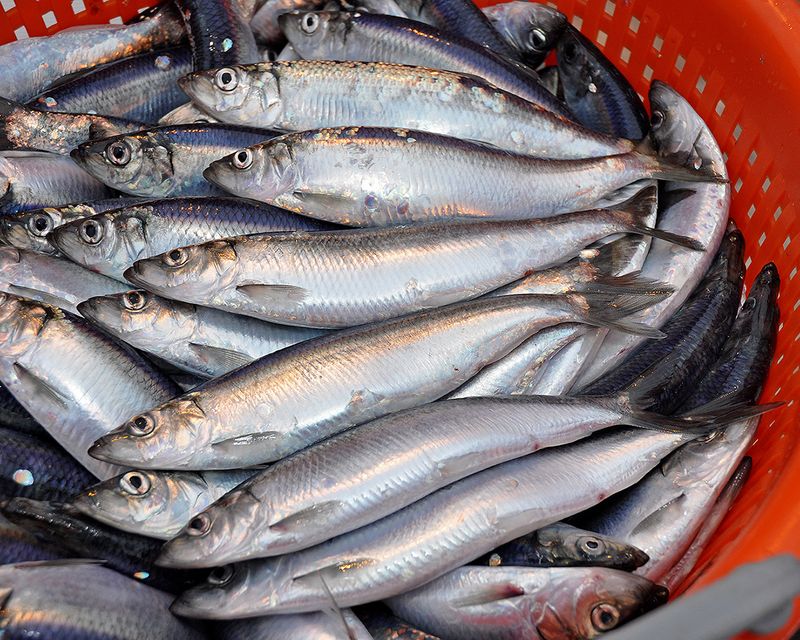
Herring has been a traditional British favourite for centuries, yet many modern households rarely serve it. This silvery fish contains exceptional levels of omega-3s and vitamin D, making it a nutritional powerhouse worth rediscovering.
Pickled herring remains popular in Scandinavian cuisine, whilst rollmops offer a tangy, ready-to-eat option. Fresh herring grilled with butter and parsley creates a simple, satisfying meal that showcases why our ancestors valued this humble fish so highly.
5. Trout
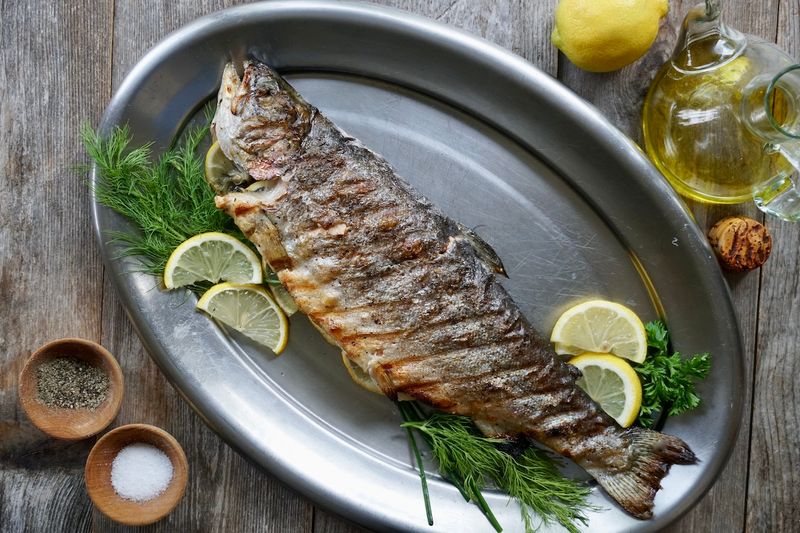
Rainbow trout offers a milder flavour than salmon whilst still providing excellent omega-3 content, making it perfect for those who find oily fish too intense. Farm-raised British trout is widely available and generally sustainable.
Pan-fried trout with almonds is a classic preparation that takes under fifteen minutes. The delicate flesh flakes beautifully and absorbs flavours wonderfully, whether you're baking it whole with fennel or grilling fillets with garlic butter for a quick supper.
6. Anchovies

These intensely flavoured little fish transform everyday dishes with their umami-rich taste whilst sneaking in valuable omega-3s. Most Britons only encounter them as pizza toppings, missing countless other delicious applications.
Mashed into salad dressings, anchovies add depth without overwhelming fishiness. They dissolve beautifully into pasta sauces, creating savoury complexity that's hard to identify but impossible to replicate.
Just a few fillets elevate simple meals into something genuinely special and nutritious.
7. Flaxseeds
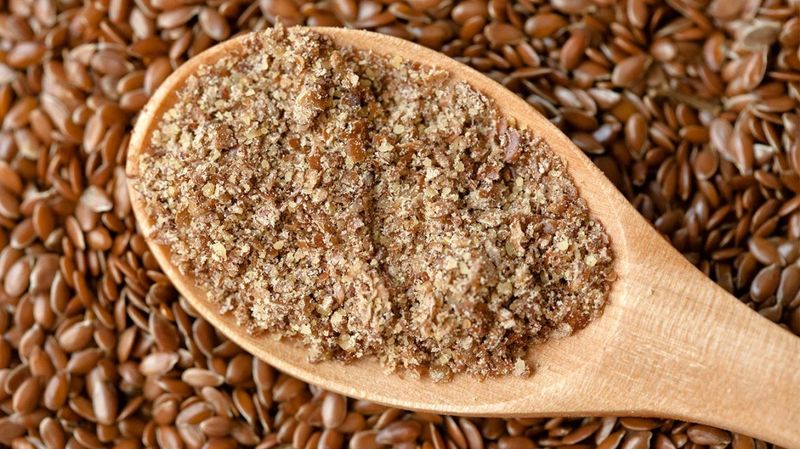
Flaxseeds provide a useful plant-based source of omega-3 in the form of ALA. The body can convert small amounts of ALA into other omega-3 types, although this process is limited.
Grinding the seeds helps your body access more of the nutrients. They mix easily into porridge, smoothies, yoghourt, and baking.
Their mild, nutty flavour makes them easy to add without changing the overall taste of a dish.
8. Chia Seeds
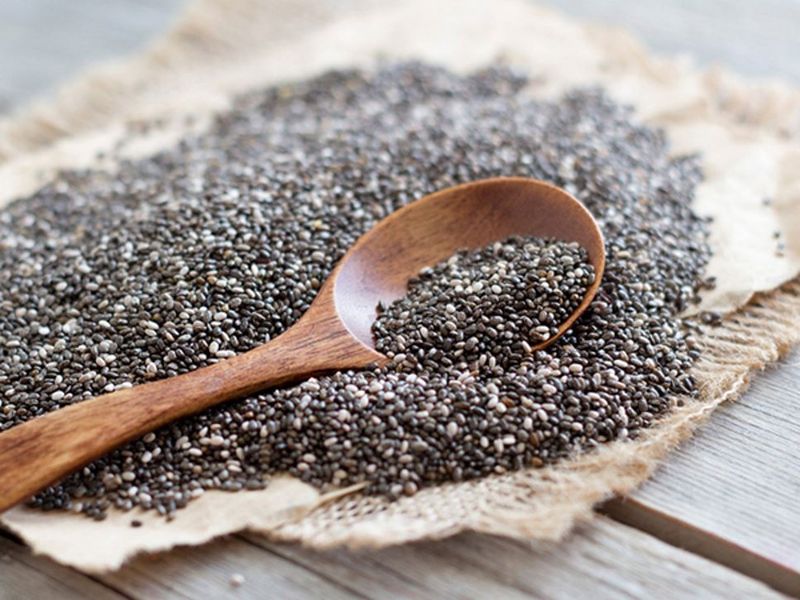
Originally prized by ancient Aztecs, chia seeds have made a spectacular comeback as a modern superfood packed with plant-based omega-3s. These tiny seeds absorb liquid and form a gel-like texture that's oddly satisfying.
Chia pudding makes a brilliant breakfast when you soak the seeds overnight in milk or plant-based alternatives. You can also sprinkle them raw over salads, stir them into baked goods, or add them to smoothies for an omega-3 boost without altering flavour significantly.
9. Walnuts

Walnuts supply healthy fats along with a helpful amount of plant-based omega-3. They’re also a good source of fibre and protein, which makes snacks more filling.
Light toasting enhances their flavour and brings out natural sweetness. They work just as well scattered over salads as they do stirred into porridge or baking.
A small handful adds both crunch and nutritional variety to everyday eating.
10. Rapeseed Oil

British-grown rapeseed oil contains more omega-3s than olive oil whilst costing considerably less, making it a smart kitchen staple. Its neutral flavour and high smoke point suit everything from roasting vegetables to making salad dressings.
Cold-pressed varieties retain the most nutrients and offer a slightly nutty taste that's genuinely lovely. Use it anywhere you'd normally reach for vegetable oil, and you'll effortlessly increase your omega-3 intake whilst supporting British farmers at the same time.