



British food culture continues to evolve as tastes, lifestyles, and cooking habits change over time. Some dishes that were once common in homes and restaurants have gradually slipped out of regular use, often replaced by quicker or more familiar options.
At the same time, certain favourites remain firmly rooted in everyday eating, appearing on menus and dinner tables generation after generation. Looking at both sides together offers a simple way to understand how traditions shift while familiar comfort foods continue to hold their place.
All information is provided for general information only. Taste, appearance, and availability may vary.
Photos are for illustrative purposes only.
5 Once Loved Dishes That Rarely Appear Now
Many traditional dishes were shaped by availability of ingredients, cooking methods, and household routines that reflected earlier periods of British life.
As shopping habits, time pressures, and dietary preferences have shifted, some of these meals have gradually disappeared from everyday cooking and restaurant menus.
Changes in preparation time, ingredient sourcing, and modern tastes have all played a role in which recipes remain in regular circulation and which are now less commonly prepared.
1. Brown Windsor Soup
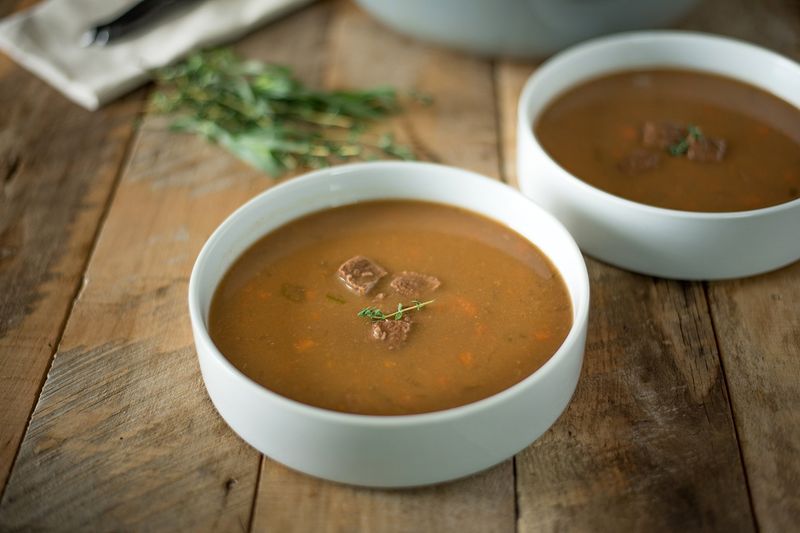
This thick, beefy soup once held pride of place in Victorian dining rooms and grand hotels across Britain. Made with beef stock, vegetables, and often thickened with flour, it delivered proper comfort in a bowl during chilly evenings.
The soup's popularity peaked in the 19th century when hearty, filling dishes ruled supreme. Its rich, savoury flavour and warming qualities made it a staple at formal dinners and gentlemen's clubs.
Nowadays, you'd be hard-pressed to find it anywhere outside historical cookbooks. Modern tastes favour lighter soups, and its old-fashioned reputation hasn't helped its survival in contemporary kitchens.
2. Devilled Kidneys On Toast
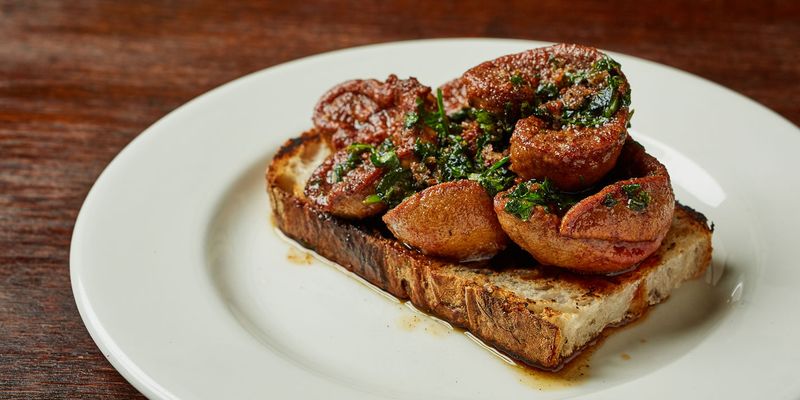
Spicy, savoury, and decidedly adventurous, devilled kidneys were a breakfast staple for the well-to-do throughout the Victorian and Edwardian eras. Lamb's kidneys got coated in a fiery mustard and cayenne sauce before being piled onto buttered toast.
Gentlemen's clubs and country house breakfasts wouldn't have been complete without this protein-packed dish. The sharp, piquant flavours woke up even the groggiest morning appetites.
Modern British breakfasts rarely venture beyond eggs and bacon, leaving kidneys largely forgotten. The strong flavour and distinct texture of offal don't appeal to contemporary palates accustomed to milder morning fare.
3. Mock Turtle Soup
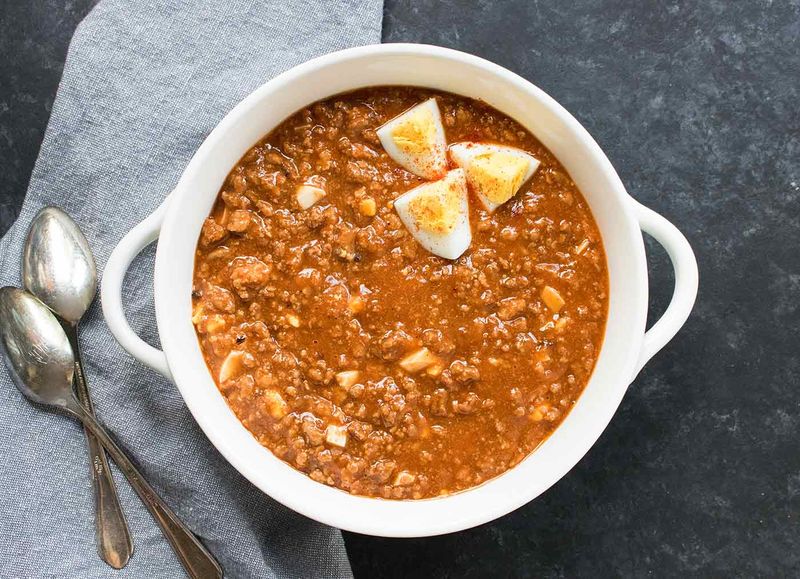
Born from necessity when actual turtle soup became too pricey for ordinary folk, this clever imitation used calf's head to mimic the real thing. The result was surprisingly convincing, with a gelatinous texture and complex flavour that fooled many a diner.
Victorian cooks took pride in crafting this elaborate dish, which required hours of simmering and careful seasoning. It became a symbol of resourcefulness during Britain's imperial heyday.
Today, the very idea of using calf's head puts most people off their dinner. Changing attitudes towards offal and easier access to diverse cuisines have relegated this once-clever creation to culinary history.
4. Savoury Duck Pudding
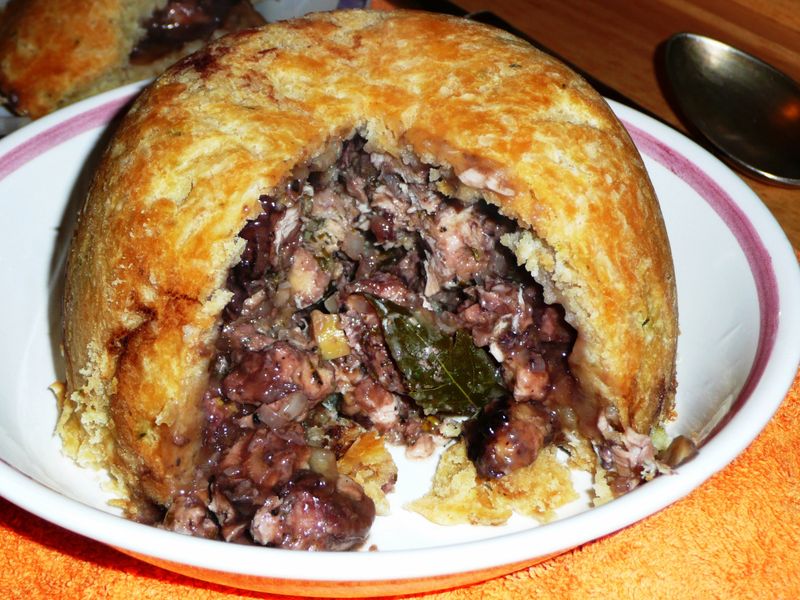
Wrapped in suet pastry and steamed for hours, this hearty pudding enclosed tender duck meat in a comforting, stodgy blanket. Working-class families relied on such filling dishes to keep hunger at bay during long, physically demanding days.
The suet pastry absorbed the duck's rich juices during cooking, creating layers of flavour that made this pudding deeply satisfying. It represented traditional British cookery at its most resourceful and unpretentious.
Central heating and less physically demanding lifestyles mean we no longer need such heavy fare. Plus, preparing suet pastry feels like too much faff for most modern cooks who prefer quicker meal solutions.
5. Lobscouse
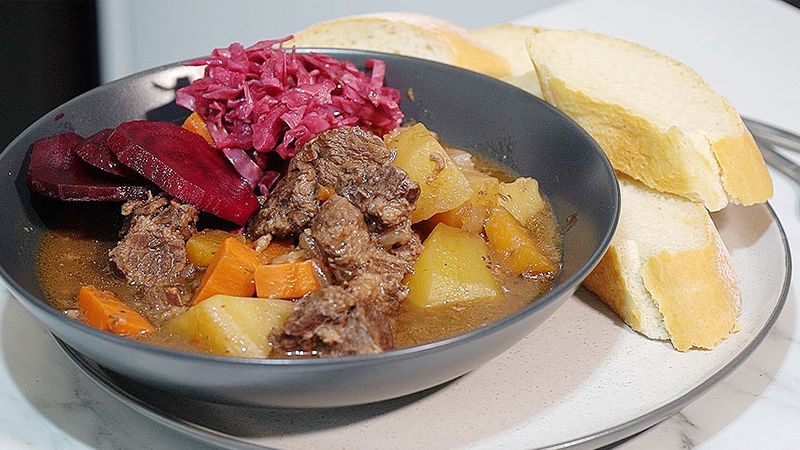
Sailors and dock workers in Liverpool kept their bellies full with this one-pot wonder made from salted meat, potatoes, and whatever vegetables came to hand. The name itself likely comes from sailors' slang, and the dish sustained countless maritime communities.
Everything got thrown into a single pot and simmered until tender, creating a thick, nourishing stew. Its simplicity and affordability made it perfect for feeding large families on tight budgets.
Scousers might still remember it fondly, but lobscouse has largely disappeared from modern Liverpool tables. Ready meals and international cuisine options have replaced these humble, time-consuming stews in most households today.
5 All Time Favourites
Certain dishes continue to maintain steady popularity across generations, supported by familiar flavours, adaptable recipes, and widespread availability.
These meals often suit a range of budgets and dining occasions, making them easy to find in homes, cafés, and restaurants throughout the UK.
Their ongoing presence reflects how consistency and accessibility can help foods remain relevant even as wider food trends continue to change.
1. Fish And Chips
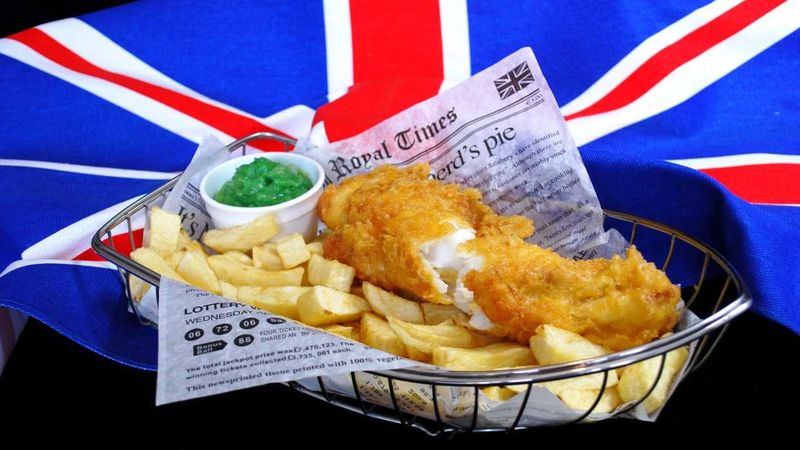
Golden, crispy batter encasing flaky white fish, served alongside perfectly fried chips – is there anything more iconically British? This beloved combination emerged in the 19th century and quickly conquered the nation's hearts and stomachs.
Whether wrapped in paper for a seaside treat or served in a proper chippie with mushy peas, fish and chips represents British comfort food at its finest. The satisfying crunch followed by tender fish creates pure magic.
Despite health trends and dietary changes, this classic refuses to budge from its throne. Every town has its favourite chippy, and debates about the best batter recipe rage on in pubs nationwide.
2. Shepherd's Pie
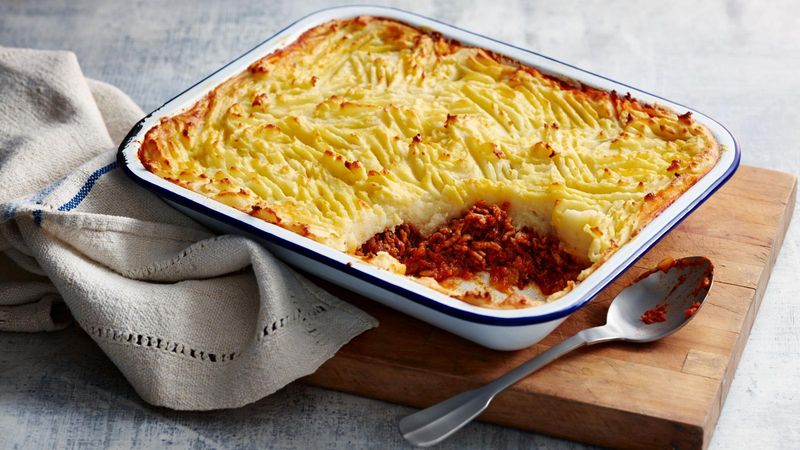
Minced lamb nestled beneath a golden crown of creamy mashed potato – shepherd's pie transforms humble ingredients into something truly special. Originally created to use up leftover roast lamb, it became a weeknight staple in households throughout the land.
The key lies in properly seasoned mince with rich gravy, topped with buttery mash that gets wonderfully crispy under the grill. Each forkful delivers layers of texture and homely flavour.
Cottage pie uses beef instead, but shepherd's pie with lamb remains the authentic version. Either way, this warming dish continues to appear on dinner tables and pub menus, proving that simple comfort never goes out of style.
3. Sunday Roast With Yorkshire Pudding
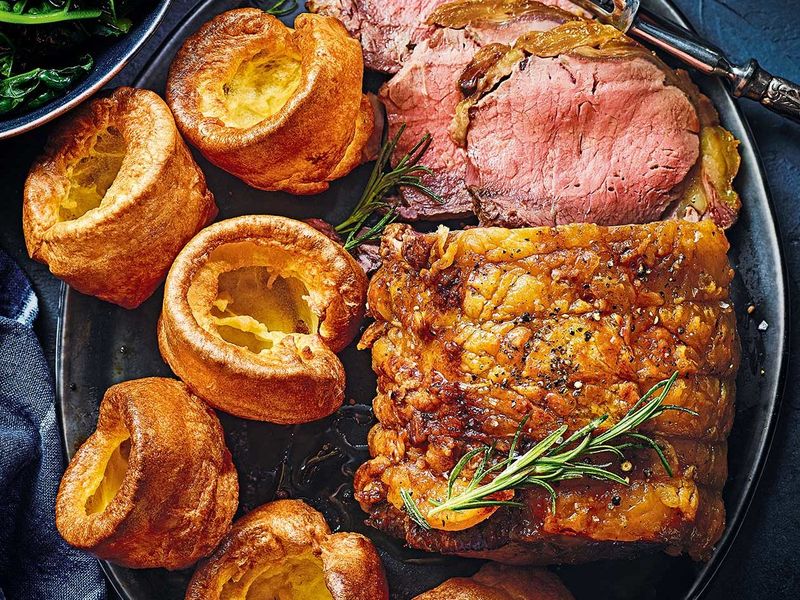
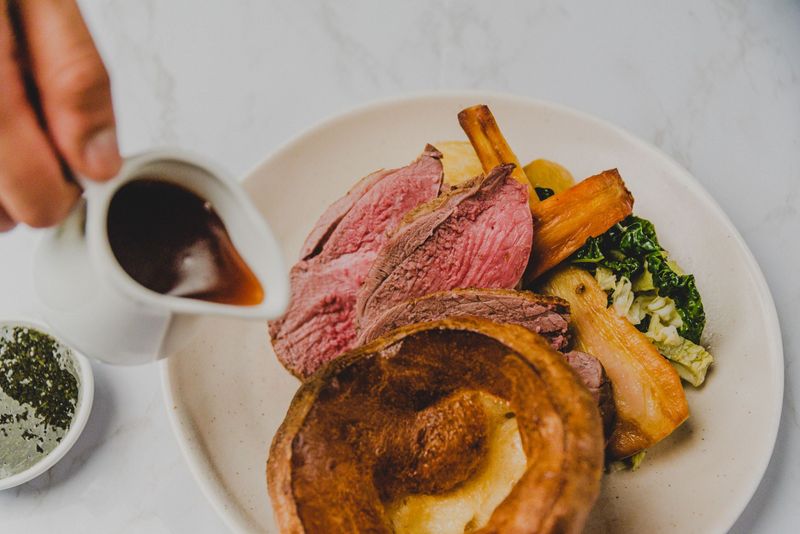
Families across Britain gather round the table every Sunday for this sacred ritual of roasted meat, fluffy Yorkshire puddings, roast potatoes, and seasonal veg. The tradition brings generations together, creating memories alongside gravy boats and serving platters.
Perfectly risen Yorkshire puddings – crispy on the outside, soft within – are a point of pride for any cook. Getting them just right requires skill, timing, and a properly hot oven.
Pubs have built entire businesses around Sunday roasts, proving this tradition isn't going anywhere. Whether it's beef, chicken, lamb, or pork, the Sunday roast remains Britain's most cherished weekly celebration of good food and family time.
4. Full English Breakfast
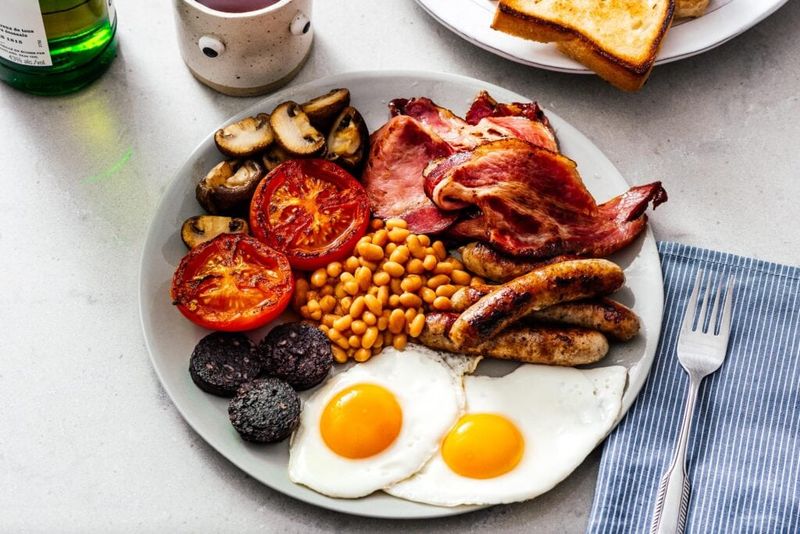
Bacon, eggs, sausages, baked beans, mushrooms, tomatoes, and toast – the Full English is less a meal and more a national institution. This breakfast feast has fuelled British mornings for generations, from builders to businesspeople.
Getting everything cooked to perfection and arriving at the table simultaneously requires serious kitchen choreography. The reward is a plate piled high with savoury goodness that keeps you satisfied until teatime.
Cafés and hotels across the country serve their own versions, each claiming theirs is the best. Whether you add black pudding or hash browns sparks endless debate, but the Full English's place in British culture remains absolutely unshakeable.
5. Beef Wellington
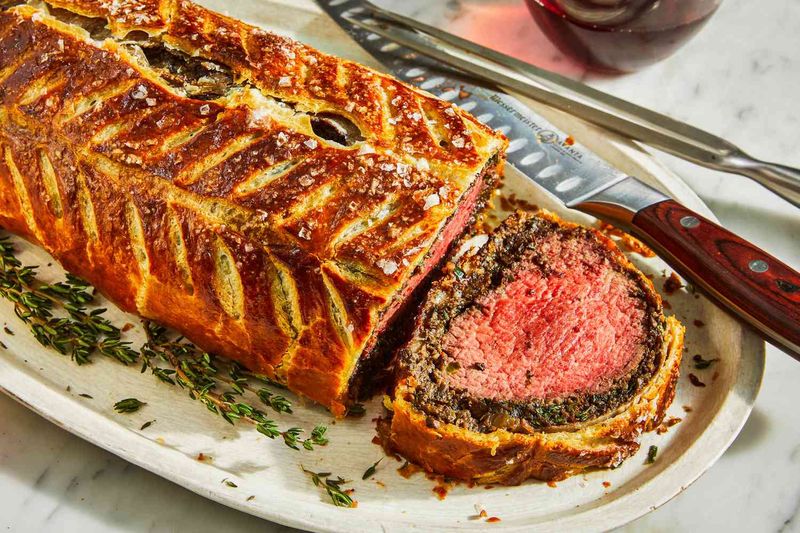
Tender beef fillet wrapped in mushroom duxelles and encased in golden puff pastry – Beef Wellington represents British cooking at its most elegant and ambitious. This showstopper dish demands skill, patience, and nerves of steel to execute properly.
Named possibly after the Duke of Wellington, it graces special occasion tables and fancy restaurant menus. Slicing through the crispy pastry to reveal perfectly pink beef creates a moment of pure culinary theatre.
Despite its complexity, home cooks still attempt this classic for celebrations and dinner parties. Its enduring popularity proves that sometimes British cuisine can be sophisticated, impressive, and absolutely delicious all at once.