



Marzipan often shows up as a colourful cake decoration or a festive sweet, but there’s far more going on beneath that glossy almond surface. From surprising origins to the clever ways it’s shaped and flavoured, this humble treat carries a rich backstory that most people never notice.
Small details in how it’s made and where it’s loved can completely change how you see it on the dessert table. Once you start digging into its quirks, it becomes much more than just a sugary extra.
All information is provided for general interest only. Taste preferences, ingredient quality, and product availability may vary depending on location and producer.
1. Marzipan Is Traditionally Made From Finely Ground Almonds And Sugar
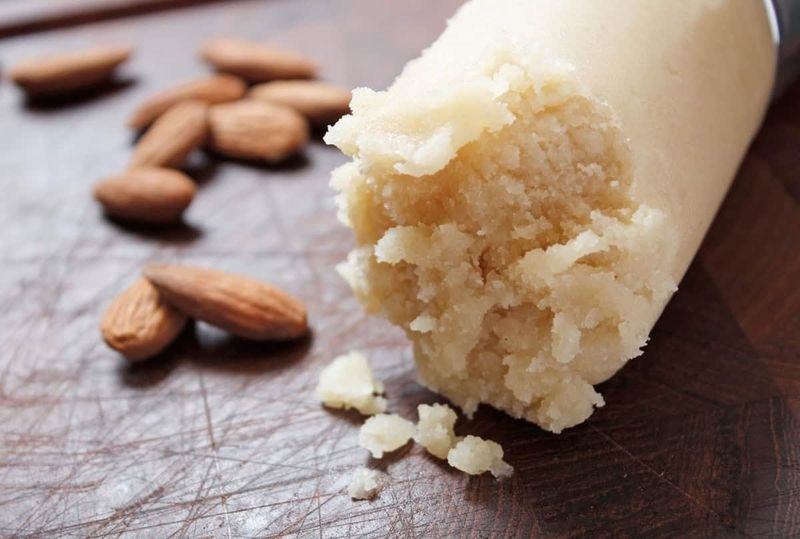
At its heart, marzipan is wonderfully simple. Blanched almonds are ground into a fine powder, then mixed with sugar to create a smooth, pliable paste.
Some recipes add a touch of egg white or glucose syrup to bind everything together. The ratio of almonds to sugar determines the quality, with higher almond content producing a richer, more luxurious texture that melts beautifully on your tongue.
2. The Sweet Has Roots In Both Middle Eastern And European Food History
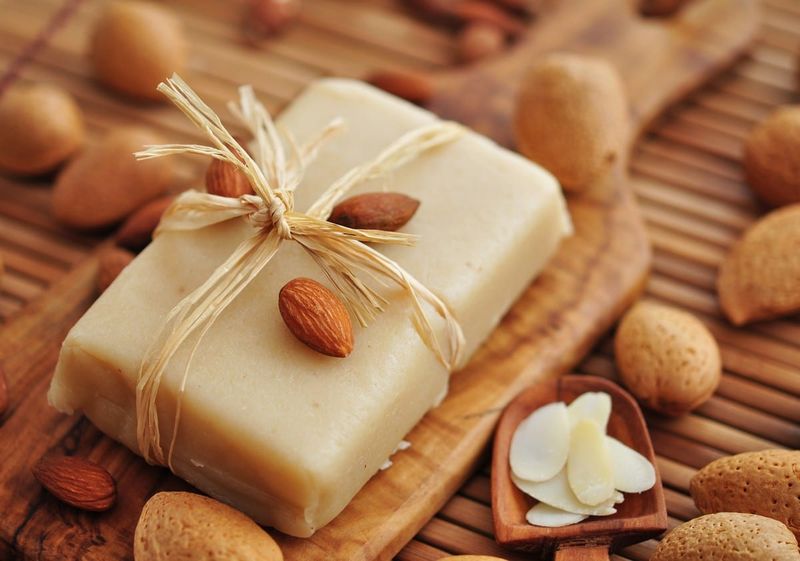
Historians love debating where marzipan truly began. Some trace it back to Persia, where almond and sugar confections were enjoyed centuries ago.
Others point to medieval Europe, particularly during the Crusades, when such recipes travelled westward. What's certain is that marzipan became beloved across cultures, adapting to local tastes and traditions wherever it landed, making it a truly international delicacy.
3. Lübeck In Germany And Toledo In Spain Are Famous For Historic Marzipan Production
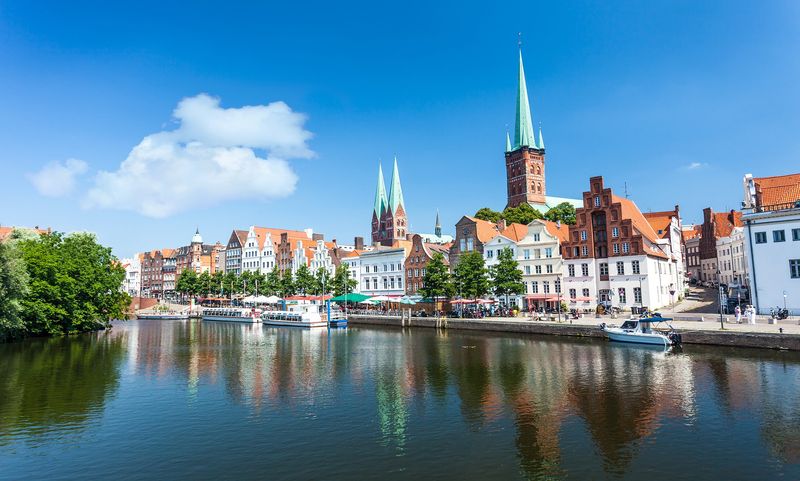
When it comes to marzipan reputation, Lübeck and Toledo often steal the spotlight. Both cities are known for long-standing confectionery traditions that helped shape how marzipan is made and enjoyed today.
Local bakeries and sweet shops continue to produce their own distinctive versions, drawing on techniques passed down through generations. Visitors often seek out these places specifically to sample authentic marzipan made close to its cultural roots.
It’s a delicious reminder that food history can still be tasted in modern kitchens and shop windows.
4. High Almond Content Gives Quality Marzipan Its Smooth Texture And Natural Oils
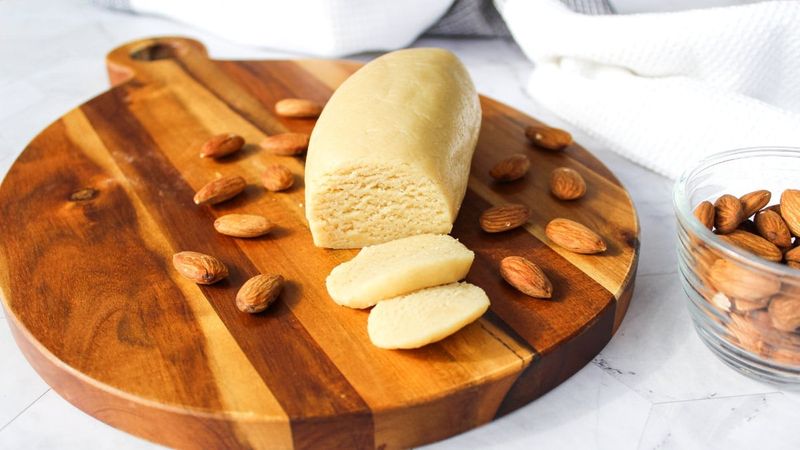
Ever wondered why premium marzipan feels so silky? The secret lies in the almond content.
Top-quality marzipan contains at least 50% almonds, though some artisan varieties boast even higher percentages.
Those natural almond oils create that signature smoothness and rich flavour. Cheaper versions bulk up with more sugar and additives, resulting in a grainy texture that simply can't compare to the real deal.
5. It Is Commonly Shaped Into Decorative Fruits, Flowers, And Figures
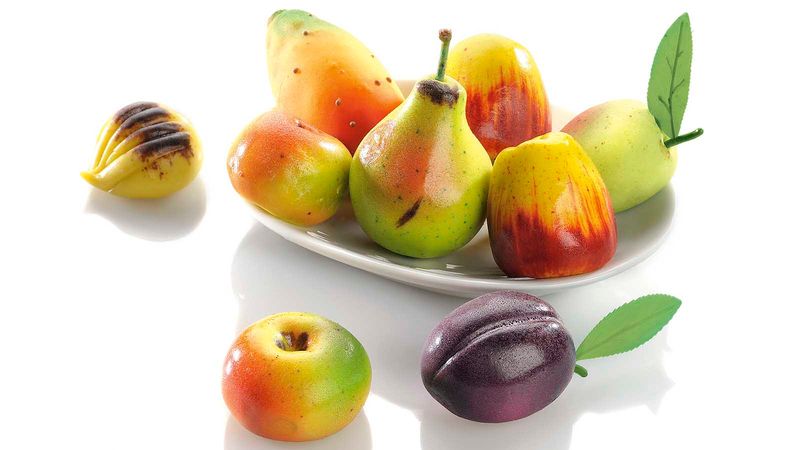
Marzipan's pliability makes it a sculptor's dream. Confectioners mould it into tiny apples, pears, strawberries, and even intricate roses that look almost too pretty to eat.
During festive seasons, you'll spot marzipan pigs, snowmen, and other whimsical figures gracing shop windows. This edible art form requires skill and patience, transforming simple ingredients into miniature masterpieces that delight both eyes and taste buds.
6. Marzipan Is Naturally Gluten Free When Made With Pure Ingredients
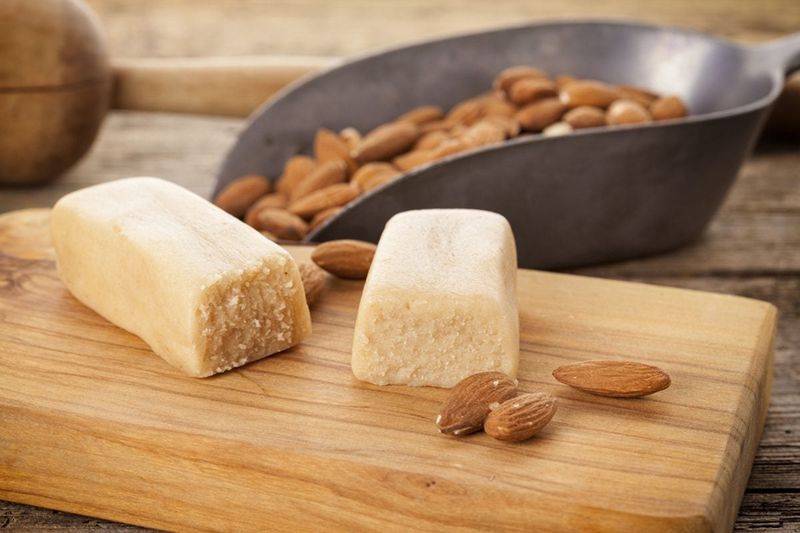
Good news for those avoiding gluten: authentic marzipan is naturally safe for you. Since it's made purely from almonds and sugar, there's no wheat or gluten in sight.
However, always check labels carefully, as some commercial versions might be processed in facilities that handle gluten-containing products, or include additives that introduce gluten. When in doubt, look for certified gluten-free labels or make your own at home.
7. Rosewater Or Almond Extract Is Often Used To Enhance The Flavour
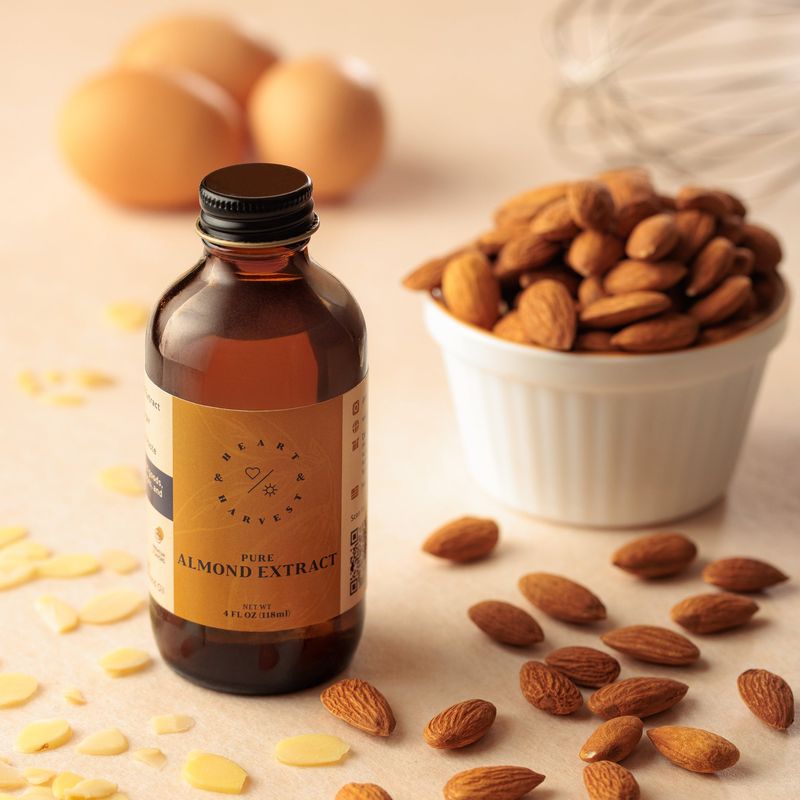
Whilst almonds provide the base flavour, many confectioners add a secret weapon: rosewater or almond extract. Just a few drops can transform good marzipan into something extraordinary.
Rosewater lends a delicate, floral note that's popular in Middle Eastern versions, whilst almond extract amplifies that nutty richness. Some recipes use orange blossom water instead, creating yet another delicious variation on this versatile sweet.
8. Lübecker Marzipan Holds Protected Geographical Status In The EU
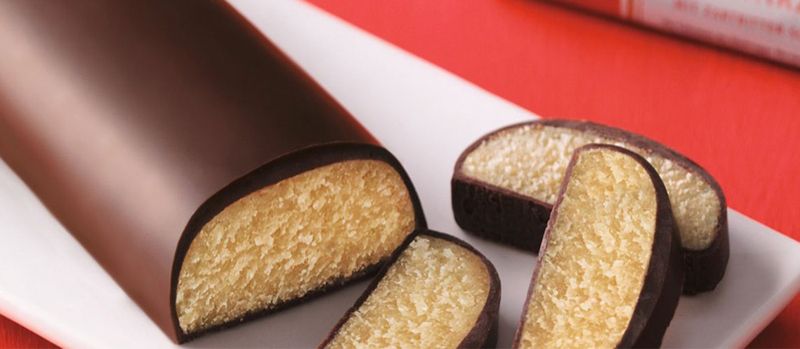
Lübecker Marzipan isn't just a name - it's a legally protected designation. The European Union granted it Protected Geographical Indication status, meaning only marzipan made in Lübeck using traditional methods can bear this prestigious label.
This protection ensures authenticity and quality, much like Champagne or Parma ham. It's a testament to the city's centuries-old expertise and commitment to preserving their marzipan-making heritage.
9. It Is A Traditional Ingredient In Christmas Stollen And Festive Baking
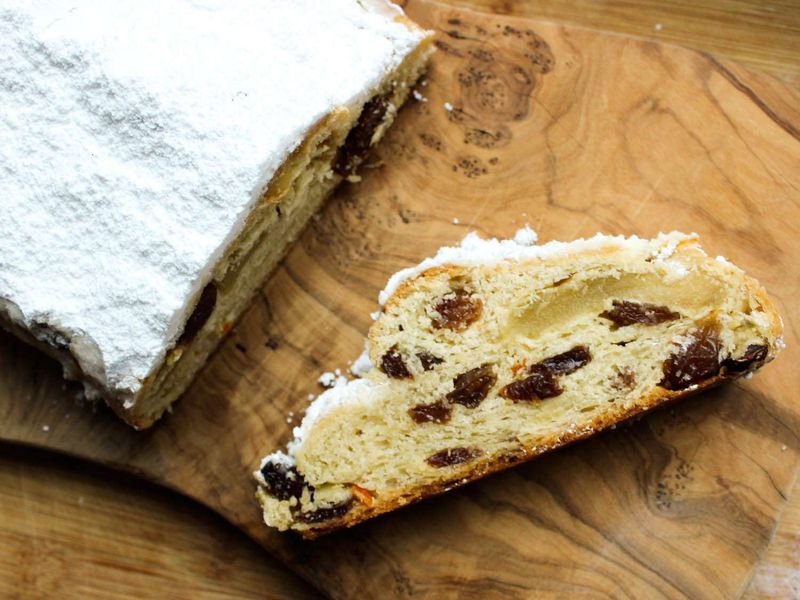
Christmas wouldn't be the same without marzipan's starring role in festive baking. German Stollen, that fruit-studded Christmas bread, traditionally features a thick rope of marzipan running through its centre.
British Christmas cakes often wear a layer of marzipan beneath their icing, adding moisture and flavour. From Scandinavian treats to Mediterranean holiday sweets, marzipan brings its distinctive taste to celebrations across Europe.
10. Marzipan Can Be Coloured Naturally Using Fruit And Plant-Based Dyes
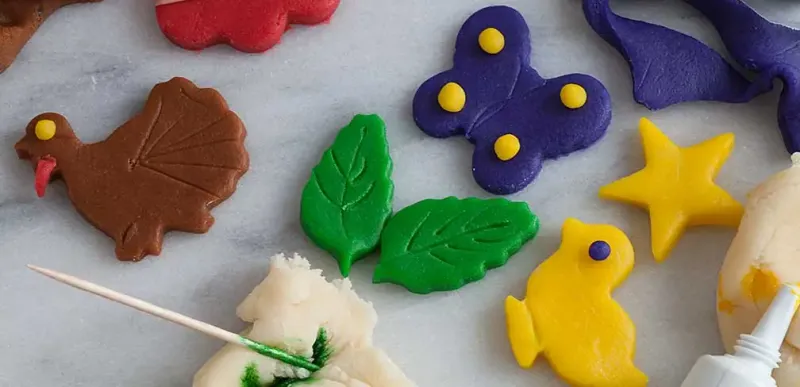
Creating those vibrant marzipan fruits doesn't require artificial colours. Beetroot juice produces gorgeous pinks and reds, whilst spinach or matcha powder creates natural greens.
Turmeric adds sunny yellows, and blueberry juice brings purples to life. These natural dyes not only make marzipan creations look stunning but also keep them free from synthetic additives, appealing to those who prefer wholesome, natural ingredients in their sweets.