


Food history is full of unexpected stories hiding behind everyday names, and some dishes quietly carry a person’s legacy right on the plate. Once you start noticing them, menus suddenly feel like little time capsules filled with chefs, aristocrats, inventors, and happy accidents.
Curiosity kicks in when you realise how many familiar favourites began as personal tributes rather than deliberate branding. It’s a playful way to see how food and history keep bumping into each other.
All information is provided for general interest only. Historical origins, regional interpretations, and recipe variations may differ depending on source and location.
1. Beef Wellington
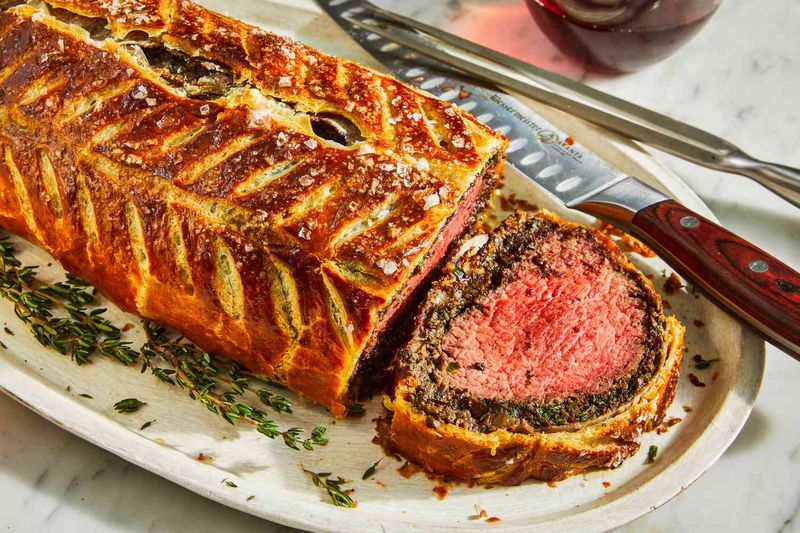
Beef Wellington is widely believed to be named in honour of Arthur Wellesley, the first Duke of Wellington, although its exact origins remain debated. The dish combines tender beef, mushrooms, and pastry into an impressive centrepiece that feels celebratory by nature.
Over time, it became associated with grand dining and special occasions rather than everyday meals. Different regions and chefs have added their own twists, keeping the dish evolving rather than fixed in one version.
Its enduring appeal comes from both its rich flavours and its sense of theatrical presentation at the table.
2. Caesar Salad
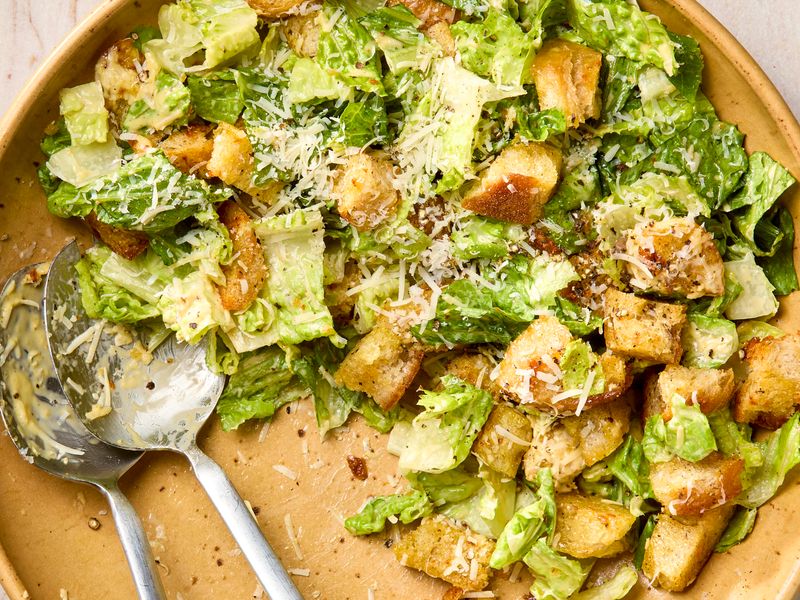
Caesar Cardini, an Italian-American restaurateur, created this iconic salad in Tijuana, Mexico, during the 1920s. Running short on ingredients one busy Fourth of July weekend, he improvised with romaine lettuce, parmesan, croutons, and his special dressing.
Contrary to popular belief, the salad has nothing to do with Julius Caesar. Cardini's daughter confirmed her father invented the recipe tableside, turning necessity into culinary genius that's still beloved worldwide.
3. Eggs Benedict

One popular origin story links Eggs Benedict to a New York diner who requested a rich, comforting breakfast combination in the late nineteenth century. Another account credits a regular guest at a famous restaurant who asked for something new and satisfying.
Whichever version you lean towards, the pairing of eggs, sauce, and toasted bread quickly caught on. The dish became a staple of brunch menus thanks to its indulgent texture and comforting balance of flavours.
Today, countless variations keep the classic feeling fresh while honouring its roots.
4. Sandwich
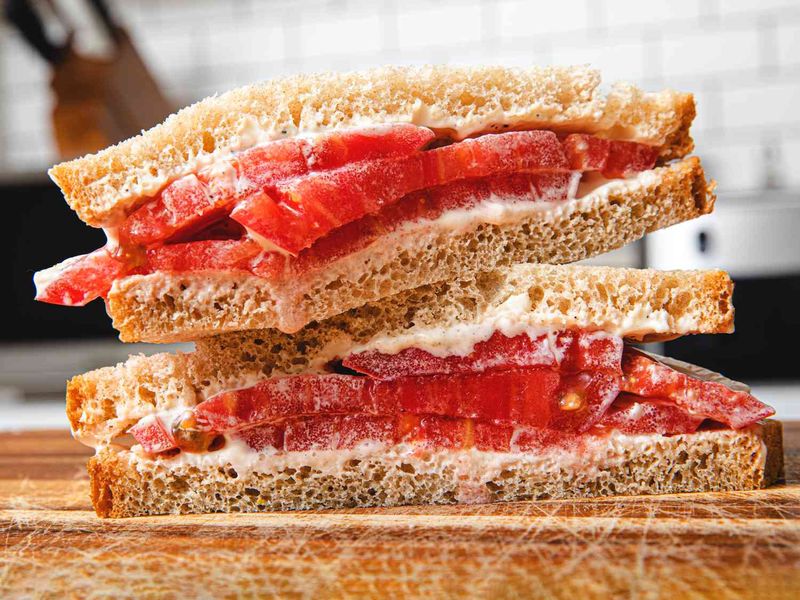
John Montagu, the fourth Earl of Sandwich, revolutionised quick meals in the 1700s without even trying. This passionate gambler refused to leave his card table for dinner, so he requested meat between two slices of bread.
His friends started ordering "the same as Sandwich," and the name stuck. What began as a convenient gaming snack transformed into one of the world's most popular foods, with countless variations enjoyed by millions daily across every continent.
5. Peach Melba
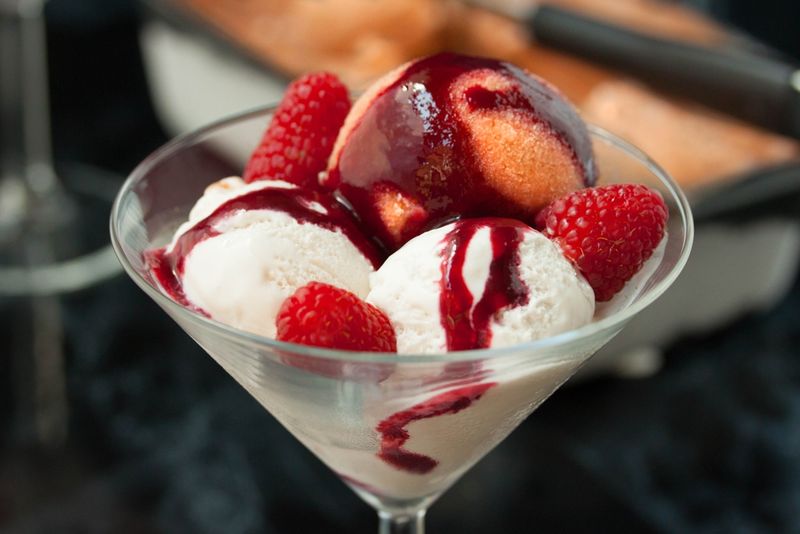
French chef Auguste Escoffier created this elegant dessert in 1892 to honour Australian opera singer Dame Nellie Melba. After watching her perform at Covent Garden in London, he was so impressed that he crafted a special dish featuring poached peaches, vanilla ice cream, and raspberry sauce.
Originally served between swan ice sculptures, this refined sweet became synonymous with sophistication. The dessert's delicate flavours perfectly captured the soprano's graceful artistry and refined taste.
6. Pavlova
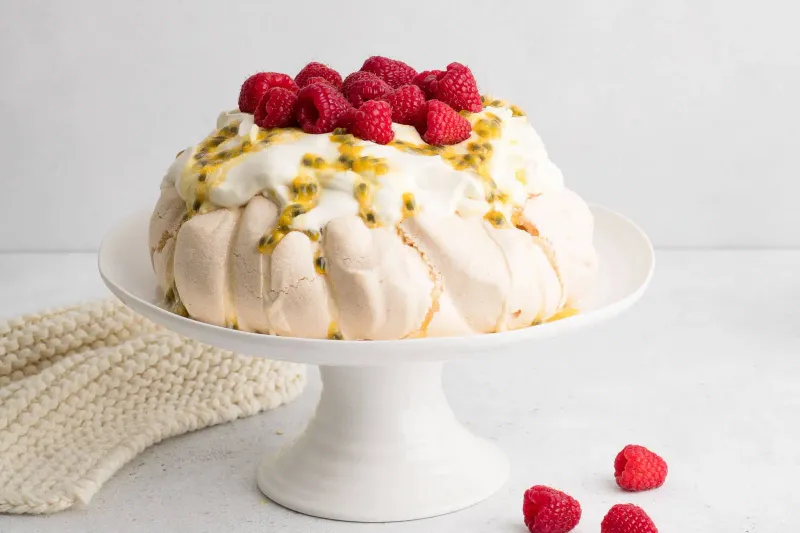
This cloud-like meringue dessert sparked a friendly rivalry between Australia and New Zealand, both claiming its invention. Created during the 1920s to honour Russian ballerina Anna Pavlova during her tour of both countries, the dessert's light, airy texture supposedly mimicked her graceful dancing.
Topped with whipped cream and fresh fruit, particularly passionfruit and kiwi, pavlova remains a beloved dessert for summer celebrations. Its crispy exterior and marshmallow-soft centre make every bite magical.
7. Beef Stroganoff
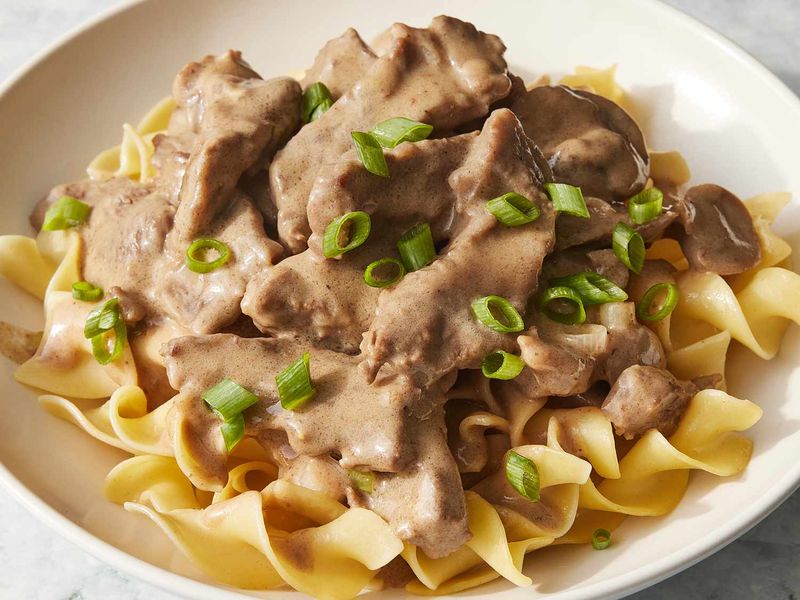
Count Pavel Stroganoff, a wealthy 19th-century Russian aristocrat, lent his name to this creamy, comforting dish. His personal chef created the recipe featuring sautéed beef in a rich sour cream sauce, perfect for the Count's elegant dinner parties.
The dish quickly spread throughout Russia and eventually worldwide. Today, beef stroganoff remains a family favourite, often served over egg noodles or rice, bringing restaurant-quality flavour to home kitchens everywhere with its tender meat and velvety sauce.
8. Sachertorte
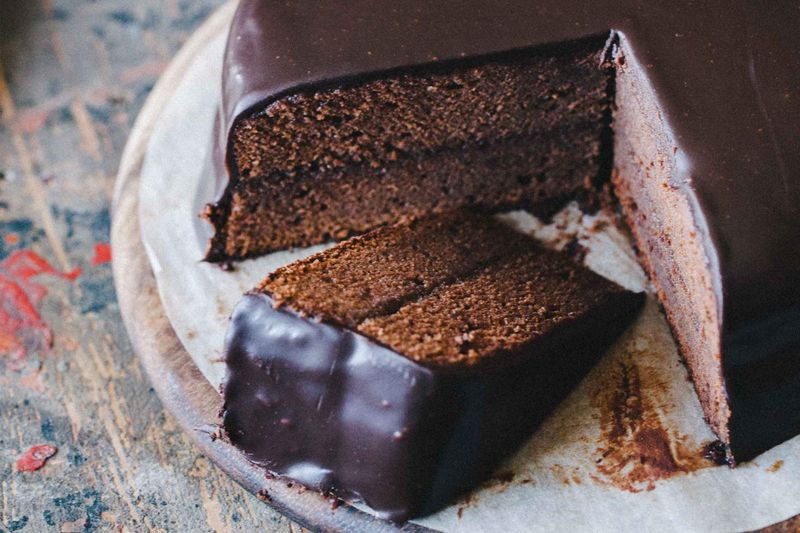
Franz Sacher, a 16-year-old apprentice chef, invented this famous chocolate cake in 1832 when his employer fell ill before an important dinner for Austrian royalty. Despite his inexperience and nervousness, young Franz created a dense chocolate cake with apricot jam filling and glossy chocolate icing.
The dessert became Vienna's most celebrated cake, sparking a decades-long legal battle over the authentic recipe. Today, Hotel Sacher still serves the original version to chocolate lovers worldwide.
9. Nachos
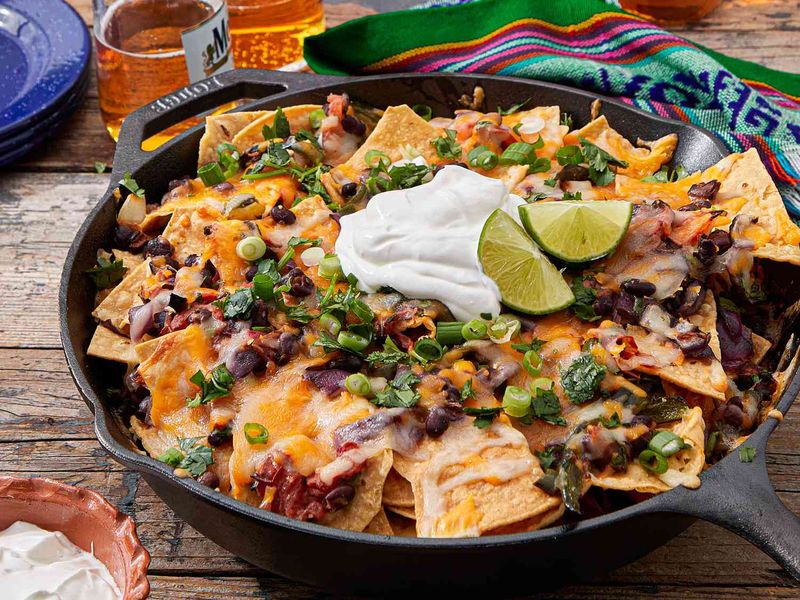
Ignacio "Nacho" Anaya created this beloved snack in 1943 at a restaurant in Piedras Negras, Mexico. When a group of hungry military wives arrived after closing time, resourceful Nacho quickly fried tortilla chips, topped them with cheese and jalapeños, then grilled everything together.
He called them "Nacho's especiales," and the dish became wildly popular. Today, nachos are a stadium staple and party favourite, enjoyed with countless toppings from guacamole to sour cream worldwide.
10. Graham Crackers
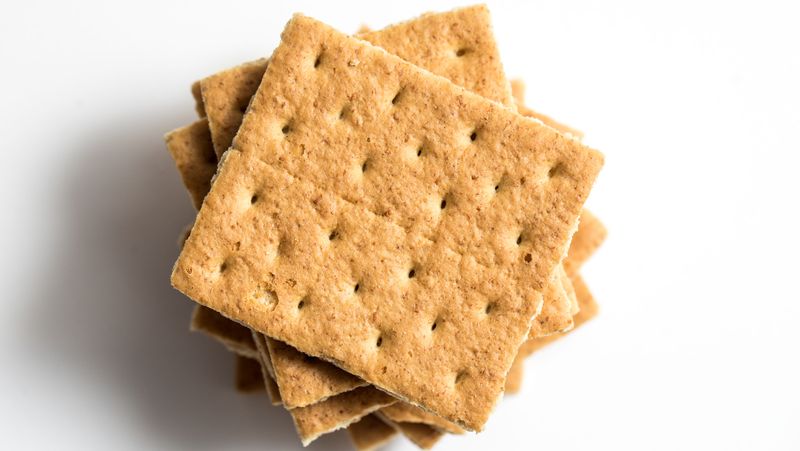
Sylvester Graham, a Presbyterian minister in 1800s America, developed these wholesome crackers as part of his health reform movement. He believed refined white flour was unhealthy and promoted whole wheat as a healthier alternative for better digestion and moral living.
His original crackers were bland and unsweetened, quite different from today's slightly sweet versions. Despite their humble beginnings, graham crackers became an essential ingredient for s'mores and cheesecake crusts, delighting generations of snackers.
11. Carpaccio
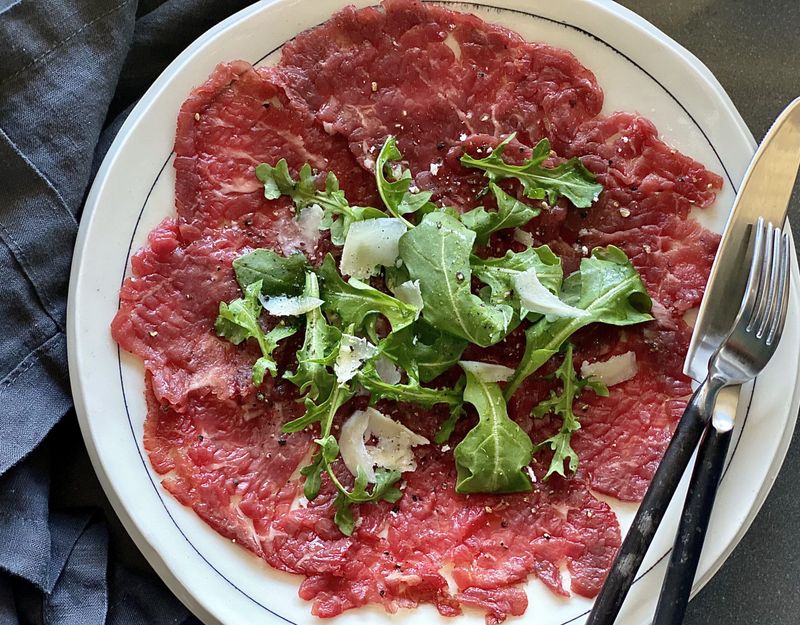
Carpaccio was created in Venice for a guest who preferred lightly prepared meat rather than cooked dishes. The idea was to slice beef extremely thin so it felt delicate, elegant, and easy to enjoy.
Its name was inspired by the bold red tones seen in the work of Renaissance painter Vittore Carpaccio. Simple garnishes and light seasoning allow the natural flavour of the meat to shine.
Over time, the style expanded to include fish and vegetables while keeping the same refined presentation.
12. Boysenberry
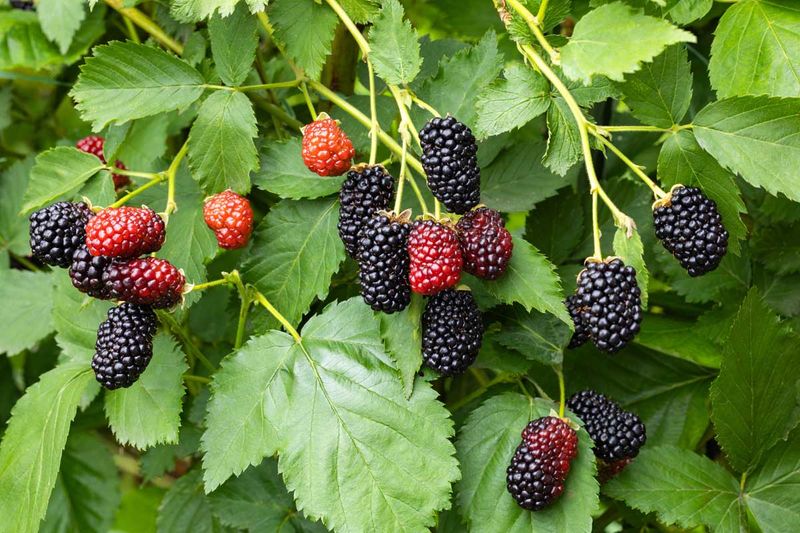
Rudolph Boysen, a California horticulturist, experimented with crossbreeding raspberries, blackberries, and loganberries during the 1920s. His hybrid creation produced large, flavourful berries with a unique sweet-tart taste that captured the best qualities of each parent plant.
Walter Knott later rescued Boysen's abandoned berry vines and cultivated them commercially at his farm, which eventually became Knott's Berry Farm theme park. Today, boysenberries flavour everything from jams to ice cream across America.