








Nutrition advice seems to change just when you finally feel settled into a routine, and the latest food pyramid update has left plenty of people scratching their heads. Between shifting priorities, new labels, and fresh visual guides, it’s easy to wonder what actually belongs on your plate these days.
Curiosity naturally grows when familiar rules suddenly look different and the messages feel mixed. A clearer look at what’s changed helps everyday food choices feel far less overwhelming.
All information is provided for general educational purposes only and is not intended as medical or nutritional advice. Dietary needs vary based on age, health status, activity level, and personal circumstances. For personalised guidance, a qualified healthcare or nutrition professional should be consulted.
The Inverted Pyramid: Why Protein And Healthy Fats Now Top The Chart

Many modern nutrition models place more emphasis on balanced protein and healthy fats than older food guides once did. These nutrients are valued because they support fullness, steady energy, and overall body function when eaten in sensible portions.
Your body uses them to maintain muscle, support brain activity, and help regulate hormones. Foods such as fish, nuts, eggs, seeds, olive oil, and avocados often feature more prominently in updated guidance.
The overall shift reflects growing interest in food quality, balance, and long-term eating habits rather than rigid rules.
What "Eat Real Food" Really Means In The New Guidelines
"Eat real food" sounds simple, but what does it actually mean when you're standing in the supermarket aisle? Essentially, it's about choosing items your great-grandmother would recognise as food rather than laboratory creations packed with unpronounceable ingredients.
Fresh vegetables, whole fruits, unprocessed meats, and foods without lengthy ingredient lists should fill most of your trolley. Packaged snacks with artificial colours, preservatives, and added sugars don't make the cut.
This approach prioritises nutrient density over convenience, helping your body get vitamins and minerals from actual food sources.
How Fruits, Vegetables And Whole Foods Fit In The Redesign
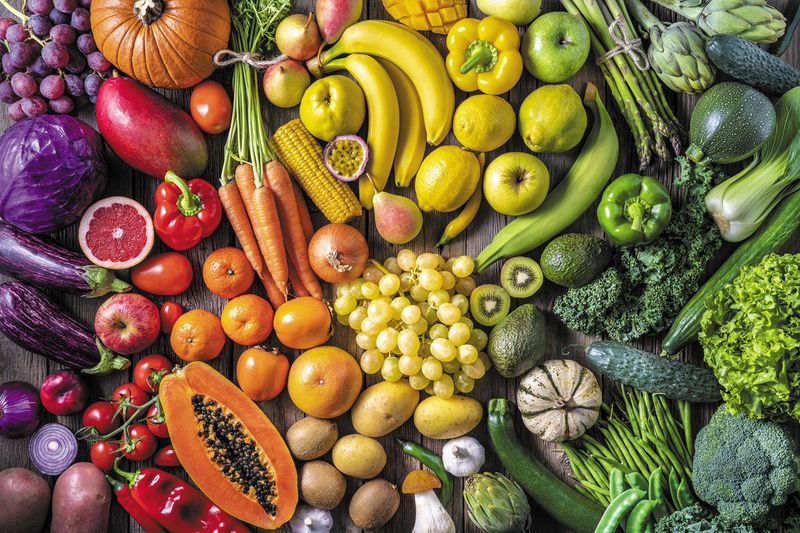
Nobody's arguing against eating your greens—fruits and vegetables still hold a crucial spot in the updated pyramid. They provide fibre, antioxidants, and essential vitamins that support everything from your immune system to your skin health.
The difference now is that they share the stage more equally with proteins and fats instead of being overshadowed by grain-heavy recommendations. Aim for a rainbow of colours on your plate to maximise nutritional variety.
Berries, leafy greens, cruciferous vegetables, and seasonal produce offer the biggest nutritional bang for your buck.
Where Carbohydrates And Whole Grains Sit In Today's Pyramid
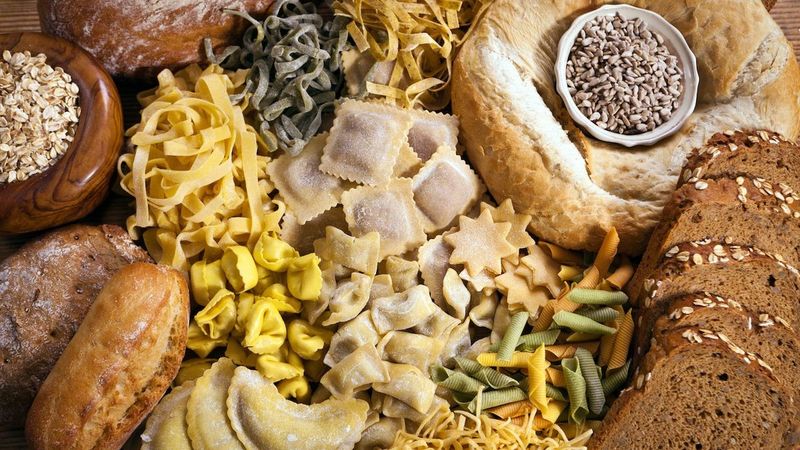
Carbohydrates are still very much part of healthy eating, but many newer guidelines encourage more thoughtful portion sizes and better-quality choices. Whole grains such as oats, brown rice, and wholemeal bread provide fibre and steady energy when included sensibly.
The focus has moved away from relying heavily on refined white flour products as everyday staples. Paying attention to how carbs fit alongside protein, fats, and vegetables helps create more balanced meals.
For active lifestyles, carbohydrates continue to play an important supporting role without needing to dominate the plate.
What Experts Agree On - And Where They Disagree
Nearly all nutrition experts agree that processed foods, excessive sugar, and trans fats harm your health. They also universally support eating more vegetables and drinking plenty of water as foundational habits.
Where things get messy is in the details: some professionals champion low-carb approaches whilst others defend moderate grain consumption. Debates rage over dairy, red meat, and whether certain oils are heroes or villains.
The disagreements often stem from different research interpretations, individual metabolic variations, and evolving scientific understanding that keeps nutrition science dynamic.
Making Sense Of Conflicting Messages In Modern Nutrition Advice
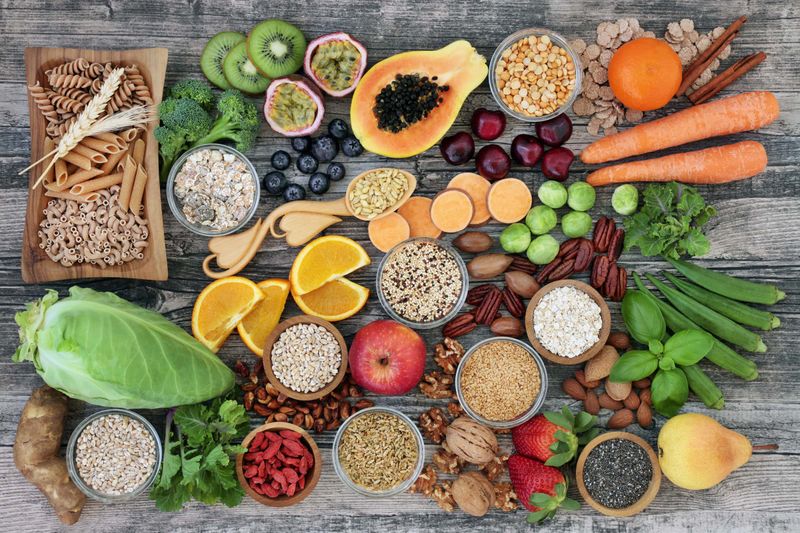
One headline tells you eggs are dangerous whilst another proclaims them a superfood - no wonder you're confused! The key is understanding that nutrition research evolves, and what works brilliantly for one person might not suit another's unique biology.
Focus on consistent themes across reputable sources: prioritise whole foods, limit processed junk, stay hydrated, and listen to your body's signals. Don't get distracted by extreme diet trends that promise miraculous results overnight.
Building sustainable habits based on balanced eating beats chasing every new fad that appears on social media.