







Trying food from another culture can be exciting, but it can also come with a little hesitation when flavours or traditions feel unfamiliar. Some dishes instantly win over British tastebuds, whilst others take a bit more warming up to.
Curiosity grows when you start noticing which plates people happily order again and which ones quietly get passed over. Exploring these contrasts offers a fun peek into how food habits and comfort zones shape everyday choices.
All information is provided for general interest only. Food availability, preparation styles, and regional variations may differ by location and season. Taste preferences are subjective and can vary from person to person.
1. German Foods Brits Rarely Choose
Trying unfamiliar foods can feel exciting, but it can also bring a bit of hesitation when flavours, textures, or traditions feel very different from what people grew up with. Some German dishes challenge British comfort zones more than others, especially when ingredients or preparation styles seem unusual at first glance.
The next 7 foods highlight the German dishes that Brits tend to approach with the most caution.
2. Strongly Flavoured Sausages And Cured Meats
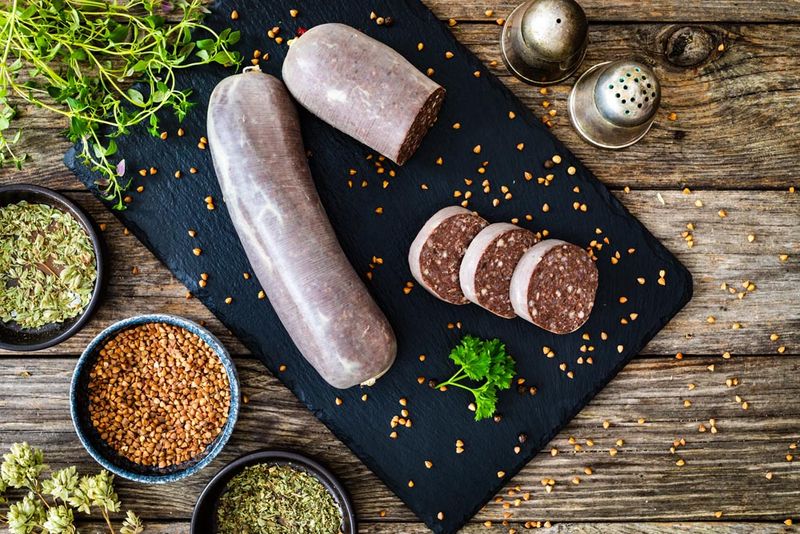
Many German wursts pack an intense punch that British taste buds find overwhelming. Varieties like blutwurst, with its iron-rich blood content, or leberwurst, dominated by liver, often sit untouched on British plates.
The pungent aroma and robust flavours clash with the milder sausages Brits grew up enjoying. Whilst adventurous eaters might sample them once, most prefer sticking to familiar bangers.
3. Vinegar-Heavy Pickled Dishes
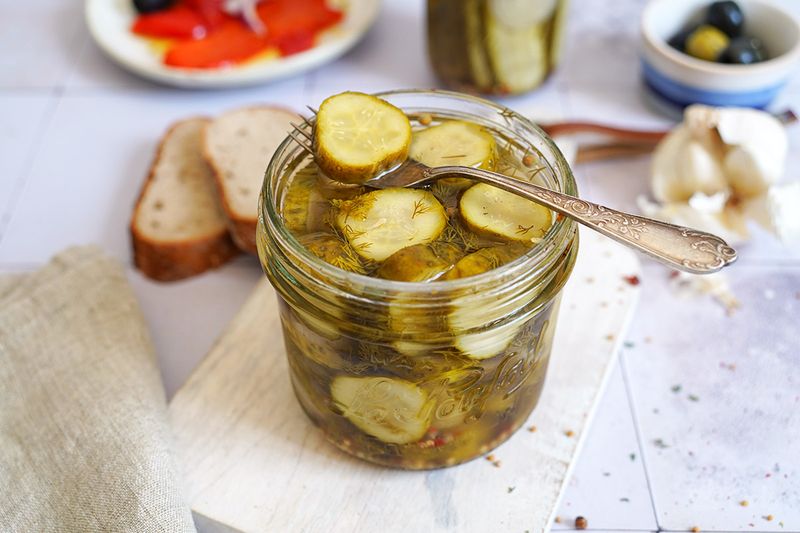
Germans adore their pickled vegetables swimming in sharp vinegar baths, but Brits typically wrinkle their noses at the acidity. Dishes like saure gurken or pickled herring deliver a mouth-puckering experience that feels too extreme.
The intense tanginess overwhelms rather than complements other flavours on the plate. Most British diners prefer gentler pickles or skip them entirely.
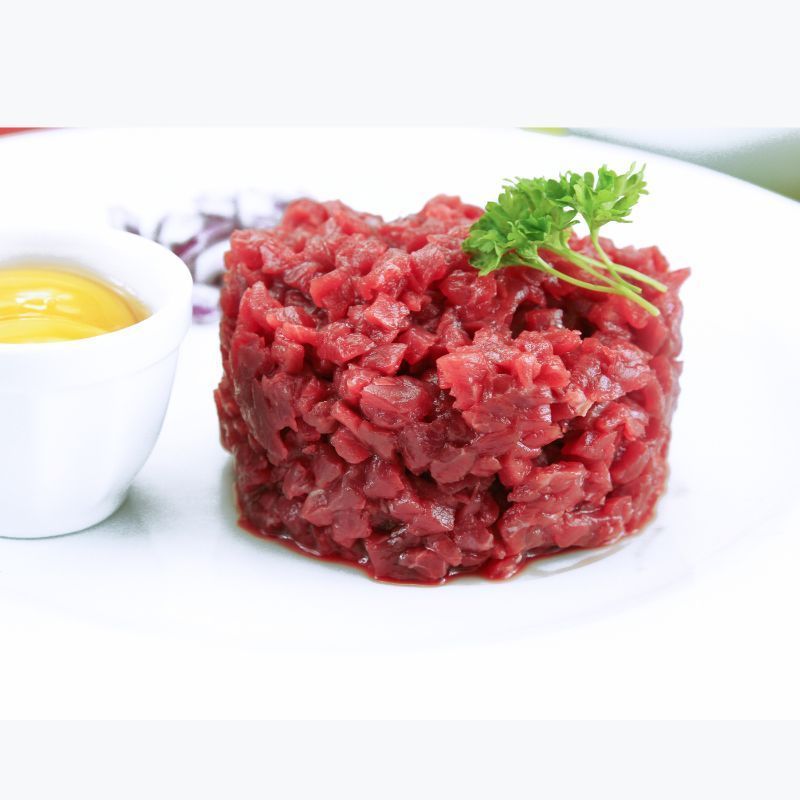
4. Raw Minced Meat Specialities
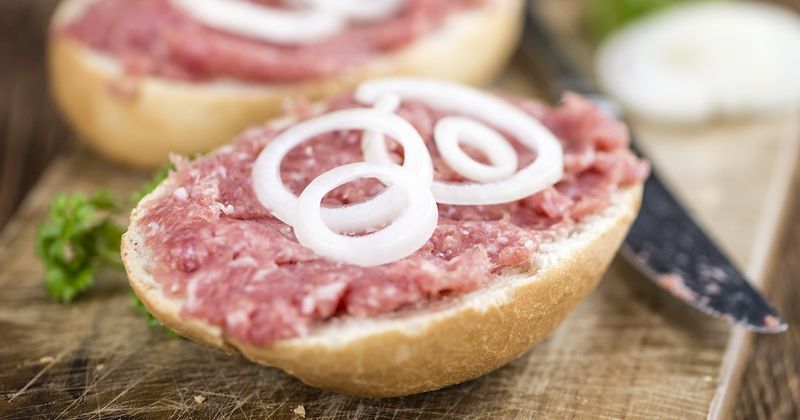
Mett and hackepeter, Germany's raw minced pork spreads, trigger instant alarm bells for British eaters raised on thoroughly cooked meat. The idea of spreading uncooked pork on bread feels risky and unappetising.
Cultural food safety concerns run deep, making this delicacy a hard sell. Even explaining the strict preparation standards rarely convinces hesitant Brits to try it.
5. Dense Rye Bread Varieties
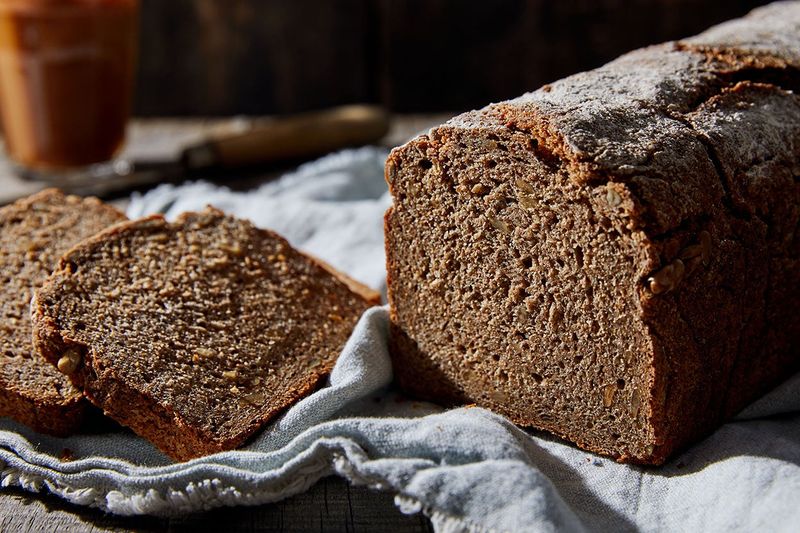
Heavy, dark German rye breads like pumpernickel and vollkornbrot feel like chewing through history itself. British palates accustomed to fluffy white or wholemeal loaves find the dense texture and sour flavour challenging.
The earthy, almost bitter notes don't match expectations of what bread should taste like. Most Brits politely decline seconds when offered these substantial slices.
6. Sweet And Savoury Dumpling Combinations
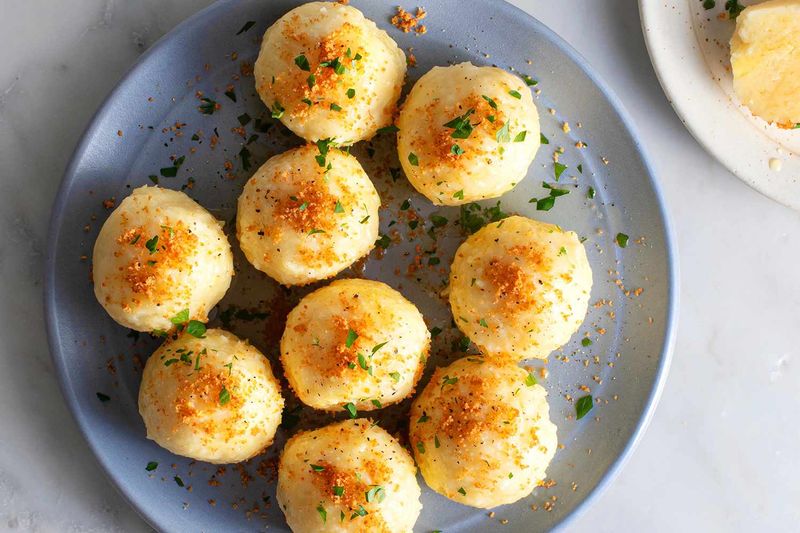
German dumplings that blur the line between dessert and main course confuse British diners expecting clear flavour boundaries. Combinations like fruit-filled dumplings served alongside meat leave many scratching their heads.
The concept of mixing sweet and savoury in one meal feels wrong to traditionalists. This culinary approach remains one of Germany's hardest sells across the Channel.
7. Fermented Cabbage-Based Dishes
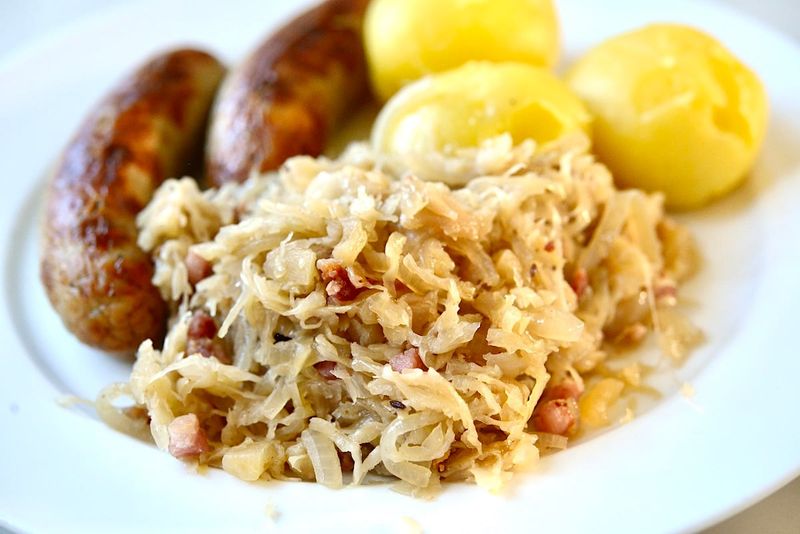
Sauerkraut's tangy, fermented flavour divides opinions sharply, with most Brits landing firmly in the 'no thanks' camp. The sour punch and slightly slimy texture don't appeal to those raised on simply boiled vegetables.
Whilst health enthusiasts praise its probiotic benefits, the acquired taste proves too much for mainstream British eaters. It remains firmly on the 'too German' list.
8. Game-Based Regional Recipes
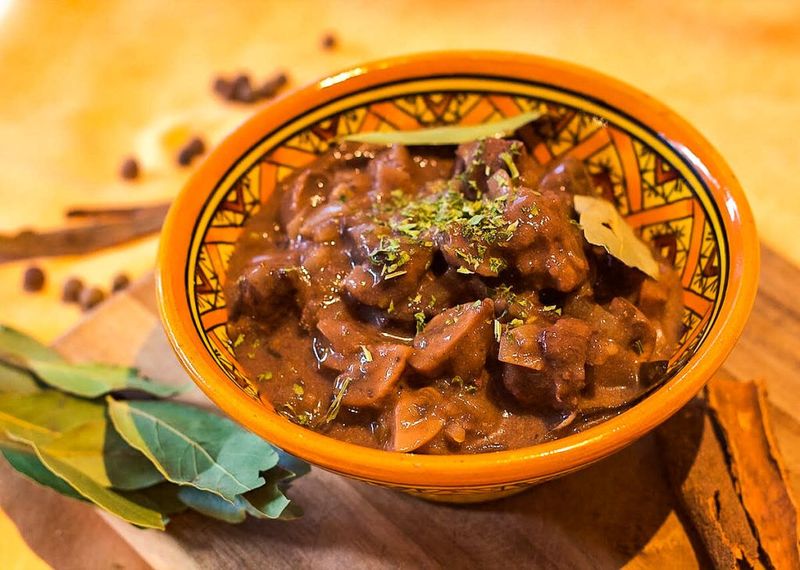
Wild boar, venison, and rabbit feature prominently in German regional cooking, but British diners often shy away from game meat. The stronger, gamey flavour and different texture feel unfamiliar and slightly intimidating.
Concerns about preparation and sourcing add to the hesitation. Most Brits prefer sticking to chicken, beef, or pork when dining out or cooking at home.
9. German Foods Brits Just Adore

Once curiosity takes over, many German dishes quickly win people over with comforting flavours and familiar textures. Crisp coatings, gentle seasoning, and hearty portions often feel reassuring rather than intimidating to British palates.
The next 7 foods showcase the German favourites that Brits genuinely love coming back to.
10. Crisp Schnitzel And Breaded Cutlets
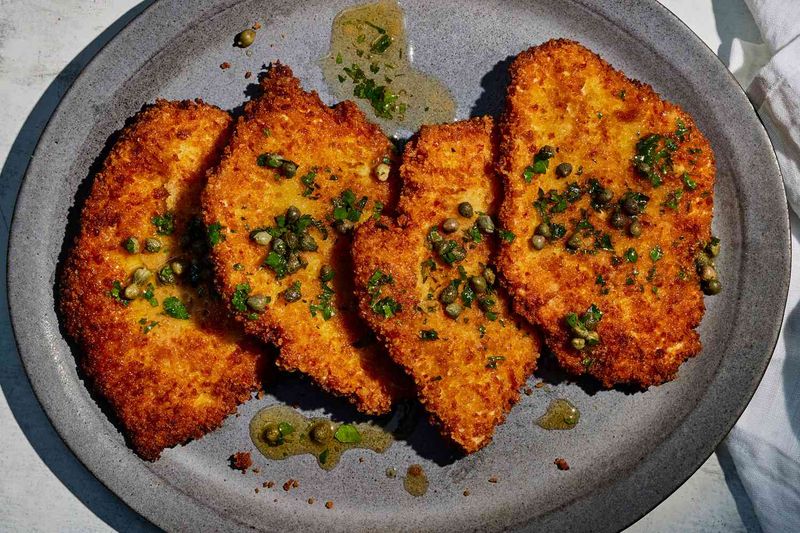
Golden schnitzel appeals instantly with its crisp coating and tender meat inside. The familiar idea of breaded meat feels comforting, a little like an elevated version of classic British favourites.
Pork or chicken both work beautifully, delivering satisfying crunch with every bite. The simplicity makes it easy to enjoy without overthinking flavours or textures.
It’s the kind of dish that quietly wins people over after just one visit.
11. Soft Pretzels And Bakery Favourites

Soft pretzels are easy to spot thanks to their twisted shape and lightly salted crust. The chewy texture and mild flavour make them approachable even for people trying them for the first time.
Enjoyed plain or lightly buttered, they fit neatly into snack time or casual lunches. Markets and food stalls often feature them alongside other baked treats.
They feel playful, comforting, and pleasantly different without being intimidating.
12. Creamy Potato Salads
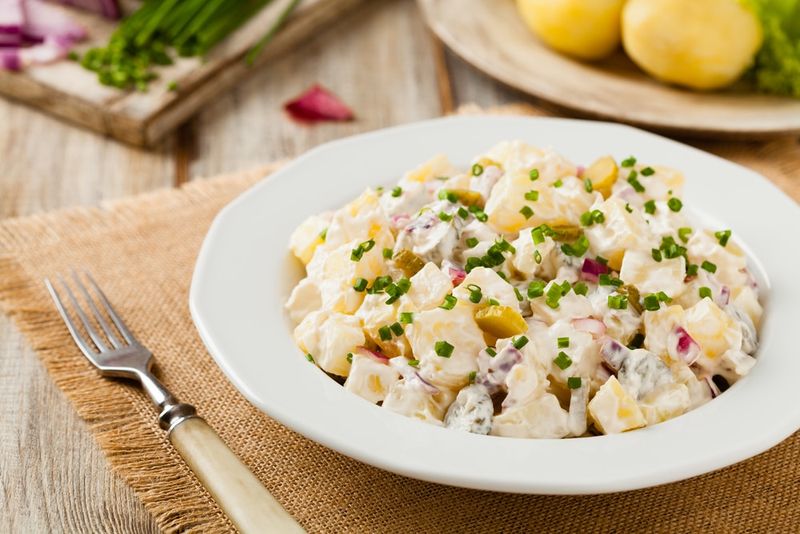
German potato salads come in a few different regional styles, with some using creamy dressings and others leaning more towards lighter, tangy versions. British diners often enjoy the comforting texture of tender potatoes paired with gentle seasoning and simple flavours.
The balance feels familiar without being boring, which makes it easy to enjoy alongside many dishes. Served warm or chilled, it works well as a side for meats, picnics, or casual meals.
It’s a comforting option that feels both familiar and slightly different from everyday British versions.
13. Rich Slow-Cooked Pork Dishes
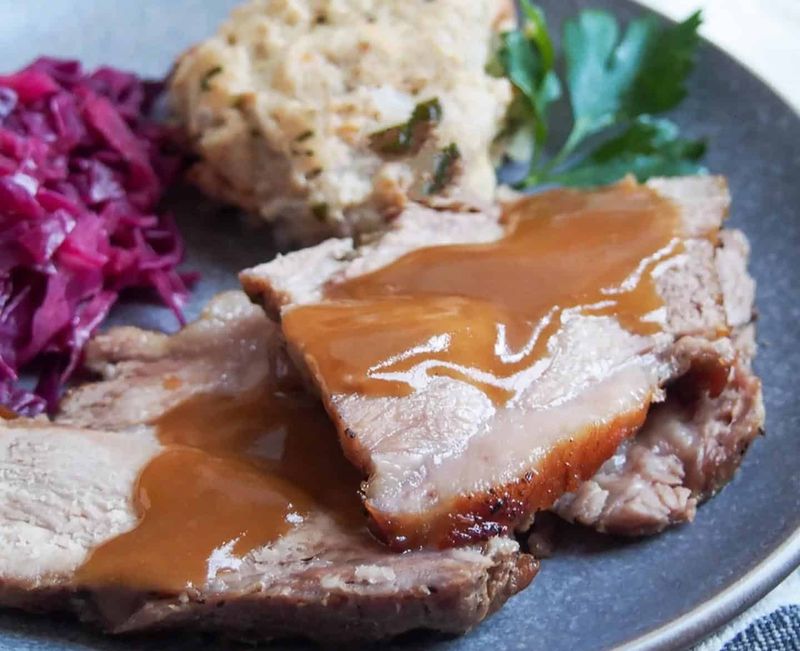
Slow-cooked pork dishes deliver exactly the kind of comfort many British diners enjoy. Tender meat, rich sauces, and gentle seasoning create deep flavour without feeling heavy or complicated.
The textures feel familiar while the seasoning adds a subtle twist that keeps things interesting. These dishes often remind people of home-style cooking with a slightly different accent.
It’s easy to see why they continue to attract curious diners looking for something hearty and satisfying.
14. Apple-Based Desserts And Strudels
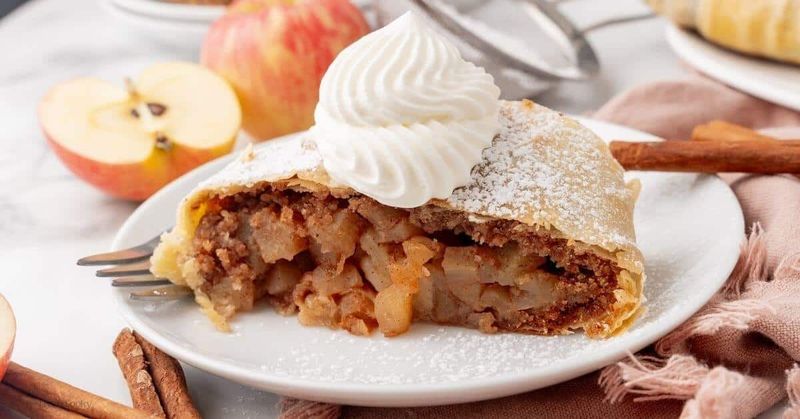
Apple-filled pastries tend to feel instantly comforting thanks to warm spice and soft fruit. Flaky layers and gently sweet fillings create a dessert that feels familiar without being predictable.
Many people enjoy how light the pastry feels compared with heavier puddings. Served warm with a simple accompaniment, it delivers cosy satisfaction without being overly rich.
It’s a dessert style that naturally appeals to anyone who enjoys classic baked treats.
15. Lightly Spiced Sausages
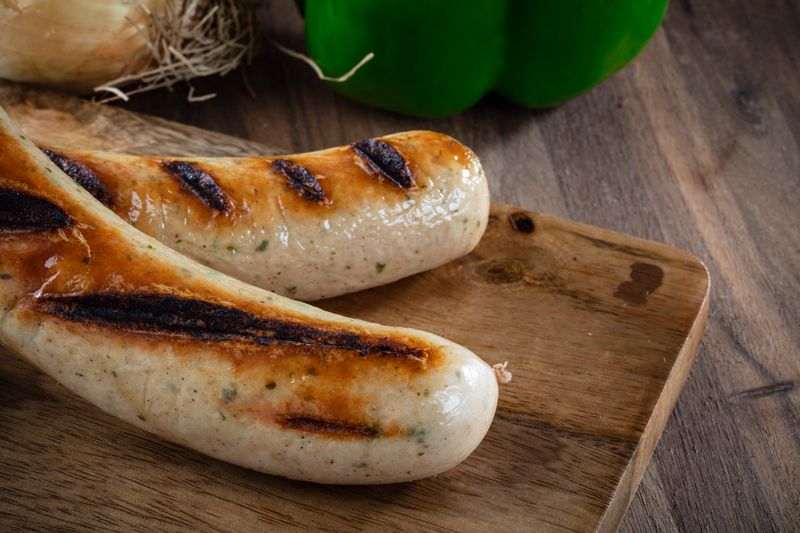
Bratwurst and bockwurst, with their gentle seasoning and juicy texture, feel perfectly pitched for British tastes. Unlike their stronger cousins, these sausages offer flavour without overwhelming the palate.
Grilled or fried, they slot beautifully into British meals and barbecues. These mild German sausages have become genuine crossover hits in British supermarkets and restaurants.
16. Warm Custard-Style Puddings

German vanilla sauce and creamy puddings like griessbrei remind Brits of childhood comfort with their smooth, custardy texture. The gentle sweetness and warmth provide perfect winter comfort food.
These desserts feel familiar yet special, bridging cultural gaps effortlessly. British diners happily embrace these puddings as delicious alternatives to traditional British custard-based treats.