








Thoughtful meal planning often focuses on choosing ingredients that support balance, variety, and long term eating habits rather than strict rules or complicated restrictions.
Many everyday foods naturally fit into heart conscious menus, offering fibre, healthy fats, and useful nutrients that work well across breakfast, lunch, and evening meals.
These ingredients are widely available in UK supermarkets and adapt easily to familiar recipes and cooking styles. Looking at a small selection of reliable options can help make weekly food choices feel more approachable and consistent.
All information is provided for general information only. Consult a qualified professional, doctor, or nutritionist for personalised advice.
Taste, appearance, and availability may vary. Photos are for illustrative purposes only.
1. Oats
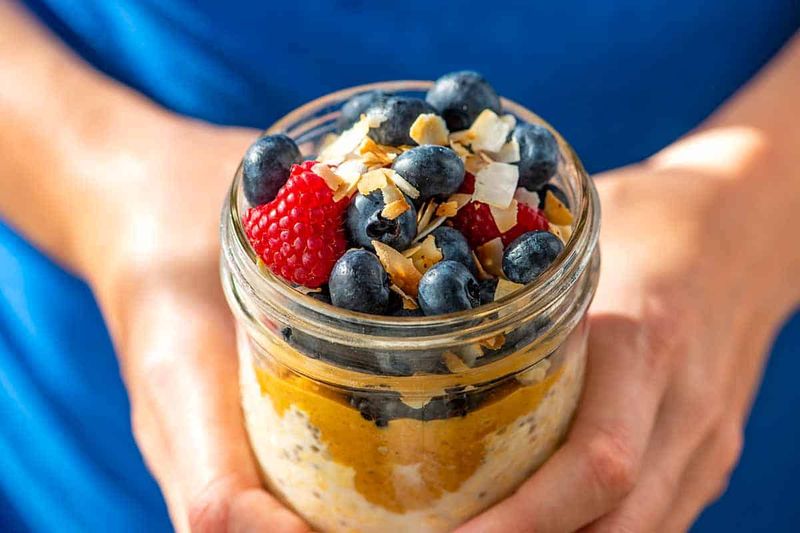
Starting your morning with a bowl of porridge might sound old-fashioned, but oats pack a serious punch when it comes to lowering cholesterol. Soluble fibre – the kind that oats are loaded with – binds to LDL cholesterol in your digestive system and escorts it out before it can clog up your arteries.
Throw in some berries, a drizzle of honey, or a handful of nuts, and you've got a breakfast that's both filling and genuinely good for your heart.
Overnight oats, baked oat bars, or even savoury porridge bowls offer endless variety without losing those cardiovascular benefits.
2. Lentils
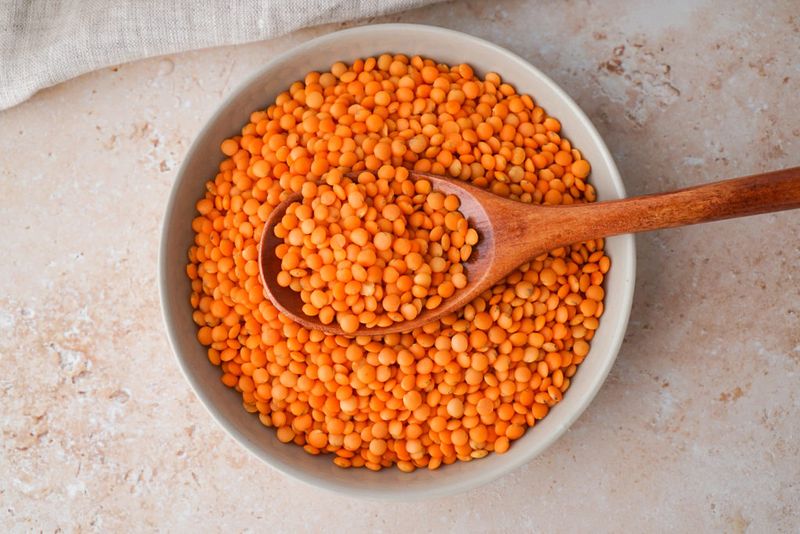
Lentils are the unsung heroes of the pulse family – cheap, versatile, and absolutely brilliant at stabilising blood sugar whilst lowering bad cholesterol.
Red, green, or brown, each variety brings its own texture and flavour, making them perfect for curries, soups, or even veggie burgers.
Because they're rich in plant-based protein and fibre, lentils keep you satisfied for ages without weighing you down. A simple dhal or lentil stew can become a weeknight staple that your heart (and your wallet!) will thank you for.
3. Chickpeas
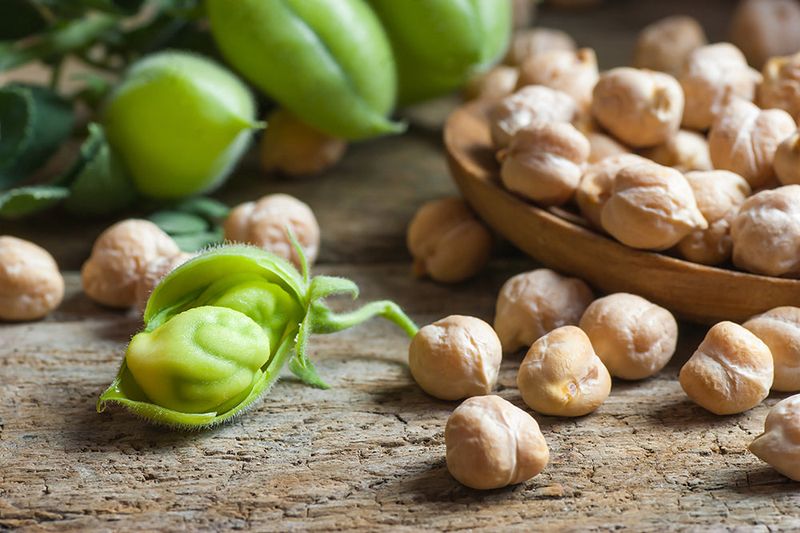
Ever wondered why hummus is so popular? Chickpeas are naturally creamy, satisfying, and absolutely loaded with fibre that helps keep cholesterol levels in check.
Roast them with a pinch of paprika for a crunchy snack, toss them into salads, or blend them into dips.
They're also brilliant at keeping your blood sugar stable, which means fewer energy crashes and less strain on your cardiovascular system. Whether you buy them tinned or cook them from dried, chickpeas are a pantry staple that punches well above their weight in the heart-health department.
4. Leafy Greens
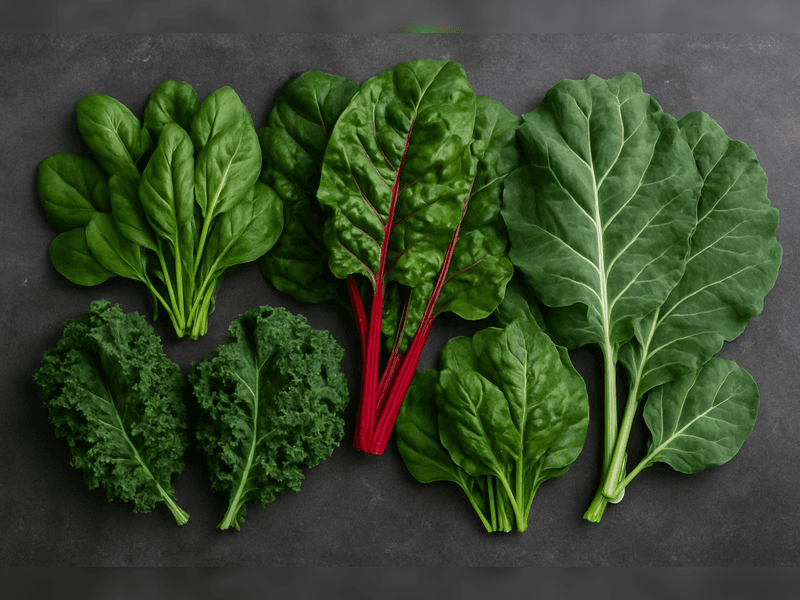
Spinach, kale, rocket, chard – whatever your preference, leafy greens are nutritional powerhouses that help regulate blood pressure and improve vascular health. Packed with vitamins, minerals, and antioxidants, they're like a multivitamin you can actually enjoy eating.
Wilt them into pasta, blend them into smoothies, or pile them onto your plate as a simple side. The darker the leaves, the more goodness they tend to pack, so don't be shy about going green.
A handful a day genuinely makes a difference to your heart's workload.
5. Tomatoes
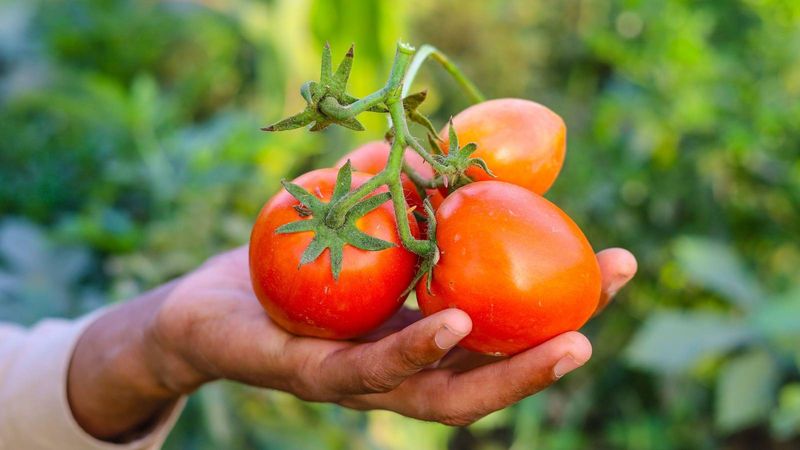
Juicy, versatile, and bursting with lycopene – an antioxidant that helps reduce blood pressure and lower heart disease risk – tomatoes are a kitchen essential.
Whether you're slicing them fresh into salads, roasting them for pasta sauce, or simmering them into soups, they bring flavour and heart benefits in equal measure.
Interestingly, cooking tomatoes actually boosts the lycopene your body can absorb, so tinned tomatoes are just as brilliant as fresh ones. High in potassium too, they help balance sodium levels and keep your cardiovascular system ticking along nicely.
6. Berries
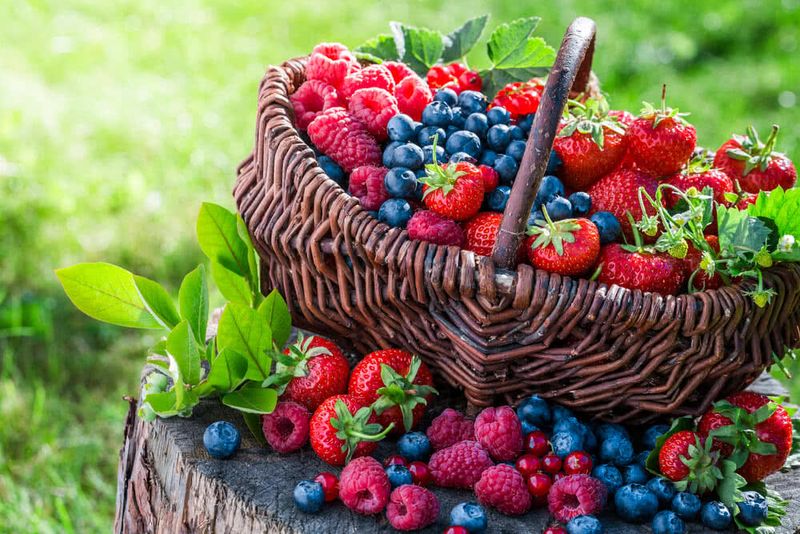
Blueberries, strawberries, raspberries, blackberries – nature's little jewels are packed with antioxidants that combat oxidative stress and help keep blood pressure in check. Pop them into porridge, blend them into smoothies, or just eat them by the handful as a sweet, guilt-free snack.
Frozen berries are just as nutritious as fresh, making them a budget-friendly option year-round. Their natural sweetness means you can satisfy a sugar craving whilst actually doing your heart a favour.
Plus, they're delicious enough that eating healthy feels like a treat rather than a chore.
7. Olive Oil
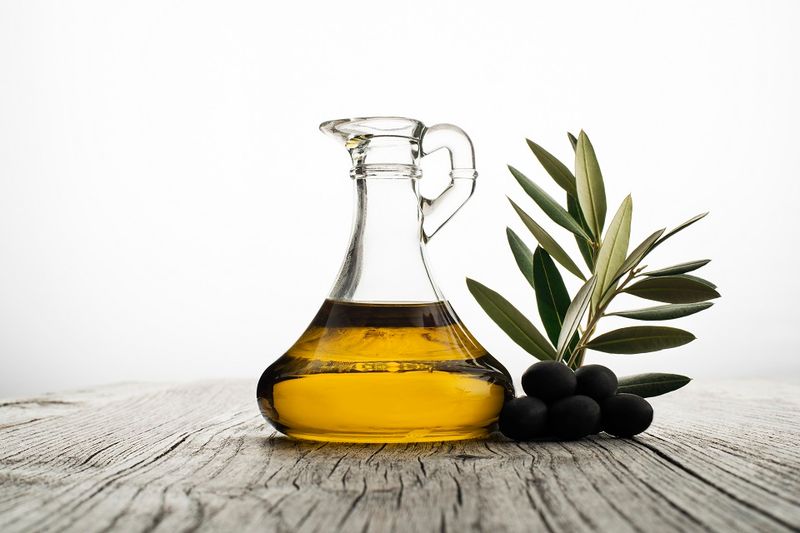
Swap your usual cooking oil for extra virgin olive oil and you're instantly upgrading your heart health. Rich in monounsaturated fats and antioxidants, it helps lower bad cholesterol and reduce inflammation throughout your body.
Drizzle it over salads, use it for gentle sautéing, or dip crusty bread into it for a simple, delicious treat. The flavour is distinctly Mediterranean – grassy, peppery, and utterly moreish.
Just remember, a little goes a long way, so you don't need to drown your food to reap the benefits.
8. Nuts
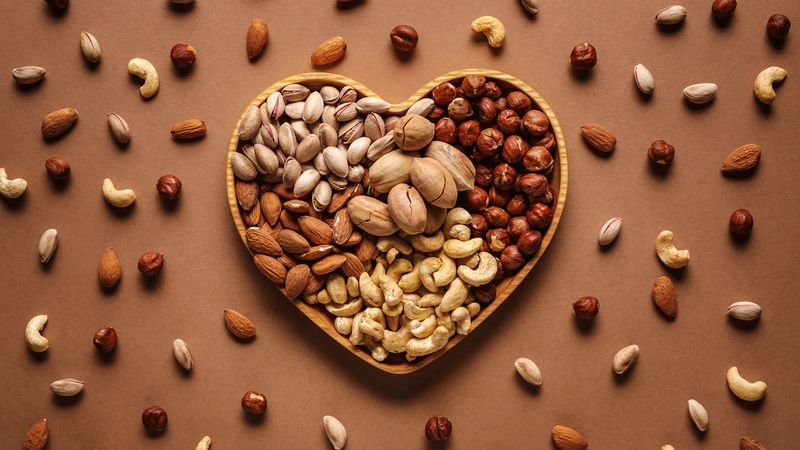
Almonds, walnuts, cashews, hazelnuts, nuts are nature's perfectly packaged snack, delivering healthy fats, fibre, and plant-based protein that support cardiovascular health.
A small handful curbs hunger, stabilises blood sugar, and provides essential nutrients your heart craves.
Toss them into salads, stir them into porridge, or simply keep a stash in your desk drawer for when the afternoon slump hits. Unsalted and unroasted varieties offer the most benefits, but even lightly roasted nuts beat reaching for crisps or biscuits.
Moderation is key – about a palmful daily does the trick.
9. Seeds
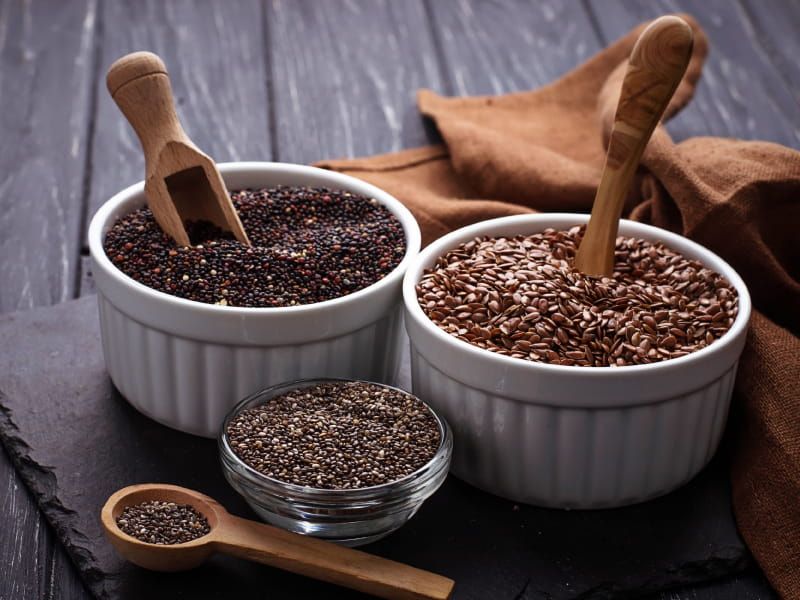
Chia, flax, pumpkin, sunflower, seeds might be tiny, but they're absolute nutritional dynamos. Packed with omega-3 fatty acids, fibre, and plant-based protein, they support heart health whilst adding a satisfying crunch to whatever you're eating.
Sprinkle them over porridge, blend them into smoothies, or stir them into yoghurt for an easy nutrient boost. Ground flaxseeds are particularly brilliant because your body can absorb their goodness more easily.
Keep a jar in your cupboard and you've got an instant way to upgrade any meal without fuss.
10. Wholegrain Bread
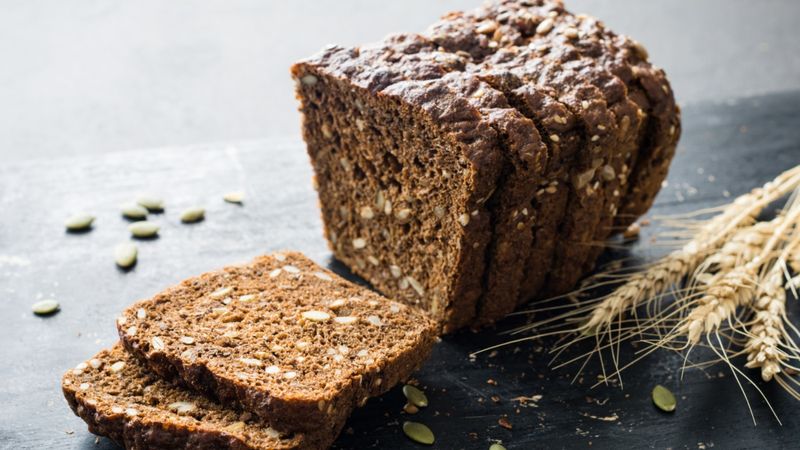
Swapping white bread for wholegrain might seem like a small change, but it makes a genuine difference to your cardiovascular health.
Wholegrain bread retains all the fibre, vitamins, and minerals that get stripped away during white flour processing, helping to lower cholesterol and regulate blood sugar.
Toast it for breakfast, use it for sandwiches, or dip it into soups and stews. Look for loaves where wholegrain flour is the first ingredient listed, and you'll be getting the real deal rather than a clever marketing trick dressed up as healthy.