








Vitamin D tends to fly under the radar until energy dips, joints start grumbling, or winter feels longer than it should. Sunshine helps, but everyday food choices quietly play a bigger role than many people realise.
Shopping habits, busy routines, and familiar meal patterns often mean certain nourishing foods rarely make it onto the plate. A closer look can reveal a few easy wins hiding in plain sight.
All information is provided for general educational purposes only and does not replace personalised medical or nutritional advice. Nutrient needs vary based on age, lifestyle, health conditions, and sun exposure. Anyone with concerns about vitamin levels or supplementation should consult a qualified healthcare professional.
1. Salmon
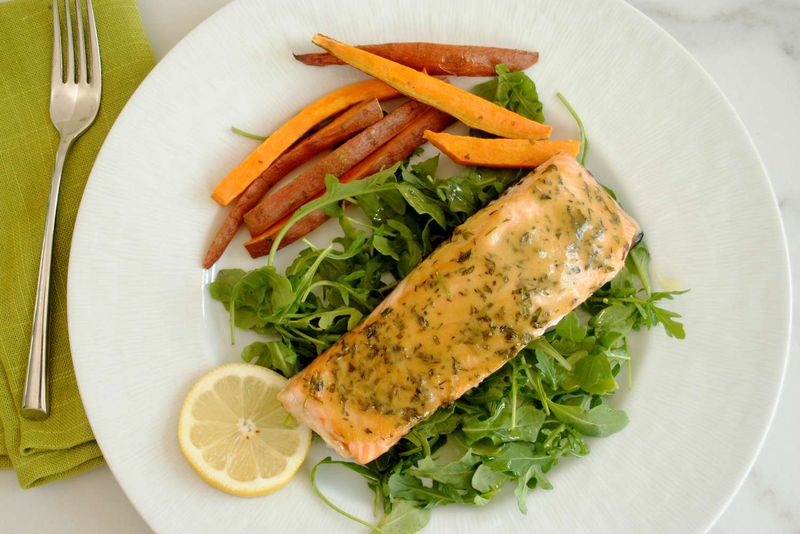
Oily fish like salmon are one of the more reliable food sources of vitamin D. Fresh, tinned, and smoked varieties can all contribute useful amounts depending on portion size and how often they appear in meals.
It slips easily into everything from quick lunches to relaxed evening dinners without much planning. The flavour works beautifully with simple ingredients, making it an easy staple to rotate into the week.
2. Mackerel
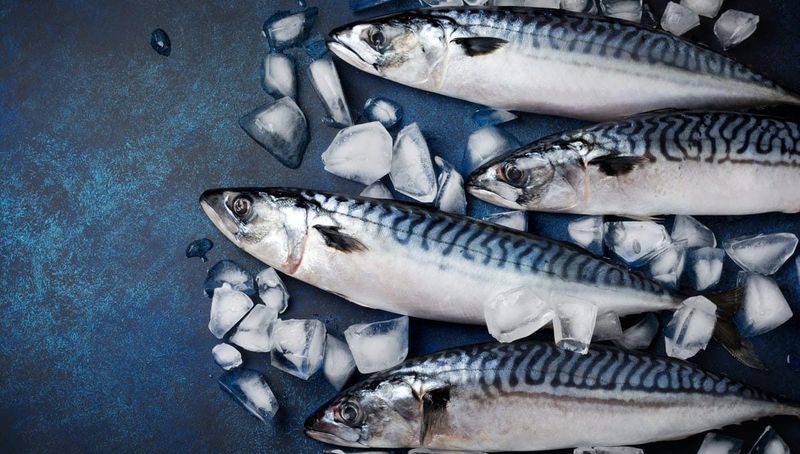
Mackerel often flies under the radar compared with more familiar fish, yet it still offers meaningful vitamin D alongside healthy fats. Portions can vary in nutrient content, but it remains a helpful addition for boosting variety in the diet.
Grilled fillets, smoked slices, or flaky chunks stirred into salads all bring bold flavour without much effort. Its rich taste holds up well to punchy seasonings and simple marinades.
3. Sardines
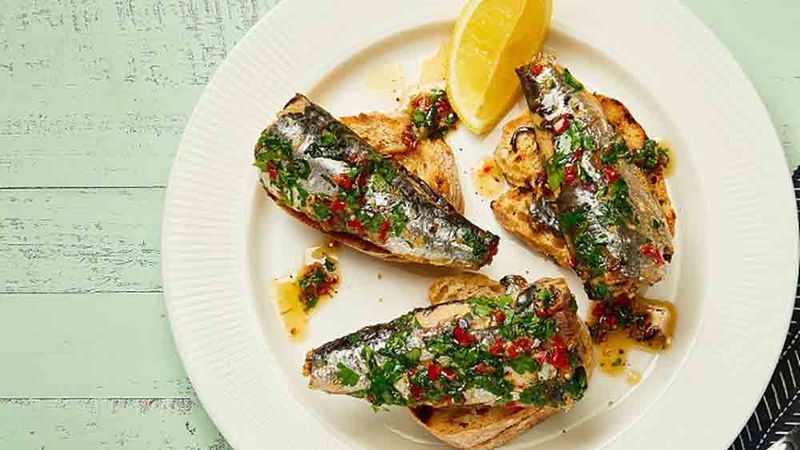
Tinned sardines are incredibly convenient and surprisingly nutritious, offering a hefty dose of vitamin D alongside calcium and omega-3s. They're shelf-stable, affordable, and ready to eat straight from the tin.
Mash them onto toast, toss them with tomato pasta, or enjoy them on crackers. They're a proper British cupboard staple that deserves more love.
4. Herring
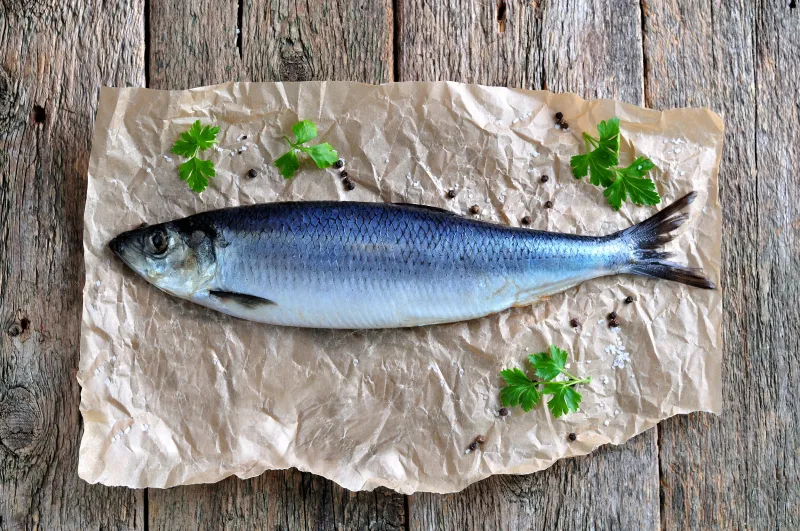
Herring has long been part of traditional British eating and naturally contains vitamin D in useful amounts. The exact level can differ depending on preparation and portion size, so it works best as part of a varied approach rather than a single solution.
Pickled versions pair nicely with bread and sharper flavours, whilst grilled fillets feel hearty and comforting. It’s a nostalgic option that still earns its place on modern plates.
5. Trout
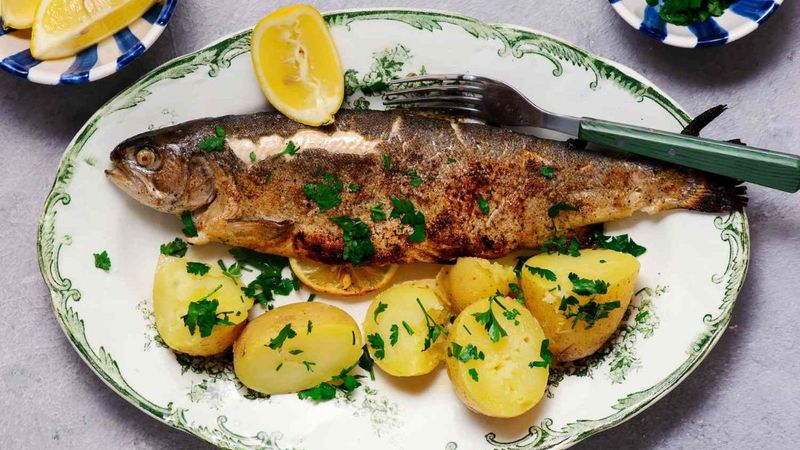
Rainbow trout is a delicate, mild fish that's rich in vitamin D and often farmed sustainably in the UK. It's a brilliant alternative if you find other oily fish too strong.
Bake it with herbs and butter, or pan-fry with almonds for a classic preparation. It's light, elegant, and perfect for those new to eating more fish.
6. Fortified Plant Milks
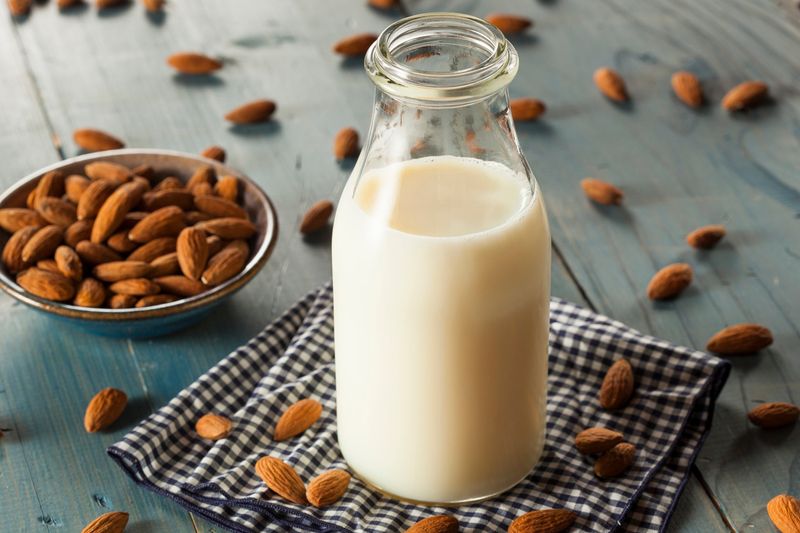
Many plant-based milks are fortified with vitamin D to help support everyday intake, although the exact amount can vary from brand to brand. A quick glance at the nutrition label makes it easy to see what each serving actually provides.
Almond, soya, oat, and similar options slip neatly into tea, porridge, smoothies, and baking without changing the overall flavour too much. Giving the carton a gentle shake before pouring helps spread the added nutrients evenly through the drink.
It’s a simple swap that fits comfortably into modern routines without much thought.
7. Egg Yolks
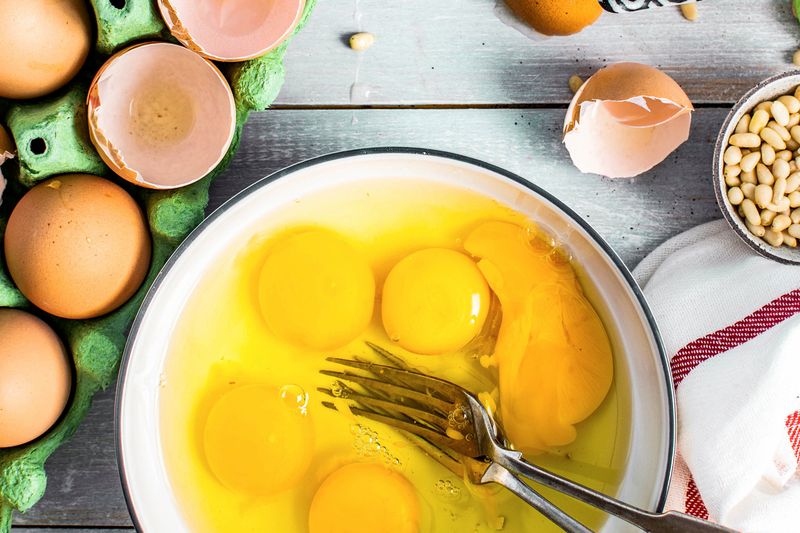
The humble egg yolk contains a decent amount of vitamin D, especially if the hens were raised on a varied diet or had access to sunlight. Free-range and organic eggs tend to have higher levels.
Scrambled, poached, or soft-boiled, eggs are endlessly versatile and fit into almost any meal. They're affordable, accessible, and genuinely nourishing.
8. Fortified Cow's Milk
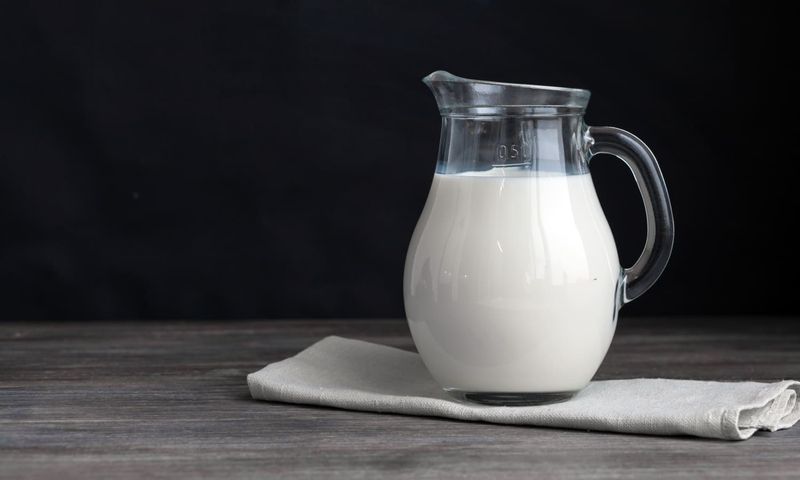
Some cow’s milk products in the UK are fortified with vitamin D, although this is not consistent across all brands or varieties. Naturally occurring vitamin D in standard milk tends to be very low, which makes fortification particularly useful when it is available.
Checking the label clearly shows whether vitamin D has been added, helping shoppers make informed choices. It works easily in everyday meals, from breakfast bowls to hot drinks and home baking.
For many households, it’s a low-effort way to gently support daily nutrient intake.
9. Fortified Breakfast Cereals
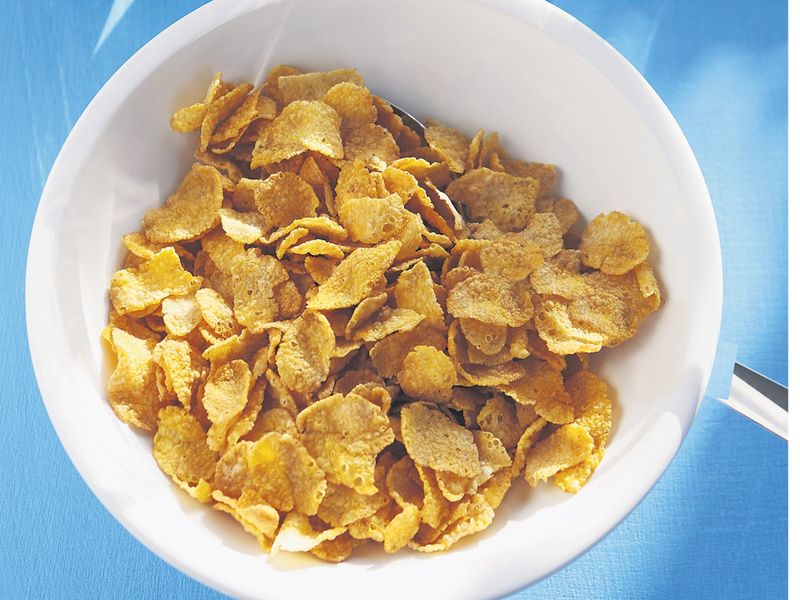
Many breakfast cereals sold in the UK are fortified with vitamin D, making them an easy way to boost your intake first thing in the morning. Check the label to see how much each serving provides.
Pour them with milk (which may also be fortified) for a double dose. It's a simple, no-fuss option that fits right into your daily routine.
10. Cod Liver Oil
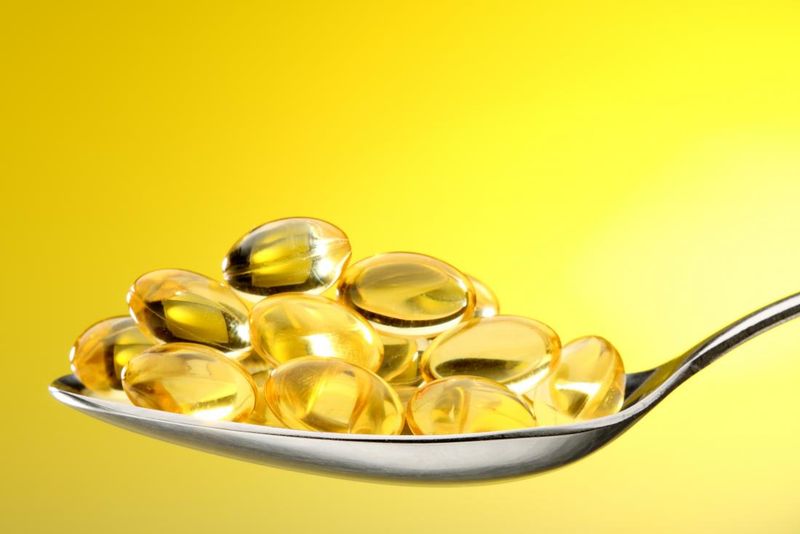
Cod liver oil is one of the richest sources of vitamin D available, with just a teaspoon providing several times your daily requirement. It also delivers a hefty dose of vitamin A and omega-3 fatty acids.
Available in liquid or capsule form, it's been a traditional British supplement for generations. It's potent, effective, and genuinely beneficial.
11. Beef Liver
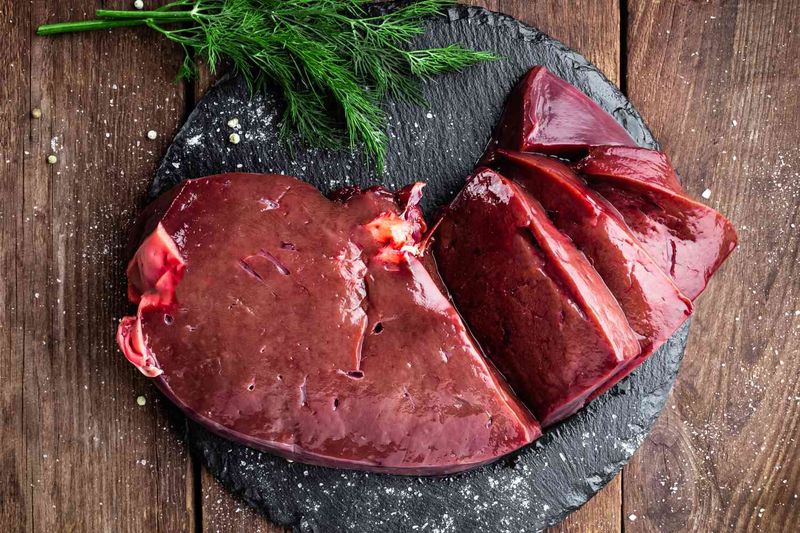
Beef liver is nutrient-dense and contains a good amount of vitamin D alongside iron, B vitamins, and protein. It's a traditional ingredient that's fallen out of fashion but remains incredibly nourishing.
Pan-fry it with onions, blend it into pâté, or add it to stews. It's an acquired taste, but worth trying if you're open to offal.
12. Fortified Margarine

Most margarines and spreads sold in the UK are fortified with vitamins A and D, making them a handy everyday source. Spreading it on toast or using it in cooking adds a small but meaningful boost.
It's widely available, affordable, and easy to incorporate into your routine.
Check the label to confirm it's fortified, as not all brands are created equal.