


Local bakeries have long played a central role in British high streets, offering familiar treats that became part of everyday routines for many households.
Over time, certain baked goods gained lasting recognition, often linked to childhood visits, weekend traditions, or simple after school purchases.
While shopping habits have changed, these bakery favourites remain widely remembered and continue to appear in independent shops and home kitchens.
Looking back at these well known items offers a gentle reminder of how food traditions shape shared memories and local culture.
All information is provided for general information only. Taste, appearance, and availability may vary.
Photos are for illustrative purposes only.
1. Jam Doughnuts
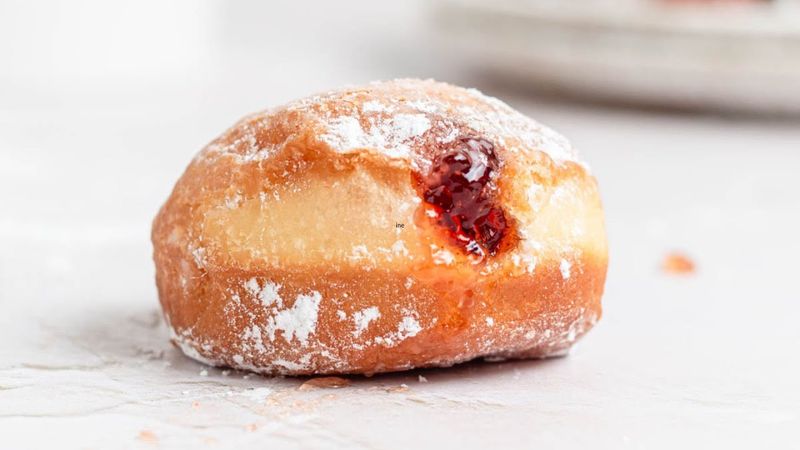
Biting into a jam doughnut is like uncovering buried treasure, except the treasure is gloriously sticky raspberry jam that somehow ends up on your nose.
The pillowy dough, deep-fried to golden perfection and rolled in caster sugar, creates a soft cloud that contrasts beautifully with the sweet, tangy jam centre.
Bakeries across Britain have been making these treats for generations, and they remain a teatime favourite. The secret lies in the balance between the airy dough and the generous jam filling.
Whether enjoyed fresh from the baker or slightly squashed in a paper bag, jam doughnuts evoke childhood memories of Saturday morning treats.
2. Custard Tarts
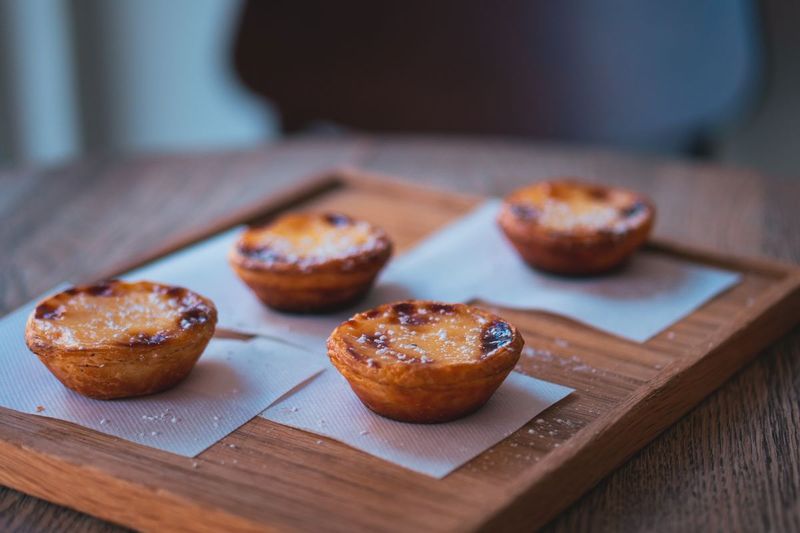
Golden, wobbly, and utterly irresistible, custard tarts have graced British bakery windows since medieval times. The creamy custard filling, speckled with nutmeg, sits perfectly in a crisp shortcrust pastry shell that shatters at the first bite.
Getting the custard just right requires skill – too firm and it loses its signature wobble, too loose and it becomes a mess. Traditional bakers know the sweet spot, creating that silky texture that melts on your tongue.
These tarts are best enjoyed slightly warm, when the custard still has that gentle give and the pastry remains beautifully crisp.
3. Iced Buns
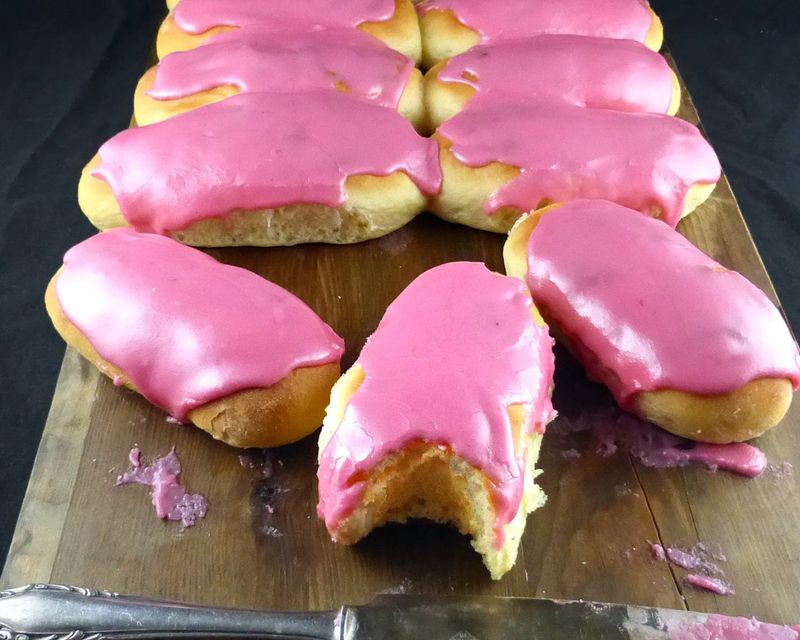
With their glossy pink or white icing and soft, finger-shaped sponge, iced buns were the ultimate school lunchbox luxury. The sweet icing forms a thin, crackly shell over the tender bread, creating a delightful textural contrast that makes every bite satisfying.
Originally a simple yeasted bread sweetened with sugar, iced buns became fancier when Victorian bakers added the distinctive icing topping.
Some versions include a ribbon of jam or buttercream running through the centre, though purists prefer the plain version.
They remain a quintessentially British treat, perfect with a cuppa.
4. Chelsea Buns
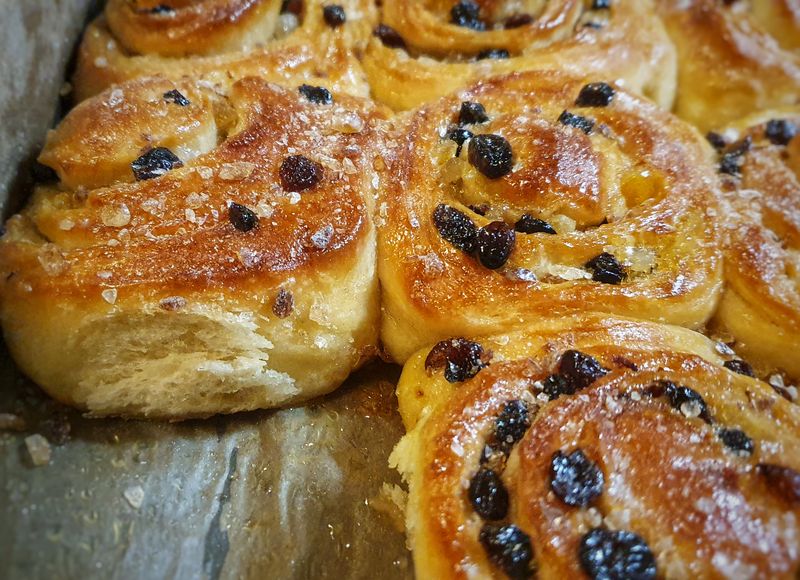
Sticky, spiced, and gloriously messy, Chelsea buns have been a London favourite since the 18th century when they were first created at the Old Chelsea Bun House.
The spiral of sweet dough is packed with currants, brown sugar, and warming spices, then brushed with a glossy sugar glaze.
Pulling apart the layers reveals pockets of melted butter and fruit, with each coil offering a different ratio of dough to filling. The glaze adds a beautiful shine and extra sweetness that makes your fingers deliciously sticky.
Best enjoyed warm, these buns are teatime royalty.
5. Rock Cakes
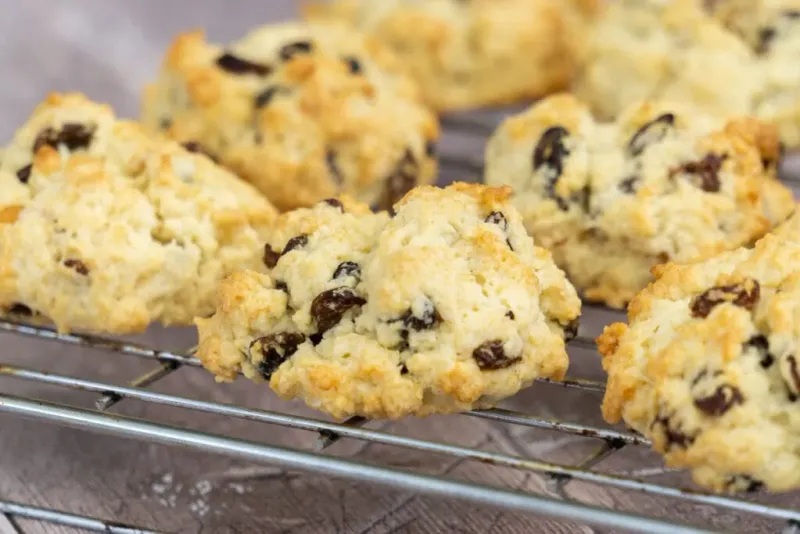
Don't let the name fool you – properly made rock cakes are delightfully crumbly, not tooth-breaking hard. These humble buns, studded with currants and mixed peel, have a rough, craggy appearance that gives them their distinctive name.
Popular during rationing when ingredients were scarce, rock cakes became a symbol of making do with less whilst still enjoying something sweet.
The texture sits somewhere between a scone and a biscuit, with a slightly crisp exterior and tender crumb inside.
A sprinkle of demerara sugar on top adds a pleasant crunch and extra sweetness to these nostalgic treats.
6. Bakewell Tarts
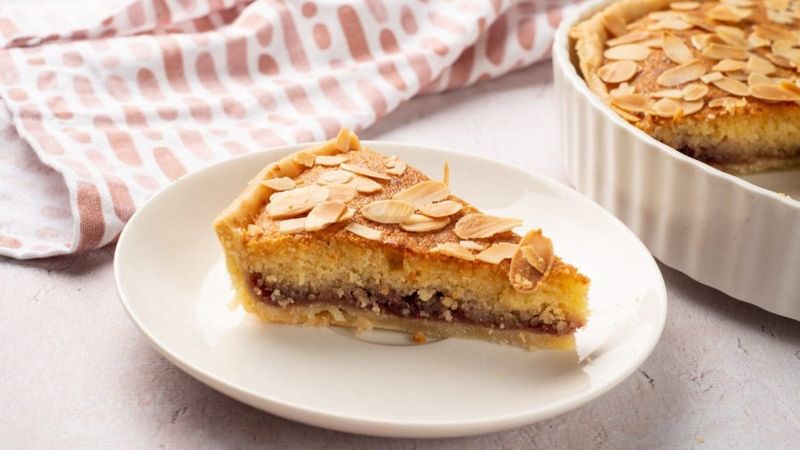
Born in the Derbyshire town of Bakewell, these almond-scented beauties have conquered bakeries nationwide. A layer of raspberry jam sits beneath a fluffy frangipane filling, all cradled in buttery shortcrust pastry and topped with flaked almonds and icing.
The combination of sweet jam, rich almond sponge, and crisp pastry creates a perfect harmony of flavours and textures.
Each component plays its part – the jam provides fruity tartness, the frangipane offers nutty richness, and the pastry brings it all together.
Whether you prefer the traditional tart or its cherry-topped cousin, Bakewell treats remain timeless.
7. Eccles Cakes
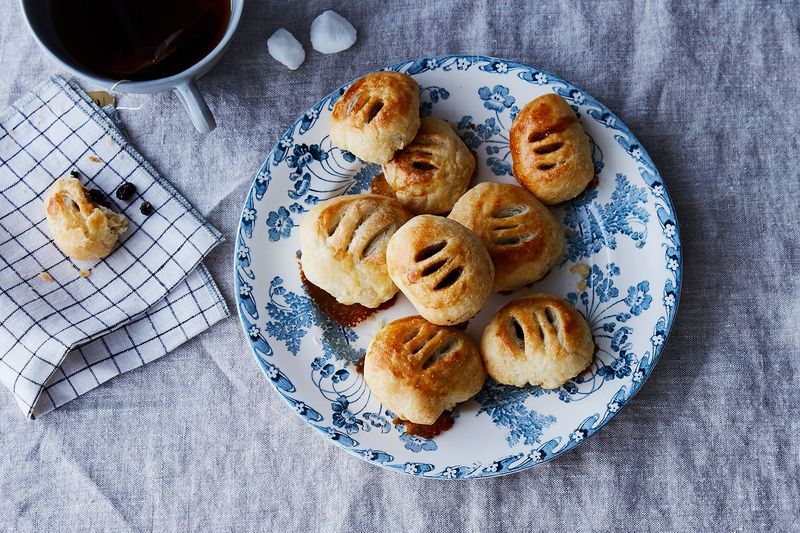
These flat, round pastries from Greater Manchester pack a serious punch of currant-filled sweetness. The flaky puff pastry shatters into buttery shards, revealing a dense, spiced filling that's been delighting Brits since the late 18th century.
Traditionally made with currants, butter, sugar, and warming spices like nutmeg and allspice, Eccles cakes have a distinctive appearance with their golden, slightly blackened tops slashed to reveal the dark fruit within.
The pastry becomes wonderfully crisp during baking, creating layers that contrast beautifully with the sticky filling. Perfect alongside a strong brew, they're proper Northern comfort.
8. Cream Slices
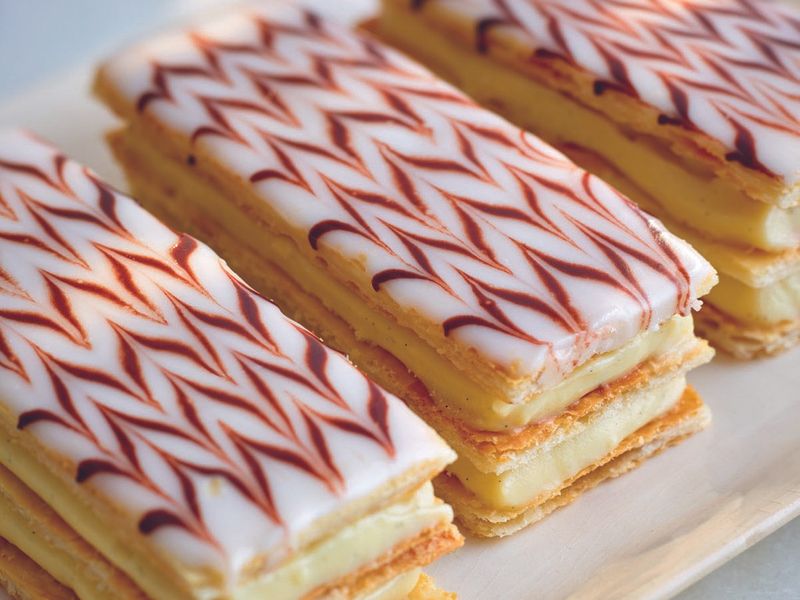
Few bakery treats inspire as much devotion – or create as much mess – as the cream slice. Layers of crisp puff pastry sandwich thick whipped cream and jam, all topped with smooth white icing and a signature pink feathered pattern.
The engineering challenge of eating one without cream squirting out the sides is part of the experience. Smart folks use a fork, but there's something wonderfully rebellious about attempting to bite straight in.
Also known as vanilla slices or custard slices when filled with pastry cream, these treats represent peak bakery indulgence and childhood party nostalgia rolled into one delicious package.
9. Madeira Cake
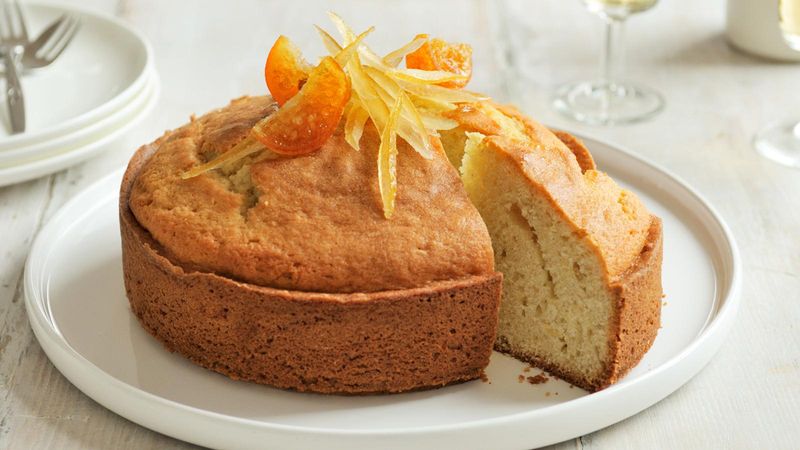
Named not for the fortified beverage but for the tradition of serving it alongside a glass of Madeira, this dense, buttery cake is the unsung hero of British baking.
The fine, tight crumb and subtle lemon flavour make it wonderfully versatile – equally at home at afternoon tea or as a base for trifle.
Unlike lighter sponges, Madeira cake has a firmer texture that holds up beautifully when sliced, making it ideal for transporting in tins or serving to guests. The golden crust and pale yellow interior are simple yet elegant.
Traditional recipes often feature a candied lemon peel garnish on top.