








Protein often gets a lot of attention, yet finding the right balance can feel confusing in everyday life.
Small changes in energy, appetite, or how your body feels can sometimes hint that something is slightly off.
Paying attention to these signals helps build a better understanding of what works for you personally.
Let’s take a closer look at what your body may be trying to tell you.
All information is provided for general interest only and should not replace professional medical or nutritional advice. Individual needs vary based on age, activity level, and overall health. Consult a qualified healthcare or nutrition professional for personalised guidance.
1. Signs Your Protein Intake May Be Too Low
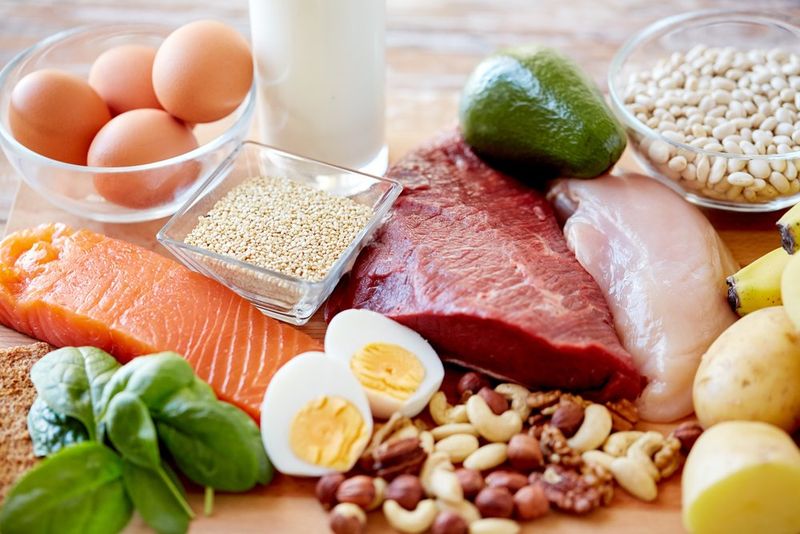
Your body relies on protein to support muscle strength, steady energy, and everyday repair processes that keep you feeling well.
When intake falls short, small changes in how you feel can quietly build up and become harder to ignore over time.
The next 4 signs highlight common ways your body may signal that it needs more protein in your daily routine.
2. Persistent Fatigue

Feeling tired all the time?
Your body might be missing the protein it needs to keep energy levels steady throughout the day.
Protein helps repair tissues and supports enzymes that convert food into fuel.
Without enough, your muscles and organs struggle to function properly.
Adding lean meats, beans, or nuts to your meals can make a noticeable difference in how alert you feel daily.
3. Muscle Weakness

Struggling to lift things that used to feel easy?
Muscle weakness often signals that your protein intake isn't meeting your body's demands.
Muscles rely on protein to maintain their strength and recover after activity.
When supplies run low, your body breaks down muscle tissue for fuel instead.
Incorporate eggs, fish, or Greek yoghurt into your diet to support muscle health and prevent unnecessary breakdown.
4. Frequent Hunger

Always reaching for snacks even after eating?
Protein keeps you feeling full longer by slowing digestion and stabilising blood sugar levels.
Without adequate amounts, your stomach empties quickly, triggering constant hunger pangs and cravings.
This can lead to overeating and unwanted weight gain over time.
Try adding protein-rich foods like chicken, lentils, or cottage cheese to each meal for lasting satisfaction.
5. Hair Thinning

Finding more hair in your brush lately?
Hair is made mostly of protein, so insufficient intake can cause strands to weaken and fall out.
Your body prioritises vital organs when protein is scarce, meaning hair growth gets put on the back burner.
This leads to noticeable thinning and dullness.
Include foods like eggs, almonds, or quinoa to nourish your hair from the inside and restore its natural thickness and shine.
6. Signs Your Protein Intake May Be Too High
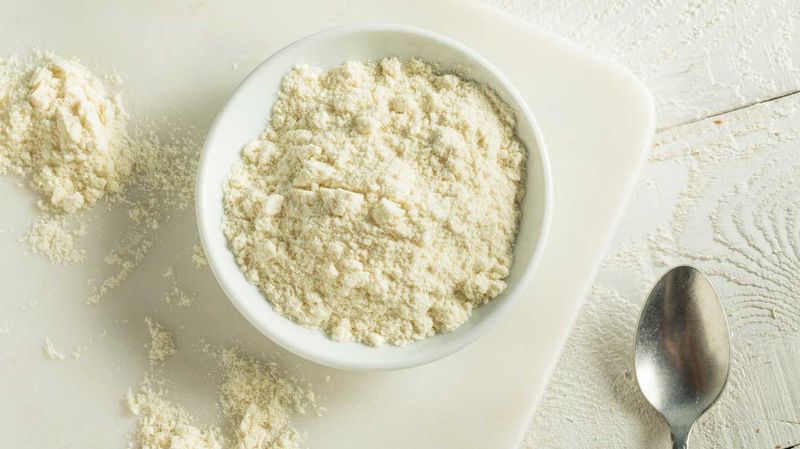
Protein plays an important role in maintaining health, but more is not always better for every body or lifestyle.
Consistently eating very large amounts can sometimes place extra strain on digestion and hydration balance.
The next 5 signs explore how excessive protein intake may show up in everyday comfort and energy levels.
7. Digestive Discomfort

Experiencing stomach upset or nausea after meals?
Consuming too much protein can overwhelm your digestive system, especially if you're not used to it.
Your gut needs time to break down large amounts of protein.
Overloading it causes discomfort, bloating, and sometimes even nausea or cramping.
Balance your plate with vegetables, whole grains, and moderate protein portions to keep your digestion running smoothly and comfortably.
8. Increased Thirst

Can't stop reaching for your water bottle?
High protein intake makes your kidneys work harder to flush out nitrogen, a by-product of protein metabolism.
This process pulls water from your tissues, leaving you feeling parched more often.
Dehydration becomes a real risk if you don't drink enough fluids.
Monitor your protein portions and sip water consistently throughout the day to stay properly hydrated and support kidney function effectively.
9. Bloating

Feeling uncomfortably full and swollen?
Excessive protein, particularly from shakes or supplements, can cause gas and bloating in your digestive tract.
Your body may struggle to break down large protein loads quickly, leading to fermentation and trapped air.
This creates that tight, uncomfortable sensation.
Stick to whole food sources like chicken, fish, or beans, and spread your protein intake evenly across meals for better digestion.
10. Headaches

Frequent headaches can sometimes sneak up when eating patterns shift, especially when protein intake rises and carbohydrates drop at the same time.
Your brain naturally prefers glucose for steady energy, so sudden changes in fuel sources may trigger tension, fogginess, or that familiar dull ache behind the eyes.
Keeping balanced meals with steady portions of whole grains, vegetables, and protein helps the body adjust more comfortably and keeps energy levels feeling stable.
A little planning at mealtimes often goes a long way in keeping your head clear, your focus sharper, and your day feeling far more comfortable overall.
11. Constipation

Struggling in the bathroom?
Too much protein, especially without enough fibre, can slow down your digestive system and cause constipation.
Protein-heavy diets often lack fruits, vegetables, and whole grains that provide the fibre needed to keep things moving smoothly.
This leads to uncomfortable blockages.
Balance your meals with plenty of fibre-rich foods like berries, leafy greens, and whole grains to maintain regular, healthy bowel movements daily.