







Some foods have a habit of drawing queues outside chippies and bakery counters, while others quietly linger on supermarket shelves hoping for a second glance.
British food preferences are shaped by tradition, comfort, childhood memories, and everyday habits that influence what ends up on the plate.
Looking at both the favourites people reach for automatically and the options they tend to avoid paints a revealing picture of national taste trends and eating routines.
This article is for general informational and cultural interest only.
Food preferences vary widely by individual, region, and availability.
Photos are for illustrative purposes only.
5 Foods Britons Simply Cannot Resist
Some foods have a way of sneaking into shopping baskets and takeaway orders without much thought at all.
Whether it’s comfort, nostalgia, or pure habit, these familiar favourites keep showing up on British plates time and time again.
They’re the kinds of dishes people crave after a long day, order without scanning the menu twice, and happily build little traditions around, even when trying to eat a bit more mindfully.
1. Sunday Roast With Yorkshire Pudding
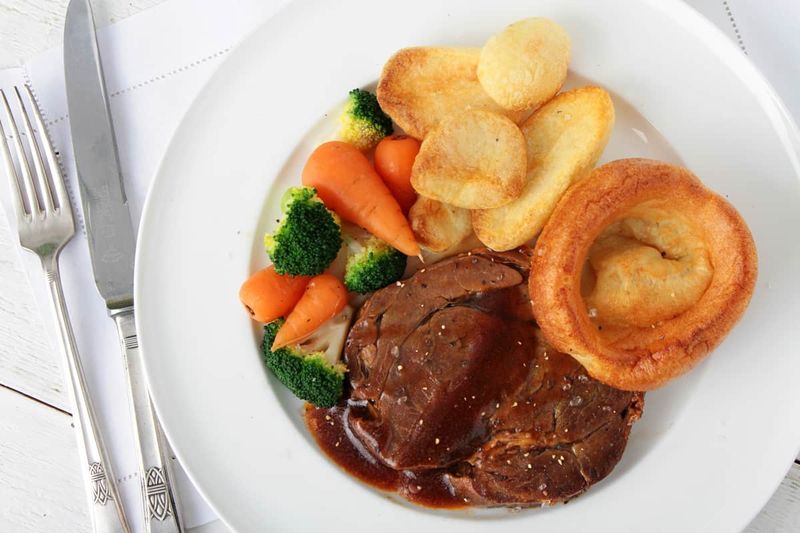
Sunday afternoons across Britain revolve around one sacred ritual: the roast dinner, complete with towering Yorkshire puddings that catch every drop of gravy.
Tender roasted meat sits alongside roasties, seasonal veg, and those fluffy, golden puds that puff up like edible clouds.
Families gather round the table, plates piled high, forks at the ready for this weekly feast.
The Yorkshire pudding itself – crispy outside, soft within – serves as both side dish and gravy vessel, making it utterly essential to the experience.
2. Cheddar Cheese
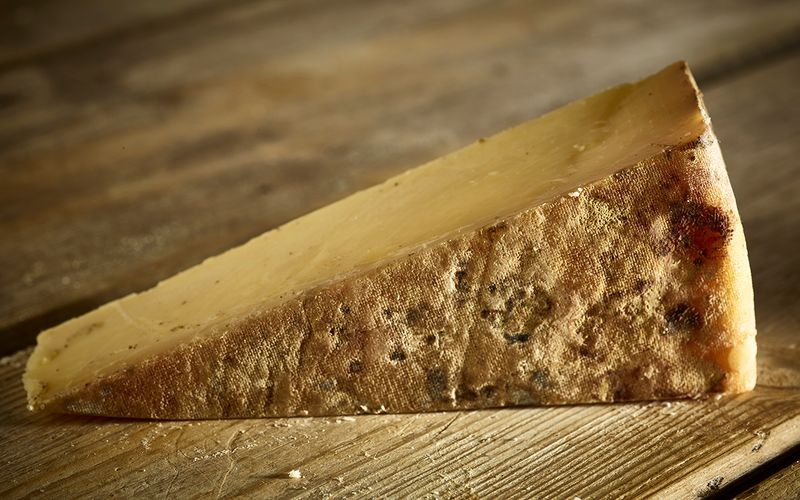
Sharp, crumbly, and utterly versatile, proper Cheddar reigns supreme in British fridges, from mild to extra mature varieties that pack a proper punch.
Grated over jacket spuds, sliced in a ploughman's lunch, or simply nibbled with crackers, this cheese does it all.
British cheesemakers have perfected the craft over centuries, creating everything from creamy young Cheddar to aged blocks with those delightful crunchy crystals.
No cheese board, sandwich, or toastie feels complete without a generous helping of this British dairy icon.
3. Chocolate Digestive Biscuits

Half biscuit, half treat, wholly addictive – chocolate digestives occupy a special place in British hearts and biscuit tins nationwide.
That wheaty digestive base topped with a smooth chocolate layer creates the perfect dunking companion for your afternoon brew.
Arguments rage over dark versus milk chocolate, but everyone agrees on one thing: you can never eat just one.
Whether sneaking them between meals or serving them to guests, these simple pleasures represent British tea culture at its most delicious and democratic.
4. Sausage Rolls
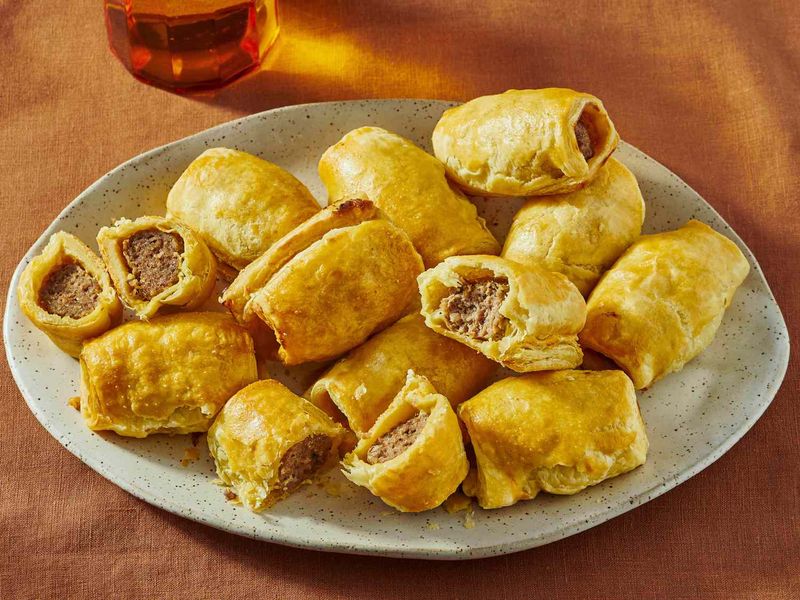
Flaky pastry wrapped around seasoned sausage meat creates portable perfection, whether grabbed from a bakery counter or served at parties across the nation.
Warm from the oven, the buttery layers shatter at first bite, revealing juicy, peppery filling inside.
From petrol station snacks to posh party canapés, sausage rolls cross every social boundary.
Britons consume millions weekly, proving that sometimes the simplest combinations – good pastry, decent sausage meat – create the most crave-worthy results that never go out of style.
5. Fish And Chips
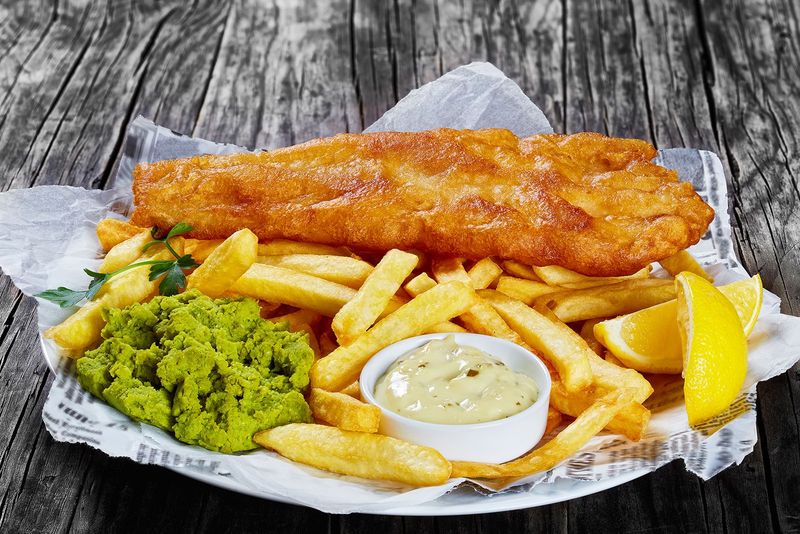
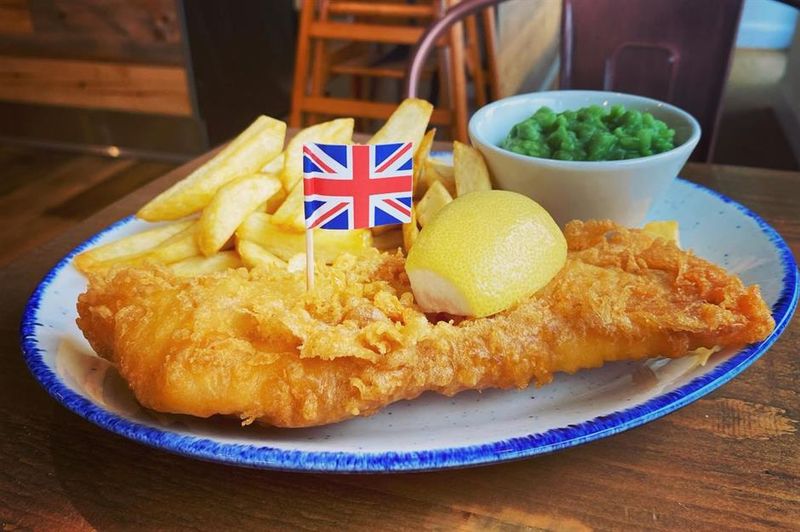
Golden battered cod nestled beside a mountain of crispy chips remains Britain's most beloved takeaway, with 42% calling it their ultimate comfort food.
Wrapped in paper and doused in salt and vinegar, this seaside classic transcends generations.
Whether enjoyed on a blustery beach or from your local chippy on a Friday night, the crunch of that batter and fluffy potato interior creates pure magic.
Rain or shine, Britons will always queue for this national treasure that somehow tastes better eaten straight from the wrapper.
5 Foods Britons Rarely Choose Voluntarily
On the flip side, there are foods that rarely spark excitement when they appear on a menu or supermarket shelf.
Even when they’re nutritious or well-intentioned, they often get skipped in favour of something more comforting or familiar.
These choices tend to fall into the category of sensible rather than tempting, which explains why they struggle to win hearts, despite popping up in plenty of healthy eating advice and meal plans.
1. Liver And Onions
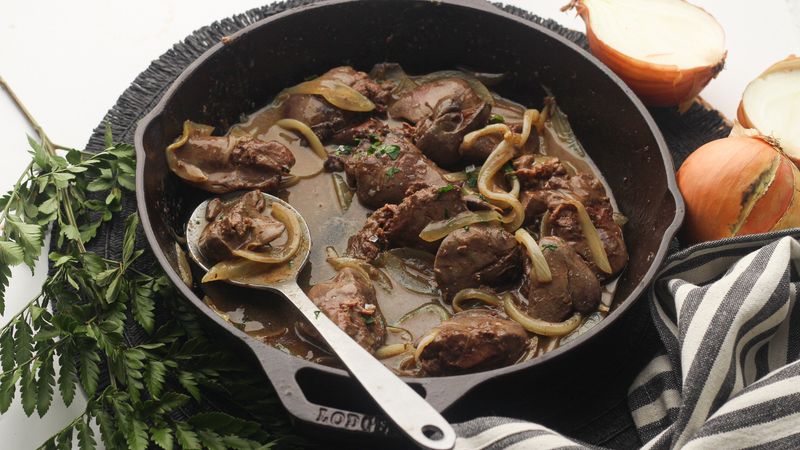
Once a staple of school dinners and post-war plates, liver and onions now sits firmly in the "thanks, but no thanks" category for most modern Britons.
That distinctive metallic flavour and slightly grainy texture puts people off, despite older generations insisting it's nutritious and economical.
Smothered in gravy with caramelised onions, it still can't shake its reputation as canteen punishment food.
Younger diners especially avoid this iron-rich organ meat, preferring literally any other protein option when faced with a menu choice.
2. Tripe
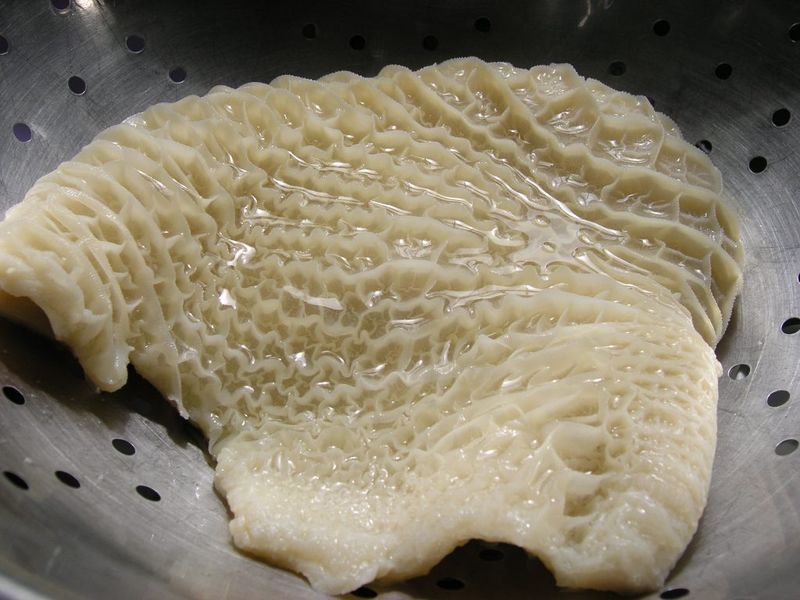
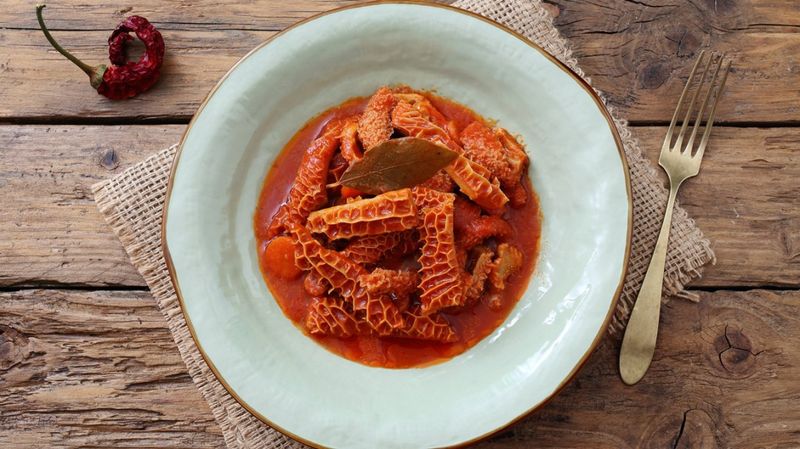
Bleached white and rubbery, tripe – the stomach lining of cattle – represents old-school British cuisine that most modern eaters simply won't touch with a bargepole.
Traditionally served in milk sauce or vinegar, this gelatinous delicacy has all but disappeared from British tables, surviving only in nostalgic memories.
The chewy, spongy texture and mild flavour fail to win over new converts, despite its working-class heritage.
Butchers rarely stock it anymore, and younger generations often don't even recognise what tripe actually is, let alone consider eating it.
3. Boiled Turnips
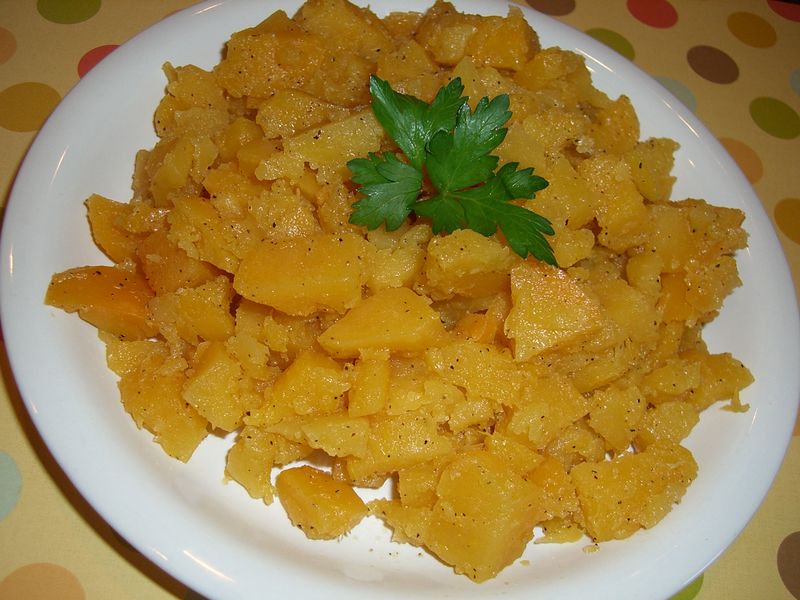
Plain boiled swede, served without butter, pepper, or any redeeming seasoning, represents British vegetables at their absolute bleakest and most uninspiring.
That dense, slightly bitter root vegetable turns watery and flavourless when simply boiled, creating a beige mush nobody actually wants on their plate.
School dinners traumatised generations with this particular side dish, ensuring lasting avoidance.
Even those who enjoy properly mashed and seasoned swede draw the line at plain boiled chunks, which taste like punishment rather than proper food worth eating.
4. Sprouts Outside Of Christmas
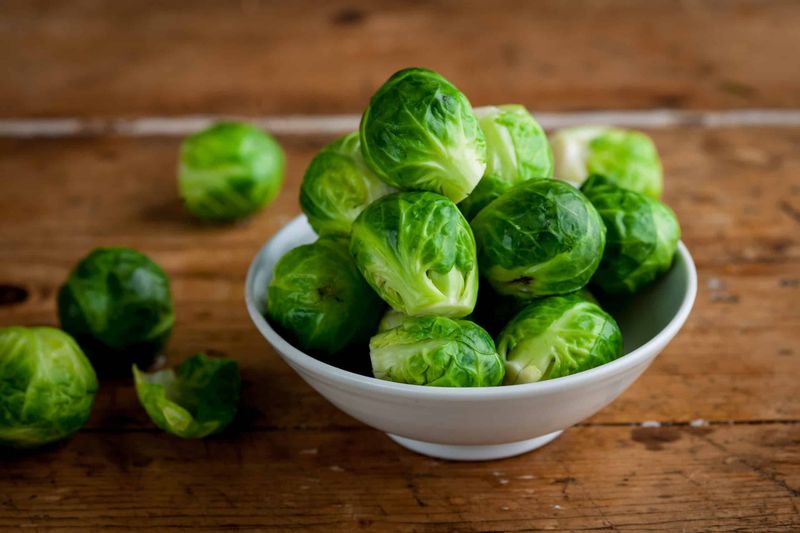
Brussels sprouts earn a brief annual reprieve on Christmas plates, but suggest serving them any other time and watch faces fall across the dining room.
These mini cabbages carry baggage from childhood dinners, where overboiled specimens turned grey and sulphurous, creating lifelong aversions.
Despite trendy recipes involving bacon and roasting, most Britons firmly believe sprouts belong exclusively to festive feasts.
January through November, these green spheres remain supermarket shelf-warmers, avoided by shoppers who'll tolerate them once yearly purely out of tradition and obligation.
5. Tinned Sardines In Brine
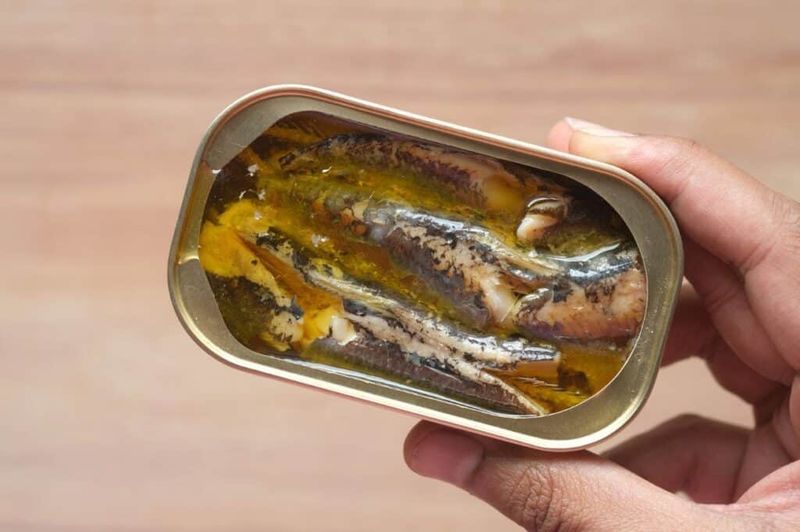
Cracking open a tin of sardines releases an unmistakable fishy aroma that sends most Britons running, despite their convenience and omega-3 benefits.
Those silvery little fish packed tightly in salty brine look unappetising, complete with bones and skin that put squeamish eaters right off.
Grandparents might spread them on toast, but younger generations prefer their fish either fresh or heavily disguised.
The strong flavour, oily texture, and frankly off-putting appearance ensure tinned sardines remain cupboard curiosities, purchased with good intentions but rarely actually consumed willingly.