







Learning to notice how much ends up on your plate can quietly change the way you feel about food, without turning every meal into a maths exercise.
Small shifts in portion awareness often help people tune into real hunger cues, enjoy flavours more fully, and avoid that sluggish feeling after eating too much.
Paying attention to serving sizes can also make balanced choices feel more natural rather than restrictive.
Curious how a few mindful habits could gently support everyday wellbeing?
All information is provided for general interest only and is not a substitute for professional medical or nutritional advice. Individual needs and health conditions vary, and a qualified healthcare professional should be consulted for personalised guidance.
Eating Slower Can Help You Tune Into Fullness
Eating at a calmer pace gives your body more time to notice when it’s feeling comfortably satisfied.
Rushing through meals often makes it easy to miss those gentle fullness cues and keep eating on autopilot.
Small habits like putting cutlery down between bites or pausing for conversation can naturally slow things down without feeling forced.
Over time, this relaxed rhythm makes meals more enjoyable and helps you stop when your body feels happy rather than overly full.
Choosing Appropriate Plate Sizes Makes Meals More Manageable

Ever notice how a smaller plate makes portions look bigger?
That's not just an illusion - it actually tricks your brain into feeling more satisfied with less food.
Large dinner plates encourage us to pile on more than we need.
Switching to medium-sized plates naturally limits serving sizes without making you feel deprived.
You'll still enjoy a full plate, but you're eating amounts that match your body's actual needs rather than what the dish can hold.
Understanding Serving Sizes Helps With Balanced Nutrition

Portion sizes can look very different depending on the food, the plate, and how hungry you feel at the time.
Many people unintentionally serve more than they realise, especially with foods that are easy to scoop or pour.
Learning rough visual guides for different foods helps build balanced plates without relying on scales or constant measuring.
Once those portion cues become familiar, everyday choices feel simpler and more intuitive, making healthy eating easier to stick with.
Tracking Portions Encourages Mindful Eating Habits
Keeping track of what you eat doesn't mean obsessing over every calorie - it's about becoming more aware of your patterns.
Maybe you snack more when stressed or pour larger breakfast bowls on weekends.
Noticing these habits helps you make intentional choices rather than eating on autopilot.
A simple food journal or app can reveal surprising insights about your eating routine.
Over time, this awareness naturally guides you towards portions that support your health goals without constant monitoring.
Balancing Macronutrients Supports Steady Energy Levels
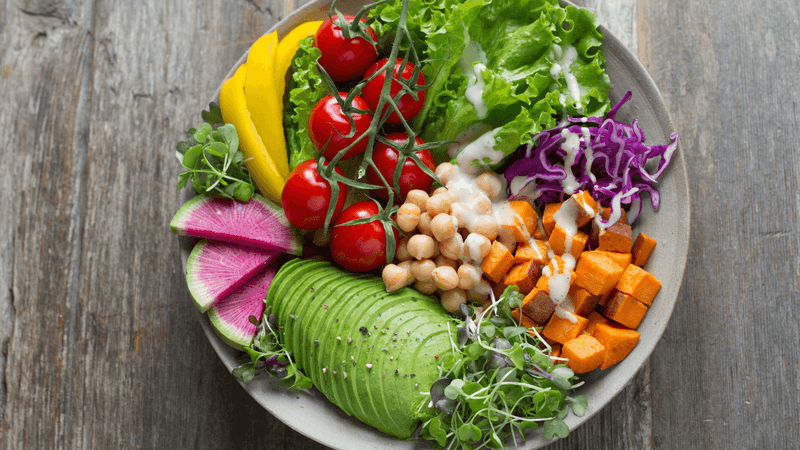
Ever crash an hour after a huge pasta lunch?
That happens when meals are heavy on one macronutrient and light on others.
Combining proteins, healthy fats, and carbohydrates in proper portions keeps your blood sugar stable throughout the day.
A balanced plate might include grilled chicken, quinoa, and roasted vegetables with a drizzle of olive oil.
This mix digests at different rates, providing sustained energy rather than quick spikes and drops that leave you reaching for snacks.
Listening To Your Body Can Prevent Overeating
Your body is actually brilliant at telling you what it needs - if you pause long enough to listen.
Hunger isn't just about an empty stomach; it involves energy levels, mood, and physical sensations.
Before reaching for seconds, ask yourself if you're truly still hungry or just eating out of habit or boredom.
Tuning into these internal cues helps you stop when satisfied rather than stuffed, respecting your body's natural signals and avoiding unnecessary discomfort.