






Staring at your plate and second-guessing every bite can quickly drain the joy out of eating, especially when calorie tracking feels more like homework than help.
Building balanced meals doesn’t need apps, scales, or complicated numbers – it comes down to simple visual cues, sensible portions, and choosing foods that genuinely leave you feeling satisfied.
Once you understand how different food groups work together on the plate, everyday meals become easier to plan and far more enjoyable, without the pressure of constant measuring or monitoring.
All information is provided for general interest only and does not replace personalised nutritional advice.
Individual needs, preferences, and dietary requirements may vary.
Photos are for illustrative purposes only.
What A Balanced Plate Actually Looks Like In Everyday Meals

Picture your plate divided into three sections, like a pie chart you'd actually want to eat.
Half should be piled with colourful vegetables, think greens, reds, and oranges that brighten the whole thing up.
One quarter goes to lean protein like chicken, fish, tofu, or beans.
The remaining quarter?
That's your whole grains or starchy veg, brown rice, quinoa, or a jacket potato.
Add a drizzle of olive oil or a sprinkle of nuts, and you've got yourself a meal that ticks all the boxes without any fuss.
Using Portion Cues Instead Of Weighing And Measuring
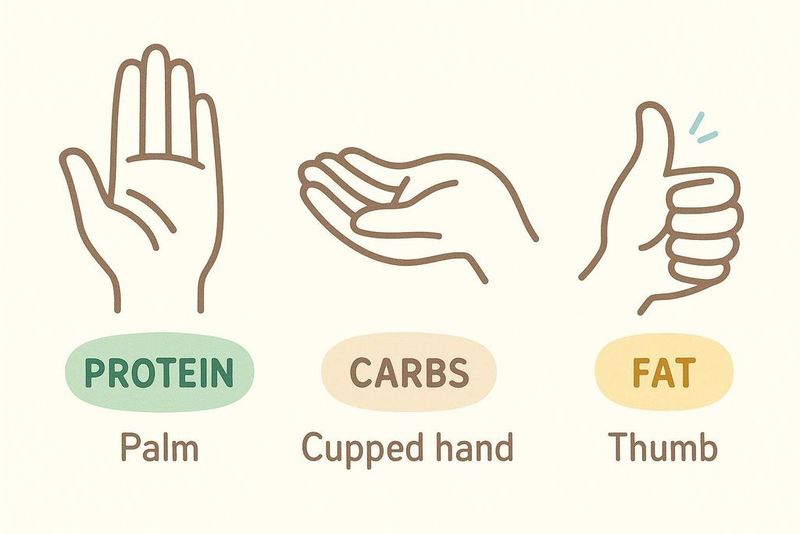
Your hands are brilliant little portion guides, no kitchen scales required.
A palm-sized serving works perfectly for protein, whether that's a piece of salmon or a chicken thigh.
Carbs fit nicely into a cupped hand, while vegetables should be about two fists worth.
Fats?
Just a thumb's worth of butter, oil, or nut butter does the trick.
This method adjusts naturally to your body size and takes the guesswork out of mealtimes, making it dead simple to eyeball portions anywhere you eat.
Building Meals Around Protein Without Overthinking It
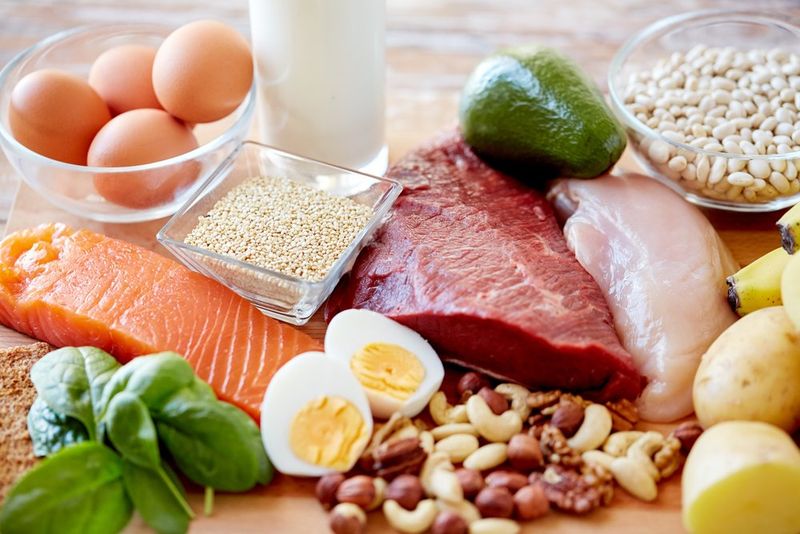
Start by choosing your protein first, and the rest of the meal tends to fall into place.
Whether you fancy eggs for breakfast, chickpeas at lunch, or fish for dinner, protein anchors your plate and keeps you full.
You don't need to stress about exact amounts or perfect timing.
Just aim for a decent serving at each meal, roughly that palm-sized portion we mentioned.
Protein helps stabilise blood sugar and curbs those mid-afternoon biscuit raids, so it's worth making it a priority without getting obsessive about it.
How Vegetables Add Volume, Colour, And Satisfaction

Vegetables are the secret weapon for filling up your plate without overdoing it.
They're low in calories but high in fibre, which means you can pile them on and still feel light.
The colour variety isn't just pretty, it signals different nutrients your body craves.
Spinach, peppers, carrots, and broccoli all bring something unique to the table.
Plus, the crunch and texture make meals more interesting and satisfying.
Roast them, steam them, or toss them raw into a salad, whatever gets you eating more of them.
Choosing Carbohydrates That Keep Energy Steady
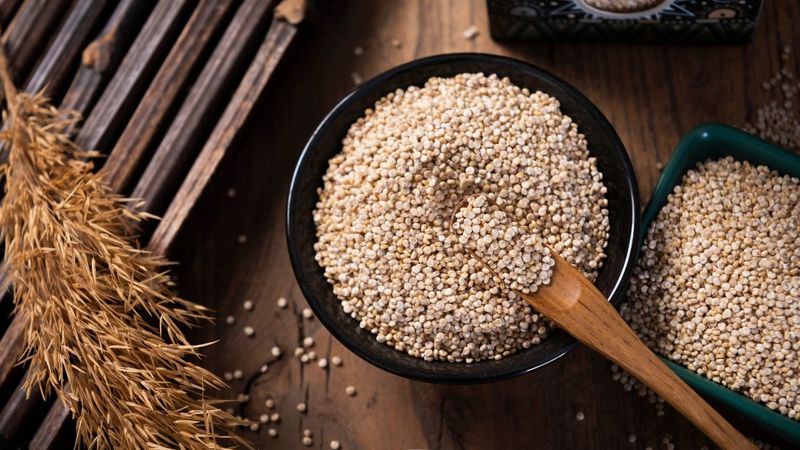
Not all carbs are created equal, and the right ones keep you humming along without the dreaded crash.
Whole grains like brown rice, oats, and quinoa release energy slowly, so you're not ravenous an hour later.
Starchy vegetables like sweet potatoes and butternut squash work brilliantly too.
They're packed with fibre and nutrients that white bread and sugary snacks just can't match.
Swap refined options for whole versions gradually, and you'll notice the difference in how you feel throughout the day, steadier and more focused.
Why Healthy Fats Still Belong On Your Plate
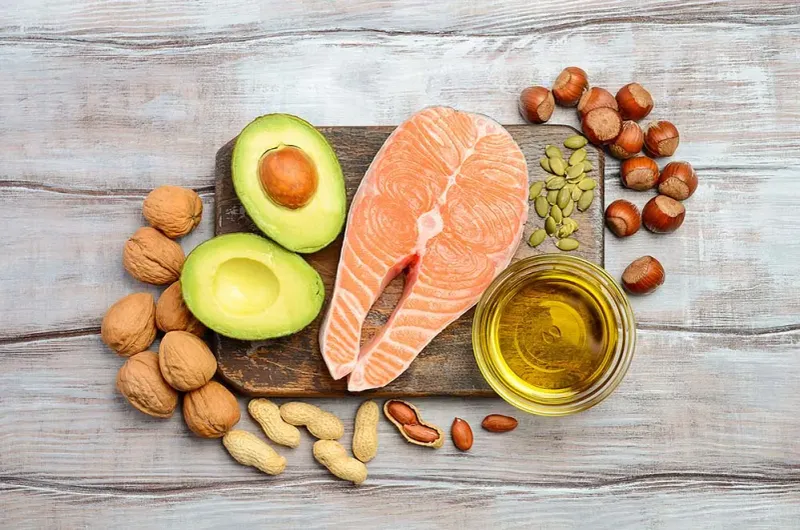
Fat got a bad rap for years, but the truth is your body needs it.
Healthy fats from olive oil, avocado, nuts, and seeds help absorb vitamins and keep your brain sharp.
They also make food taste better and keep you satisfied longer, which means fewer snack attacks.
A drizzle here, a sprinkle there, that's all it takes.
Don't fear the fat, just choose the good stuff and keep portions sensible.
Your skin, hair, and energy levels will thank you for it.
Simple Ways To Balance Takeaways And Eating Out
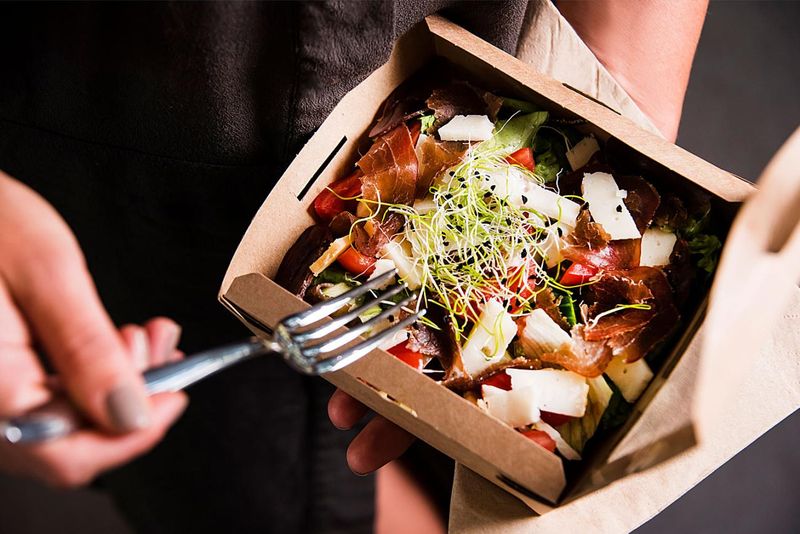
You don't have to skip the curry or the pizza to eat well.
When ordering takeaway, add a side salad or extra veg to bulk out the meal and boost nutrition.
At restaurants, scan the menu for grilled or baked options instead of fried, and don't be shy about asking for sauces on the side.
Share a pudding if you fancy one, no guilt required.
Balance doesn't mean perfection.
It's about making small tweaks that let you enjoy eating out without feeling rubbish afterwards or derailing your overall habits.
Reading Hunger And Fullness Signals More Naturally

Your body's pretty good at telling you what it needs, if you pause long enough to listen.
Eat when you're genuinely hungry, not just bored or stressed, and stop when you're comfortably satisfied.
Slow down and actually taste your food.
Put your fork down between bites, chat with someone, or just breathe.
It takes about twenty minutes for your brain to catch up with your stomach.
This mindful approach helps you avoid overeating without any rules or restrictions, just tuning into what feels right for your body in the moment.
Making Small Swaps That Improve Meal Balance Over Time
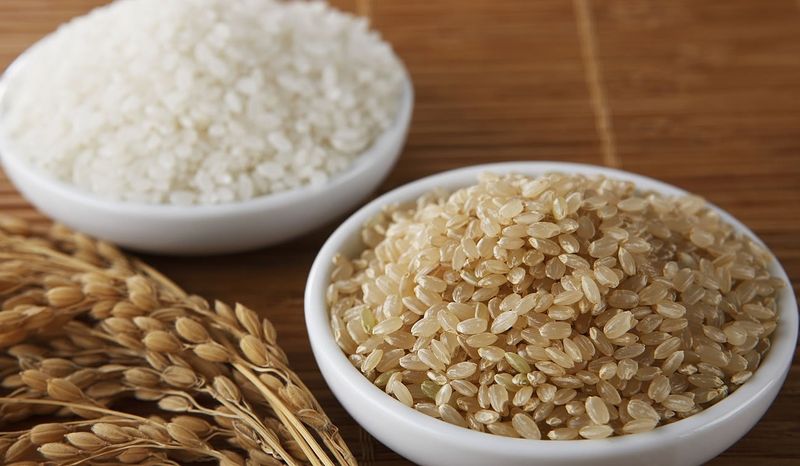
Tiny changes add up without feeling like a massive overhaul.
Swap white rice for brown, regular pasta for wholemeal, or sugary cereal for porridge with berries.
Try Greek yoghurt instead of cream, or swap crisps for a handful of nuts.
These aren't about deprivation, they're about upgrading your choices in ways that actually improve how you feel.
You don't have to do everything at once.
Pick one swap this week, another next month, and before you know it, your meals are naturally more balanced and nourishing.
Creating Balanced Plates For Busy Weeknights
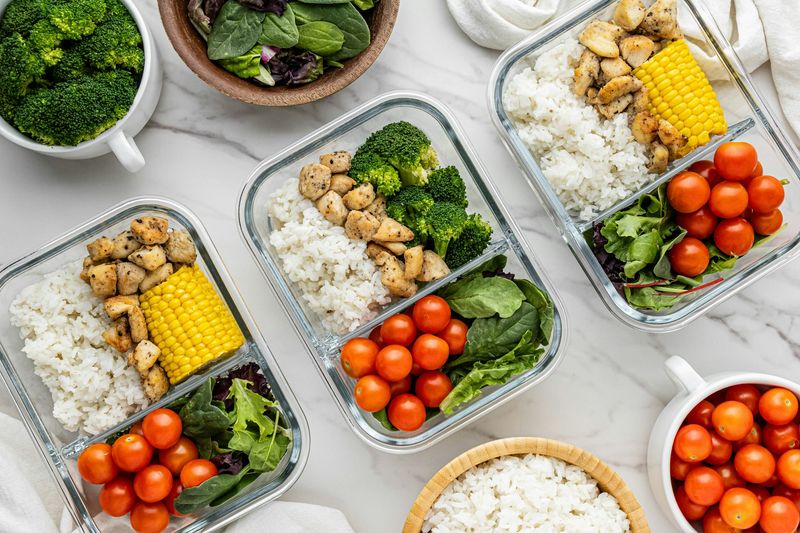
Weeknight chaos doesn't have to mean beans on toast every night.
Batch cook grains and proteins on Sunday, then mix and match throughout the week with whatever veg you've got knocking about.
Keep frozen vegetables and tinned beans in stock, they're lifesavers when fresh stuff runs out.
A stir fry, grain bowl, or simple traybake can come together in under thirty minutes.
Plan loosely, not rigidly.
Having a rough idea and a stocked pantry means you can throw together balanced meals even when you're knackered and tempted by the chippy.