








Fibre plays a steady role in everyday eating, yet many British diets still fall short of commonly recommended intake levels.
At the same time, familiar convenience foods and refined staples continue to dominate shopping baskets and weekly meals.
Looking at which fibre-rich foods are often overlooked – and which lower-fibre options appear most frequently on plates – offers a helpful snapshot of modern eating habits and how small shifts could improve balance over time.
All information is provided for general interest only.
Nutritional needs, portion sizes, and dietary responses may vary between individuals.
For personalised dietary guidance, consider consulting a qualified professional.
Photos are for illustrative purposes only.
Fibre-Rich Foods Britons Rarely Eat Enough Of

Many everyday diets still lean heavily towards refined grains and convenience foods, which means naturally fibre-rich ingredients often get pushed to the sidelines.
Beans, wholegrains, seeds, and certain vegetables provide valuable fibre, yet they appear less frequently in regular meals than recommended.
Highlighting these foods helps show where simple additions could make a meaningful difference to daily eating habits.
1. Lentils
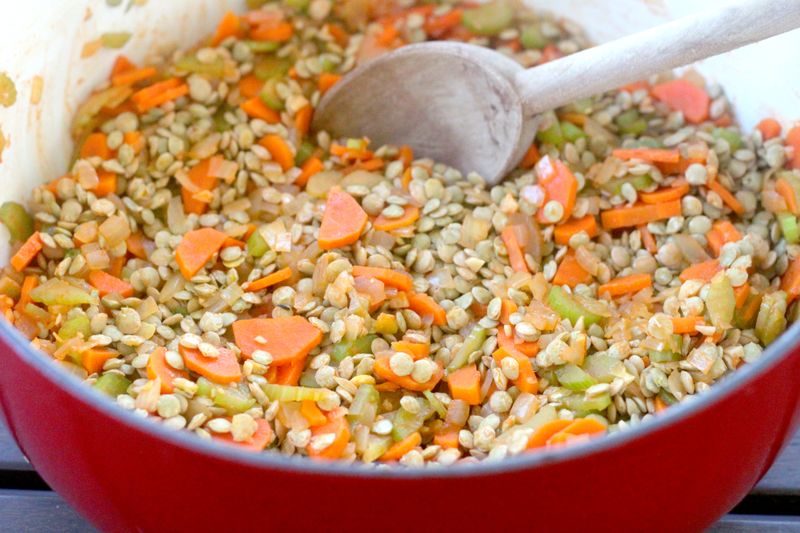
A single cup of cooked lentils delivers around 15 grams of fibre, nearly half your daily target in one go.
Yet many Britons overlook them, perhaps because they seem fiddly or unfamiliar compared to potatoes or rice.
Lentils cook quickly, need no soaking, and work brilliantly in soups, curries, and salads.
They're also packed with plant-based protein and iron, making them a budget-friendly powerhouse.
Swap them into a Bolognese or stew, and you'll barely notice the difference – except your digestion will thank you.
2. Chickpeas
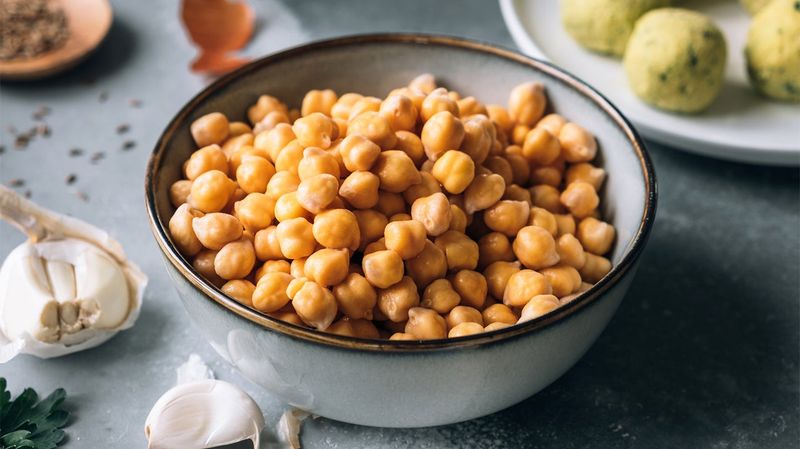
Chickpeas might star in hummus, but most of us aren't eating them nearly often enough.
One tin provides roughly 12 grams of fibre, plus they're wonderfully versatile – roast them for a crunchy snack, toss them into salads, or blend them into creamy dips.
Their mild, nutty flavour pairs with almost anything, from Mediterranean spices to Indian curries.
Because they're so filling, chickpeas help keep hunger at bay for hours.
Stock a few tins in your cupboard, and you'll always have a fibre boost ready to go.
3. Wholegrain Barley
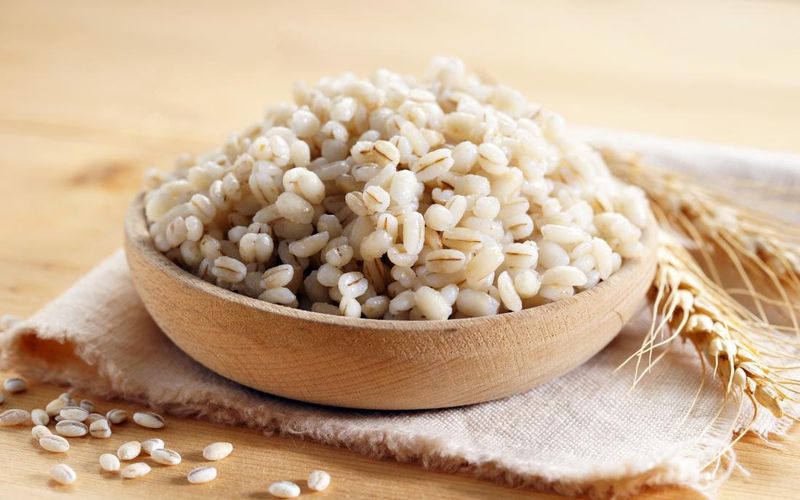
Barley's been around forever, yet it's rarely seen on British dinner tables anymore.
This ancient grain contains about 6 grams of fibre per cooked cup and has a lovely chewy texture that adds substance to soups and stews.
Unlike refined grains, wholegrain barley keeps its bran intact, meaning you get all the gut-friendly benefits.
It's also brilliant at keeping blood sugar steady, so you won't crash an hour after eating.
Try stirring it into a hearty vegetable broth or using it instead of rice.
4. Chia Seeds
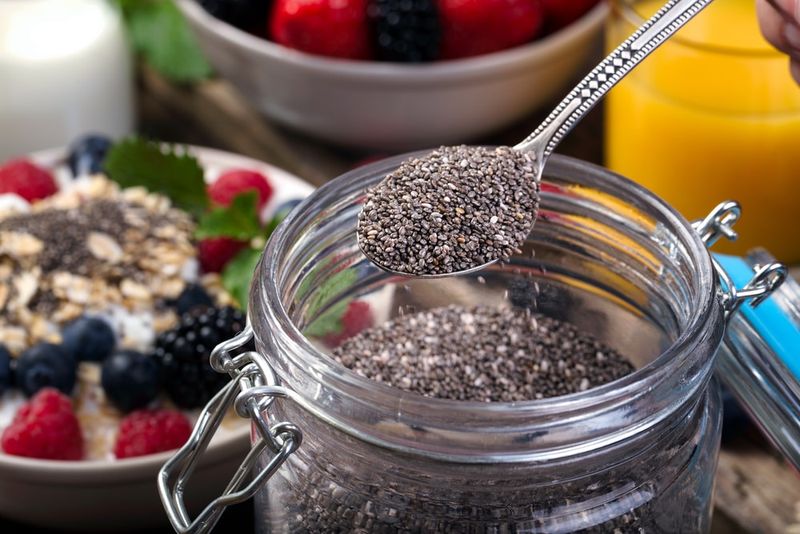
Just two tablespoons of chia seeds pack in a whopping 10 grams of fibre, along with omega-3 fatty acids and protein.
These tiny seeds absorb liquid and form a gel-like texture, which is why they're perfect for puddings, smoothies, or overnight oats.
Despite their impressive nutrition profile, most Britons have never tried them.
Chia seeds are flavourless, so they won't interfere with your favourite recipes – they'll just quietly boost your fibre intake.
Sprinkle them over yoghurt or porridge, and you're sorted.
5. Brussels Sprouts
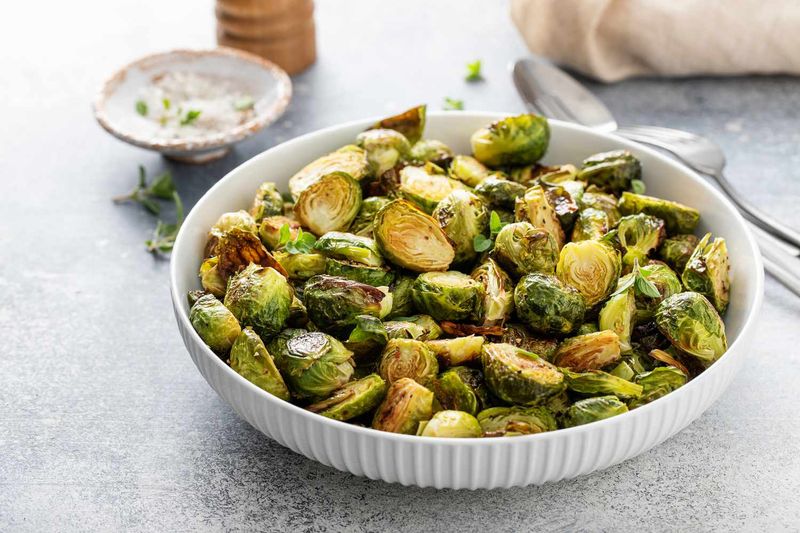
Brussels sprouts get a bad reputation from overcooked school dinners, but when roasted properly, they're genuinely delicious.
A cup of cooked sprouts offers around 4 grams of fibre, plus they're loaded with vitamins C and K.
Roasting them with a bit of olive oil and seasoning brings out their natural sweetness and gives them crispy, caramelised edges.
Many people still avoid them out of habit, but they deserve a second chance. Give them a go this weekend – you might be pleasantly surprised.
Low-Fibre Foods Britons Rely On Most

Some of the most commonly eaten foods in the UK are filling and convenient but contribute very little fibre.
White bread, refined pasta, and ready-made meals often dominate lunches and quick dinners, gradually crowding out more fibre-rich choices.
Understanding which staples appear most often on plates makes it easier to spot where small swaps could improve overall balance.
1. White Bread
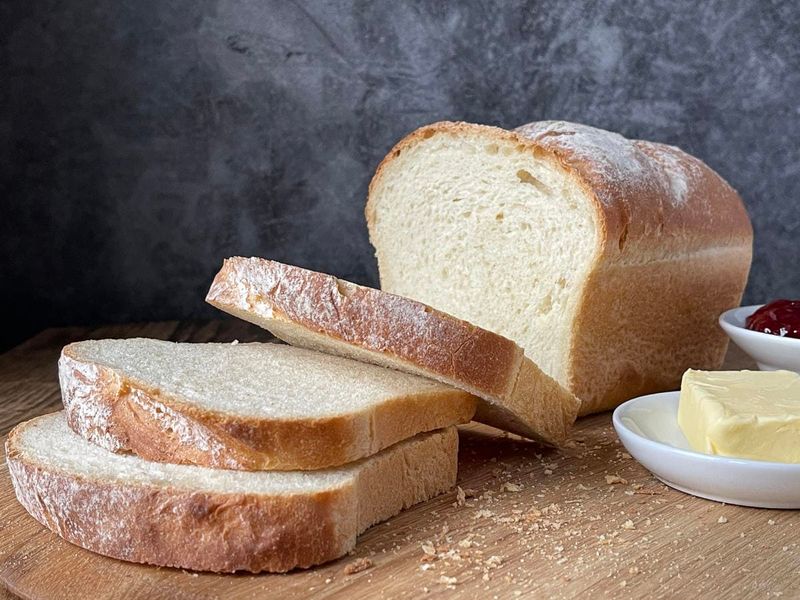
White bread is a staple in most British households, but it's stripped of nearly all its fibre during processing.
One slice contains just 0.6 grams of fibre, compared to about 2 grams in wholemeal.
Because it's made from refined flour, white bread digests quickly, leaving you hungry again soon after eating.
It's convenient, affordable, and familiar, which is why so many people reach for it daily.
Swapping even half your loaf to wholemeal can make a noticeable difference to your fibre intake without much effort.
2. White Pasta
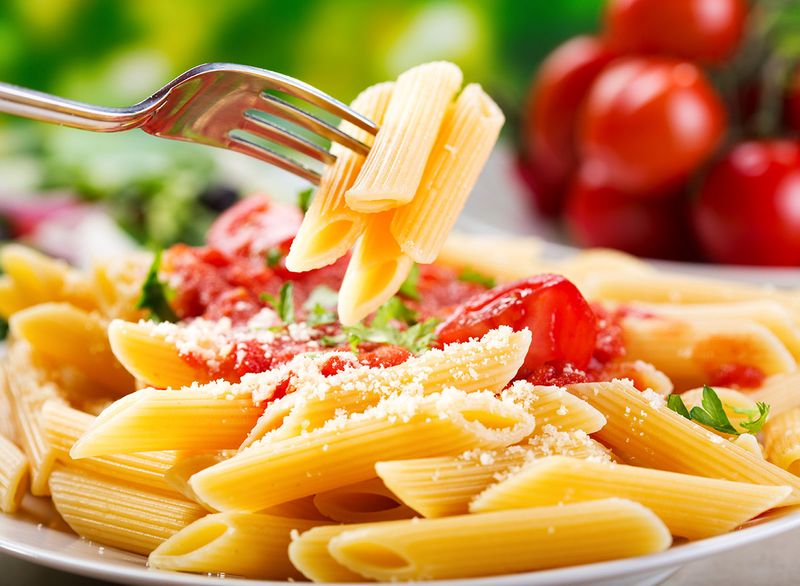
Pasta nights are a British favourite, but standard white pasta offers less than a gram of fibre per serving.
Made from refined wheat, it's missing the bran and germ that provide most of the nutritional value.
White pasta digests rapidly, causing blood sugar spikes and dips that leave you feeling sluggish.
Switching to wholemeal or legume-based pasta is an easy fix that triples your fibre intake without changing your favourite recipes.
You'll still get your comfort food fix, just with better nutrition backing it up.
3. Processed Ready Meals
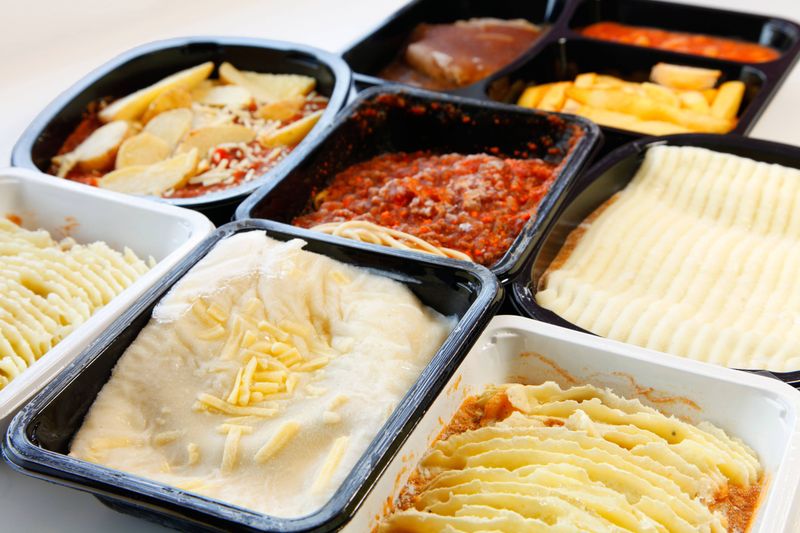
Ready meals are brilliant when you're knackered after work, but most contain very little fibre and loads of salt, sugar, and preservatives.
Because they're designed for convenience and shelf life, manufacturers often use refined ingredients that digest quickly and leave you unsatisfied.
Relying on them too often means missing out on the fibre your gut needs to function properly.
Batch-cooking simple meals on weekends – like lentil soup or chickpea curry – gives you the same convenience with far better nutrition.
Your future self will appreciate it.