







Flying regularly teaches you small habits that make a big difference to comfort, focus, and energy during long days in the air.
Cabin crew quickly learn which foods leave them feeling light and alert, and which ones tend to cause discomfort in a pressurised cabin.
Little choices can shape how enjoyable a flight feels, especially when space and fresh air are limited.
A closer look at these everyday decisions offers a few surprisingly practical takeaways for anyone who travels often.
All information is provided for general interest only. Individual dietary needs, sensitivities, and reactions can vary. This content does not replace professional medical or nutritional advice.
1. Carbonated Drinks
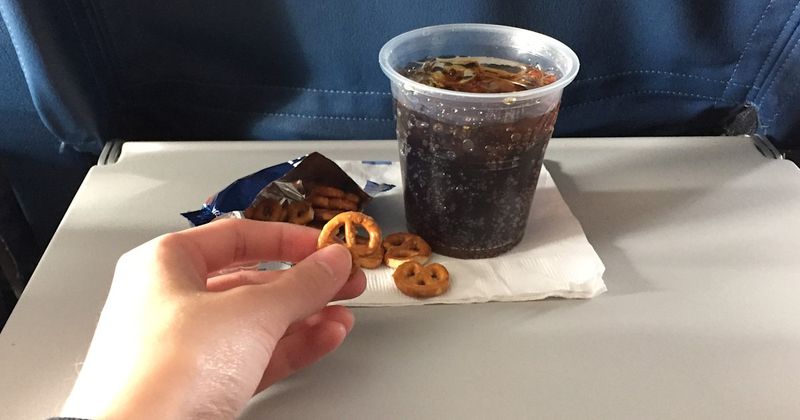
Bubbles might seem refreshing, but they expand in your stomach when cabin pressure drops.
Flight attendants know this leads to uncomfortable bloating and gas, which isn't ideal when you're walking up and down narrow aisles.
Staying away from fizzy beverages helps them feel lighter and more agile throughout the flight.
Water or herbal tea becomes the go-to choice instead.
2. Beans And Lentils
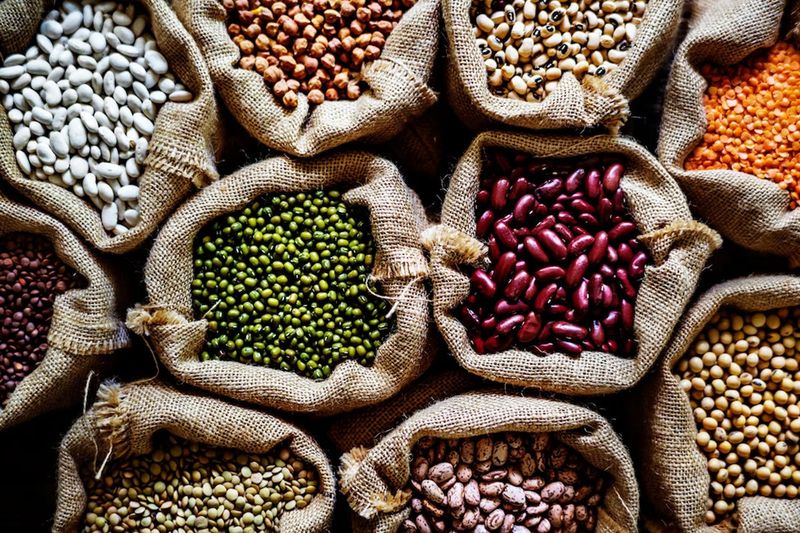
Packed with fibre and protein, beans sound like a healthy option.
However, they're notorious for causing gas and digestive discomfort, especially in a pressurised environment.
Cabin crew avoid them to prevent awkward and uncomfortable situations during their shift.
Nobody wants to deal with bloating when you're serving passengers or managing in-flight emergencies with professionalism and poise.
3. Broccoli And Other Cruciferous Vegetables
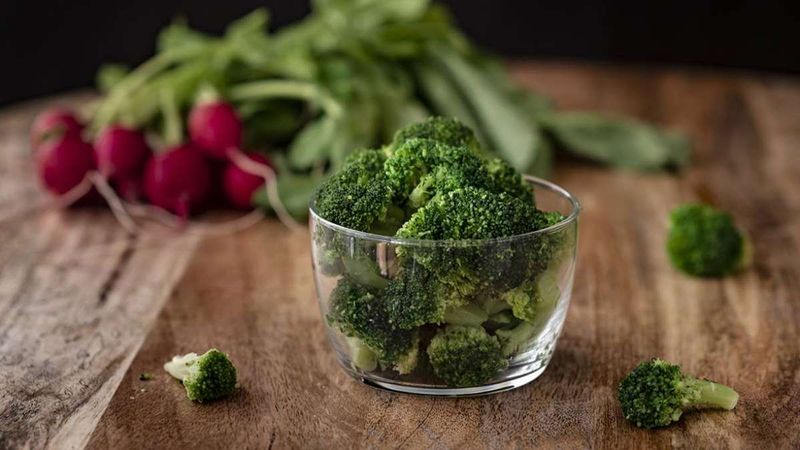
Broccoli, cauliflower, and Brussels sprouts are vitamin powerhouses, yet they produce extra gas during digestion.
At high altitudes, this effect intensifies, making crew members feel bloated and sluggish.
Flight attendants prefer lighter veggies that won't cause tummy troubles mid-flight.
Keeping their digestive system calm ensures they stay energised and ready to assist passengers whenever needed.
4. Garlic-Rich Foods

Garlic adds incredible flavour to meals, but its strong smell lingers on your breath for hours.
In the confined space of an aircraft cabin, this becomes a problem for crew interacting closely with passengers.
Nobody appreciates pungent breath during beverage service or safety demonstrations.
Flight attendants skip garlic-heavy dishes to maintain fresh breath and professional courtesy throughout their journey.
5. Onions And Strong-Smelling Snacks

Similar to garlic, onions leave a lasting odour that's hard to mask.
Whether raw or cooked, they affect your breath and even your skin's scent.
Cabin crew work in close quarters with colleagues and passengers, so avoiding onions helps everyone breathe easier.
Fresh, neutral-smelling foods keep interactions pleasant and professional during long-haul flights across continents.
6. Fried And Greasy Foods
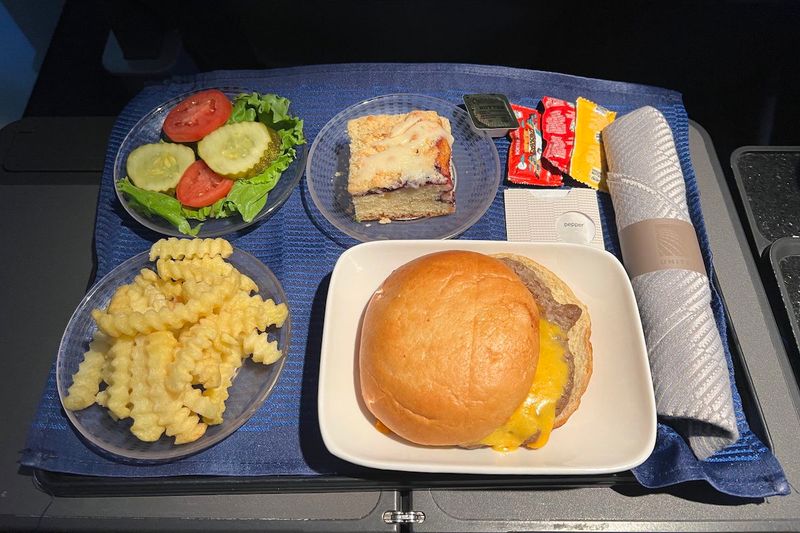
Crispy chips, fried chicken, and greasy burgers taste amazing but sit heavily in your stomach.
They're difficult to digest, especially when your body is adjusting to altitude changes.
Flight attendants need energy without feeling weighed down or sluggish.
Opting for lighter, cleaner meals keeps them alert and ready to handle whatever comes their way during turbulent or busy flights.
7. Spicy Foods
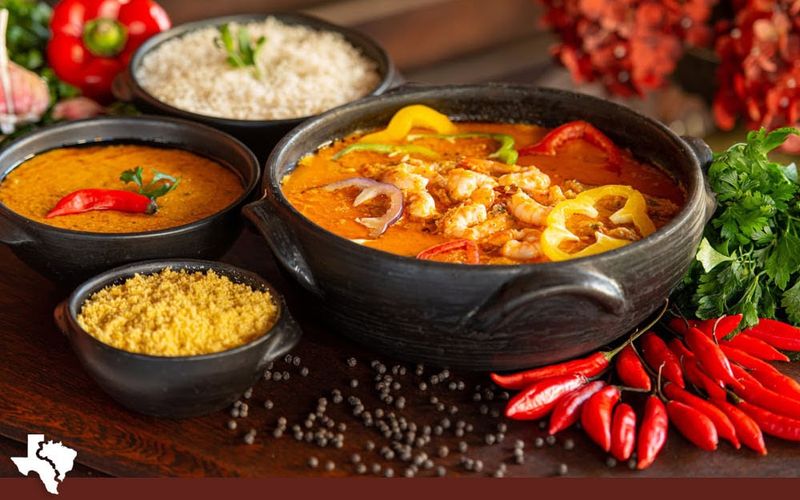
Spicy dishes can feel exciting on the plate, but they sometimes trigger heartburn or stomach irritation for sensitive eaters.
Long periods of sitting and limited movement during flights can make digestion feel slower and less comfortable.
Many crew members prefer gentler flavours that are easier on the stomach during busy shifts.
Choosing milder foods helps them stay comfortable, focused, and ready to move quickly when passengers need assistance.
8. Caffeinated Beverages
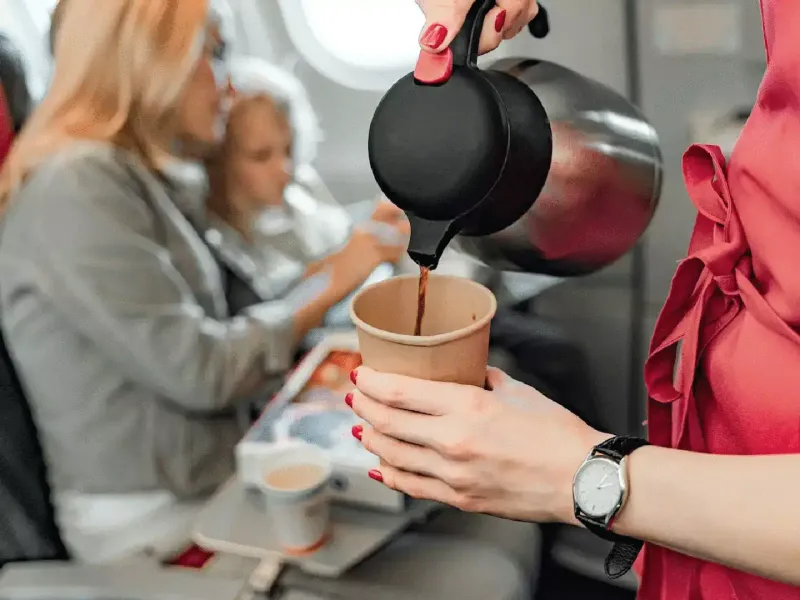
Coffee and energy drinks can feel tempting when early starts or long shifts loom.
Caffeine can make some people feel jittery or unsettled, especially in a dry cabin environment where staying hydrated matters.
Many crew members balance their intake with plenty of water or choose lower-caffeine alternatives to stay comfortable.
Keeping energy levels steady without overdoing stimulants helps them remain alert, calm, and refreshed throughout the flight.
9. Salty Processed Foods
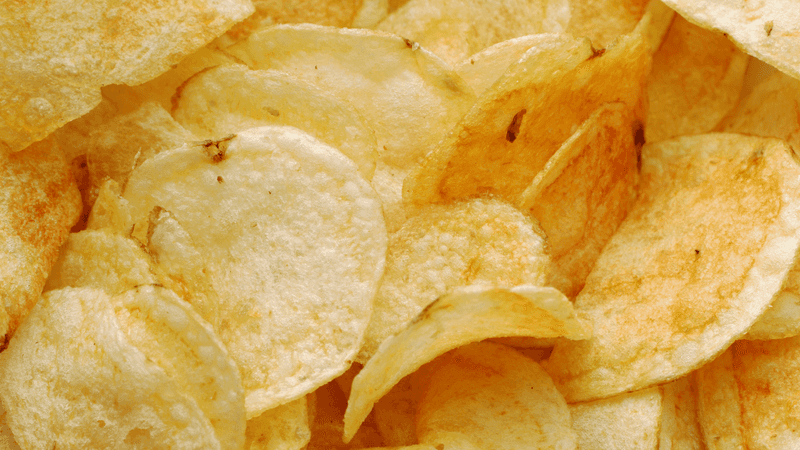
Crisps, pretzels, and other salty snacks make you retain water, leading to uncomfortable swelling and puffiness.
At altitude, this effect worsens, leaving crew members feeling bloated and sluggish.
Choosing low-sodium options helps flight attendants avoid puffy hands and feet during shifts.
Fresh fruits, nuts, and balanced meals keep them feeling light, energised, and ready for action.
10. Raw Eggs Or Egg-Based Dishes

Raw or undercooked eggs carry a risk of salmonella, which is especially dangerous when you're far from medical help.
Flight attendants can't afford to fall ill mid-flight, so they avoid dishes like runny omelettes or homemade mayonnaise.
Fully cooked eggs are a safer bet, providing protein without the worry.
Staying healthy and avoiding foodborne illness is crucial when your job depends on peak performance.