







Eating often comes with a surprising amount of rules, second guessing, and quiet guilt that can take the joy out of something meant to be nourishing and enjoyable.
Intuitive eating invites a gentler way of tuning into what your body actually wants and needs, rather than following rigid plans or trends.
It can feel refreshing to reconnect with natural hunger cues, rediscover favourite foods, and rebuild trust around everyday choices.
All information is provided for general interest only and should not be considered medical, nutritional, or dietary advice. Individual needs, health conditions, and dietary requirements can vary, and anyone with specific health concerns should seek guidance from a qualified healthcare or nutrition professional.
Relearning How To Listen To Hunger And Fullness

Intuitive eating encourages you to notice physical hunger signals such as stomach growling, low energy, or difficulty concentrating instead of eating purely by the clock.
Fullness cues like feeling comfortably satisfied, slower eating pace, and reduced interest in food become just as important as recognising hunger.
Many people realise they’ve spent years ignoring these signals due to busy routines, dieting habits, or social pressure to clear the plate.
Practising mindful eating, such as slowing down and paying attention to taste and texture, can make these body signals easier to notice again.
Over time, this awareness helps meals feel more balanced and less rushed, which often leads to greater enjoyment and fewer uncomfortable overeating moments.
Letting Go Of Food Rules And Guilt
Diet culture often creates rigid rules about what foods are “good” or “bad,” which can trigger guilt and anxiety around eating.
Intuitive eating removes these labels and treats all foods as morally neutral, helping to reduce shame and obsessive thinking.
When foods are no longer forbidden, cravings often become less intense and more manageable over time.
This approach supports a calmer relationship with food, where choices come from preference and satisfaction rather than restriction or fear.
Many people find they naturally develop more balanced habits once pressure and guilt are taken out of the equation.
Building A Healthier Relationship With Eating
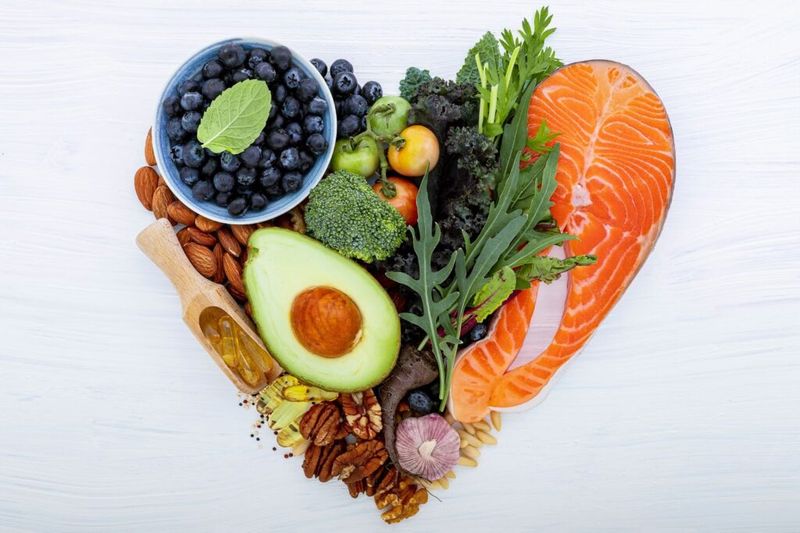
A healthy relationship with food focuses on nourishment, enjoyment, and flexibility rather than strict control.
Intuitive eating encourages trust in your body instead of relying on external rules or constant calorie tracking.
This can reduce cycles of restriction and overeating that often come with traditional dieting.
Food becomes part of daily life rather than a source of stress, reward, or punishment.
Over time, this mindset supports long-term consistency because it feels realistic and sustainable rather than exhausting.
Understanding Emotional And Physical Hunger
Physical hunger builds gradually and is satisfied by eating, while emotional hunger often appears suddenly and is linked to mood or stress.
Intuitive eating teaches you to pause and gently check what your body and mind actually need in that moment.
Sometimes the answer really is food, and other times it might be rest, connection, or a change of scenery.
Learning this difference helps prevent automatic eating without judgement or self-criticism.
This awareness supports more thoughtful choices while still allowing flexibility and enjoyment.
Trusting Your Body's Natural Signals
Your body has built-in systems that regulate appetite, energy needs, and satisfaction levels.
Intuitive eating works with these signals instead of overriding them through strict meal plans or food tracking.
As trust grows, confidence around portion sizes and food choices often increases naturally.
Many people notice fewer swings between feeling overly restricted and overly full once they listen more closely to their body.
This trust can create a calmer, more consistent approach to eating across busy days and changing routines.
Enjoying Food Without Labels Or Pressure

Removing labels allows food to be enjoyed for taste, culture, and comfort without unnecessary judgement.
This often makes social eating easier, whether that’s sharing a takeaway with friends or enjoying family traditions.
When pressure disappears, satisfaction tends to increase because you’re truly present with the experience of eating.
It also reduces the urge to overthink every choice or compare your plate to someone else’s.
Food becomes a positive part of life rather than something that constantly demands mental energy.
Creating Sustainable Habits That Feel Natural
Intuitive eating supports habits that adapt to real life rather than rigid plans that feel difficult to maintain.
It encourages consistency through awareness instead of perfection, which helps routines stay flexible and realistic.
Small choices guided by hunger, satisfaction, and enjoyment often add up to long-term stability.
This approach fits easily around changing schedules, social events, and seasonal routines.
The result is a way of eating that feels supportive, relaxed, and genuinely workable for everyday life.