



Eating abroad can feel oddly unfamiliar, even when the food itself looks comforting and recognisable.
Small habits around the table, from how dishes are served to what counts as polite behaviour, often catch Britons off guard.
These surprising food rules reveal just how differently cultures approach everyday meals and why travel dining is never quite as straightforward as it seems.
All information is provided for general interest only. Customs, etiquette, and dining practices vary widely by country, region, and situation.
1. Slurping Noodles Is Polite
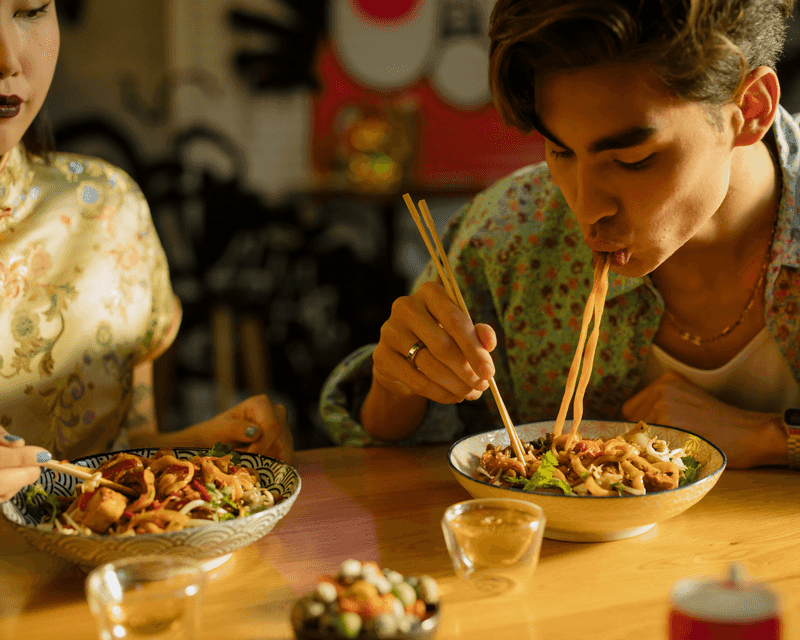
In Japan, making loud slurping sounds whilst eating noodles is actually considered a compliment to the chef.
British diners often feel mortified when they accidentally make noise, but locals see it as appreciation.
The slurping also cools down the hot noodles and enhances the flavour by mixing air with the broth.
Next time you're enjoying ramen in Tokyo, don't hold back - embrace the slurp!
2. No Tipping Is Expected
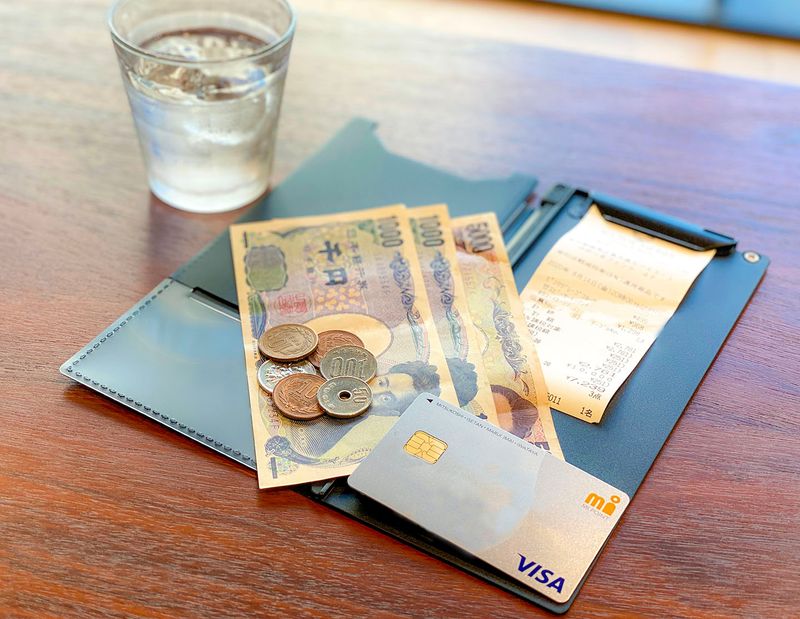
Leaving a tip in countries like Japan or South Korea can actually cause confusion or even offence.
Excellent service is simply expected as part of the job, not something requiring extra payment.
Waiters might even chase you down the street thinking you forgot your money!
Britons accustomed to adding 10-15% to every bill find this cultural difference particularly tricky to navigate when travelling.
3. Cheese Is Not Served With Seafood
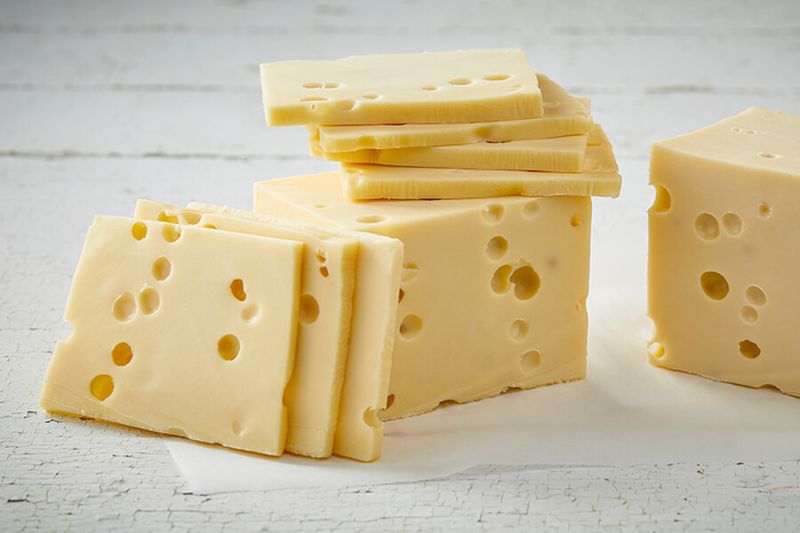
In Italy, cheese is traditionally avoided on seafood dishes to preserve delicate flavours.
Many Italians feel strong cheeses can mask the taste of fresh fish and shellfish rather than complement them.
Asking for cheese with seafood pasta may raise eyebrows, not out of rudeness but cultural habit.
This long-standing preference reflects how seriously Italians approach balance and tradition in cooking.
4. Cappuccino Is Not Drunk After Meals
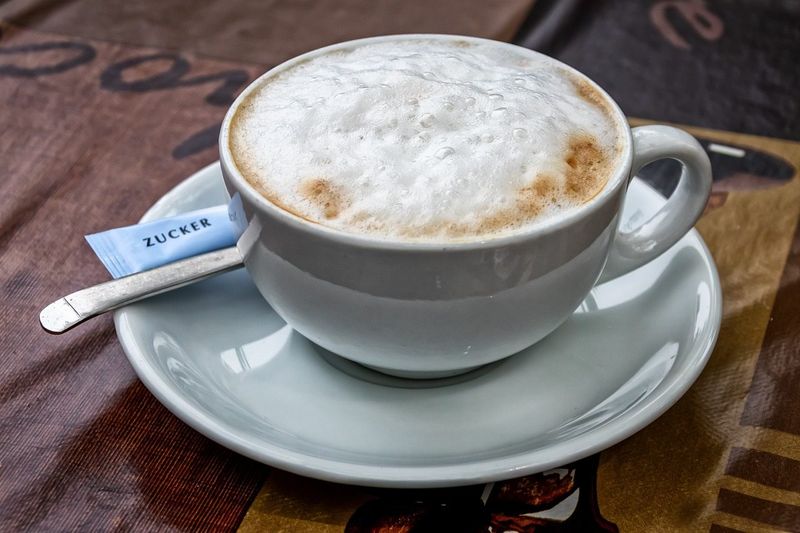
In Italy, cappuccino is most commonly enjoyed in the morning rather than after meals.
The milkiness is thought to feel heavy later in the day, especially following lunch or dinner.
Locals usually choose a small espresso instead, keeping things light and simple.
Ordering a cappuccino later on is perfectly allowed, but it does quietly signal a visitor’s habits.
5. Hands Are Preferred Over Cutlery
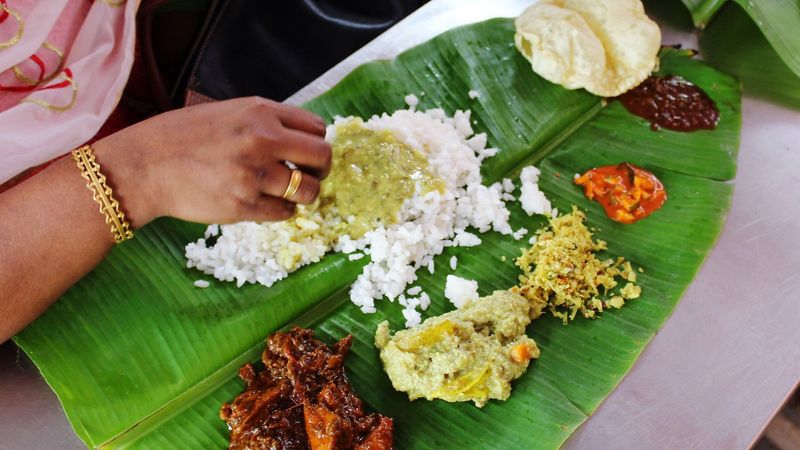
Throughout India, Ethiopia, and parts of the Middle East, eating with your hands is the traditional and preferred method.
Using your right hand (never the left!), you scoop up food with bread or rice.
Britons often reach for forks and knives, but locals believe eating with hands enhances the sensory experience and connects you more deeply with your meal.
6. Bread Is Not Used To Mop Up Sauce
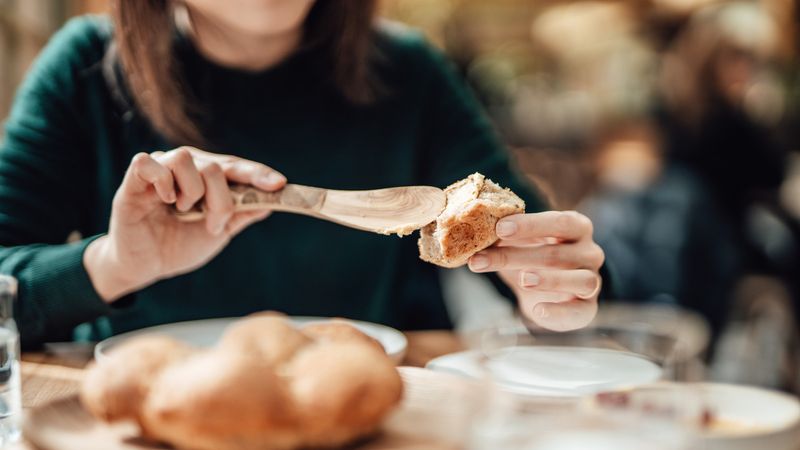
In some Northern European countries, bread is treated as an accompaniment rather than a tool for the plate.
Using it to gather up sauce is simply less common and not part of everyday dining manners there.
In contrast, French diners often use bread to enjoy leftover sauce, showing how customs differ even nearby.
These small differences highlight how food etiquette shifts from place to place across Europe.
7. Meals Are Eaten Very Late
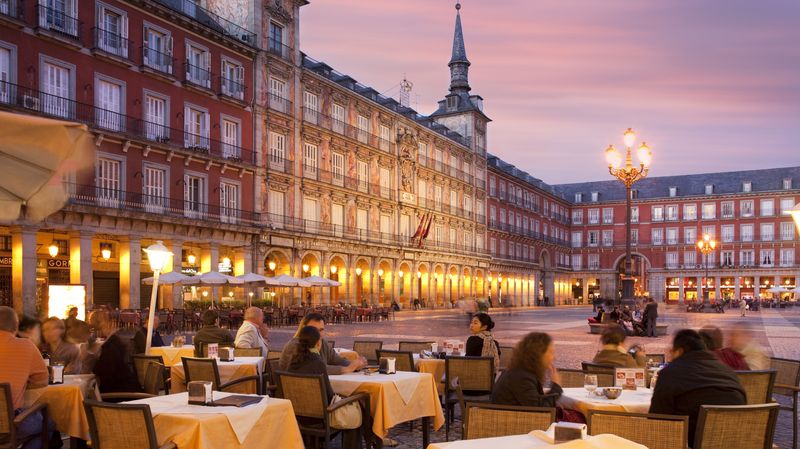
Spaniards typically sit down for dinner around 10 p.m., which feels impossibly late for Britons accustomed to eating around 6 or 7 p.m.
Restaurants don't even open their kitchens until 9 p.m. in many Spanish cities.
This late dining schedule aligns with Spain's afternoon siesta culture and warmer evening temperatures.
British tourists often find themselves starving and searching desperately for open restaurants at teatime!
8. Asking For Changes Is Discouraged
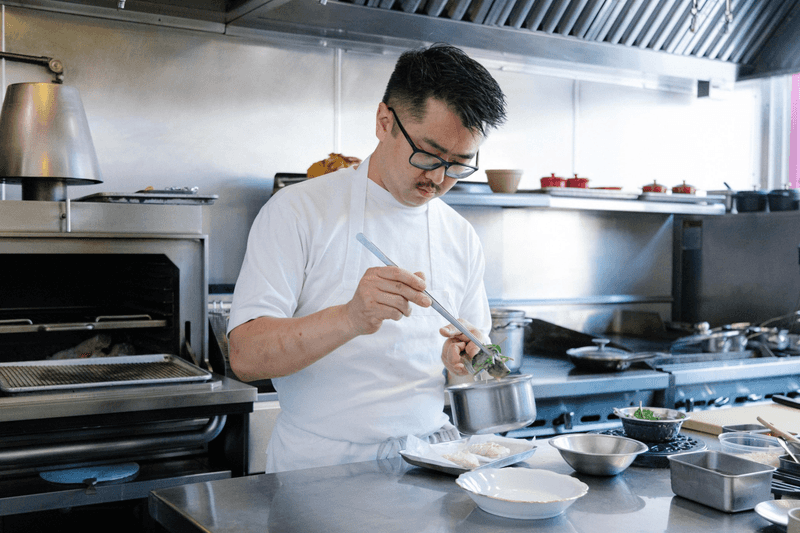
French restaurants generally frown upon substitutions or special requests.
The chef has carefully crafted each dish, and asking to swap ingredients is seen as disrespectful to their expertise.
Whilst British diners are used to customising orders freely, French dining culture emphasises trusting the chef's vision.
You're expected to order something else if you don't fancy a particular ingredient rather than request changes.
9. Sharing Plates Is Uncommon
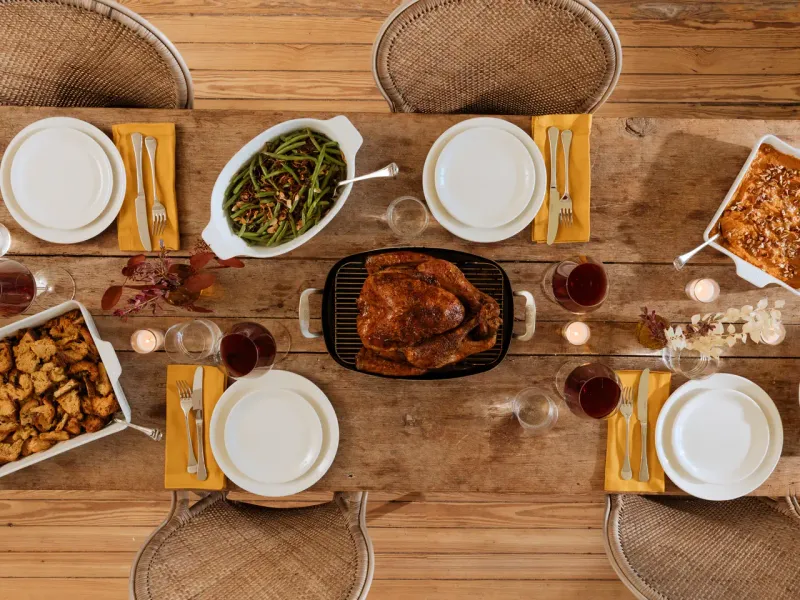
In Germany and parts of Scandinavia, everyone orders their own meal and sharing isn't really done.
Reaching across to pinch a chip from someone else's plate would be considered quite odd.
British diners who love trying a bit of everything often find this individualistic approach less social.
Each person's meal is their own, and communal dining simply isn't part of the cultural norm in these regions.
10. Soup Can Be A Main Course
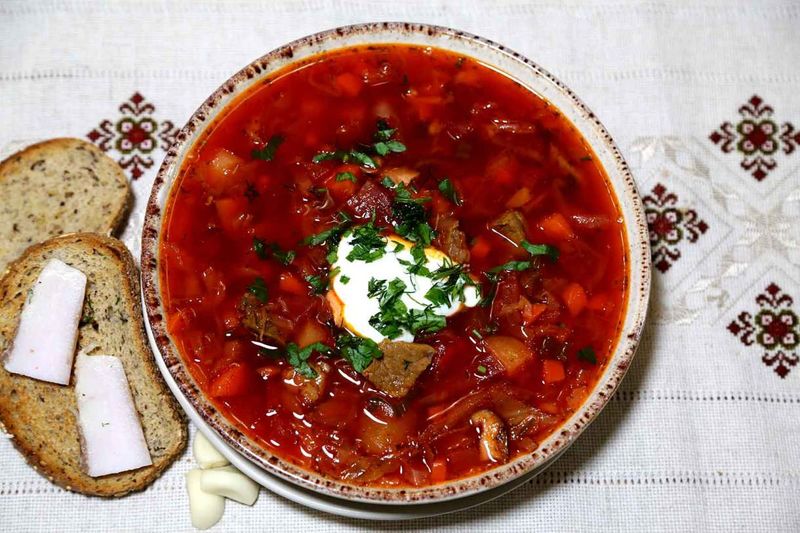
Eastern Europeans regularly enjoy soup as their entire main course rather than just a starter.
Hearty varieties like borscht, goulash soup, or żurek are substantial enough to be satisfying meals on their own.
Britons accustomed to lighter soups as appetisers often feel surprised when nothing else arrives after the soup bowl.
These filling soups are complete meals, packed with meat, vegetables, and sometimes even sausage!
11. Desserts Are Not Always Sweet
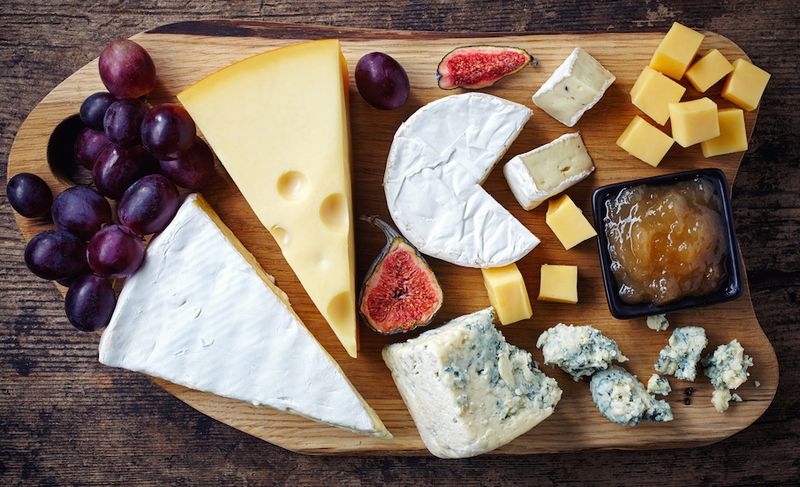
In France, meals often end with a cheese course rather than a sugary dessert.
This savoury finish allows diners to appreciate regional cheeses and slower pacing at the table.
Visitors expecting cake or pudding can be surprised by this change in rhythm.
For many French diners, cheese offers a satisfying and balanced way to close a meal before coffee or tea.
12. Fruit Is Served After Meals
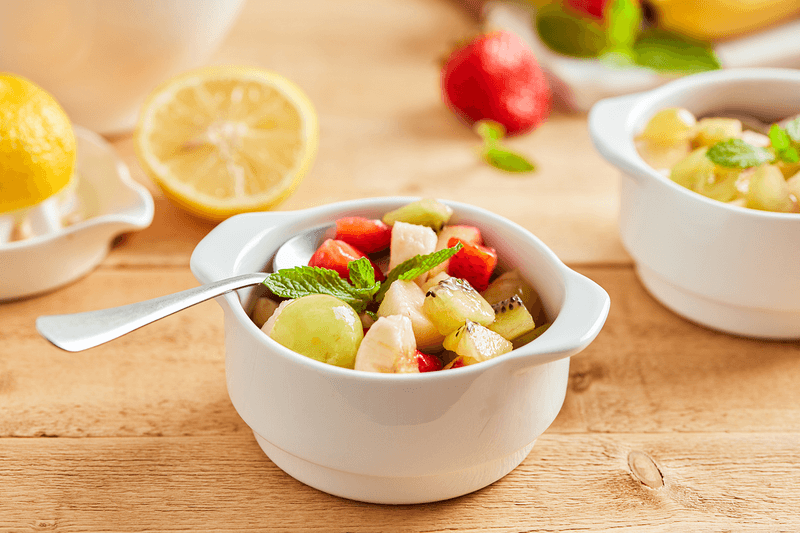
Throughout Mediterranean countries, fresh fruit often replaces heavy desserts at the end of meals.
Perfectly ripe peaches, figs, or melon provide a light, refreshing conclusion to dinner.
Greeks and Italians believe fruit aids digestion better than rich cakes or pastries.
Britons sometimes feel this ending is anticlimactic, but locals appreciate the natural sweetness and health benefits of seasonal fruit as the ideal meal finale.
13. Takeaway Is Rare Or Unusual
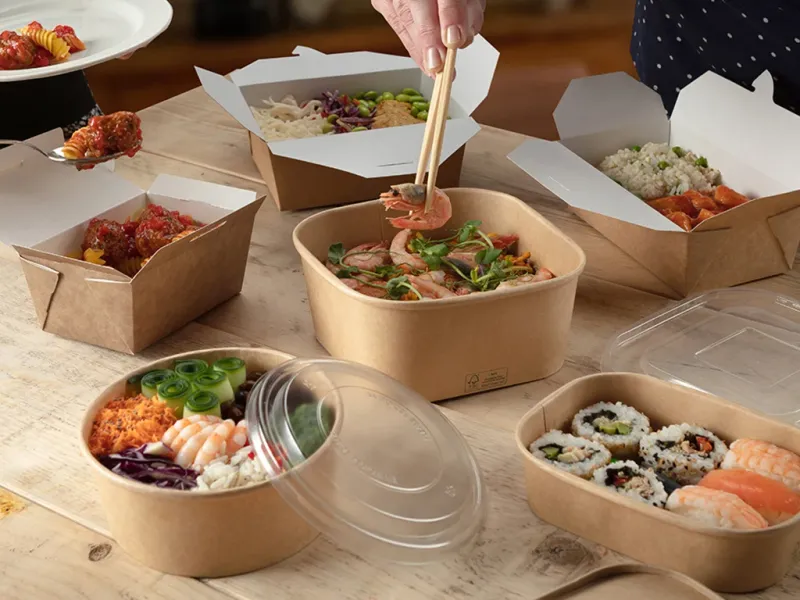
Many European countries don't have the same takeaway culture Britons enjoy.
French and Italian restaurants expect you to dine in and savour your meal at a leisurely pace.
Asking for a doggy bag or to-go container might get you strange looks or polite refusals.
Meals are social occasions meant to be experienced in the restaurant, not rushed or eaten elsewhere later on.
14. Breakfast Is Very Small
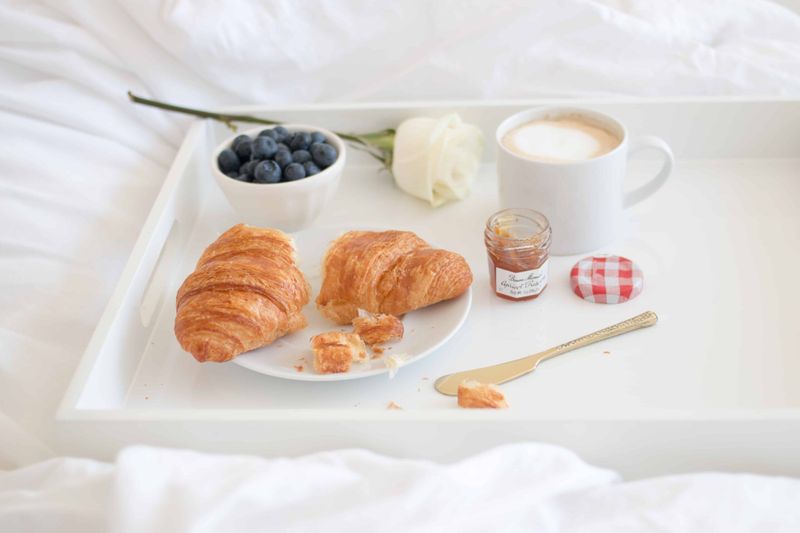
Continental breakfasts consist of just a croissant or pastry with coffee - nothing like a proper British fry-up.
French, Italian, and Spanish morning meals are intentionally light and quick.
Britons abroad often feel starving by mid-morning after such minimal breakfast.
However, locals prefer saving their appetite for a substantial lunch, which is traditionally the day's largest and most important meal in these cultures.
15. Finishing Everything Can Be Rude
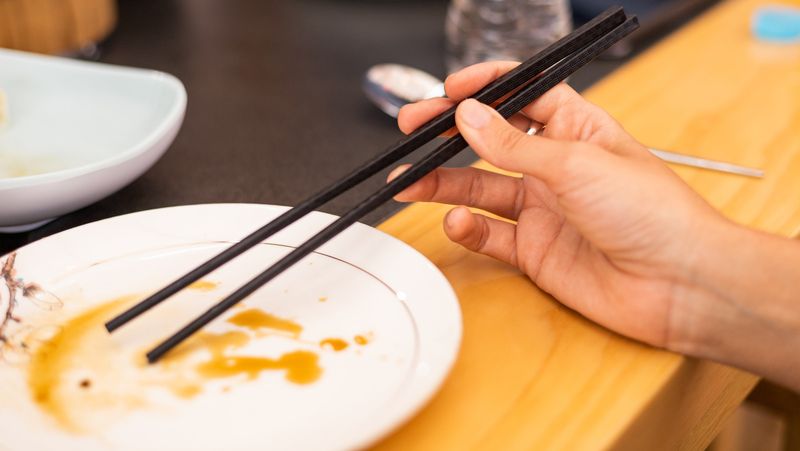
In China and some Southeast Asian countries, clearing your plate completely suggests your host didn't provide enough food.
Leaving a small amount shows you're satisfied and well-fed.
British children raised to 'clean their plates' find this custom particularly difficult to follow.
However, finishing every morsel can imply you're still hungry and your host failed in their hospitality duties - quite the opposite intention!