




Food has long travelled alongside people moving between countries and regions.
As communities settled in new places, familiar recipes were adapted to local ingredients and tastes, gradually becoming part of everyday eating.
Many foods now considered widely known began as regional dishes before spreading through migration and cultural exchange.
Over time, these dishes were reshaped by their new surroundings while retaining elements of their origins.
All information is provided for general interest only.
Food traditions, ingredients, and preparation methods may vary by region and culture.
Photos are for illustrative purposes only.
1. Pizza
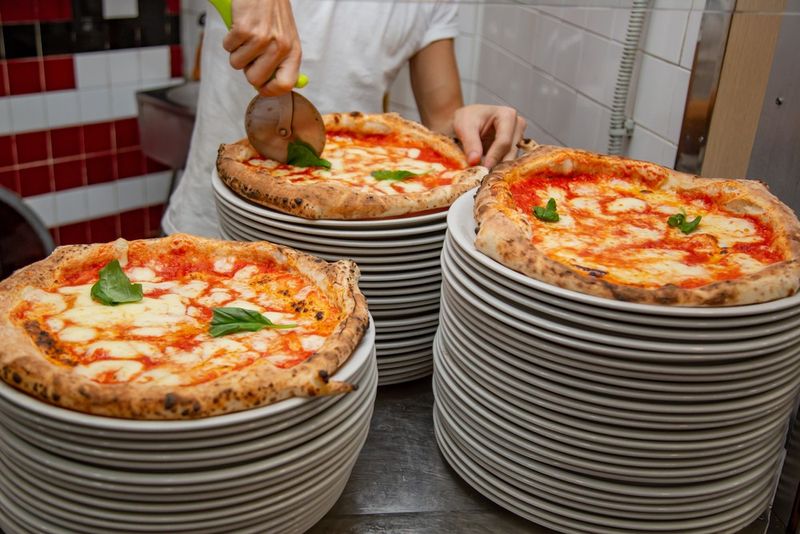
Born in the bustling streets of Naples, pizza started as humble street food for working-class Italians.
When Italian immigrants sailed to America in the late 1800s, they tucked this flatbread treasure into their memories and recreated it in their new homes.
What happened next was pure magic – Americans went absolutely mad for it.
New York gave us floppy, foldable slices, whilst Chicago decided to build towering deep-dish monuments to cheese.
Now it's everywhere, from fancy wood-fired ovens to freezer aisles, proving that sometimes the simplest foods travel best.
2. Curry
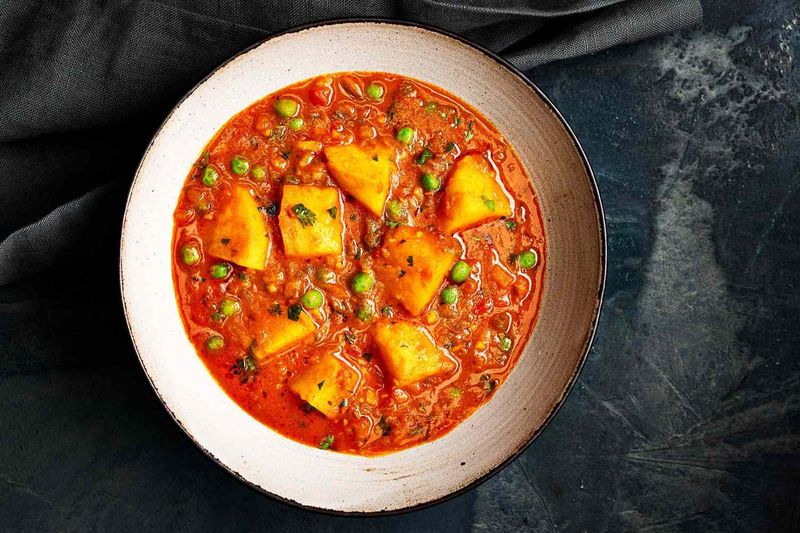
Curry isn't just one dish – it's an entire universe of flavours that journeyed from the Indian subcontinent to practically every corner of the globe.
British colonialism played a complicated role, with soldiers and officials developing a taste for spiced stews and bringing that craving home.
Indian, Pakistani, and Bangladeshi immigrants later brought authentic recipes to Britain, transforming curry into a national obsession.
Today, chicken tikka masala competes with fish and chips for the title of Britain's favourite dish.
The creamy, spicy, aromatic magic has won hearts worldwide.
3. Falafel
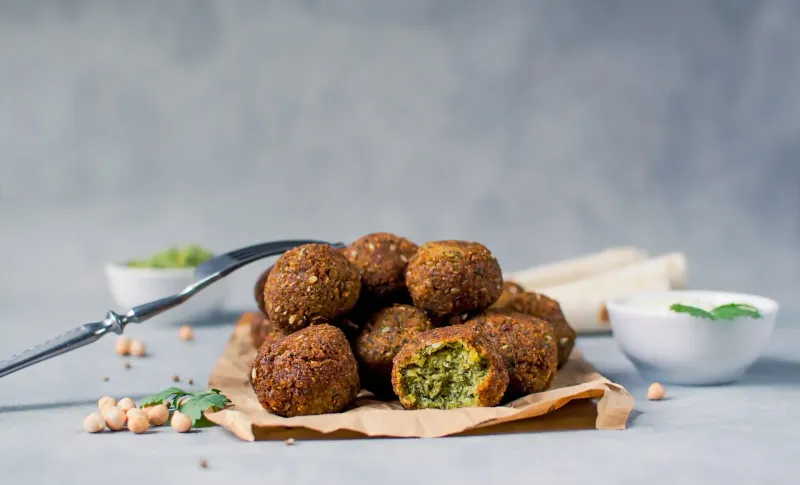
These crispy little chickpea balls have Egyptian roots, though plenty of Middle Eastern countries claim them as their own.
Falafel travelled with immigrants from Egypt, Lebanon, Palestine, and beyond, popping up in cities across Europe and North America.
Street vendors discovered they were brilliant for quick lunches – cheap, filling, and utterly delicious stuffed into warm pita with tahini.
Vegetarians and vegans embraced falafel as a protein-packed alternative to meat.
Now you'll spot them everywhere from food trucks to posh restaurants, proving that humble street food can absolutely hold its own.
4. Sushi
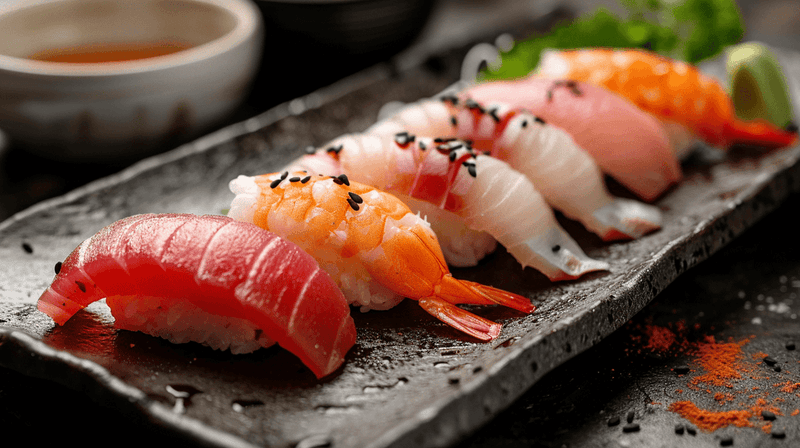
Sushi started as a preservation method in Japan, where fish was fermented with rice to keep it edible for months.
Fast-forward to the 20th century, and Japanese immigrants introduced Americans to this delicate art form.
At first, raw fish seemed rather odd to Western palates, so clever chefs invented inside-out rolls like the California roll, hiding the seaweed and adding creamy avocado.
That little tweak changed everything.
Suddenly sushi bars were popping up everywhere, and now it's as common as sandwiches, with endless creative variations that would make traditional Japanese chefs raise an eyebrow.
5. Tacos
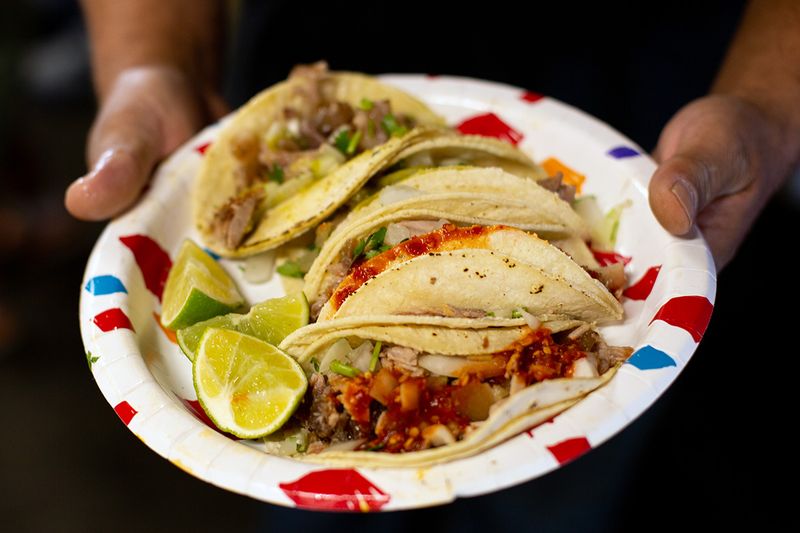
Tacos have been feeding Mexicans for centuries, with soft corn tortillas cradling everything from grilled meat to beans and vegetables.
When Mexican immigrants crossed into the United States, they brought their taco traditions along, setting up street stands and small restaurants.
Americans couldn't resist the handheld convenience and explosive flavours.
Soon, tacos evolved into countless regional styles – crunchy hard shells, fish tacos in California, breakfast tacos in Texas.
Taco Tuesday became a weekly ritual, and now these folded wonders are as American as they are Mexican, beloved by absolutely everyone.
6. Shawarma
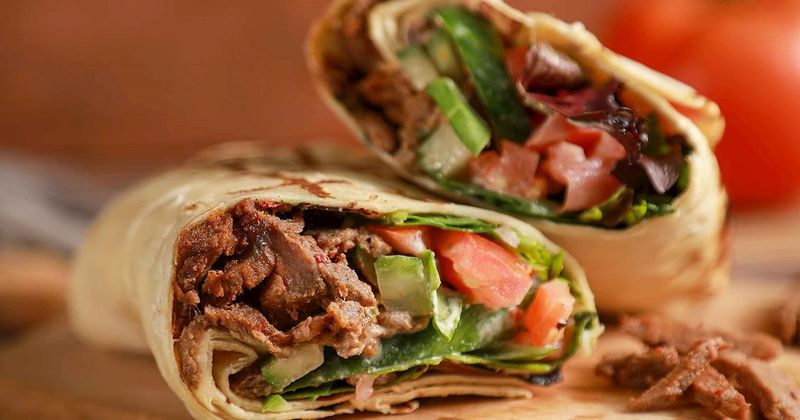
Picture a towering column of marinated meat slowly rotating on a vertical spit, getting crispy on the edges whilst staying juicy inside.
That's shawarma, a Middle Eastern marvel that travelled with Lebanese, Syrian, and Turkish immigrants to cities worldwide.
The genius lies in the cooking method – thin slices are shaved off and tucked into flatbread with garlic sauce, pickles, and salad.
It's ridiculously tasty and perfect for eating on the go.
Now shawarma shops line streets from London to Los Angeles, offering late-night comfort food that hits differently.
7. Dumplings
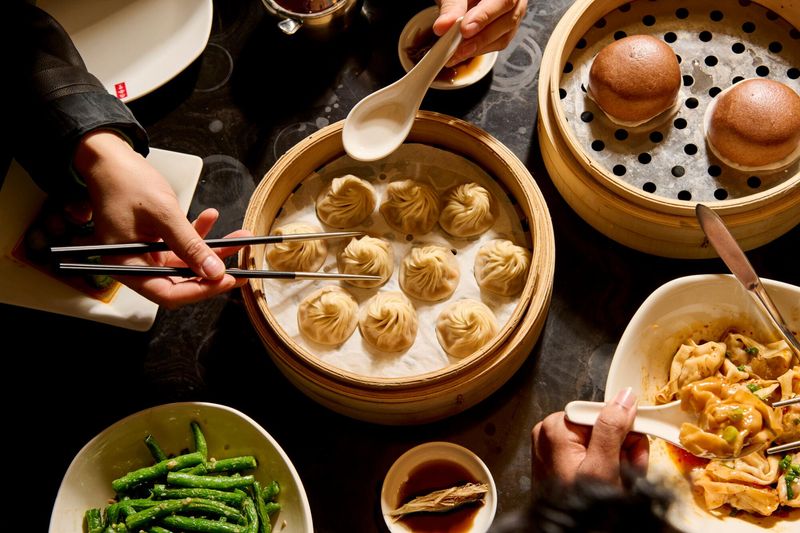
Dumplings might be the ultimate comfort food – little parcels of dough wrapped around savoury fillings, steamed, boiled, or fried to perfection.
Chinese immigrants brought dumpling-making traditions wherever they settled, from San Francisco's Chinatown to Sydney's suburbs.
Families would gather to fold hundreds together, turning cooking into community.
Each region has its own style – delicate soup dumplings, crispy potstickers, plump wontons floating in broth.
What started as homesick immigrants recreating taste memories has become a global phenomenon, with dumpling houses now considered essential neighbourhood fixtures everywhere.
8. Pasta
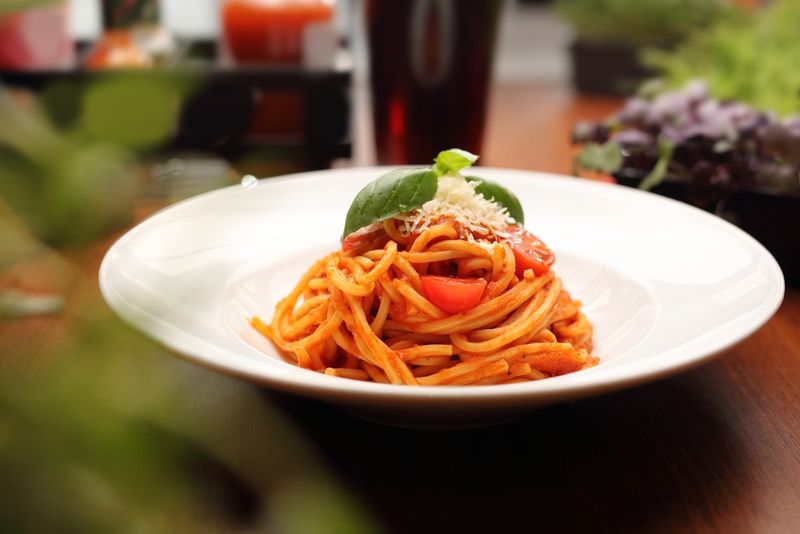
Italy's gift to carb lovers everywhere, pasta arrived in America with waves of Italian immigrants in the late 1800s and early 1900s.
Back home, pasta was simple – often just dressed with olive oil, garlic, or fresh tomatoes.
In their new country, Italian families adapted recipes, creating heartier versions like spaghetti and meatballs that reflected their new abundance.
Pasta's versatility made it perfect for feeding large families on tight budgets.
Now it's everywhere, from quick weeknight dinners to fancy restaurant tasting menus, available in every imaginable shape and sauce combination.
9. Kebab
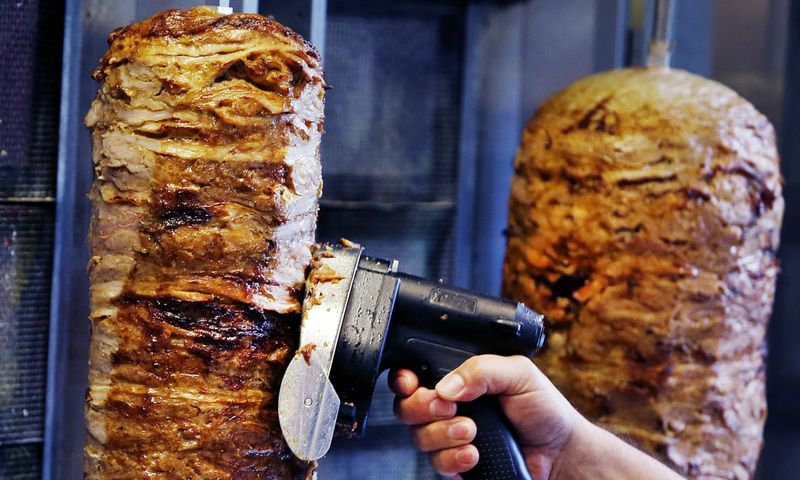
Kebabs have been grilled over open flames across the Middle East and Mediterranean for ages, but Turkish immigrants really put them on the global map.
The döner kebab – that spinning cone of meat we all know and love – became the ultimate late-night food in European cities.
Workers from Turkey brought their grilling expertise to Germany, Britain, and beyond, setting up shops that stayed open when everything else closed.
Shaved meat, crisp salad, and tangy sauce in warm bread became the perfect end to any night out.
Now kebab shops are cultural landmarks.
10. Fried Rice
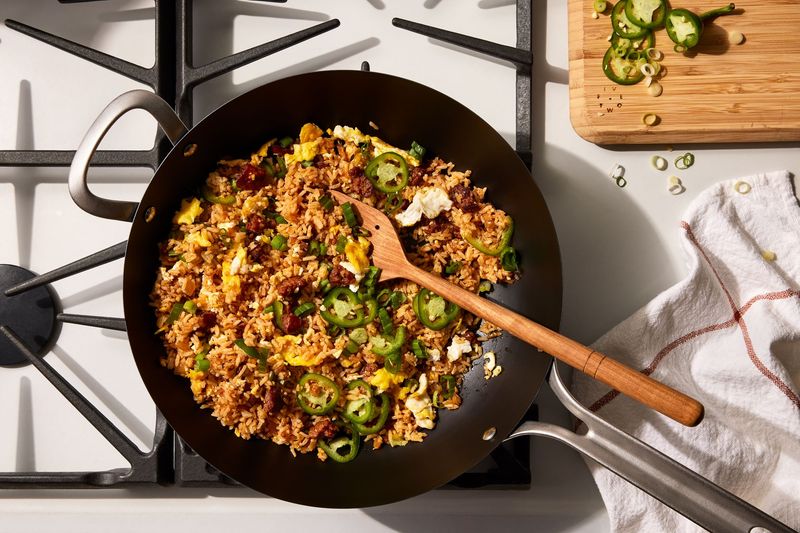
Originally invented as a clever way to use up leftover rice, fried rice became a Chinese takeaway staple thanks to immigrant restaurant owners.
Chinese communities settling abroad opened restaurants to make a living, and fried rice was perfect – quick to make, endlessly adaptable, and absolutely delicious.
You could toss in whatever ingredients you had – prawns, chicken, vegetables, egg – and create something satisfying every time.
Each region developed its own version, from Yangzhou style to Thai pineapple fried rice.
Now it's comfort food worldwide, proving that leftovers can absolutely become legendary.