




Italian food is firmly woven into everyday eating in the UK, with certain dishes becoming household staples over time.
Pizza, pasta, and familiar sauces are widely enjoyed, often adapted to suit British tastes and routines.
At the same time, some traditional Italian foods can feel unfamiliar or surprising, particularly those rooted in regional cooking or older food traditions.
These dishes reflect Italy’s varied food culture, where local ingredients and historical habits still play an important role.
This piece looks at Italian foods that tend to divide opinion in the UK, alongside those that have found lasting popularity with British diners.
All information is provided for general interest only.
Food preferences, interpretations, and availability may vary by region and individual taste.
Photos are for illustrative purposes only.
Italian Foods Brits Don't Quite Understand
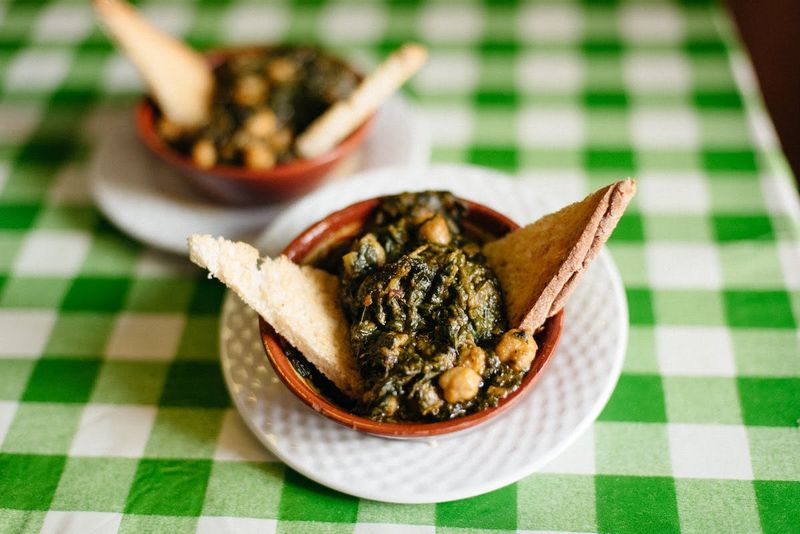
Some Italian dishes require an adventurous spirit that many Brits haven't quite mustered yet.
These aren't your typical Italian restaurant offerings – they're the real deal, straight from Italian street markets and family kitchens.
Offal features heavily in traditional Italian cooking, and whilst it's packed with flavour and history, it can feel like a culinary leap too far for those raised on Sunday roasts.
These five dishes showcase Italy's nose-to-tail philosophy and regional pride, even if they haven't quite won over British dinner tables.
1. Trippa
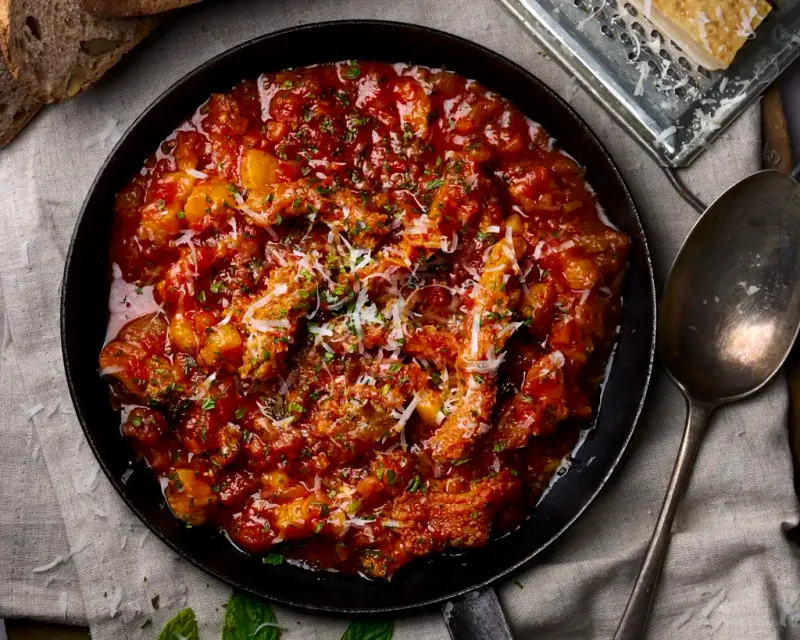
Honeycomb tripe simmered in tomato sauce might sound unappetizing to British ears, but Romans consider it comfort food.
The texture is what throws most people off – it's tender yet slightly chewy, nothing like the meat Brits typically tuck into.
Trippa alla Romana gets slow-cooked with tomatoes, mint, and pecorino until it practically melts.
Street vendors in Rome serve it piping hot, and locals queue up for it like we do for fish and chips.
It's an acquired taste that requires setting aside preconceptions about what belongs on your plate.
2. Lampredotto
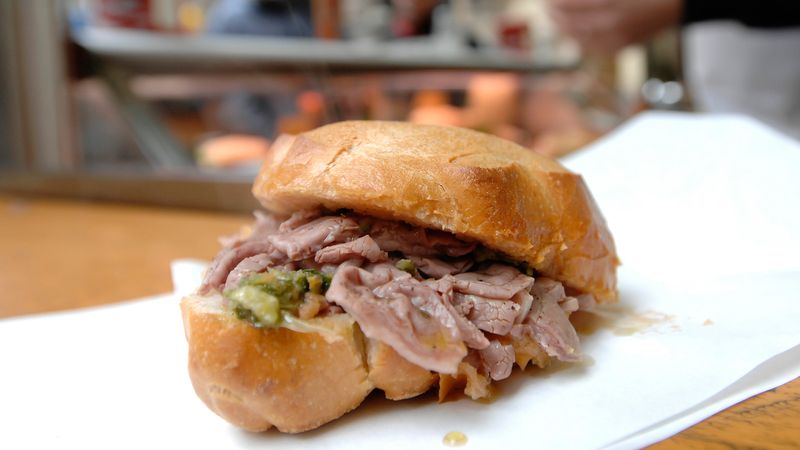
Florence's favourite street food is a sandwich filled with cow's fourth stomach, which understandably gives many Brits pause.
Lampredotto gets boiled until tender, then sliced thin and stuffed into a roll that's been dipped in the cooking broth.
The salsa verde adds a herby punch that cuts through the richness beautifully.
Florentines swear by it as the perfect lunch on the go, eaten standing at market stalls whilst chatting with vendors.
For British visitors, it's often a bridge too far, despite locals insisting it's absolutely delicious once you give it a proper chance.
3. Cacciucco
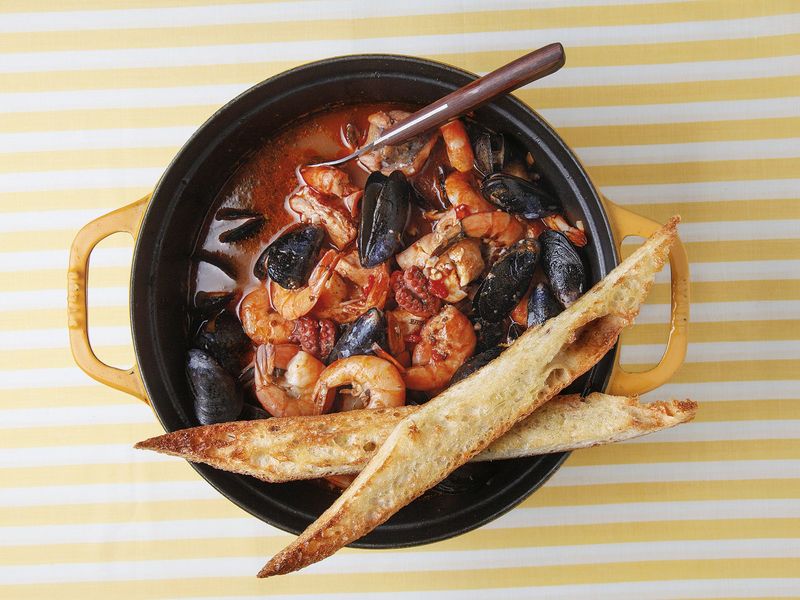
This Tuscan fish stew throws everything from the day's catch into one pot, including bits that might make squeamish diners uncomfortable.
Cacciucco contains at least five types of seafood, and traditionally uses whatever the fishermen couldn't sell at market.
Octopus, cuttlefish, and various fish heads simmer together in a spicy tomato base that's mopped up with garlic-rubbed toast.
The result is intensely flavourful but visually challenging, with tentacles and shells poking out everywhere.
Brits who prefer their fish in neat, boneless fillets often find the whole affair a bit too authentic for comfort.
4. Coratella
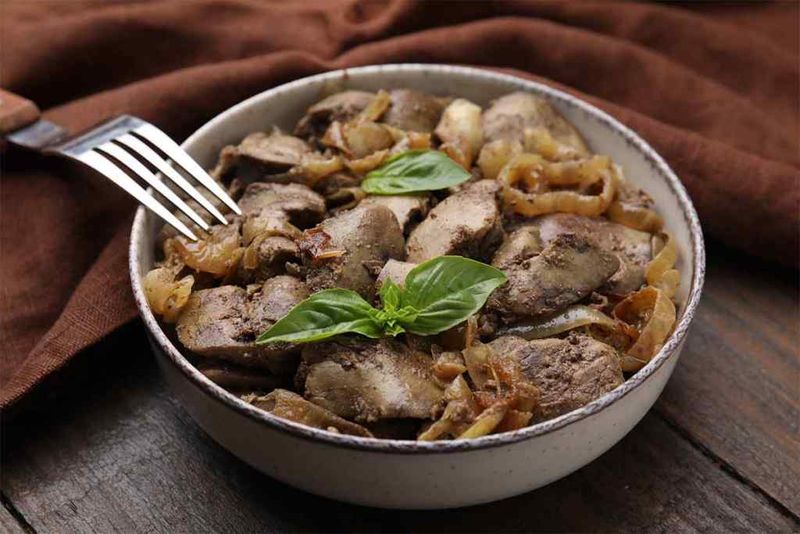
Lamb's heart, lungs, and liver get chopped up and sautéed together in this Roman springtime speciality that celebrates Easter traditions.
Coratella is often paired with artichokes, which helps balance the strong, iron-rich flavours of the organ meats.
The texture varies throughout – some bits are tender, others more substantial – which can be disconcerting if you're not expecting it.
Italian families serve this with pride during festive meals, viewing it as a connection to their agricultural heritage.
British diners, however, typically prefer their lamb chops without the accompanying internal organs, thank you very much.
5. Pasta Al Nero Di Seppia
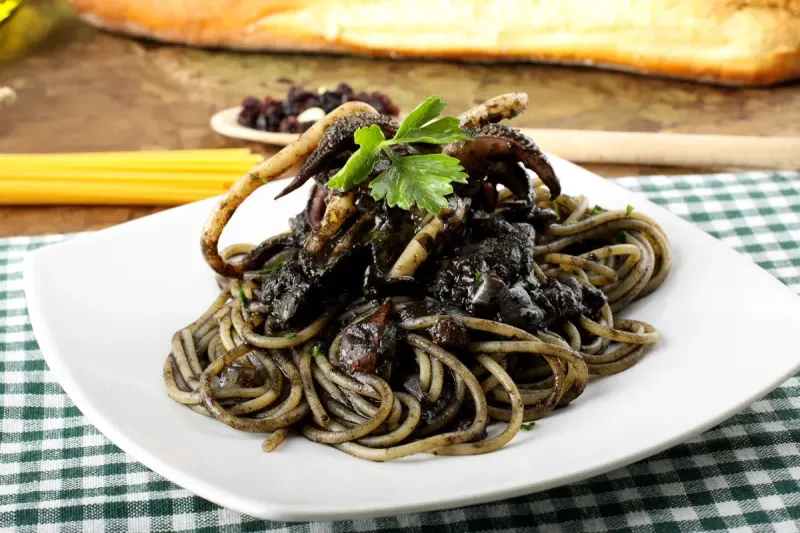
Jet-black pasta made with cuttlefish ink looks like something from a Halloween party rather than an Italian seaside restaurant.
The dramatic colour comes from the ink sac, which adds a subtle briny flavour and an unforgettable visual impact to the dish.
Venetians have been cooking with squid ink for centuries, appreciating its delicate taste of the sea.
British diners often worry about the inevitable black teeth situation and the slightly intimidating appearance on the plate.
It's delicious, though – tender pasta with a whisper of ocean flavour that seafood lovers should absolutely try at least once.
Italian Foods Brits Absolutely Love
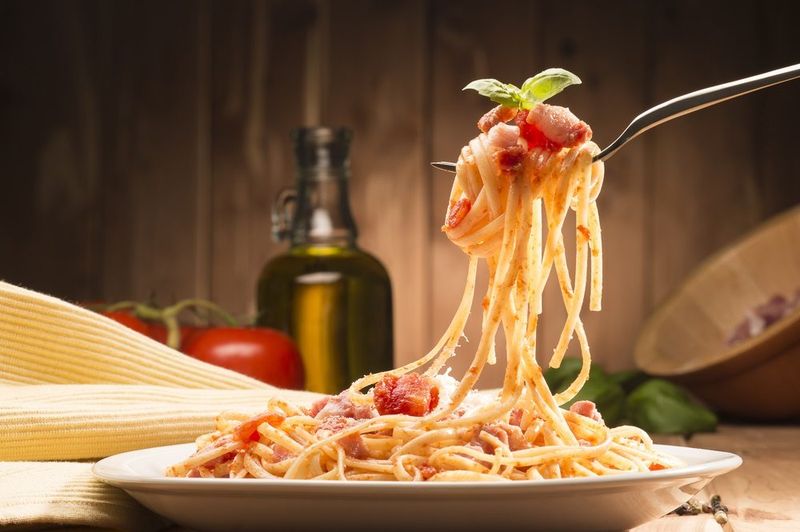
These are the Italian dishes that conquered Britain without firing a shot.
They've become so embedded in British food culture that many people forget they're not actually native to these shores.
What makes these dishes so universally appealing is their perfect balance of comfort and sophistication.
They're accessible enough for a Tuesday night dinner yet special enough for entertaining guests, which is precisely why British home cooks have embraced them wholeheartedly.
These five Italian classics have earned permanent places in British hearts and kitchens, and for very good reason indeed.
6. Pizza Margherita
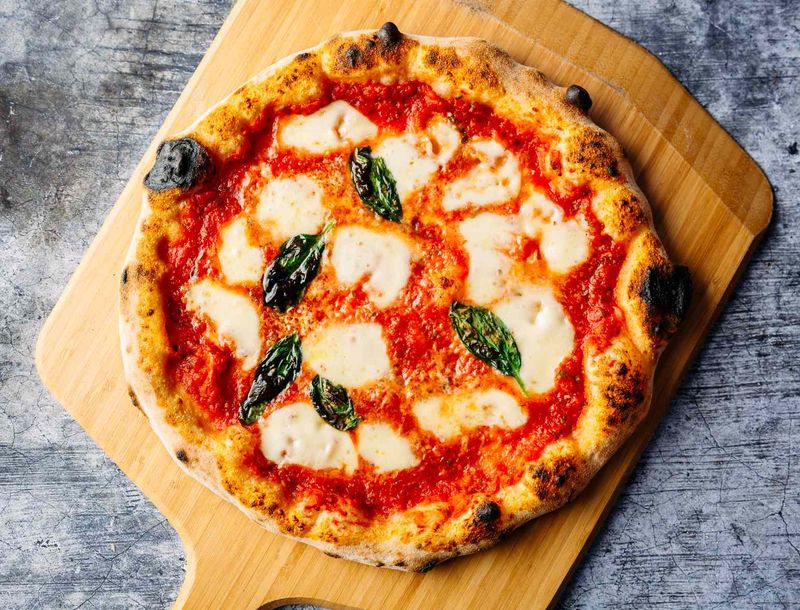
Three simple ingredients – tomato, mozzarella, and basil – create magic when they meet a wood-fired oven and skilled hands.
This Neapolitan classic represents the Italian flag's colours, though that's likely just a happy coincidence rather than intentional patriotism.
Brits have taken to pizza Margherita like ducks to water, appreciating its straightforward perfection.
There's nowhere to hide with so few toppings, which means quality matters enormously.
Whether from a fancy Italian restaurant or your local takeaway, a good Margherita hits the spot every single time, which explains its enduring popularity across Britain.
7. Lasagne
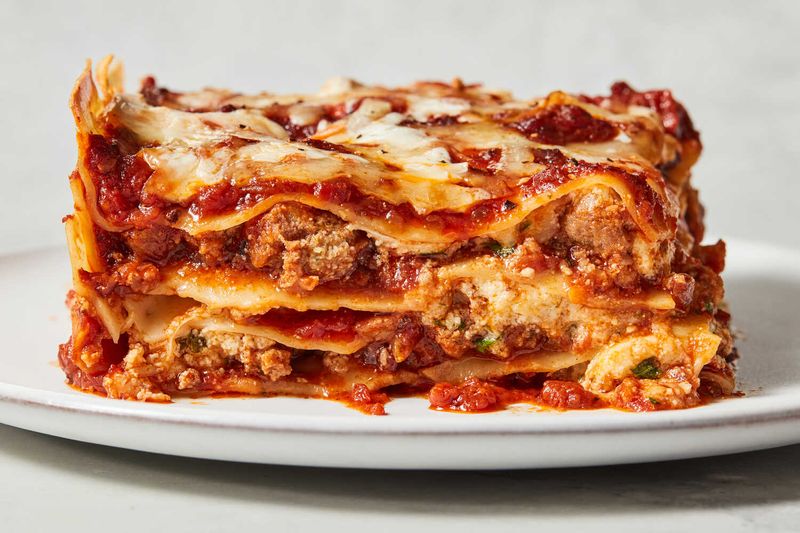
Layered pasta sheets alternate with ragù and béchamel in this baked masterpiece that's become a British Sunday dinner staple.
Proper lasagne takes hours to prepare, with the meat sauce simmering away whilst you carefully construct each delicious layer.
The British version often differs from the Italian original – we tend to go heavier on the cheese and sometimes sneak in a bit of cheddar.
It feeds a crowd beautifully and actually tastes better the next day, making it perfect for batch cooking.
School canteens, family gatherings, and dinner parties all feature lasagne because it's reliably crowd-pleasing and wonderfully comforting.
8. Spaghetti Carbonara
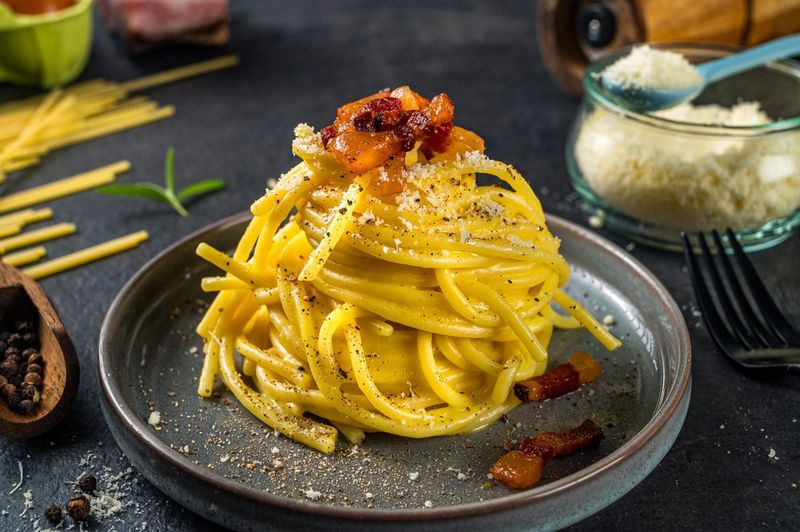
Roman coal miners supposedly invented this creamy pasta dish, though food historians debate the true origins endlessly.
Eggs, pecorino cheese, guanciale, and black pepper create a silky sauce that clings to each strand of spaghetti without any cream whatsoever.
British cooks often add cream and use bacon instead of guanciale, which makes Italian nonnas weep but tastes lovely nonetheless.
The key is getting the egg mixture just right – cooked by the pasta's heat but not scrambled into clumps.
It's become a weeknight favourite because it's quick, uses pantry staples, and feels indulgent without requiring much effort at all.
9. Risotto
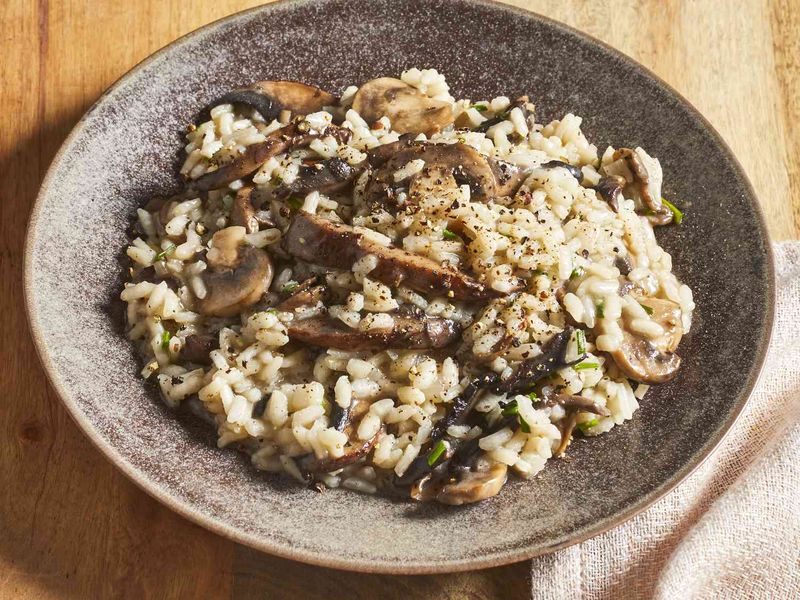
Arborio rice gets stirred patiently with stock until it releases enough starch to create a luxuriously creamy texture without any cream added.
Risotto demands attention and constant stirring, which makes it feel like a labour of love rather than just another dinner.
Mushroom risotto has become particularly popular in Britain, appearing on pub menus and dinner party tables with equal frequency.
The Milanese version with saffron offers a more sophisticated golden elegance that's worth trying.
Brits appreciate how versatile it is – seasonal vegetables, seafood, or cheese can all be stirred through for endless delicious variations throughout the year.
10. Tiramisu
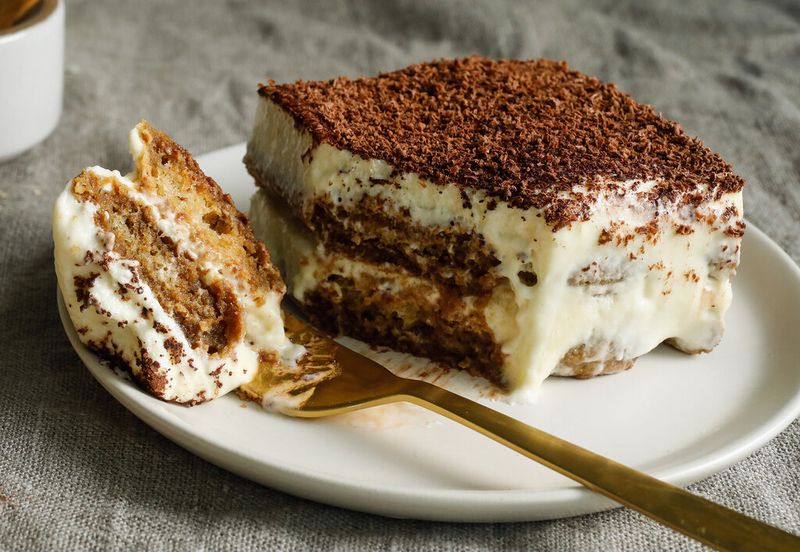
Coffee-soaked ladyfingers layered with mascarpone cream create a dessert that translates literally to 'pick me up', which it certainly does.
This relatively modern invention from the Veneto region only dates back to the 1960s, yet it's conquered the world like few other desserts have managed.
British supermarkets stock ready-made versions, but homemade tiramisu is surprisingly straightforward and tastes infinitely better.
The combination of bitter coffee, sweet cream, and cocoa powder hits multiple flavour notes perfectly.
It's become the default Italian dessert at British restaurants, requested at celebrations, and attempted by ambitious home cooks everywhere with consistently delicious results.