







We often talk about flavour as the star of the show, but texture quietly shapes how enjoyable food really feels.
That first crunch, chew, or silky spoonful can instantly change your reaction before the taste even has time to settle in.
Paying attention to how food feels in the mouth reveals why certain dishes stay memorable long after the plate is cleared.
All information is provided for general interest only. Perception of texture and enjoyment of food can vary by individual, culture, and preparation style.
How Texture Shapes First Impressions
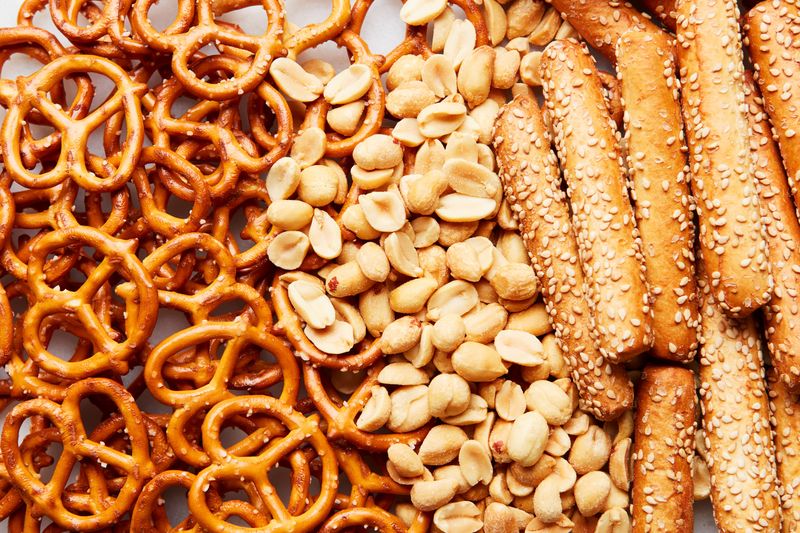
Texture is often the very first thing you notice when food hits your mouth, sometimes even before the flavour fully registers.
A crisp bite or a smooth spoonful immediately sets expectations about quality, freshness, and care.
When texture feels off, even a well-seasoned dish can feel disappointing within seconds.
That initial mouthfeel quietly tells your brain whether something feels indulgent, comforting, light, or heavy.
It is why stale bread or soggy chips can ruin a meal before you have properly tasted it.
The Role Of Crunch, Creaminess, And Contrast
Crunch adds excitement, creaminess adds comfort, and contrast keeps food interesting from start to finish.
Dishes that combine multiple textures tend to feel more complete and satisfying.
Think of crispy toppings on soft soups or silky sauces paired with firm pasta.
Without contrast, flavours can blur together and feel flat, even when well seasoned.
That push and pull between textures keeps each bite feeling fresh rather than repetitive.
Why Texture Affects Satisfaction And Fullness
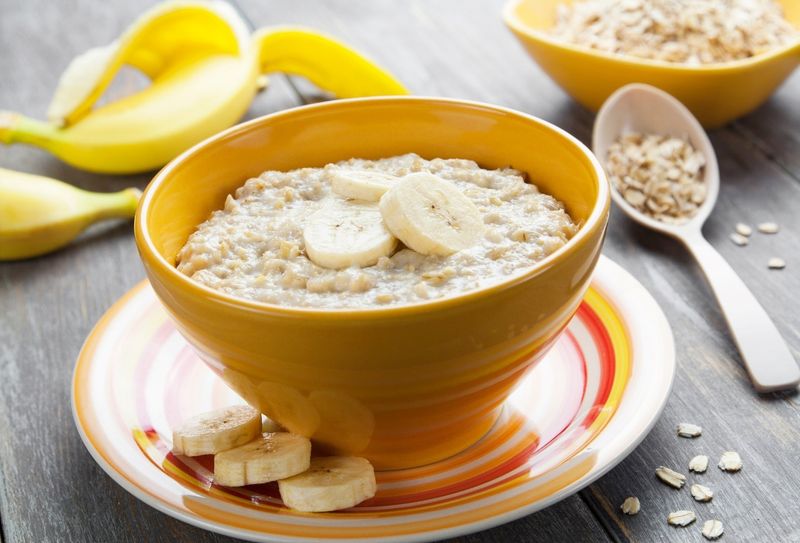
Foods with varied or firmer textures often feel more filling and engaging to eat.
Chewing plays a role in how long a meal feels and how satisfied you feel afterwards.
Soft foods disappear quickly, while textured ones slow things down naturally.
This pacing makes meals feel more substantial, even when portions are similar.
Texture quietly influences how complete and comforting a dish feels overall.
How Texture Influences Flavour Perception
Texture changes how flavour is released and experienced in the mouth.
Crunchy foods often taste fresher, while creamy ones can soften sharp or intense flavours.
A smooth texture can make flavours feel richer and more rounded.
Meanwhile, crisp or chewy textures highlight seasoning and create sharper flavour moments.
The same ingredients can taste completely different simply by changing how they feel.
Cultural Preferences Around Food Texture
Different cultures place very different values on texture in food.
Some cuisines celebrate chewiness, slipperiness, or crisp edges as signs of quality.
What feels unfamiliar or challenging in one culture can be deeply comforting in another.
These preferences are learned over time and tied closely to tradition and memory.
Texture is one of the clearest examples of how food habits are shaped by culture, not just taste.
Balancing Texture For A Better Eating Experience
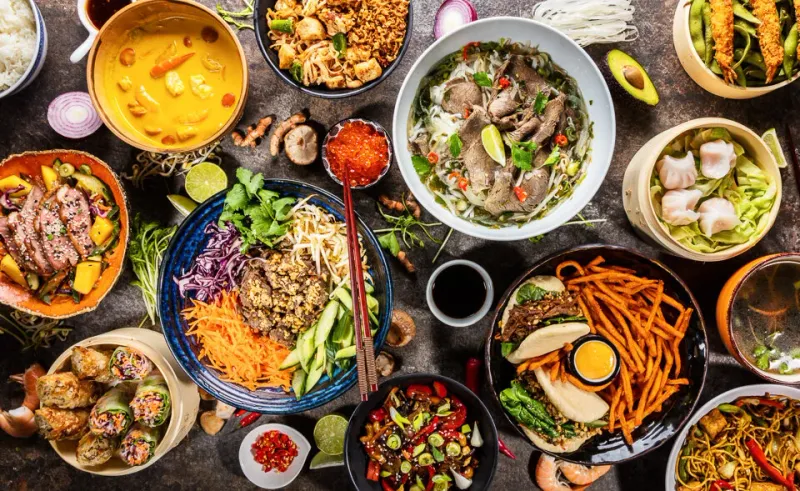
Great dishes usually aim for balance rather than relying on a single texture.
Too much softness can feel boring, while too much crunch can feel tiring.
Combining textures thoughtfully keeps meals engaging without overwhelming the palate.
This balance helps flavours stand out while making the food enjoyable to eat.
When texture is handled well, even simple ingredients can feel surprisingly satisfying.