







Food preferences often shift with the time of year, and those changes are rarely accidental.
Seasonal availability, climate, and long-standing habits all play a part in shaping what feels appropriate to eat at different times.
Across history, people tended to rely on ingredients that were naturally available and suited to the weather, creating patterns that still influence modern eating.
Over time, these practical choices became traditions linked to particular seasons.
This article explores why certain foods are commonly associated with specific times of year and how those connections developed.
All information is provided for general interest only.
Food traditions, availability, and preferences may vary by region, culture, and season.
Photos are for illustrative purposes only
Seasonal Availability Of Ingredients
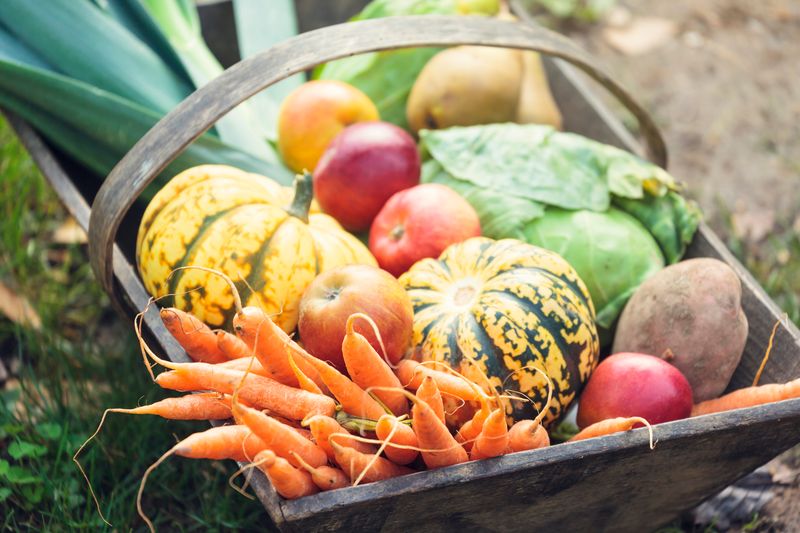
Nature operates on its own timetable, and fruits and vegetables only grow when conditions are just right.
Strawberries need those warm spring days and cool nights to develop their sweetness, whilst root vegetables like turnips prefer the crisp autumn soil to thrive.
You simply can't force an asparagus spear to pop up in December, no matter how much you want it.
Before global shipping became commonplace, people ate what grew nearby during each season.
This meant diets naturally shifted throughout the year, keeping meals interesting and aligned with what the land could actually provide at that moment.
Weather Influences Appetite And Preferences
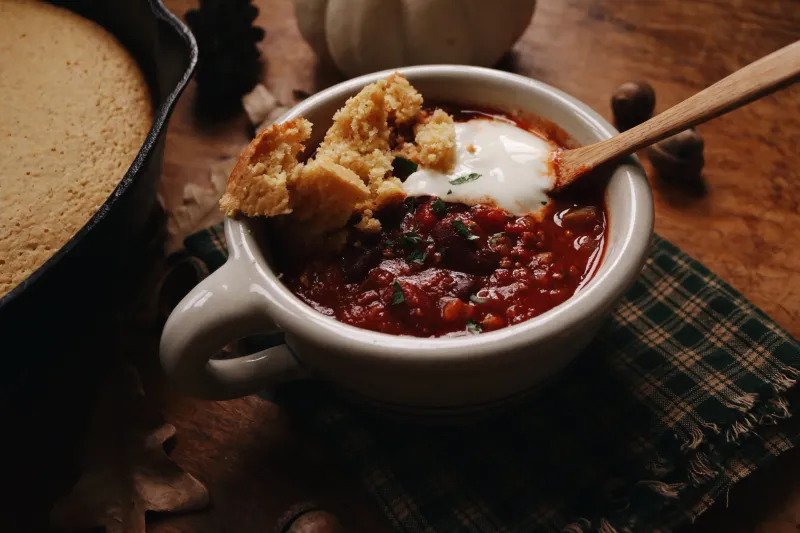
Our bodies are surprisingly clever at knowing what they need.
When summer heat rolls in, you'll likely fancy something light and refreshing, like a crisp salad or watermelon slices that help you stay hydrated.
Come winter, though, your appetite shifts towards warming soups and hearty roasts that provide energy and comfort.
This isn't coincidence.
Temperature affects our metabolism and cravings, nudging us towards foods that help regulate body temperature and energy levels.
Hot weather naturally reduces appetite for heavy meals, whilst cold conditions make us seek out dense, warming fare that keeps us going.
Cultural And Traditional Eating Habits
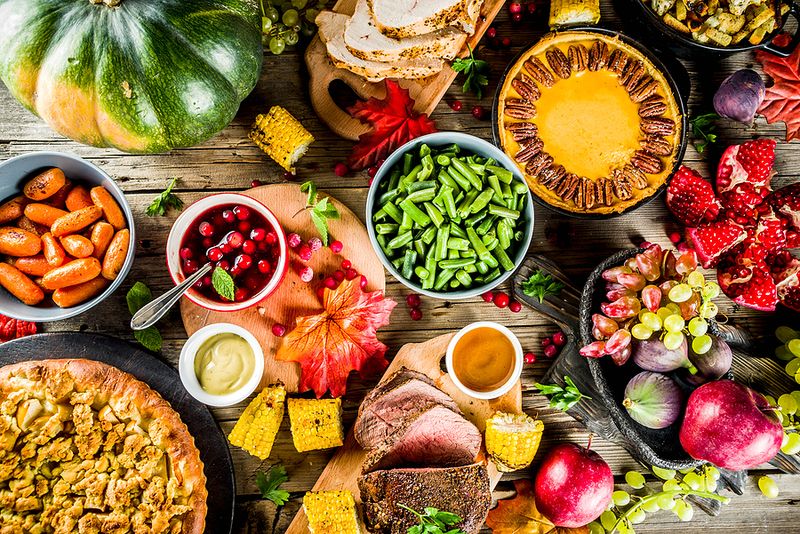
Traditions often spring from practical roots, then blossom into cherished rituals.
Think about roast turkey and pumpkin pie at autumn gatherings, or hot cross buns appearing every spring.
These customs developed because communities celebrated what was abundant and ready to harvest at that exact time.
Generations passed down recipes that honoured the season's bounty, creating cultural markers we still recognise today.
Spring festivals feature fresh greens and herbs symbolising renewal, whilst autumn feasts showcase the year's final harvest before winter arrives, strengthening bonds through shared meals and familiar flavours.
Agricultural Harvest Cycles
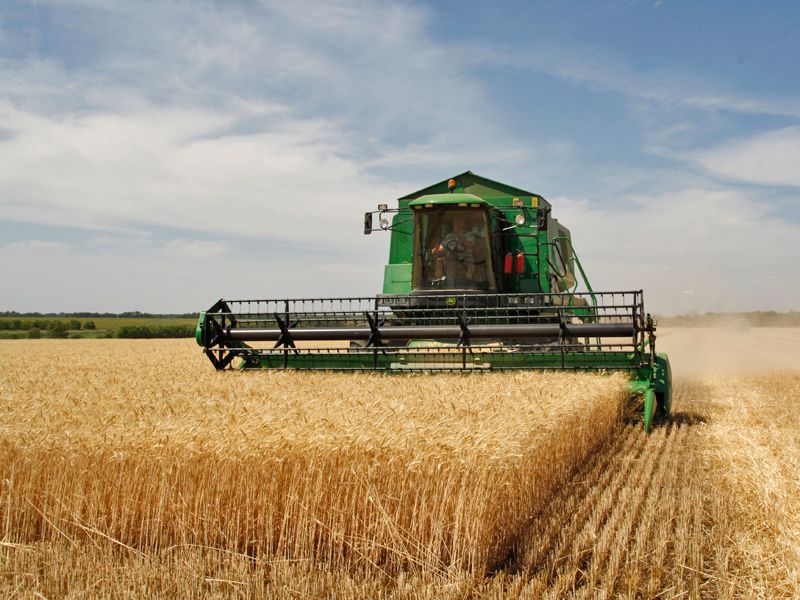
Farms don't work on our schedules; they follow nature's calendar.
Crops mature at specific times based on planting dates, weather patterns, and growing requirements.
Wheat ripens in late summer, apples reach peak sweetness in autumn, and leafy greens flourish in cooler spring months.
Farmers plan their entire year around these cycles, knowing exactly when each crop will be ready.
This natural timing meant communities historically ate what was just harvested, ensuring maximum freshness and flavour.
Today, even with modern storage, foods taste best and offer superior nutrition when consumed close to their natural harvest period.
Practical Cooking And Storage Needs
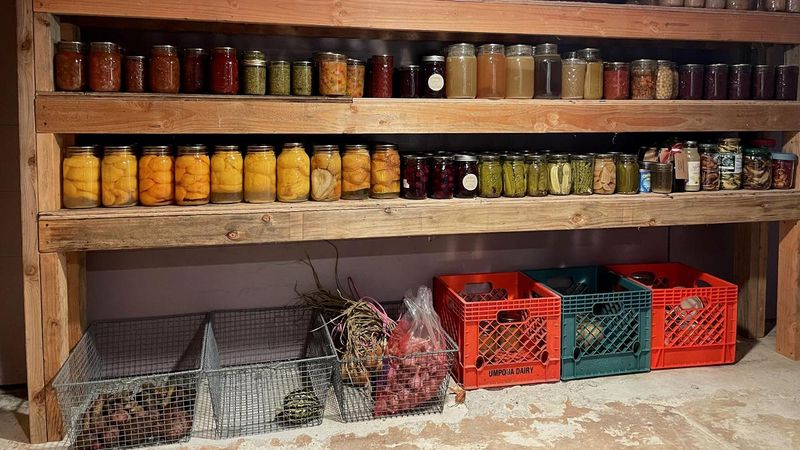
Before refrigeration changed everything, people had to be clever about keeping food edible.
Root vegetables stored brilliantly through winter in cool cellars, whilst summer's abundance was preserved through pickling, drying, or making jams.
Seasonal eating wasn't a lifestyle choice but pure necessity.
Winter meals relied on preserved goods and hardy vegetables that wouldn't spoil, whilst warmer months meant enjoying fresh produce before it went off.
Even now, seasonal foods require less processing and travel shorter distances, arriving fresher and tastier.
It's simply more practical to work with nature's schedule than against it.