






Breakfast foods often feel timeless, yet many of them have changed significantly over the years.
What people eat in the morning has been shaped by culture, availability, work routines, and shifting ideas about nutrition.
From simple staples designed to provide energy to dishes that later became traditions, breakfast has evolved alongside everyday life.
Familiar foods on the morning table often reflect practical choices rather than deliberate planning.
This article explores the history behind popular breakfast foods and how they became part of daily routines.
All information is provided for general interest only.
Historical practices and food traditions may vary by region and time period.
Photos are for illustrative purposes only.
1. Porridge
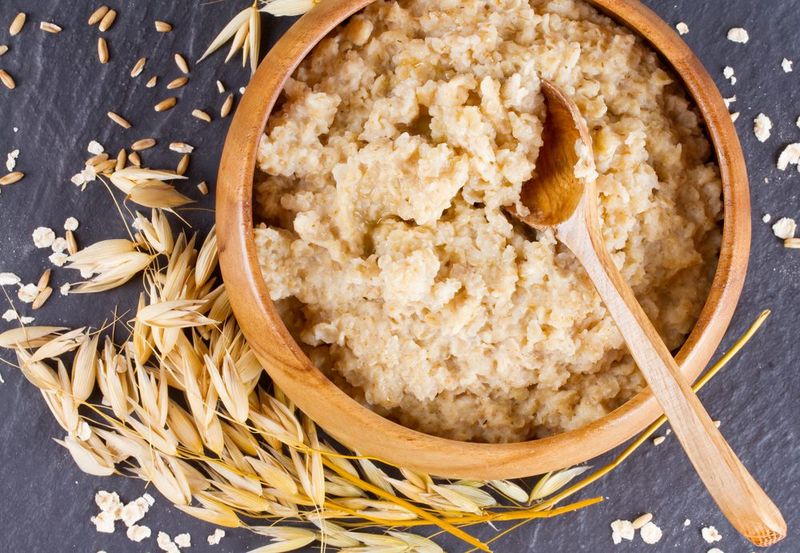
Ancient civilisations knew a good thing when they saw it.
Porridge dates back thousands of years, with evidence of oat cultivation in Scotland around 600 AD making it a Highland staple.
Scottish soldiers actually carried bags of oatmeal to mix with water on campaigns, creating instant energy wherever they camped.
The dish became so central to Scottish identity that spurtle stirring competitions still happen today.
Victorians popularised porridge across Britain as a cheap, filling breakfast that kept workers going through long factory shifts.
2. Full English Breakfast
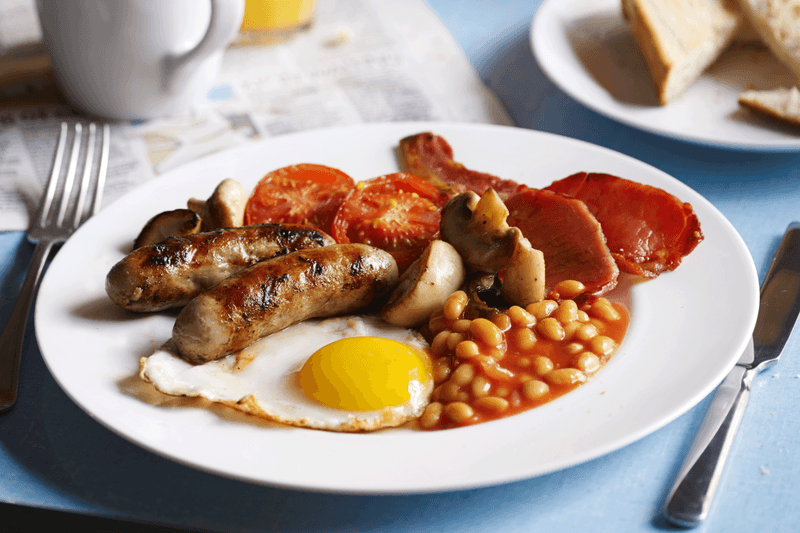
Nothing says Britain quite like a proper fry-up on a lazy Sunday morning.
This hearty plate emerged during the Victorian era when wealthy families showcased their prosperity through elaborate morning spreads.
Country house guests expected multiple hot dishes, and the combination we know today became standardised in Edwardian times.
Working-class families adopted simplified versions, making it a national treasure across all social classes.
Interestingly, the beans arrived much later, added by H.J. Heinz in the early 20th century.
3. Toast
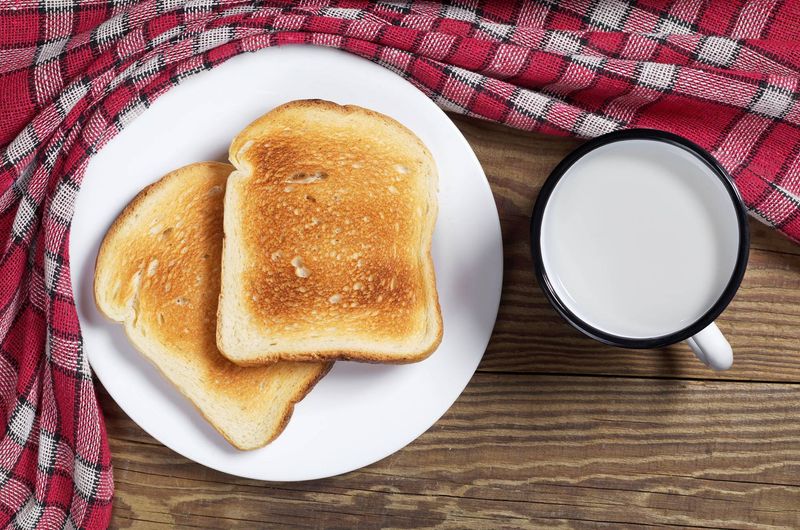
Romans actually invented toast by accident when they discovered charred bread lasted longer than fresh loaves.
The word itself comes from the Latin 'tostum', meaning scorched or roasted.
Medieval Europeans placed bread near open fires, often burning their fingers in the process.
Everything changed in 1893 when Crompton and Company created the first electric toaster, though it only browned one side at a time.
Pop-up toasters arrived in 1926, revolutionising breakfast routines and making perfectly golden slices accessible to everyone.
4. Eggs And Soldiers
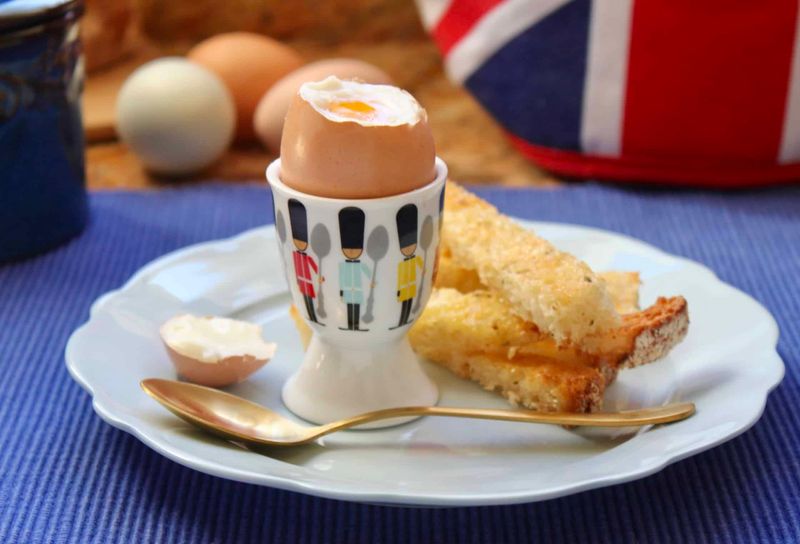
Edwardian nurseries gave us this charming breakfast combination that remains beloved across generations.
Nannies served soft-boiled eggs with toast strips to make eating easier for young children learning table manners.
The 'soldiers' nickname likely came from how the upright toast strips resembled uniformed troops standing at attention.
King Edward VII himself reportedly enjoyed this simple pleasure, cementing its place in British culinary tradition.
The dish perfectly balances protein with carbohydrates, keeping little ones fuelled through morning lessons.
5. Pancakes

Shrove Tuesday transformed pancakes from everyday food into cultural celebration.
Medieval Christians created pancakes to use up rich ingredients like eggs, milk and butter before Lenten fasting began.
British pancakes differ significantly from their American cousins, being thinner and closer to French crêpes.
Archaeological evidence suggests ancient Greeks and Romans enjoyed similar flat cakes cooked on hot stones.
Pancake races, where participants flip whilst running, started in Olney, Buckinghamshire in 1445 and continue delighting crowds today.
6. Bacon Sandwich
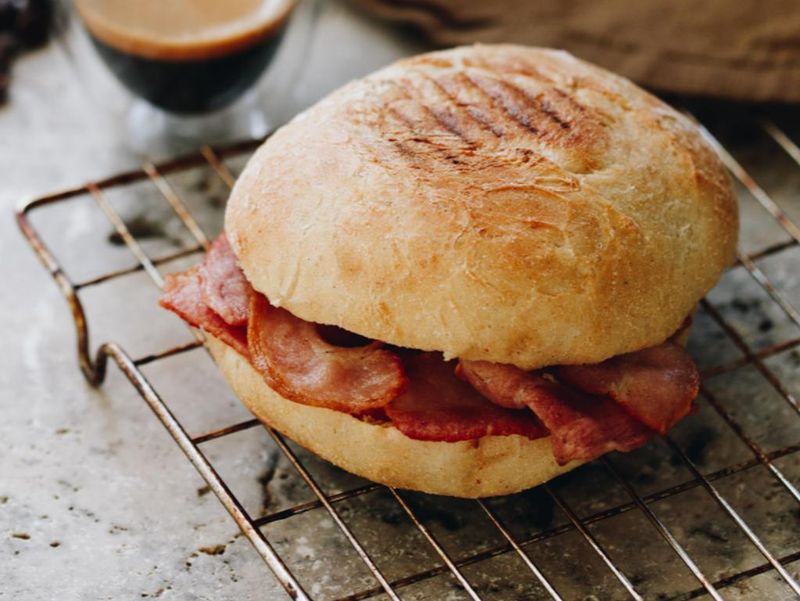
Working-class Britain invented the ultimate hangover cure and comfort food rolled into one.
Bacon butties gained popularity during the Industrial Revolution when factory workers needed portable, protein-rich breakfasts they could eat quickly.
Scientists at Leeds University actually proved in 2009 that bacon sandwiches genuinely help recovery, thanks to amino acids and carbohydrates working together.
Regional debates rage over white versus brown bread, and whether brown sauce or ketchup reigns supreme.
Truck stops and building sites across Britain still serve millions weekly.
7. Breakfast Cereal
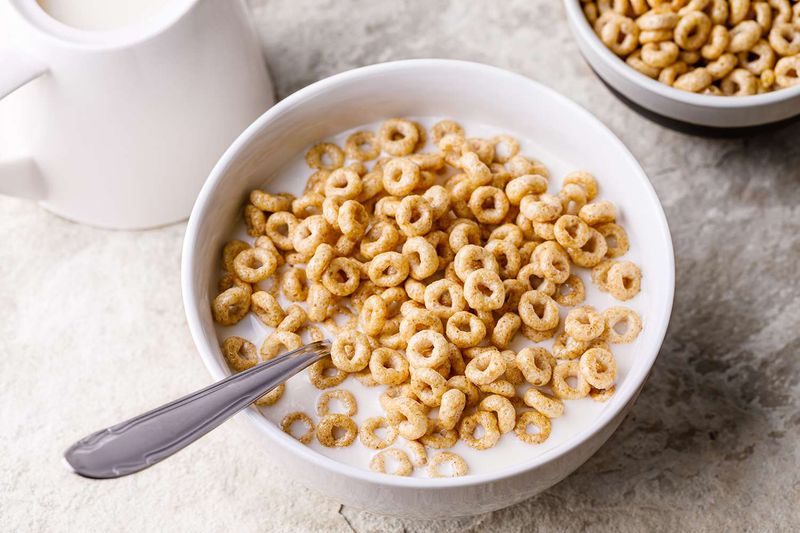
Health fanatics accidentally created a billion-pound industry.
American Seventh-day Adventists developed grain-based cereals in the 1890s as bland, healthy alternatives to traditional breakfasts they considered too indulgent.
Kellogg's Corn Flakes arrived in Britain in 1924, revolutionising morning routines with their convenience.
British families embraced cereals enthusiastically, especially after World War II when quick preparation suited busy working parents.
Weetabix, launched in 1932, became distinctly British, with its unique wheat biscuits remaining a cupboard staple across generations.
8. Boiled Eggs
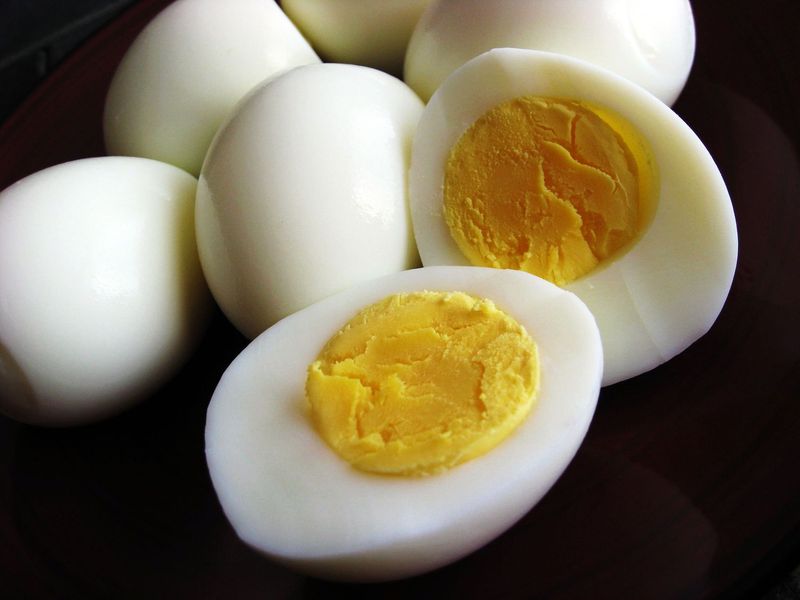
Romans perfected egg boiling techniques two thousand years ago, even developing hourglasses specifically for timing them.
Medieval monasteries served boiled eggs during Lent as acceptable protein when meat was forbidden.
Victorian servants mastered the art of the three-minute egg, with strict timing becoming a mark of proper household management.
The great debate between soft, medium and hard-boiled preferences has divided families for centuries.
Egg coddlers, small porcelain pots for gentle cooking, became fashionable in Edwardian England and remain collectible today.
9. Kedgeree
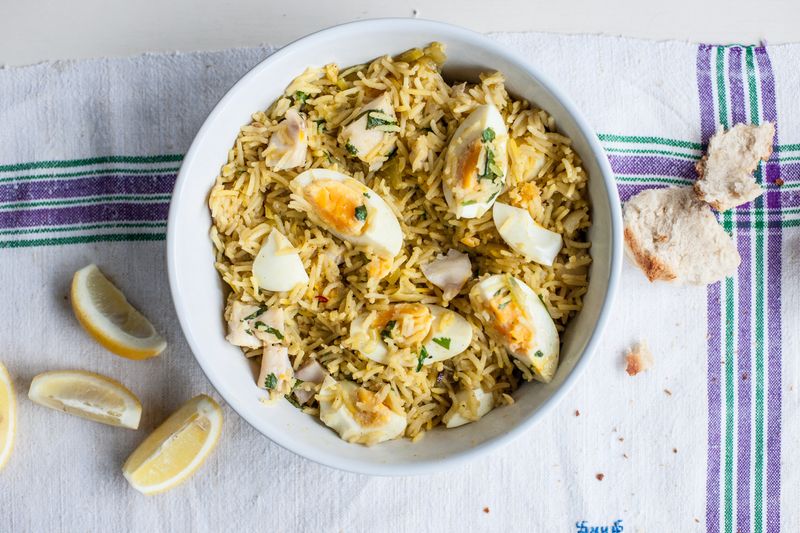
British colonials in India transformed a simple rice and lentil dish called khichri into something entirely different.
Victorian officers added smoked haddock, hard-boiled eggs and curry powder, creating a breakfast that reminded them of both home and their exotic postings.
The dish sailed back to Britain in the 1800s, becoming a fashionable country house breakfast staple.
Wealthy Edwardians served kedgeree from silver chafing dishes at elaborate morning buffets.
Though less common today, it remains a nostalgic treat evoking empire-era elegance.
10. Yogurt And Fruit
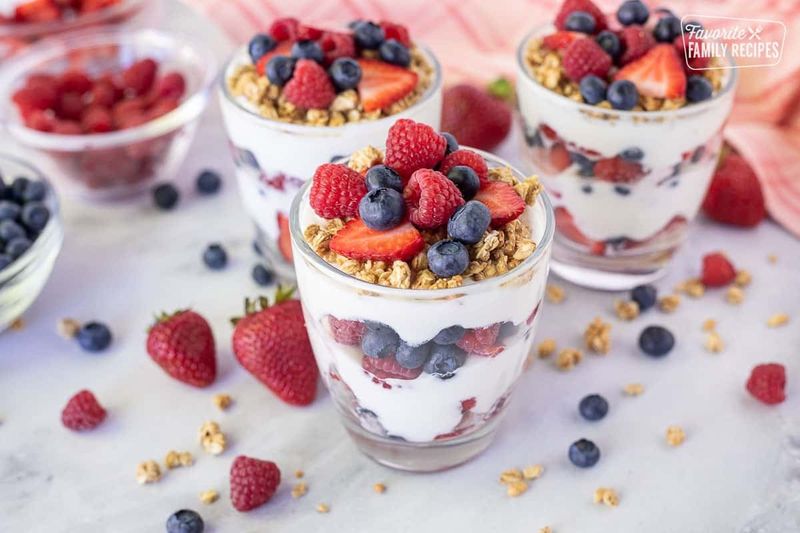
Ancient Middle Eastern shepherds discovered yogurt by happy accident when milk fermented in animal-skin bags.
The health food movement of the 1960s brought yogurt into British breakfast culture, promoted as a nutritious alternative to heavier traditional options.
Greek yogurt's explosion in popularity during the 2010s transformed it from niche health food to mainstream breakfast choice.
Pairing yogurt with fresh fruit creates a balanced meal packed with probiotics, vitamins and natural sugars.
Modern Britain consumes millions of yogurt pots weekly, making it a breakfast staple.