







Recipes often change in response to what ingredients are available at the time.
Shifts in supply, trade, and farming have influenced how familiar foods are prepared, leading to practical adjustments rather than deliberate reinvention.
In the UK, periods of shortage and later wider access to global ingredients gradually altered everyday cooking.
This article looks at foods whose recipes evolved simply because certain ingredients became easier or harder to find.
All information is provided for general interest only.
Historical recipes, ingredients, and methods may vary by region and time period.
Photos are for illustrative purposes only.
1. Bread

Back in the day, bread recipes were dictated entirely by what grain farmers could grow locally.
Wheat wasn't always the star of the show.
In medieval England, barley and rye often took centre stage because wheat crops failed or were too pricey for ordinary folk.
During wartime rationing, bakers stretched their flour supplies by adding potato, oats, or even sawdust in desperate times.
Today's fluffy white loaves would be unrecognisable to our ancestors, who ate dense, dark bread that kept them going through hard labour and harsh winters.
2. Stews
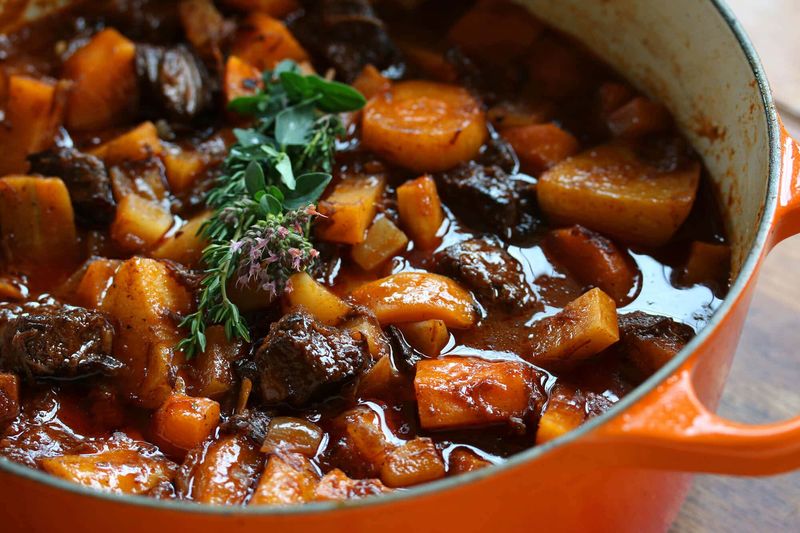
Stews have always been the ultimate flexible dish, changing ingredients based on what's knocking about in the larder.
Originally, they featured whatever meat was affordable or available that week.
During lean times, cooks bulked up stews with root vegetables like turnips, parsnips, and carrots, stretching a small amount of protein to feed an entire family.
When meat became scarce during wars, pulses and legumes stepped in to provide substance and nutrition.
Modern stews still honour this tradition of adaptability, proving that good cooking is really about making the most of what you've got.
3. Pies
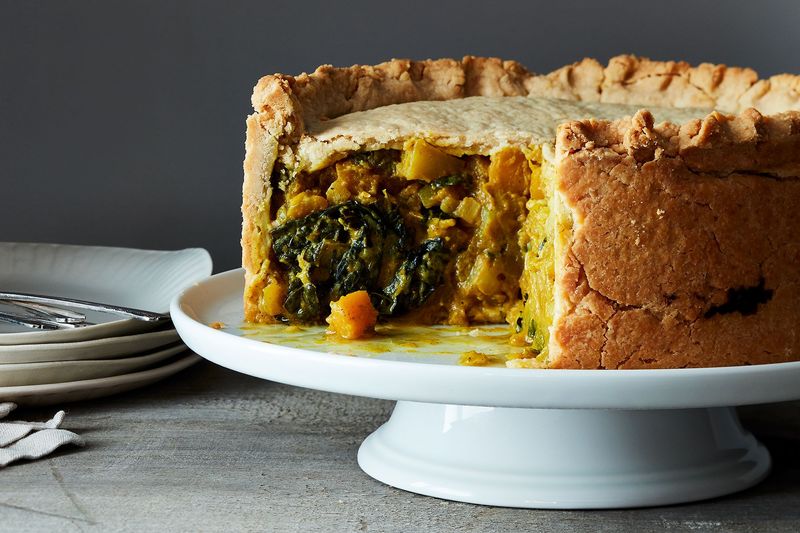
Pies started as practical containers rather than the delicious treats we know today.
Medieval cooks used thick pastry crusts called coffins to hold and preserve fillings, often discarding the crust entirely.
When butter and lard became expensive or unavailable, bakers substituted with whatever fats they could find, including suet or even margarine during rationing.
Fillings transformed too, shifting from game birds and venison to humble apples, berries, or vegetables depending on seasonal availability.
The classic British pie has morphed countless times, always reflecting what's actually in reach rather than some idealised recipe.
4. Soups
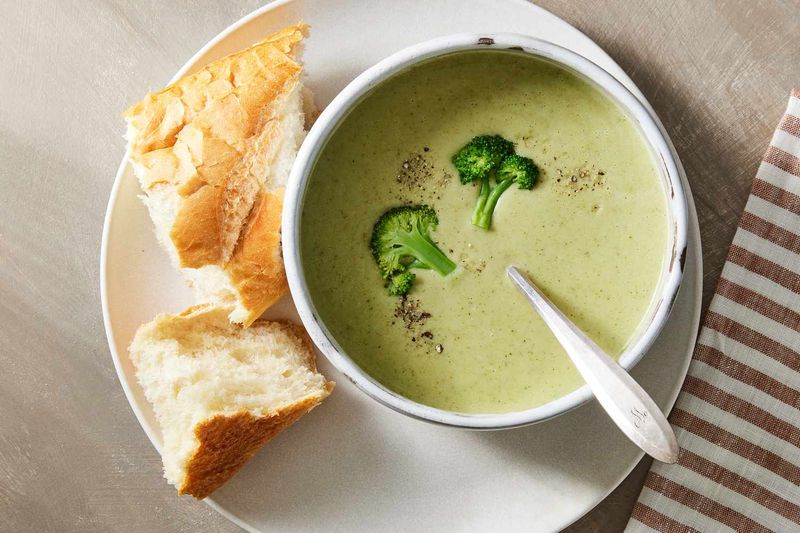
Soup recipes have always been brilliant at adapting to whatever ingredients happen to be around.
Ancient versions were basically broths made from bones and scraps, stretched to feed as many mouths as possible.
When fresh vegetables were out of season or too costly, cooks relied on dried pulses, preserved meats, or foraged greens to add flavour and nutrition.
Cream-based soups became popular once dairy farming improved, but before that, thickening came from bread, oats, or mashed roots.
Every culture's soup tradition tells a story of resourcefulness and making something nourishing from very little.
5. Sausages

Sausages were invented as a clever way to use every scrap of an animal, mixing meat with fillers and spices to preserve it longer.
The recipe changed dramatically depending on what was cheap and plentiful.
During the World Wars, meat content dropped significantly, replaced by breadcrumbs, rusk, and water to stretch supplies.
Regional variations emerged based on local grains and seasonings, creating everything from Cumberland spirals to Lincolnshire links.
Today's sausages still vary wildly in quality and ingredients, carrying on that tradition of adapting to economic realities and available resources.
6. Curry
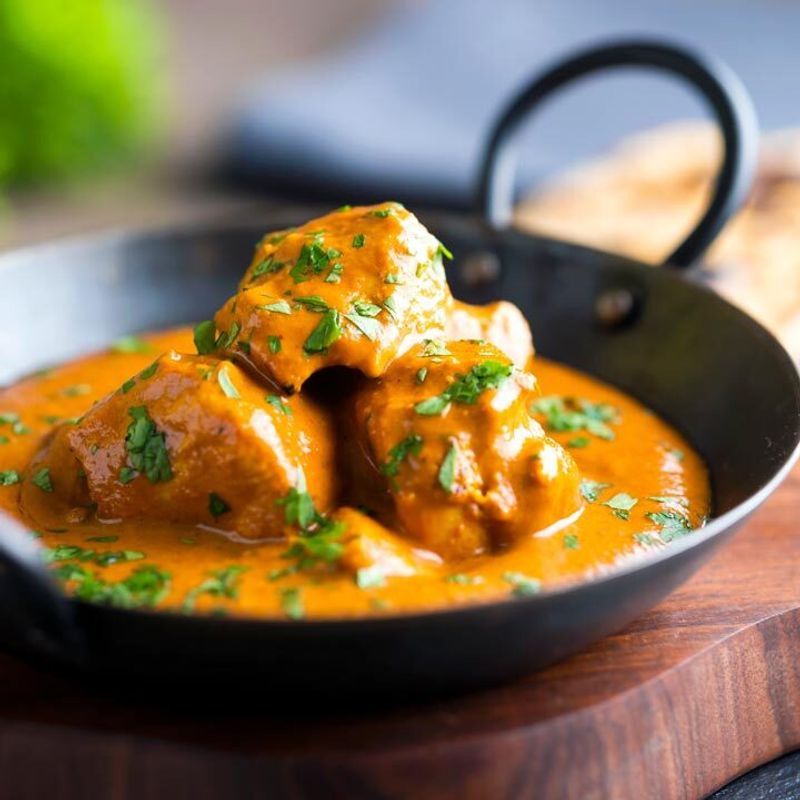
British curry evolved from Indian originals into something entirely different, shaped by what spices and ingredients could actually be sourced locally.
Early versions used curry powder blends because fresh spices were impossible to find.
When coconut milk wasn't available, cooks substituted with cream or yoghurt, creating entirely new flavour profiles.
Vegetables and proteins shifted based on seasonality and cost, with chicken tikka masala famously invented in Britain using tomato soup to suit local tastes.
What we call curry today barely resembles its ancestors, transformed by ingredient availability and cultural adaptation over generations.
7. Cakes
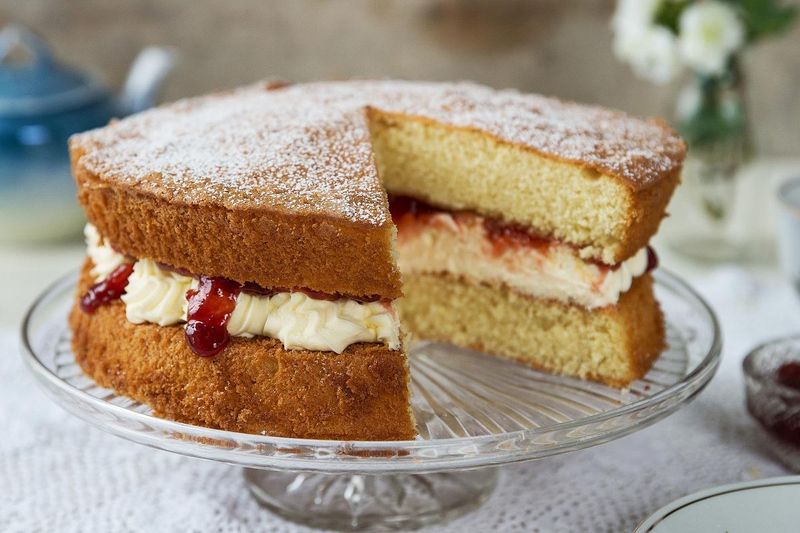
Cake recipes have transformed dramatically based on the availability of sugar, eggs, and butter throughout history.
Rich fruitcakes were once reserved for special occasions because dried fruits and spices cost a fortune.
Wartime baking saw recipes reinvented with egg replacers, less sugar, and creative substitutions like grated carrots for sweetness and moisture.
The introduction of baking powder and self-raising flour revolutionised home baking, making light sponges possible without expensive ingredients.
Modern cakes would astound Victorian bakers, who worked with entirely different ingredients and techniques based purely on what their purse could stretch to.
8. Biscuits

Biscuit recipes started as simple flour and water combinations baked hard for long storage, particularly for sailors and soldiers.
Sweetened versions only appeared when sugar became more affordable for ordinary households.
During rationing, creative cooks made biscuits with oats, dried milk powder, and golden syrup to compensate for missing butter and eggs.
Regional varieties developed based on local ingredients, from Scottish oatcakes to Cornish fairings, each reflecting what was grown or produced nearby.
Today's shop-bought biscuits bear little resemblance to their humble ancestors, transformed by industrial production and global ingredient sourcing.
9. Pasta Dishes
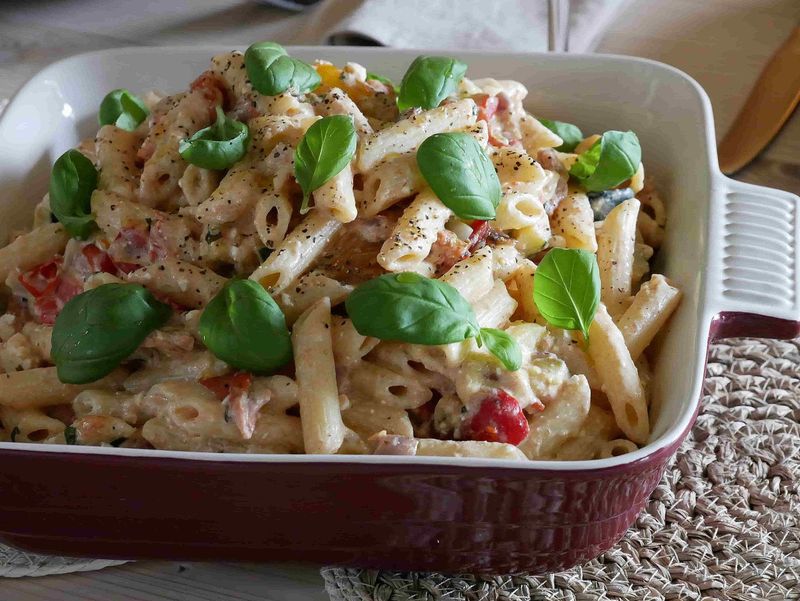
When pasta dishes arrived in Britain, they adapted quickly to local ingredients and tastes, straying far from their Italian roots.
Early versions used whatever cheese was available rather than authentic Parmesan or pecorino.
Tinned tomatoes replaced fresh ones for most of the year, creating a different flavour profile altogether.
Meat sauces evolved based on what was affordable, with mince becoming standard instead of traditional cuts like pancetta or guanciale.
British pasta dishes became their own thing entirely, shaped by supermarket availability and home cooking traditions rather than authentic Italian technique.
10. Casseroles
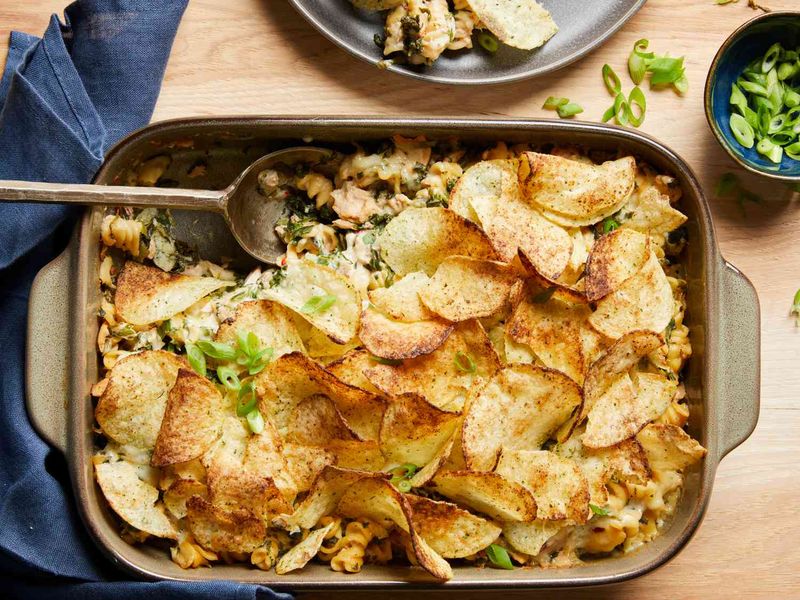
Casseroles became wildly popular as one-pot wonders that could transform cheap cuts of meat and leftover vegetables into something satisfying.
The dish evolved based entirely on what needed using up.
During economic downturns, casseroles stretched protein with plenty of potatoes, rice, or pasta, feeding families on a shoestring budget.
Canned soups became a shortcut ingredient when fresh stock or cream wasn't available, creating entirely new flavour combinations.
The beauty of casseroles lies in their flexibility, always adapting to whatever's lurking in the fridge or cupboard rather than demanding specific ingredients.