





Food shortages have often influenced what ends up on everyday plates. When ingredients are limited, cooking tends to focus on foods that are filling, affordable, and easy to adapt.
In the UK, periods of rationing and supply disruption led households to rely on simple ingredients that could be used in many ways.
Over time, these practical choices became familiar staples rather than temporary stand-ins.
This article looks at foods that gained lasting importance during times of shortage.
All information is provided for general interest only.
Historical practices, ingredients, and availability may vary by region and time period.
Photos are for illustrative purposes only.
1. Potatoes
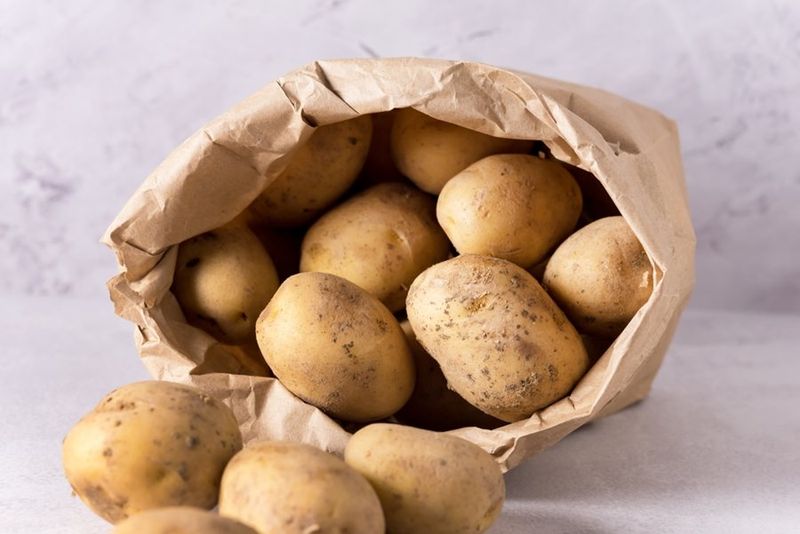
No vegetable has saved more lives during lean times than the humble spud.
Cheap, filling, and ridiculously versatile, potatoes became the ultimate survival food across Europe and beyond.
During the Irish Famine, entire communities depended on them, and in both World Wars, Brits turned to tatties when meat and fancy veg vanished from shops.
You could boil them, mash them, bake them, or turn them into crisps.
Their ability to grow in poor soil and store for months made them absolute heroes when bellies needed filling and budgets were tight.
2. Bread
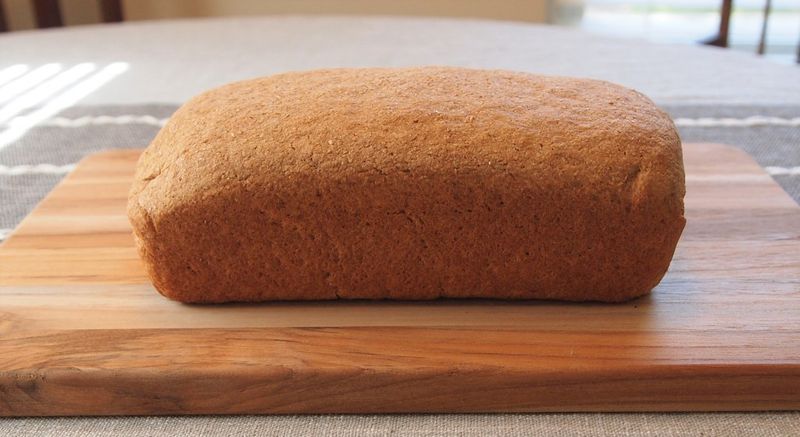
When everything else ran short, bread remained the backbone of every meal.
Bakers worked round the clock during wartime, churning out loaves that might be darker and denser than peacetime treats, but still brought comfort to millions.
The National Loaf introduced in 1942 was a proper doorstop – made with wholemeal flour to stretch supplies, it was heavy, greyish, and not exactly delicious.
Yet families queued for it daily.
Bread filled stomachs, soaked up gravy, and turned thin soup into a proper meal, earning its place as Britain's most essential wartime staple.
3. Oats
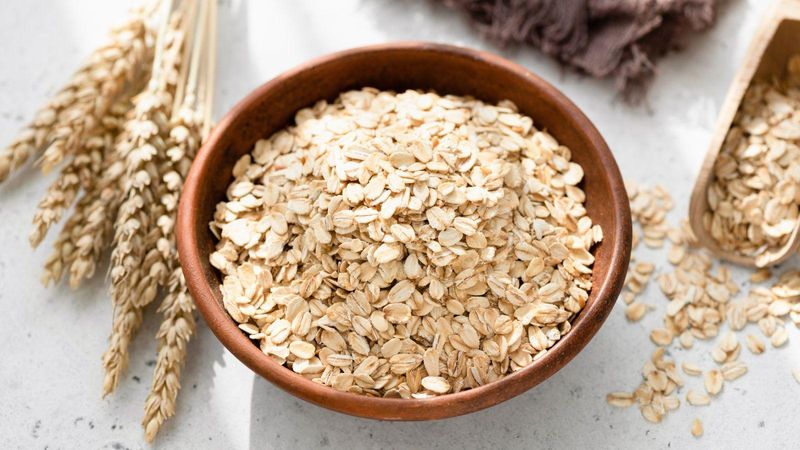
Porridge became breakfast, lunch, and sometimes dinner when times turned desperate.
Oats were cheap, stored brilliantly, and could be stretched to feed a family for pennies.
Scottish crofters had relied on them for centuries, but during the Great Depression and both World Wars, the rest of Britain caught on fast.
Mixed with water or a splash of precious milk, they provided slow-burning energy that kept workers going through long, gruelling days.
Oats also sneaked into biscuits, flapjacks, and even savoury dishes when flour ran scarce, proving their worth as a proper kitchen workhorse.
4. Barley
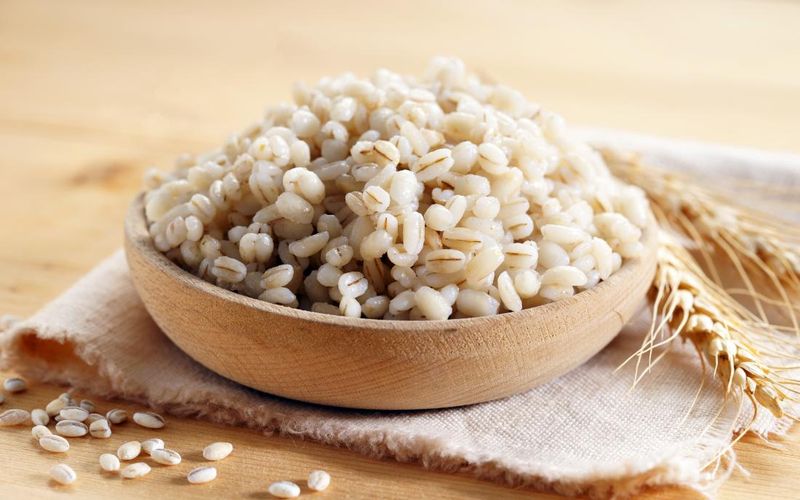
Before fancy grains became trendy, barley was feeding families through the hardest times imaginable.
This tough little grain thrived in poor soil and cold climates where wheat struggled.
During medieval famines and right through to the World Wars, barley stretched soups, thickened stews, and made bread when wheat flour vanished.
Pearl barley became a kitchen essential, bulking out meagre rations into something resembling a proper meal.
It might not have been glamorous, but its nutty flavour and satisfying chew kept countless families from going hungry when supplies dwindled.
5. Root Vegetables
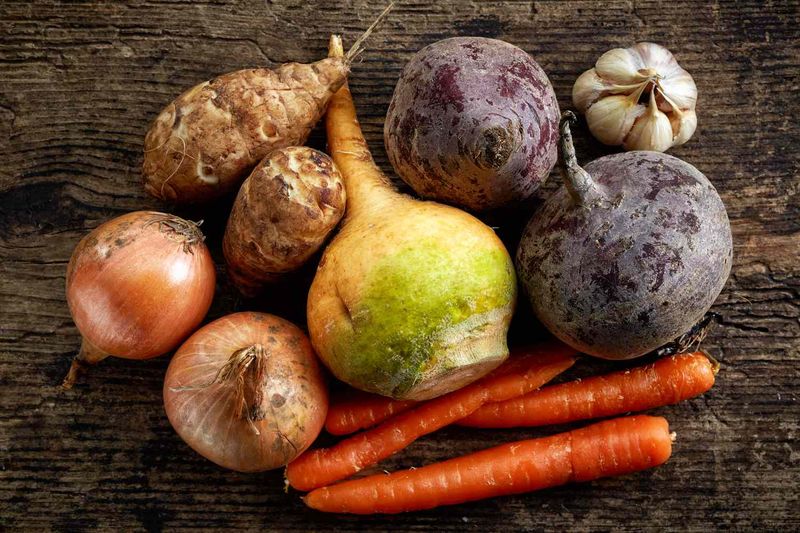
Carrots, turnips, swedes, and parsnips became the unsung heroes of wartime kitchens.
Hardy enough to survive British winters and store in cellars for months, these underground treasures kept families fed when imported foods disappeared.
The Ministry of Food even created cartoon characters like Doctor Carrot to encourage people to eat more veg.
Root vegetables ended up in everything from pies to puddings, with carrots famously appearing in mock-marmalade and even cakes.
Their natural sweetness helped satisfy sugar cravings during rationing, making them surprisingly versatile wartime warriors.
6. Dripping
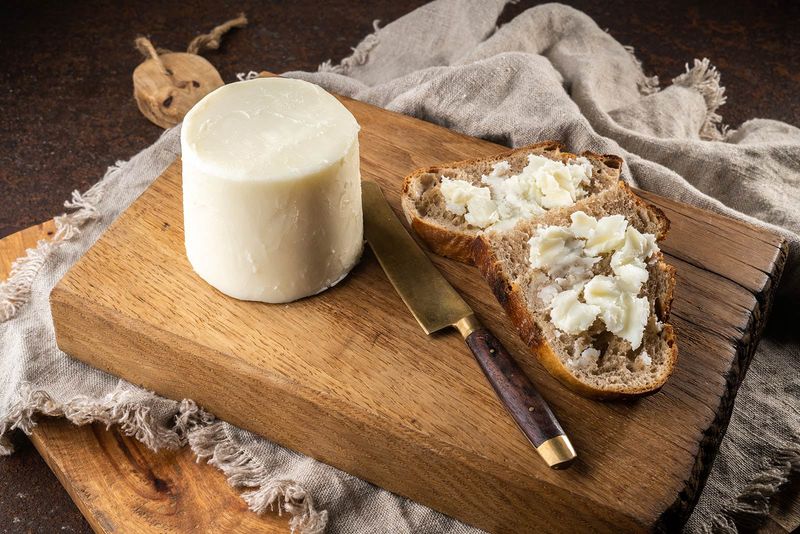
Nothing went to waste during hard times, and dripping proved that even leftover fat could become a treasured treat.
After roasting any scrap of meat, the fat would be saved, cooled, and spread on bread like butter.
During rationing, when butter and margarine were strictly limited, dripping provided essential calories and a rich, savoury flavour that made plain bread actually enjoyable.
Kids would come home from school desperate for dripping toast, sometimes topped with a sprinkle of salt.
It also worked brilliantly for frying and roasting, making every drop of fat precious in wartime kitchens.
7. Suet Puddings
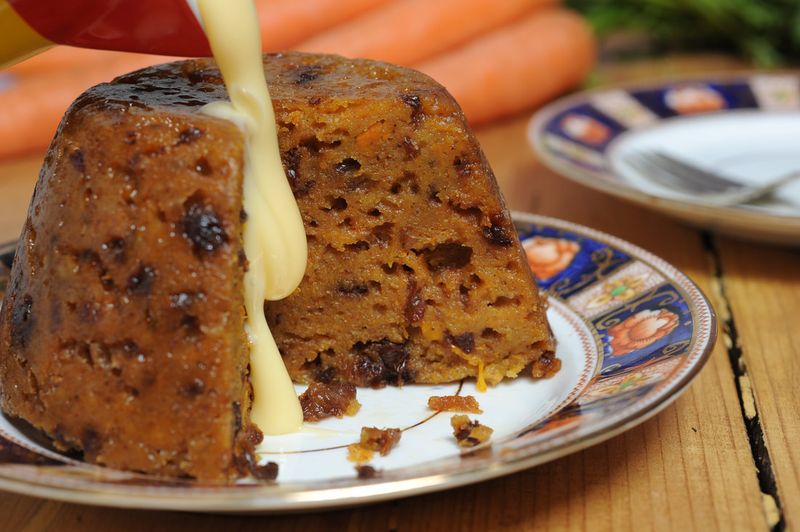
Heavy, filling, and gloriously cheap, suet puddings became the ultimate belly-filler when meat was scarce and budgets were tight.
Made from beef or mutton fat mixed with flour, these steamed puddings could be sweet or savoury.
During the Depression and wartime rationing, a suet pudding could stretch a tiny bit of meat into a meal for six.
They might sit like bricks in your stomach, but that was rather the point – keeping hunger at bay for hours on end.
8. Tinned Meat
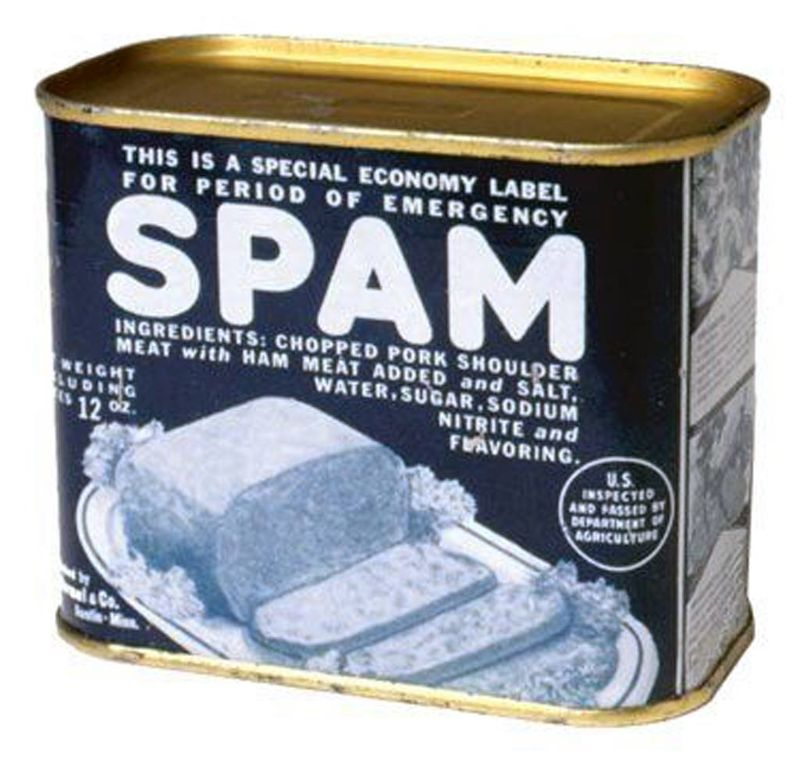
When fresh meat became a luxury, tins of corned beef and Spam marched to the rescue.
These preserved meats could survive for years without refrigeration, making them perfect for rationing and military rations.
Spam arrived from America and quickly divided opinion – some loved its salty convenience, others couldn't stand the sight of it after eating it for years.
Still, tinned meat provided precious protein when butchers' shelves sat empty.
Sliced cold in sandwiches, fried for breakfast, or chopped into stews, these tins kept families fed through the darkest days of wartime Britain.
9. Dried Milk
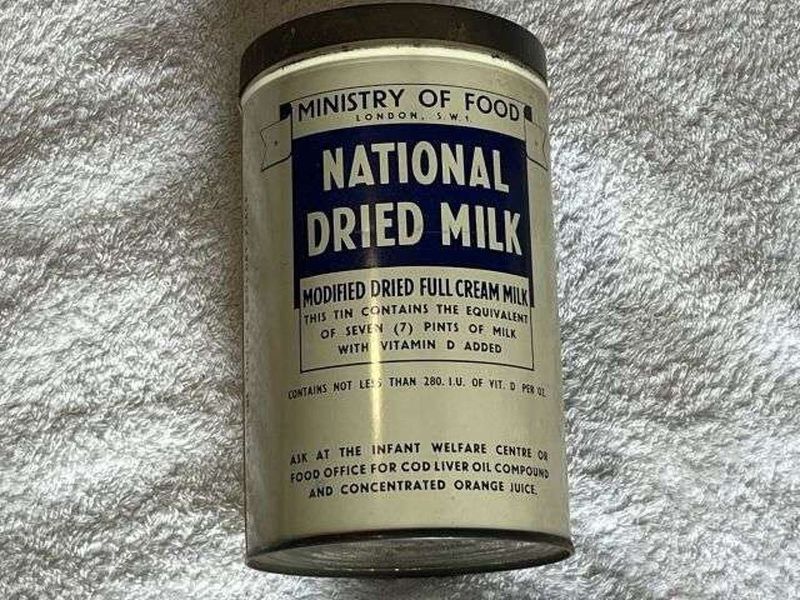
Fresh milk spoiled quickly and wasn't always available, but dried milk could sit in the cupboard for months.
Mixed with water, it provided calcium and nutrients when the milkman couldn't deliver.
During rationing, families received tins of National Dried Milk, which tasted slightly different from fresh but became essential for cooking, baking, and adding to tea.
Children grew up drinking it without complaint, simply because there wasn't an alternative.
It might not have won any taste awards, but dried milk kept bones strong and bellies full when dairy supplies ran desperately low across Britain.
10. Powdered Eggs
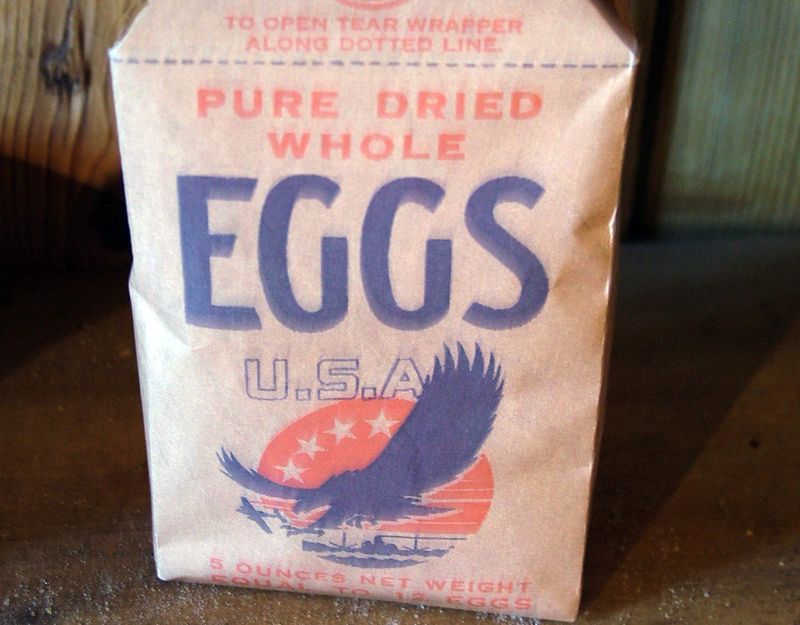
Real eggs became gold dust during rationing, with each person allowed just one per week if lucky.
Enter powdered eggs – dried, imported from America, and deeply unpopular with anyone who remembered the real thing.
Mixed with water, this yellow powder supposedly recreated scrambled eggs, though the texture and flavour left much to be desired.
Still, it provided essential protein and worked reasonably well in cakes, pancakes, and Yorkshire puddings.
Housewives learned to disguise the taste with herbs and seasoning, making the best of what they had until fresh eggs returned to British breakfast tables after the war.