







As January settles in, many people naturally spend more time at home, and everyday cooking often becomes part of that shift.
After the busy pace of December, routines tend to slow down, creating more space for regular meals prepared in familiar surroundings.
The return to home cooking is not just about habit, but also practicality, seasonality, and comfort.
Shorter days, colder weather, and quieter social calendars all play a role in bringing kitchens back to the centre of daily life.
This article looks at the common reasons why January is often associated with cooking at home across the UK.
All information is provided for general interest only.
Cooking habits, tastes, and ingredient availability may vary by household, region, and season.
Photos are for illustrative purposes only.
Colder Weather Encourages Staying At Home
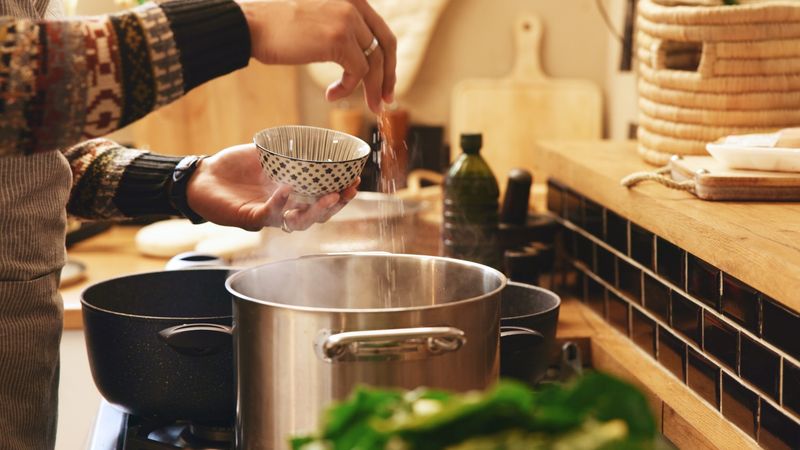
When it's properly brass monkeys outside, the last thing anyone wants is to venture out for a meal.
January's chill practically glues you to your sofa, making the kitchen the most appealing room in the house.
Cooking becomes less of a chore and more of a cosy activity when you're already wrapped up indoors.
The warmth from the oven, the steam from boiling pots, and the aroma of something delicious bubbling away all create this lovely cocoon effect.
Plus, there's something deeply satisfying about knowing you're warm and fed whilst the wind howls outside.
Shorter Days Make Home Meals More Practical

By half four in January, it's already pitch black outside, which does strange things to your sense of time and energy.
Going out for dinner feels like a proper expedition when it's been dark for hours.
Instead, cooking at home just makes more sense.
You can start prepping whilst there's still a bit of daylight left, and by the time it's properly evening, you're already tucked in with your meal ready.
Those long, dark evenings naturally shift your focus inward, making the kitchen a practical and comforting choice for getting fed without the hassle.
Household Spending Often Tightens After December

Let's be honest, December absolutely hammers the bank account.
Between gifts, parties, and all that festive food, January arrives with wallets feeling distinctly lighter.
Cooking at home suddenly becomes not just sensible but essential for many households trying to claw back some financial stability.
A homemade curry or pasta dish costs a fraction of restaurant prices, and you get leftovers to boot.
It's amazing how creative you can get with basic ingredients when you're motivated by an overdrawn account and a fresh determination to spend wisely.
Seasonal Ingredients Are Widely Available

January might not seem like harvest time, but there's actually brilliant produce knocking about.
Root vegetables like parsnips, carrots, and celeriac are at their absolute best, whilst hearty greens such as kale and cabbage are everywhere.
These ingredients are perfect for the warming, substantial meals we crave in winter.
They're also typically cheaper because they're in season, which ties in nicely with those tighter budgets.
Cooking with what's naturally available this time of year means better flavour, better value, and meals that actually suit the weather outside your window.
Fewer Social Events Reduce Eating Out

After the social whirlwind of December, January's calendar looks refreshingly empty.
There are no office parties, no family gatherings, and definitely no pressure to dress up and go anywhere fancy.
This natural lull in social obligations means people default to eating at home simply because there's nowhere else they need to be.
It's quite liberating, actually – just you, your kitchen, and whatever you fancy making.
The absence of external dining commitments gives home cooking a chance to shine without competition from invitations and events constantly pulling you elsewhere.
Leftover Ingredients From December Are Still Being Used

Ever opened your cupboard in early January and found half a jar of cranberry sauce, some fancy cheese, or random nuts you bought for guests?
You're not alone.
Rather than letting these bits go to waste, people naturally get creative, incorporating them into everyday cooking.
That leftover stilton makes a cracking pasta sauce, and those chestnuts work beautifully in a winter soup.
Using up December's remnants feels both thrifty and inventive, turning potential waste into interesting meals whilst clearing space for a fresh start to the year's cooking.
Regular Routines Resume After The Holidays
December throws everyone's routine completely out the window, but January brings back structure with a vengeance.
Work schedules resume, schools reopen, and suddenly everyone needs proper meals at predictable times again.
Home cooking slots naturally back into this restored rhythm.
Meal planning returns, Sunday roast prep becomes a thing again, and weeknight dinners follow a comforting pattern.
There's something reassuring about this return to normality, and cooking at home becomes the anchor that holds these newly re-established routines together, providing stability after weeks of festive chaos.
Comfort Foods Feel More Appealing In Winter

Nothing beats a proper bowl of something warming when it's freezing outside.
January practically demands comfort food – think thick stews, creamy mashed potatoes, and soups that stick to your ribs.
These aren't dishes you typically order for delivery or find satisfying in restaurants the same way.
They need to be made at home, slowly simmered and served piping hot in your own kitchen.
The act of cooking them is half the pleasure, filling your home with incredible smells whilst you wait, making both the process and the eating deeply satisfying.
Home Cooking Helps Re-Establish Daily Structure
When everything feels a bit wobbly after the holidays, cooking can be surprisingly grounding.
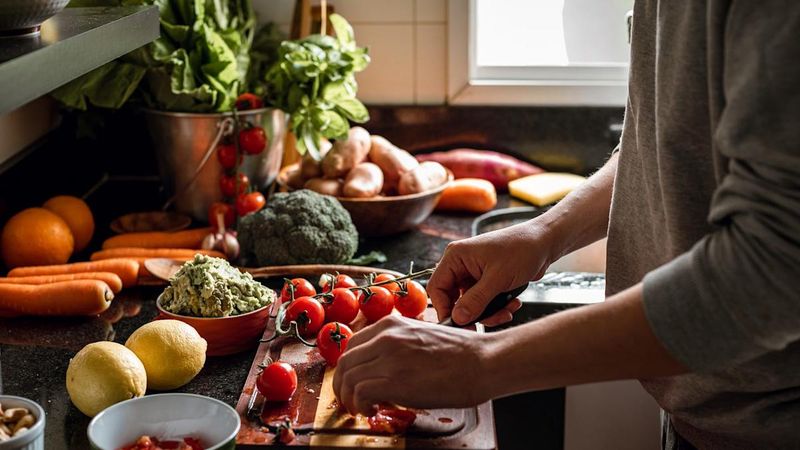
Setting aside time to chop, stir, and plate up meals creates natural anchors throughout your day.
Breakfast at eight, dinner prep at six – these small rituals help rebuild the structure that went missing during December's free-for-all.
It's about more than just eating; it's about creating predictable moments of calm.
Many people find that returning to regular home cooking helps them feel more in control and settled as they navigate back into normal life after the festive period.
Quieter Evenings Allow More Time For Cooking
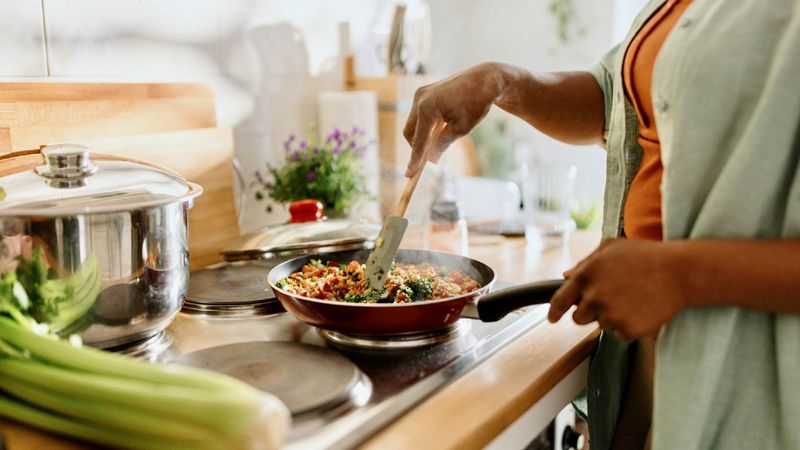
With the social diary fairly blank and the telly offerings a bit rubbish in early January, evenings suddenly feel longer and less frantic.
This creates perfect conditions for actually enjoying the cooking process rather than rushing through it.
You can try that recipe you've been eyeing, take your time perfecting a sauce, or even bake bread if you're feeling ambitious.
There's no pressure, no hurry, just you and your ingredients.
These quiet hours transform cooking from a necessity into something genuinely pleasurable, making January the ideal month to rediscover your kitchen properly.