








As January arrives, everyday meals often begin to look a little different across British households.
After weeks of celebratory cooking and relaxed routines, many people naturally move back towards simpler, more structured ways of eating.
The festive period brings plenty of rich dishes and generous portions, but it also tends to disrupt regular shopping, cooking, and meal planning.
Once the decorations are packed away, kitchens often shift focus from indulgent spreads to familiar, practical foods that suit daily life.
This post-festive reset is less about strict rules and more about returning to habits that feel manageable and seasonal.
Here’s how British eating patterns commonly change once the celebrations come to an end.
All information is provided for general interest only.
Eating habits, taste preferences, and food availability may vary by household, region, and season.
Photos are for illustrative purposes only.
Meals Become Simpler And More Routine

Gone are the days of three-course dinners that take half the afternoon to prepare.
Post-Christmas meals lean towards straightforward combinations: grilled protein, steamed veg, maybe some rice or pasta.
Nothing fancy, nothing fussy.
Routine becomes comforting after weeks of culinary chaos, and frankly, nobody's got the energy for elaborate recipes when January's already draining the bank account.
Simplicity wins because it saves time, money, and washing up.
Plus, your digestive system thanks you for the break from rich sauces and buttery everything.
Home Cooking Becomes More Frequent

Takeaway menus get shoved back in the drawer as kitchens see more action than they have in weeks.
Cooking at home means controlling what goes into your food, which feels especially important after December's free-for-all.
You know exactly how much butter, salt, or cream you're using, and portion sizes don't arrive supersized in polystyrene containers.
It's also kinder to your wallet, which is probably whimpering after the festive splurge.
Homemade meals bring back a sense of balance and accomplishment too.
Portion Sizes Tend To Reduce

Remember when your plate looked like a small mountain range?
Yeah, those days are temporarily on hold.
After weeks of piling on extra roast potatoes and third servings of dessert, portion control makes a quiet comeback.
Smaller servings help your body recalibrate without feeling deprived, and honestly, normal-sized meals start tasting satisfying again once the festive food fog lifts.
Your stomach adjusts surprisingly quickly when you're not constantly stretching it.
Moderation feels less like punishment and more like common sense.
Seasonal Ingredients Are Used More Often
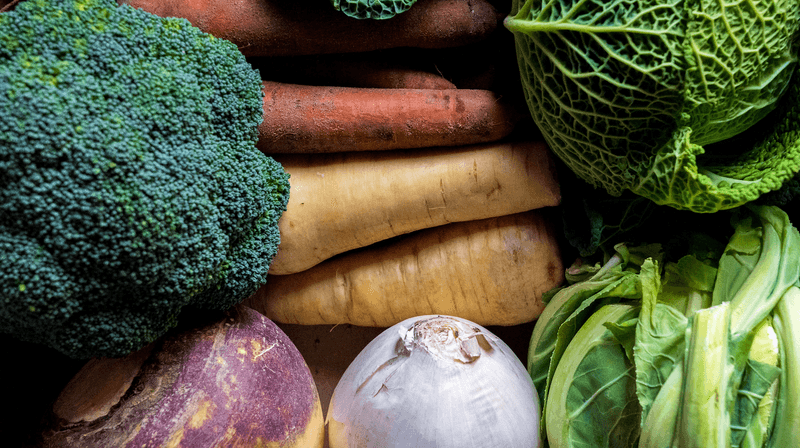
January's produce might not be as glamorous as summer strawberries, but root vegetables and hearty greens suddenly feel appealing.
Parsnips, kale, Brussels sprouts, and leeks are cheap, abundant, and surprisingly versatile when you're not drowning them in cream or bacon fat.
Seasonal eating aligns with both budget and health goals, making it a practical choice when wallets are light.
Plus, these ingredients pack serious nutritional punch, which your body genuinely craves after festive overload.
Winter veg deserves more credit than it gets.
Leftovers And Stored Foods Are Used More Thoughtfully

That forgotten tub of cranberry sauce finally gets its moment, along with every other festive remnant lurking in the fridge.
Rather than binning perfectly good food, post-Christmas resourcefulness kicks in. Leftover turkey becomes sandwich filling, roast veg gets blitzed into soup, and those random bits of cheese find their way into omelettes.
It's partly guilt, partly practicality, and partly genuine appreciation for not wasting what you've already paid for.
Creative leftover cooking can actually be quite satisfying when you're feeling inventive.
Eating Patterns Return To Familiar Rhythms

Breakfast stops being a mince pie grabbed on the way out the door, and lunch actually happens at lunchtime again.
Regular mealtimes re-establish themselves as the chaos of festive grazing fades into memory.
Your body clock, which spent December utterly confused about when food was coming, settles back into predictable patterns.
This regularity helps with digestion, energy levels, and general wellbeing, making everything feel a bit more manageable.
Routine might sound boring, but your metabolism absolutely loves it after weeks of unpredictability.