






Not all vegetables are grown for convenience or mass production.
Some exist only in small regions or specific climates.
Their rarity makes them fascinating as well as hard to find.
Learning about them offers a glimpse into global food diversity.
All information is provided for general interest only. Availability and cultivation methods vary widely by region.
1. Wasabi Root
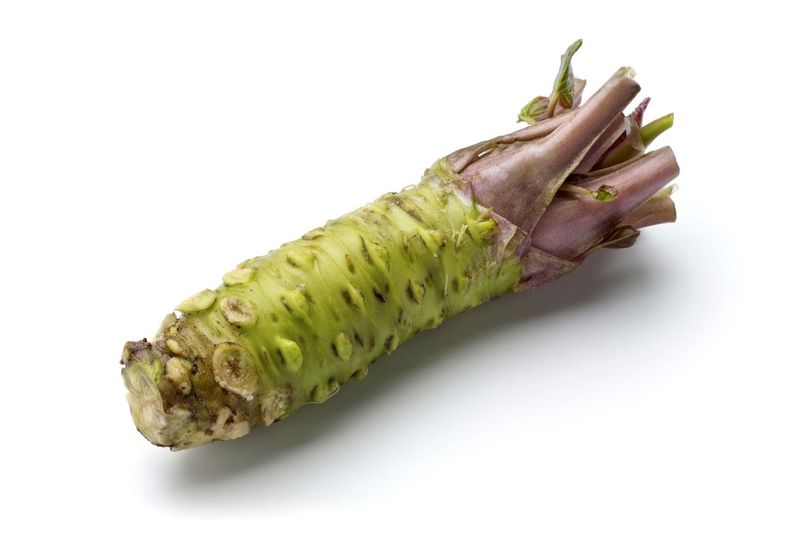
Authentic wasabi is traditionally grown in cool, flowing mountain waters in Japan, which makes it difficult to cultivate on a large scale.
The plant requires very specific conditions, including clean water, stable temperatures, and patience, as it can take a long time to mature.
Because of these challenges, genuine wasabi remains rare and expensive outside specialist growers.
Its fresh, delicate heat fades quickly on the palate, offering a far subtler experience than common substitutes.
2. Oca
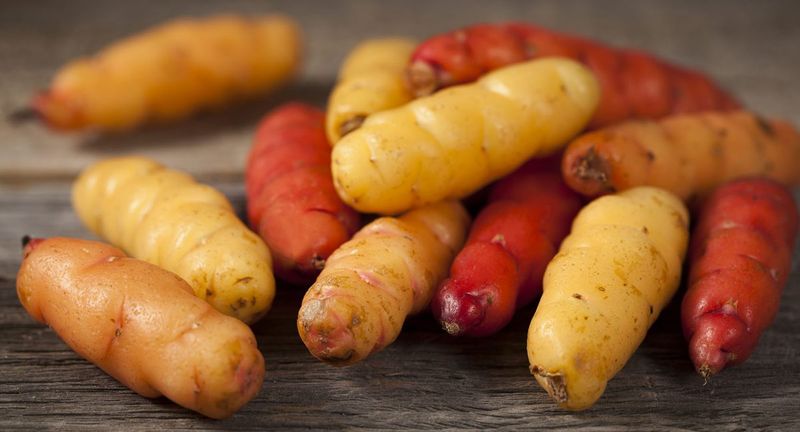
High in the Andes Mountains, farmers have grown this tangy tuber for centuries as a staple crop.
Oca comes in brilliant shades of pink, red, yellow, and even striped varieties that look almost too pretty to eat.
The flavour shifts from lemony-sour to sweet depending on sun exposure after harvest.
New Zealand growers have recently started cultivating it commercially for adventurous chefs.
3. Romanesco
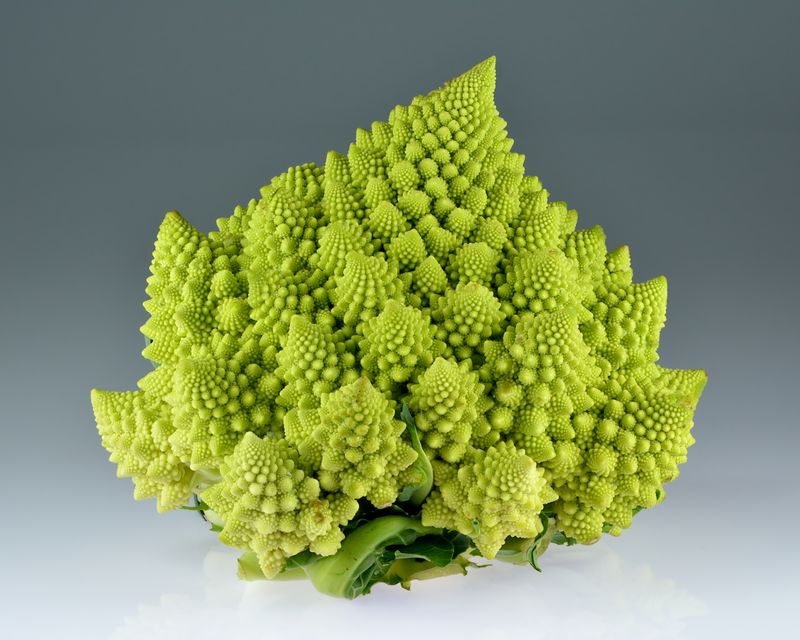
Nature's geometry lesson appears in this stunning vegetable that looks like it belongs in a science fiction film.
Each spiral floret forms a perfect fractal pattern, repeating the same shape at different scales throughout the entire head.
Italian markets have sold romanesco for generations, though it remains uncommon elsewhere.
The taste falls somewhere between broccoli and cauliflower, with a nuttier, milder flavour profile.
4. Purple Carrot
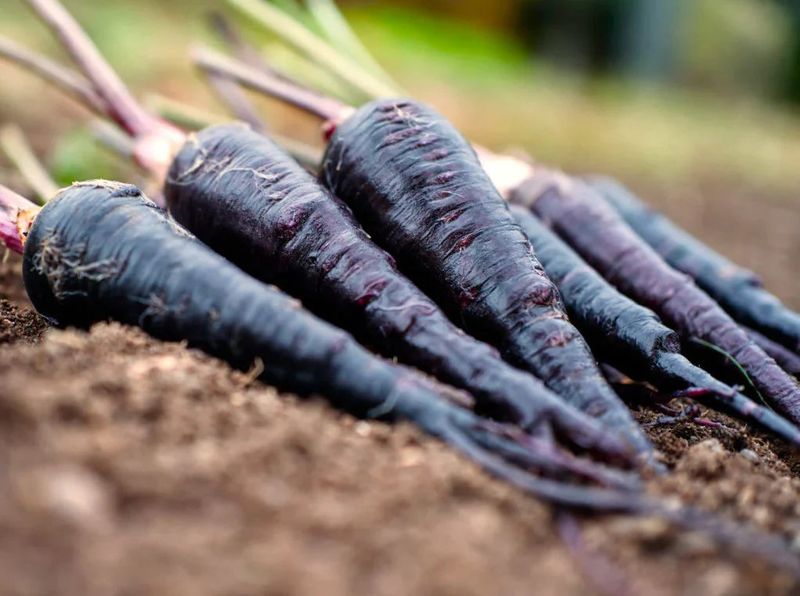
Before Dutch farmers bred orange varieties in the 17th century, carrots came in purple, yellow, red, and white.
These ancient varieties pack more antioxidants than their modern orange cousins, particularly anthocyanins that give them their royal colour.
Afghanistan still grows purple carrots traditionally.
When cooked, they can turn dishes an unexpected shade of blue or purple, creating visually stunning meals.
5. Sea Beans
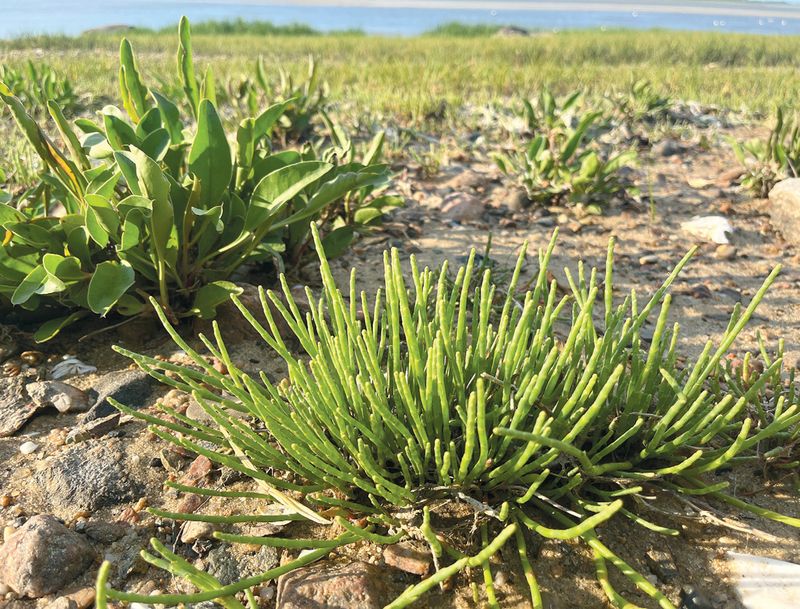
Sea beans thrive along rocky coastlines and salt marshes, growing happily in salty environments where few vegetables survive.
Foragers collect the tender shoots in warmer months, when their crisp texture and natural brininess shine.
Their flavour naturally reflects the coastal conditions they grow in, which reduces the need for heavy seasoning.
Lightly cooked or served raw, they add a fresh, ocean-inspired crunch that works beautifully in simple dishes.
6. Cardoon
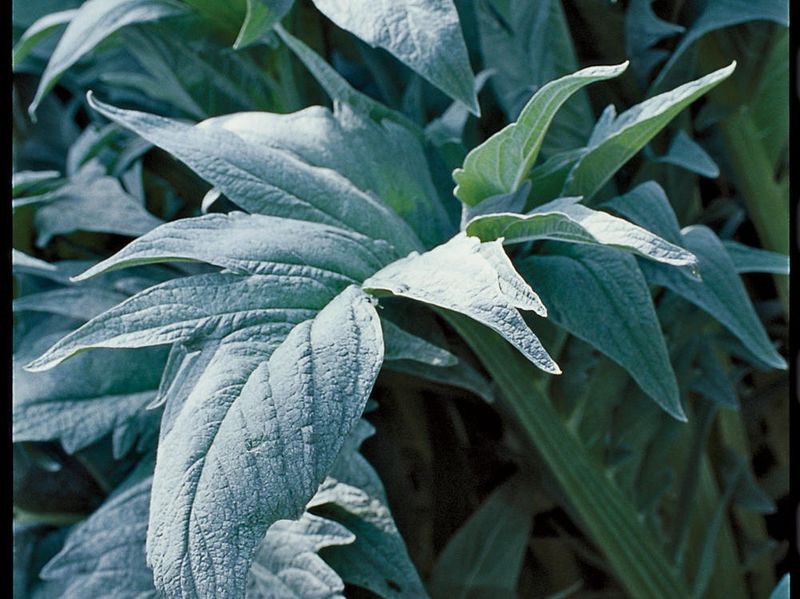
This dramatic Mediterranean vegetable towers over gardens like a giant silver-leafed sculpture, related to the globe artichoke but grown for its thick stalks instead.
Ancient Romans enjoyed cardoon at lavish feasts, though it has fallen from popularity in modern times.
The stalks require blanching before cooking to reduce bitterness.
Spanish and Italian cooks still prepare traditional recipes passed down through generations of families.
7. Malabar Spinach
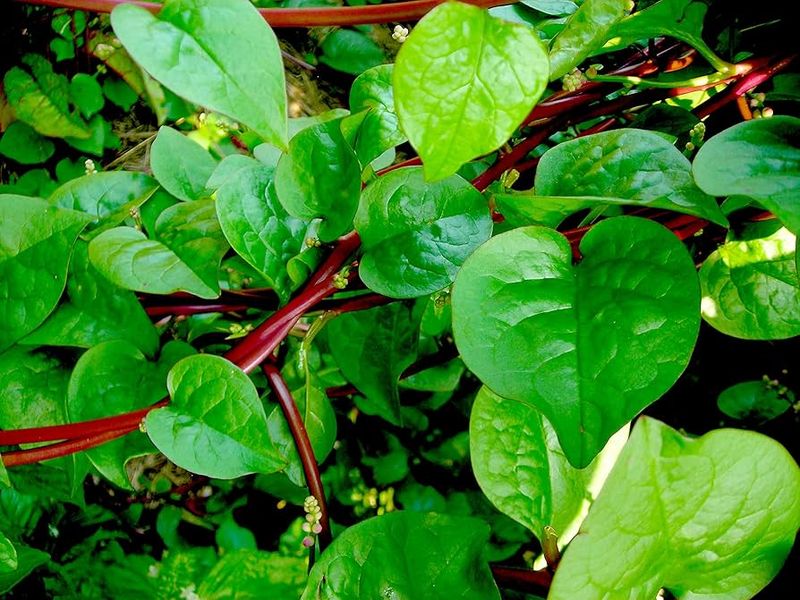
Despite its name, this tropical climbing vine shares no relation to true spinach but grows vigorously in hot, humid climates where regular spinach fails.
The thick, succulent leaves have a slightly mucilaginous texture when cooked, similar to okra.
Indian and Filipino cuisines feature it prominently in curries and soups.
Red-stemmed varieties add stunning colour to garden fences whilst providing nutritious harvests throughout summer.
8. Yardlong Beans
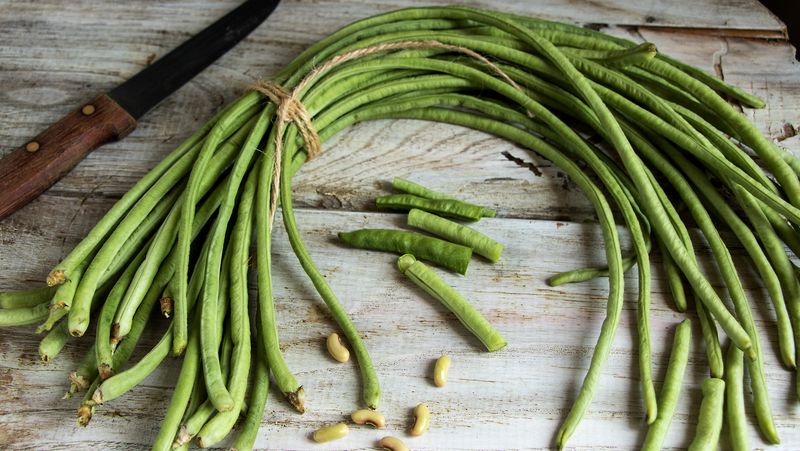
Reaching lengths of half a metre or more, these extraordinary legumes dangle from vines like green ribbons dancing in the breeze.
Asian markets sell them fresh, whilst Western supermarkets rarely stock them despite their delicious flavour.
The texture stays tender and less starchy than regular green beans.
Chinese stir-fries often feature them cut into manageable pieces, absorbing sauces beautifully whilst maintaining a satisfying crunch.
9. Salsify
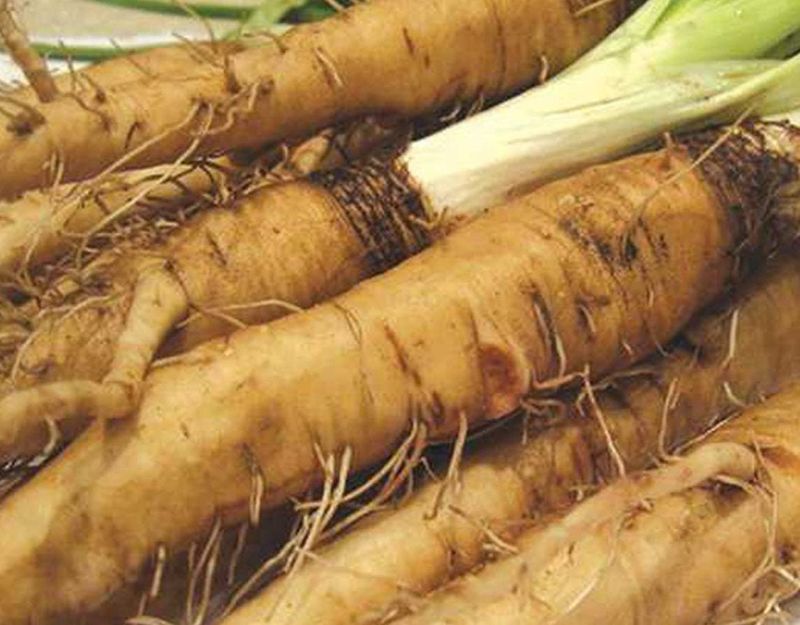
Victorian gardeners called this the oyster plant because its cooked roots supposedly taste like the famous shellfish.
The long, pale roots hide beneath grass-like foliage that gives little hint of the treasure below.
Salsify has nearly disappeared from modern cultivation despite its delicate flavour.
French cuisine still celebrates it in classic recipes, particularly when roasted until caramelised or pureed into elegant soups.
10. Crosnes
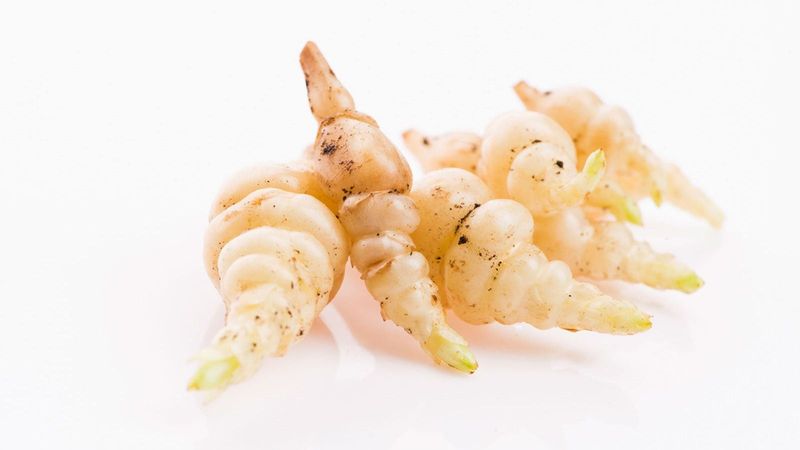
These peculiar tubers look like tiny segmented caterpillars made of pearl-white spirals, earning them nicknames like Chinese artichokes or knotroot.
French farmers began growing them in the 1880s near the village of Crosnes, which gave them their European name.
The nutty, slightly sweet flavour resembles water chestnuts with a crisp texture.
Finding them requires visiting speciality markets or growing your own from mail-order sources.