








It’s tempting to think buying the biggest pack on the shelf automatically means saving money - after all, who doesn’t love a good deal?
But in the UK, bulk buying can be a bit of a mixed bag.
Between sneaky supermarket pricing and limited cupboard space, it’s not always as straightforward as it seems.
Let’s unpack what really happens when you stock up and whether those “value” packs truly make sense for your wallet and your home.
Prices, offers, and availability may vary depending on the retailer and region. Always compare unit prices before making bulk purchases to ensure genuine savings.
Bigger Packs Aren't Always Cheaper
Walking down the supermarket aisle, you might grab the largest box thinking it's the smartest choice.
Retailers know this habit well, and sometimes price bigger packs higher per unit than smaller ones.
Always check the price-per-unit label on the shelf edge.
Supermarkets must display this information, showing cost per 100g or per litre.
Sometimes promotional deals on smaller sizes actually work out cheaper than buying the jumbo version.
Don't let packaging fool you into assuming bigger equals better value every single time.
Shelf Life Matters For Real Savings
Bargains vanish instantly when food ends up in the bin.
Fresh produce, dairy, and bread rarely make good bulk purchases unless you've got a large family eating everything quickly.
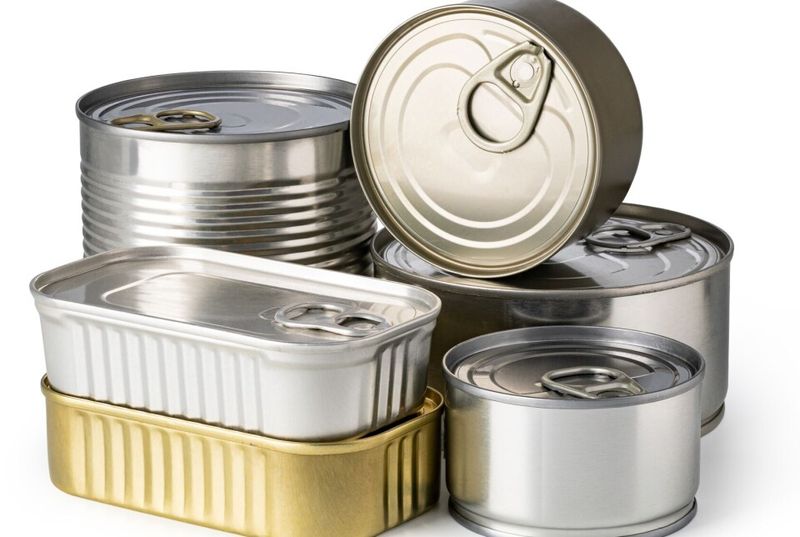
Even tinned goods and dried foods have expiration dates that creep up faster than expected.
That massive bag of flour seems economical until half of it goes stale before you've baked your third loaf.
Calculate realistically how much your household consumes weekly before committing to jumbo quantities.
Throwing away unused products completely destroys any savings you thought you'd made.
Bulk Buys Need More Space And Upfront Cost

Stocking up sounds economical until you realise where everything will actually go.
UK homes typically have smaller storage spaces compared to American houses, making bulk purchases tricky to accommodate.
You'll also need enough cash upfront to buy larger quantities.
Spending £50 on toilet paper might save pennies per roll, but that money could be needed elsewhere in your weekly budget.
Consider whether tying up funds in stockpiled goods makes financial sense for your household.
Storage limitations often turn bargains into clutter problems quickly.
Promotions Can Beat Bulk Prices
Supermarket promotions often slash prices dramatically on standard-sized products.
A half-price deal on regular packets frequently undercuts the bulk price by a substantial margin.
Yellow sticker reductions near closing time offer incredible value without requiring huge storage space or upfront investment.
Loyalty card schemes like Tesco Clubcard or Sainsbury's Nectar provide targeted discounts that rival warehouse prices.
Timing your shopping around promotional cycles delivers savings without commitment to massive quantities.
Flexible shoppers who watch for deals often spend less than dedicated bulk buyers overall.
Non-Perishables Offer The Best Value

Certain household essentials genuinely deliver savings when purchased in larger amounts.
Toilet rolls, cleaning products, and laundry detergent won't spoil sitting in your cupboard for months.
Dried pasta, rice, and tinned tomatoes also store brilliantly whilst offering real per-unit savings.
These staples get used eventually regardless of household size.
Focus your bulk buying strategy on items you'll definitely consume before they deteriorate or expire.
Smart shoppers concentrate on products that combine genuine discounts with practical longevity for maximum benefit.
Small Homes Save Less Buying In Bulk
Flats and terraced houses dominate British housing, especially in cities where space comes at a premium.
Without a garage, utility room, or large pantry, storing bulk purchases becomes genuinely impractical.
Living in tight quarters means you'll likely repurchase before finishing bulk quantities anyway.
The inconvenience of cramming oversized packages into small cupboards often outweighs modest savings.
For compact living situations, buying what fits comfortably and shopping more frequently actually makes better financial sense.
Your home size should absolutely influence your bulk buying decisions and shopping strategy.