

When rationing took hold during the Second World War, British households learned to make do with what they had – and some of their inventive recipes are still talked about today.
From meaty substitutes to questionable puddings, these wartime creations show how resourceful people became when ingredients were scarce.
Here are eight dishes that helped Britain keep calm and carry on – though you might think twice before trying them yourself.
This article is for general informational and historical interest only.
Recipe availability and ingredients mentioned reflect the era and are not recommendations for modern consumption.
1. Spam
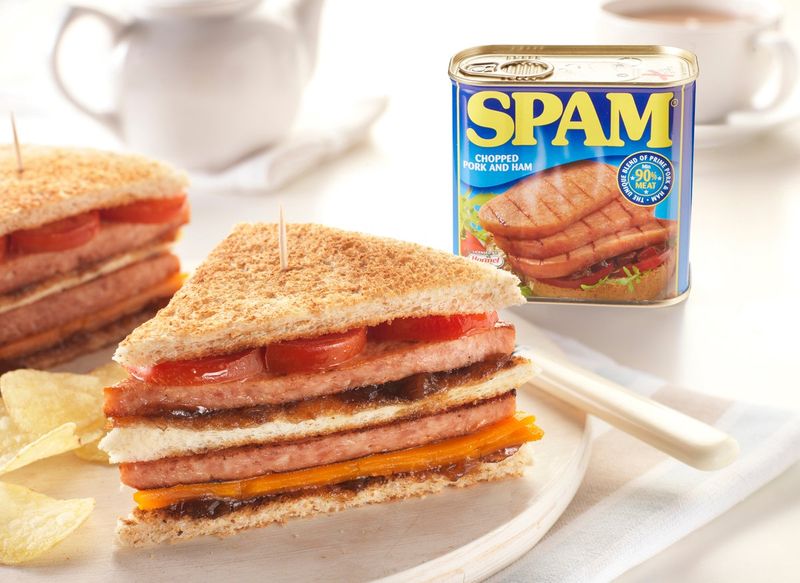
This tinned mystery meat arrived from America and quickly became a staple in British households during the war.
Spam is made from pork shoulder, ham, salt, water, potato starch, and a few preservatives that help it last for ages.
People fried it, baked it, chopped it into sandwiches, and even mashed it into fritters when fresh meat was scarce.
Nowadays, it's still sold in supermarkets across the UK, often spotted on the bottom shelf gathering dust.
Some folks swear by it in a proper fry-up, while others reckon it tastes like salted cardboard wrapped in jelly.
2. Corned Beef
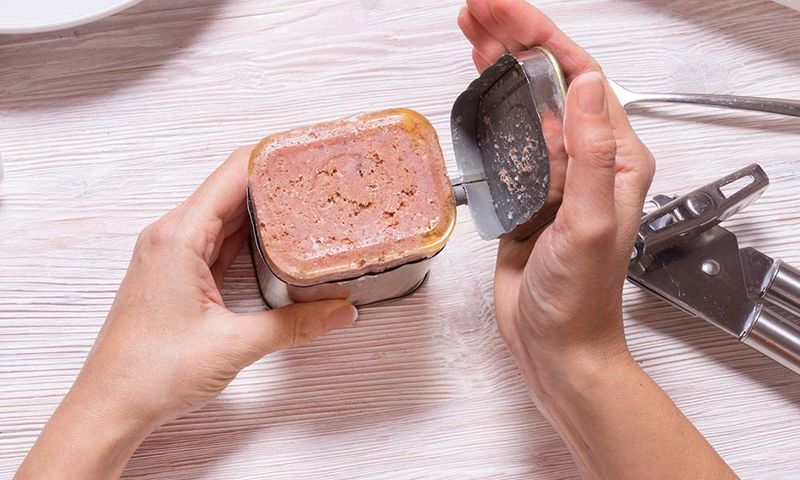
Long before it became a sandwich shop staple, corned beef was a wartime hero that filled countless bellies when butchers' shelves sat empty.
The meat comes from brisket that's been cured in brine with large grains of salt, giving it that distinctive pink colour and salty kick.
Families would stretch a single tin across several meals, mixing it into hash, pies, or simply slapping it between two slices of bread.
You can still find it in every British supermarket today, usually near the tinned fish.
It's proper comfort food for some, though the gelatinous layer on top does put a few people off their lunch.
3. Powdered Eggs
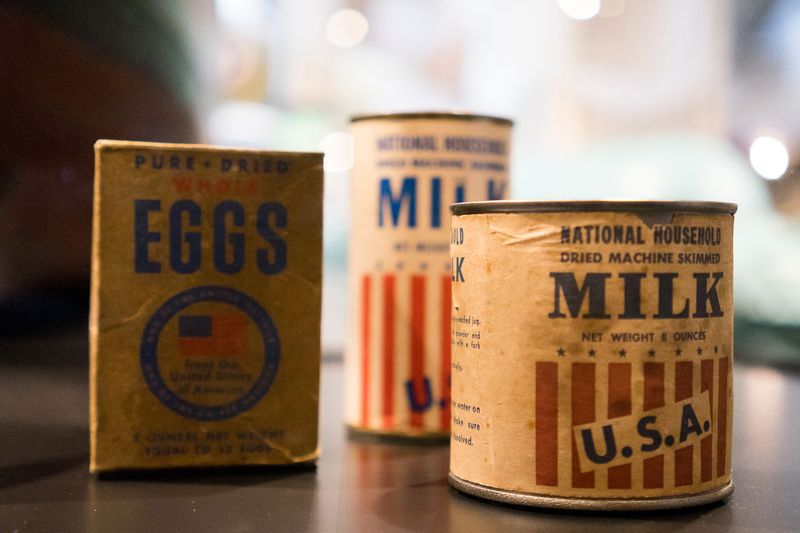
Fresh eggs were like gold dust during rationing, so the government shipped in these peculiar yellow tins filled with dehydrated egg powder.
Each household received one tin per month, which equalled roughly a dozen eggs once you mixed it with water.
The texture was never quite right, and the flavour had a slightly metallic tang that no amount of seasoning could hide.
People used it for scrambled eggs, omelettes, and baking, though cakes often turned out a bit dense and rubbery.
Nowadays, you'd struggle to find it outside camping shops or survival food websites, which probably tells you everything you need to know.
4. Dripping Sandwiches
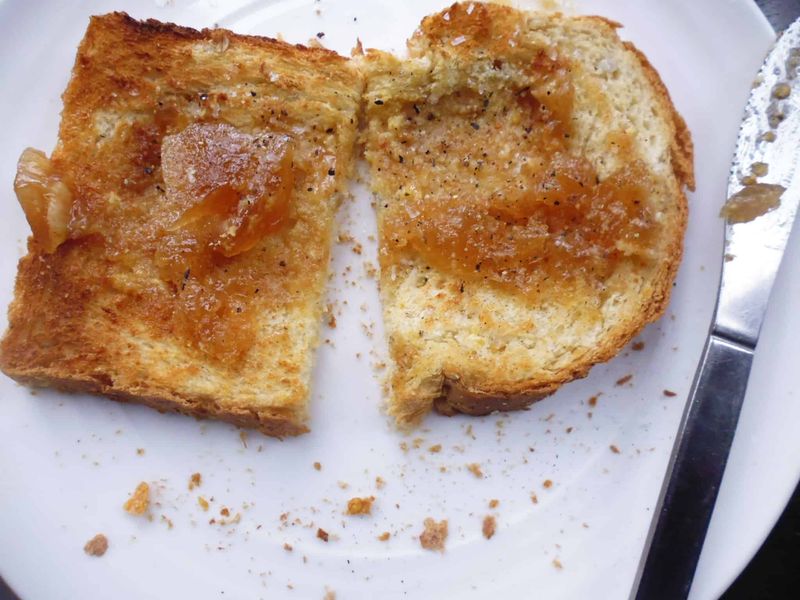
Nothing went to waste during wartime, including the fat that collected at the bottom of the roasting tin after Sunday dinner.
This beef or pork dripping would be saved, cooled, and spread on bread like butter, sometimes with a sprinkle of salt or the jellied meat bits underneath.
For working class families, it was a cheap source of energy that kept you full through a long shift at the factory or docks.
The taste is rich, meaty, and surprisingly satisfying if you can get past the idea of eating pure animal fat.
Some traditional butchers still sell it today, and a few old-school cafes serve it on toast as a nostalgic treat.
5. Woolton Pie
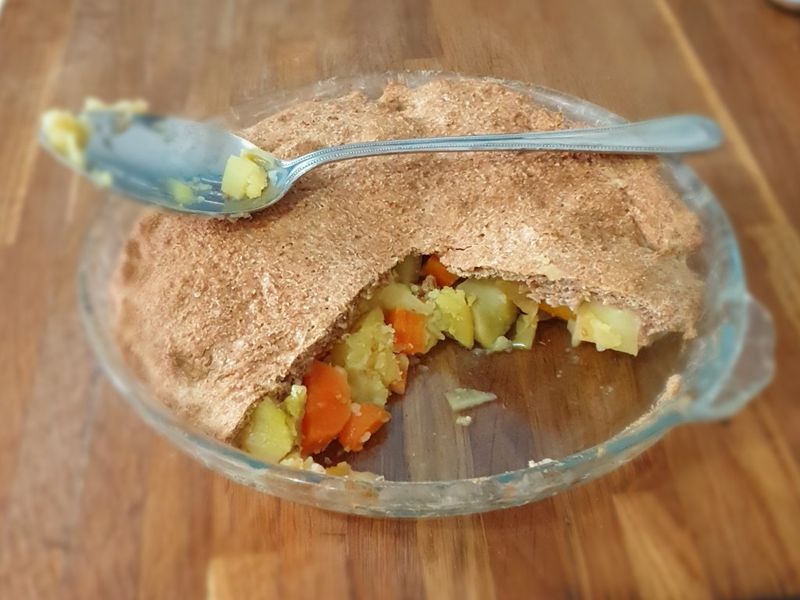
Named after the Minister of Food, Lord Woolton, this vegetable pie became the poster child for wartime cooking when meat was impossible to find.
The recipe called for whatever veg you could get your hands on, usually potatoes, carrots, turnips, and swede, all cooked together under a pastry or potato topping.
It was bland, stodgy, and desperately needed seasoning, but it kept millions fed when options were thin on the ground.
The government promoted it heavily through radio broadcasts and leaflets, though most families quietly dreamed of a proper steak and kidney pudding.
You won't find it on restaurant menus today, but some heritage sites recreate it for historical events.
6. Offal
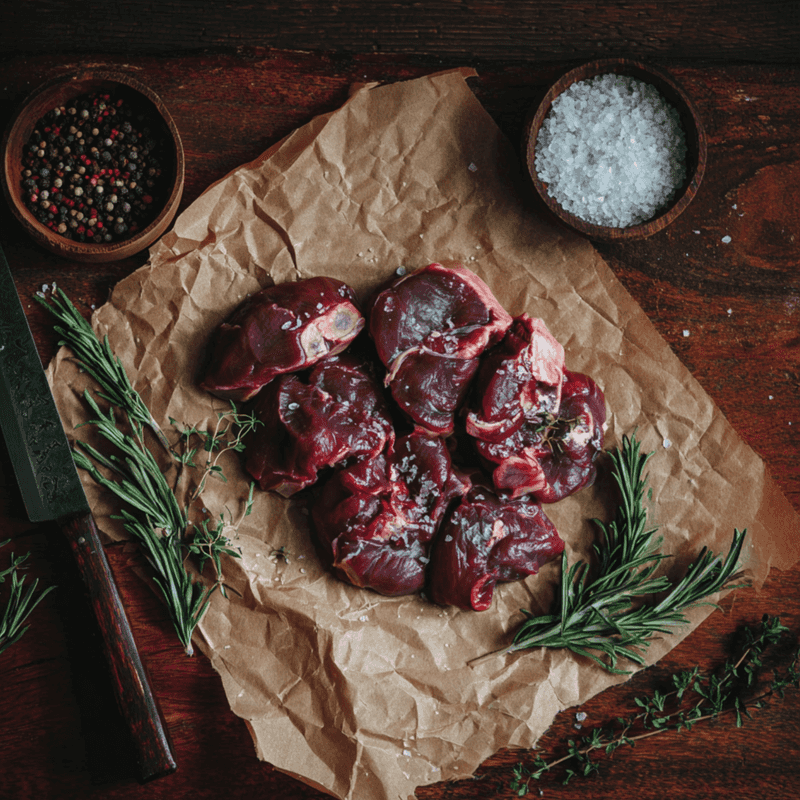
When prime cuts of meat were rationed, butchers still had plenty of hearts, kidneys, livers, and tongues to go around, and families learned to cook them out of necessity.
Offal wasn't rationed because most people turned their noses up at it, but during the war it became a valuable source of protein and nutrients.
Dishes like devilled kidneys, liver and onions, and stuffed heart appeared on dinner tables across Britain, often cooked low and slow to soften the strong flavours.
Some cuts, like ox tongue and tripe, require an acquired taste and a strong stomach.
Today, offal is making a comeback in fancy restaurants, though your average British family probably still prefers chicken breast.
7. Lard
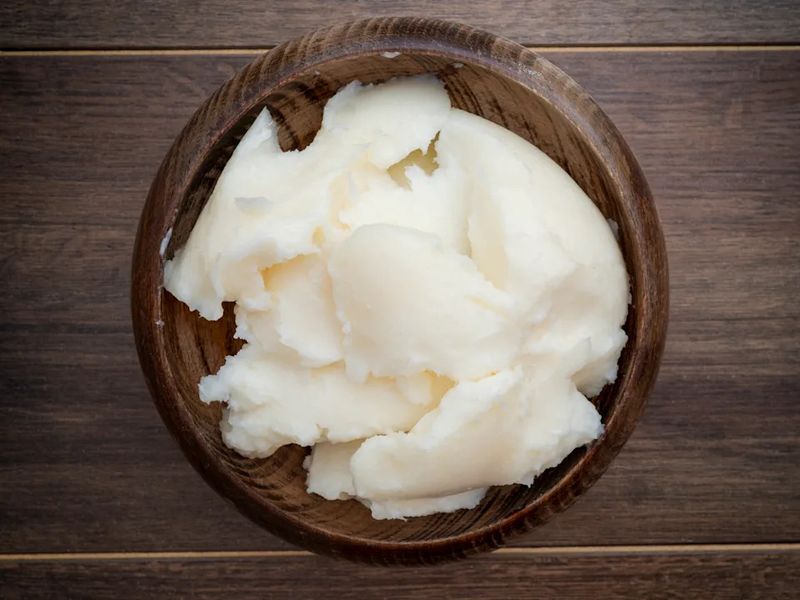
Before vegetable oils dominated supermarket shelves, lard was the go-to cooking fat in every British kitchen, especially when butter was strictly rationed.
Rendered from pork fat, it was used for frying, roasting, and baking, giving pastry a flaky texture that modern margarine just can't match.
Wartime cooks relied on it heavily, spreading it on bread when butter ran out or using it to make suet puddings stretch further.
The flavour is mild and slightly porky, which works brilliantly in savoury dishes but feels a bit odd on your morning toast.
You can still buy it in blocks from most UK supermarkets, and some bakers swear by it for the crispiest roast potatoes you've ever tasted.
8. Jellied Eels
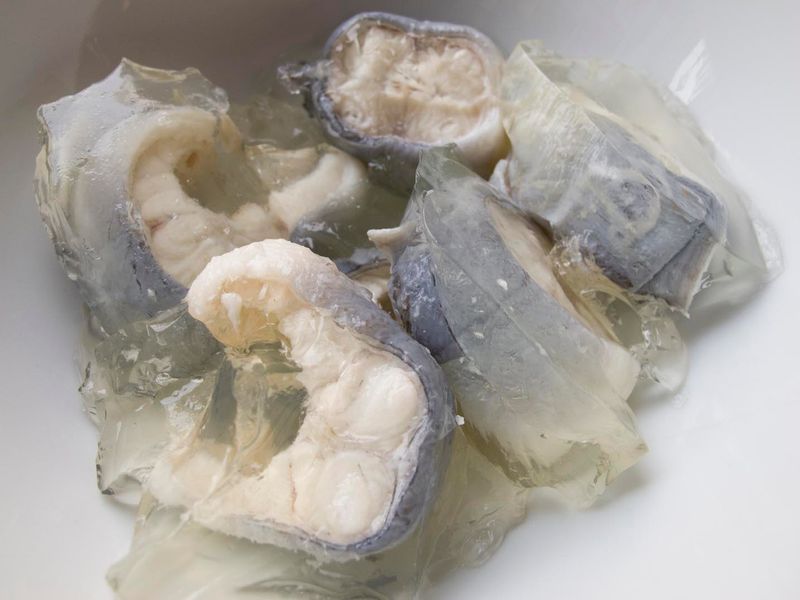
This East End delicacy has been dividing opinions since Victorian times, but during wartime it became an affordable source of protein when other fish was hard to come by.
Eels are chopped into chunks, boiled with herbs and spices, then left to cool in their own stock, which sets into a wobbly jelly.
The texture is slippery, the flavour is fishy, and the jelly itself has a consistency that makes some people gag on sight.
Traditionally served cold with a splash of vinegar and white pepper, it was popular in pie and mash shops across London.
You can still find it in a handful of traditional eel shops today, though most younger Brits wouldn't touch it with a bargepole.