








Bite into a lemon or taste a tangy sweet, and suddenly your whole face does that unmistakable scrunch.
It’s not just a funny reaction – it’s biology in action.
Sour foods set off a natural response in your taste buds and nerves, sending a signal to your brain that something acidic has arrived.
From vinegar-heavy pickles to zesty fruit, that sharp tingle is your body’s clever way of recognising and reacting to intense flavours.
This article is for general informational purposes only.
Individual taste reactions and sensitivities to sour foods can vary.
Always consume acidic foods in moderation to protect your teeth and stomach.
1. The Science Behind That Sour Face

Your body has a built-in alarm system for acids, and it goes off the moment something sour lands on your tongue.
Acids from foods like vinegar or citrus fruits lower the pH in your mouth, which your taste receptors immediately flag as potentially dangerous.
This triggers a rapid signal to your brain, which then sends out an emergency response to your facial muscles.
It's all automatic, happening in a fraction of a second before you've even had time to think about it.
2. How Your Taste Buds Detect Acidity
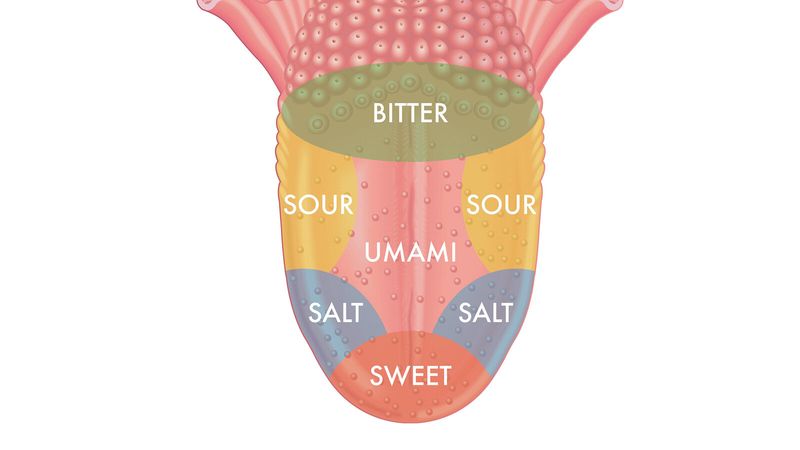
Scattered across your tongue are thousands of tiny taste buds, each packed with specialised receptor cells that act like chemical detectives.
When acid molecules from sour sweets or pickles make contact, they interact with specific proteins on these cells, creating an electrical signal.
That signal races along nerve fibres straight to your brain, alerting you to the sour sensation.
Interestingly, British favourites like salt and vinegar crisps activate these same receptors, which is why they pack such a punch.
3. Why Your Brain Reacts Instantly To Sour Flavours

Speed matters when it comes to potentially harmful substances, so your brain doesn't mess about with sour signals.
The moment those taste receptors fire, the message zooms through your nervous system faster than you can say "sherbet fountain."
Your brain's immediate reaction is to assess whether this acidic substance is safe or if you need to spit it out pronto.
This lightning-fast response is why your face contorts before you've even consciously registered the taste.
4. The Role Of Saliva In Soothing The Sour Shock
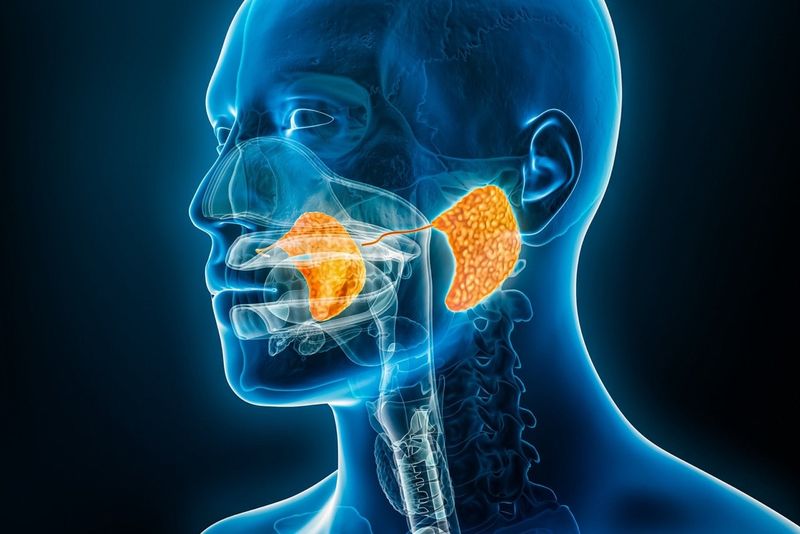
Ever noticed your mouth floods with spit the second you taste something proper sour?
That's your salivary glands kicking into overdrive to dilute the acid and protect your tooth enamel from damage.
Saliva also contains bicarbonate, which acts as a natural buffer to neutralise the pH and make the sour sensation less intense.
It's basically your mouth's own emergency response team, rushing in to restore balance after you've demolished a packet of Toxic Waste sweets.
5. How Evolution Shaped Our Reaction To Sour Foods
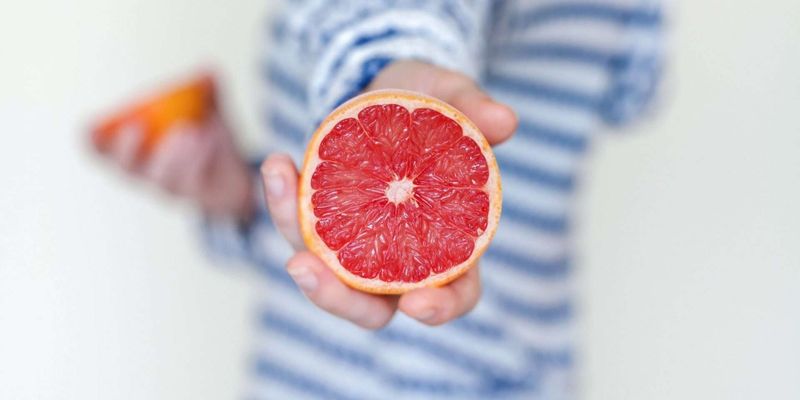
Back in the day, our ancestors needed a reliable way to tell if food had gone off or was potentially toxic.
Sour tastes often signalled spoiled or fermented foods, which could make you properly ill if you weren't careful.
Those who had a strong reaction to sour flavours were more likely to avoid dodgy food and survive long enough to pass on their genes.
So that face you pull when eating a pickled egg? That's evolution doing its job.
6. The Muscles Responsible For That Funny Facial Twitch

Your face has over 40 different muscles, and several of them contract simultaneously when something sour hits your tongue.
The orbicularis oculi muscles around your eyes squeeze tight, whilst the levator labii muscles pull your upper lip upward in that classic grimace.
Your cheeks also get involved, with the buccinator muscles contracting to create that scrunched-up look.
It's like your face is trying to close off all entry points to protect you from the acidic invader.
7. Why Some People Handle Sour Better Than Others
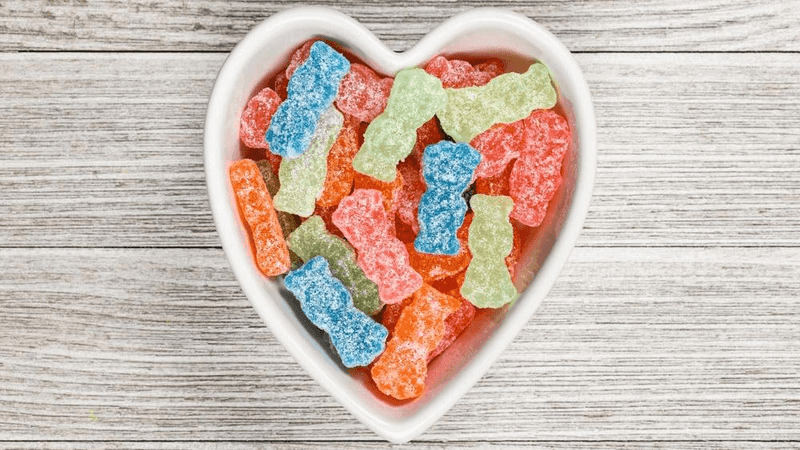
If you've got a mate who can down warheads without flinching whilst you're pulling faces at a slice of lime, there's actual science behind it.
Genetics play a massive role in how sensitive your taste receptors are to acids, with some people simply having fewer sour-detecting receptors than others. Regular exposure can also build up tolerance over time, which is why people who grew up eating pickles and vinegar-heavy foods often have milder reactions.
Age matters too – kids typically have more taste buds than adults.
8. The Foods That Trigger The Strongest Sour Reactions
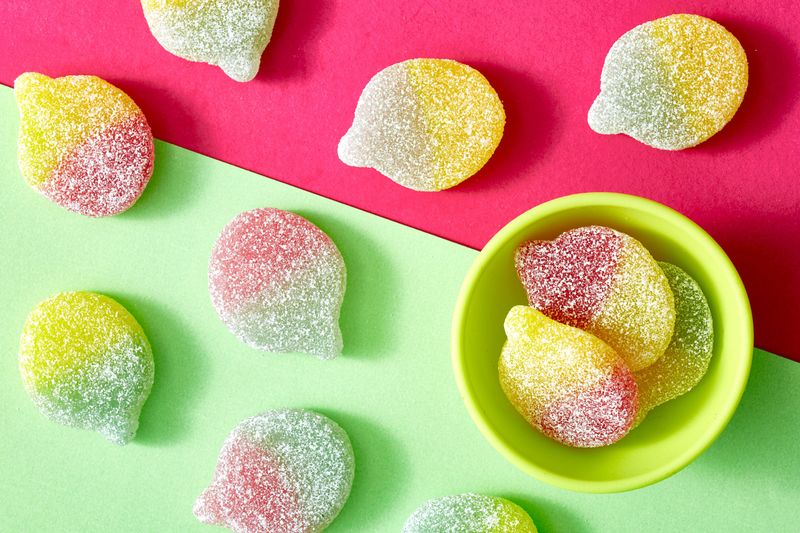
Not all sour foods are created equal, and some British classics will have your face doing gymnastics.
Sherbet lemons, sour apple sweets, and those nuclear-level Toxic Waste candies top the list for sheer sourness, thanks to citric and malic acids added in eye-watering concentrations.
Pickled onions, Branston pickle, and salt and vinegar crisps also rank high.
Fresh lemons and limes pack a natural punch too, especially if you're brave enough to bite into one raw like some sort of citrus warrior.
9. How Sour Sensations Can Actually Be Addictive

Despite the face-scrunching drama, loads of people actively seek out sour foods, and there's a proper reason for that.
The intense sensory experience triggers a release of endorphins – your brain's natural feel-good chemicals – creating a mild rush that some people find genuinely enjoyable.
It's similar to the thrill-seeking behaviour behind eating spicy food.
Plus, that flood of saliva and the sharp taste can be weirdly refreshing, which is why sour sweets remain a staple in British corner shops and cinema pick-and-mix.