



Ever wondered which food brands on your supermarket shelves have stood the test of time?
Many of our favourite kitchen staples have histories stretching back centuries, quietly feeding generations while becoming cultural icons.
From breakfast spreads to sweet treats, these brands have fascinating stories that might surprise you.
This article is for general informational and nostalgic purposes only. The details about brand history are based on publicly available information. Dates and origins may be summarised or generalised, and availability can vary by region.
1. Cadbury
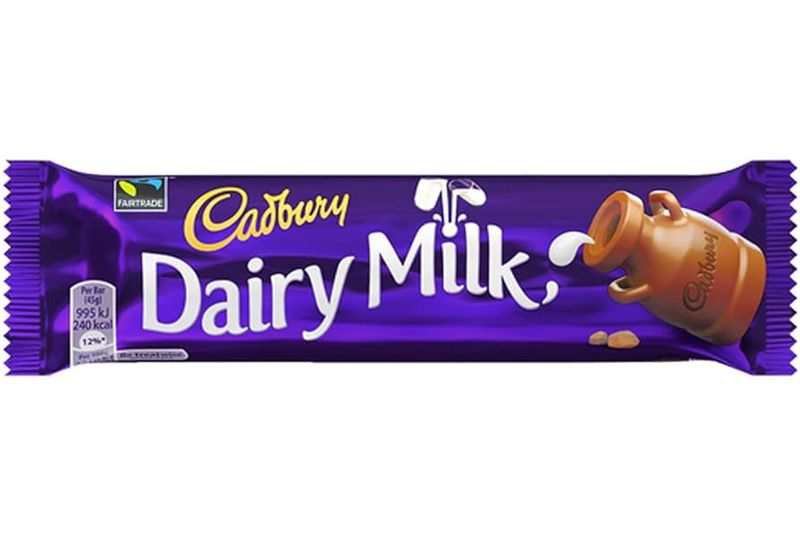
Birmingham's chocolatey treasure began in 1824 when John Cadbury opened a humble shop selling cocoa and drinking chocolate.
Who could have predicted his small business would transform into a global confectionery empire?
The iconic Dairy Milk bar didn't appear until 1905, but quickly became Britain's favourite chocolate treat.
The distinctive purple packaging has been delighting sweet-toothed fans for generations.
2. Colman's Mustard
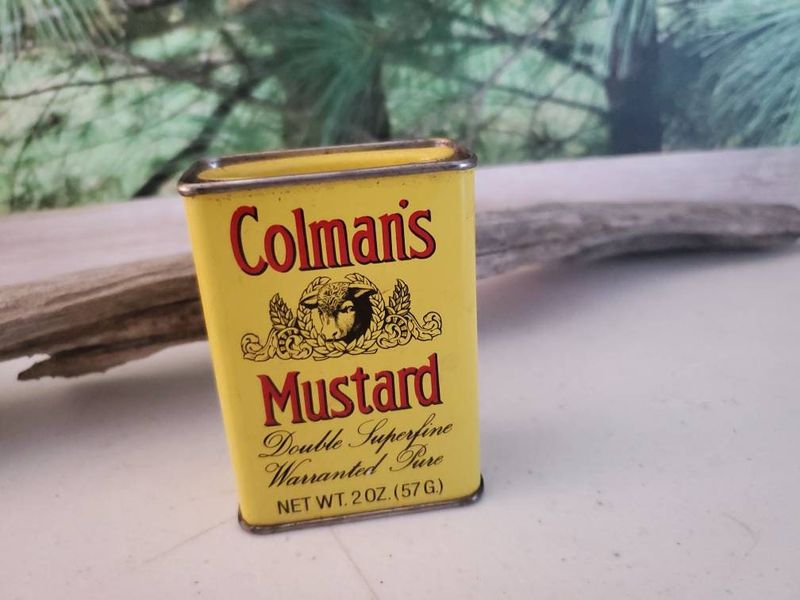
That fiery yellow condiment in your cupboard dates back to 1814, when Jeremiah Colman, a flour miller from
Norfolk, first ground mustard seeds. His business acumen earned him a Royal Warrant from Queen Victoria in 1866.
The distinctive bright yellow tin hasn't changed much in over a century.
3. Marmite
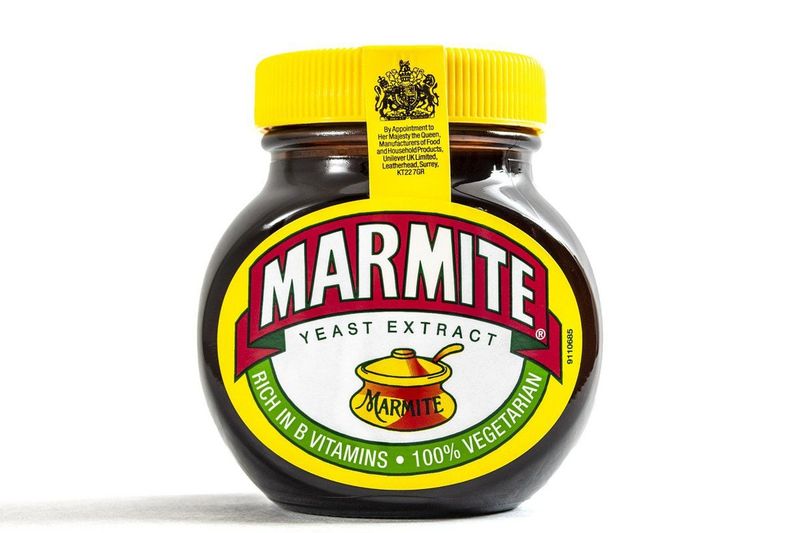
This divisive yeast extract began life in 1902 when the Marmite Food Company opened in Burton-upon-Trent.
The name comes from a French casserole dish that resembled the original pot it was sold in.
During both World Wars, Marmite was included in soldiers' ration packs for its nutritional value.
The distinctive glass jar with its yellow lid has become an iconic symbol of British breakfast tables.
4. HP Sauce
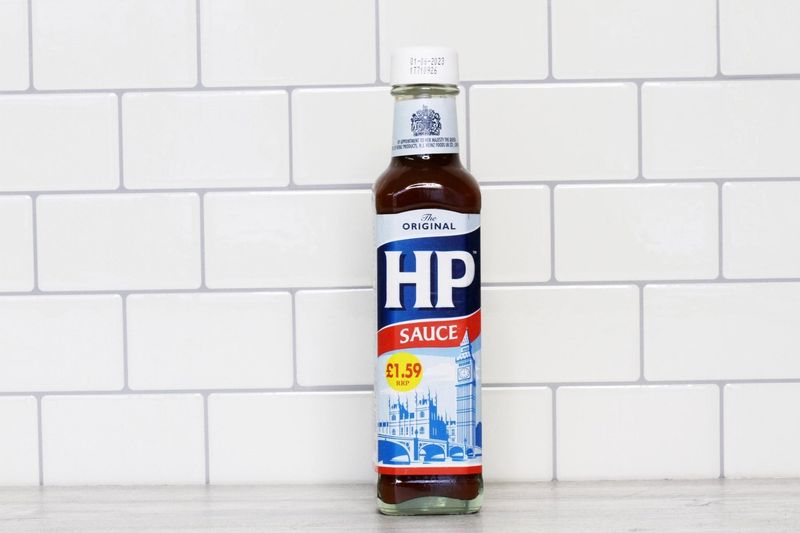
This tangy brown sauce was created by Frederick Gibson Garton, a Nottingham grocer, in the 1870s.
The "HP" stands for Houses of Parliament – featured on every bottle since Garton heard it was being served there.
Though now owned by American food giant Heinz, HP Sauce remains quintessentially British in the public's eyes.
5. Warburtons
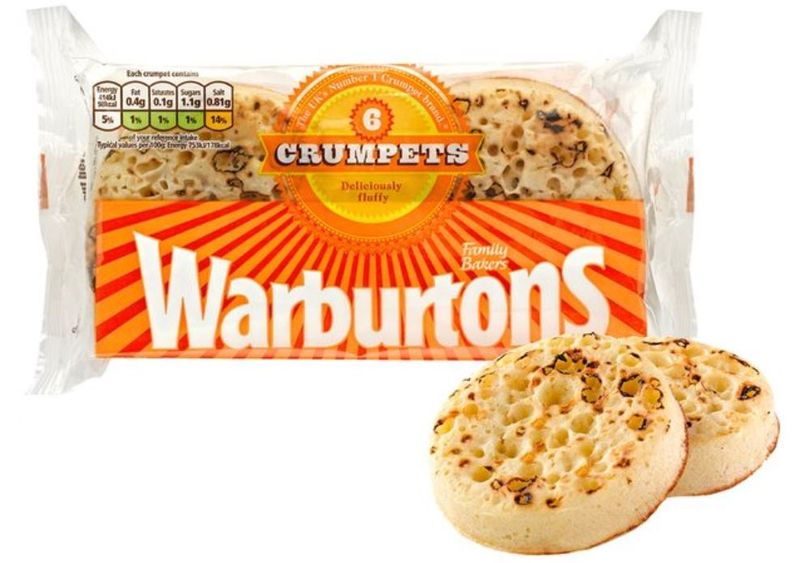
From a small grocery shop in Bolton to Britain's largest bakery brand – Warburtons has been rising steadily since 1876.
Thomas and Ellen Warburton started baking bread when their grocery business struggled, never imagining their surname would become synonymous with toast.
Still family-owned after five generations, they produce over 2 million products daily.
Their traditional methods and family values remain central to their enduring success.
6. Rowntree's
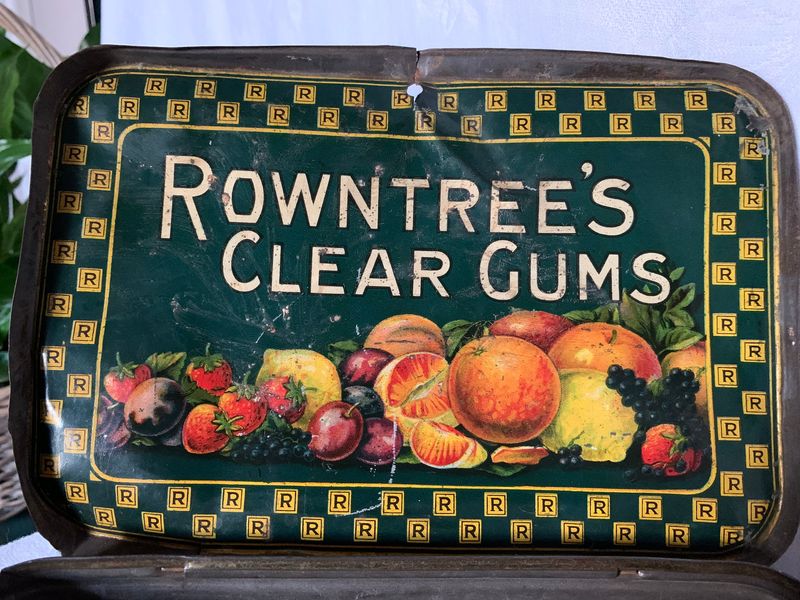
York's sweet-making legend began in 1862 when Henry Isaac Rowntree purchased a simple cocoa works.
His brother Joseph later joined, bringing business savvy that transformed their fortunes.
They pioneered fruit pastilles in 1881 and Fruit Gums shortly after.
Though now owned by Nestlé, Rowntree's treats like Jelly Tots and Randoms continue delighting children.
7. Walkers Crisps
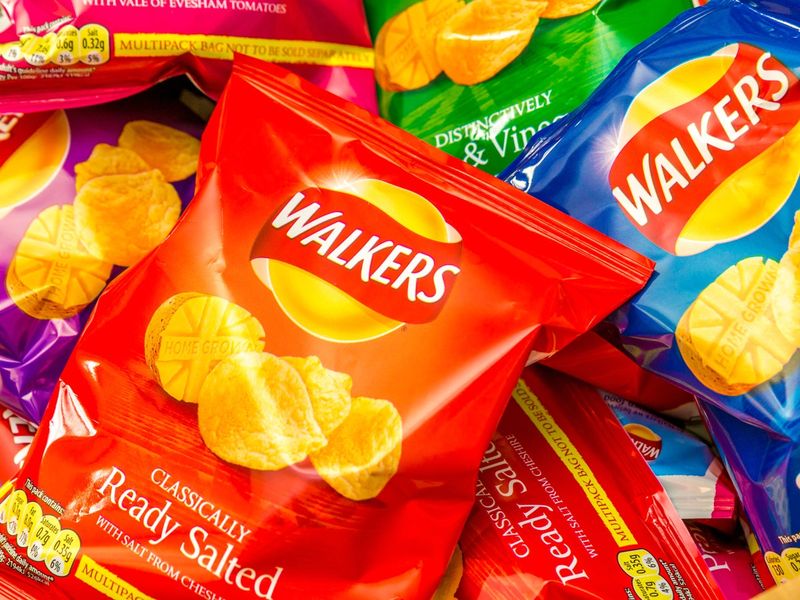
Leicester butcher Henry Walker started making crisps in 1948 during post-war meat rationing as a clever business pivot.
His crispy potato slices quickly became more popular than his meat products!
The original flavour was just salt – cheese & onion didn't arrive until 1954, with salt & vinegar following in 1967.
The company's familiar red logo has remained largely unchanged, becoming one of Britain's most recognised snack brands.
8. Tate & Lyle
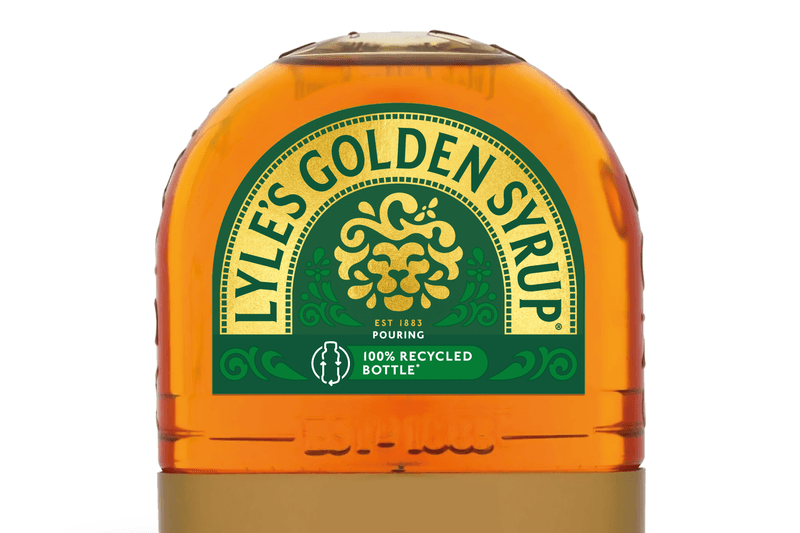
Lyle's Golden Syrup, with its distinctive green and gold tin featuring a sleeping lion, holds the Guinness World Record for oldest unchanged brand packaging.
The biblical lion image on the tin references Samson's riddle from Judges 14:14 – "Out of the strong came forth sweetness."
The syrup itself has been produced since the late 19th century and became a staple in British kitchens, often used in baking and traditional puddings.
9. Kellogg's
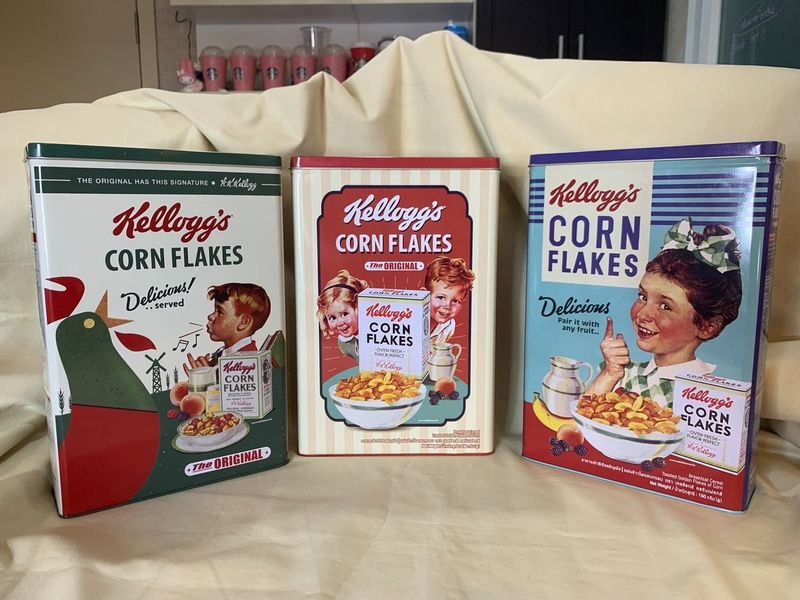
The breakfast table champion began in 1906 when Will Keith Kellogg accidentally created corn flakes while experimenting with wheat.
Initially developed as a health food for sanitarium patients, these crunchy flakes changed morning routines forever.
Kellogg's distinctive red logo has adorned British breakfast tables since 1922.
Their Rice Krispies (introduced in 1928) and Tony the Tiger (born 1952) have become beloved cultural icons spanning multiple generations.
10. McVitie's
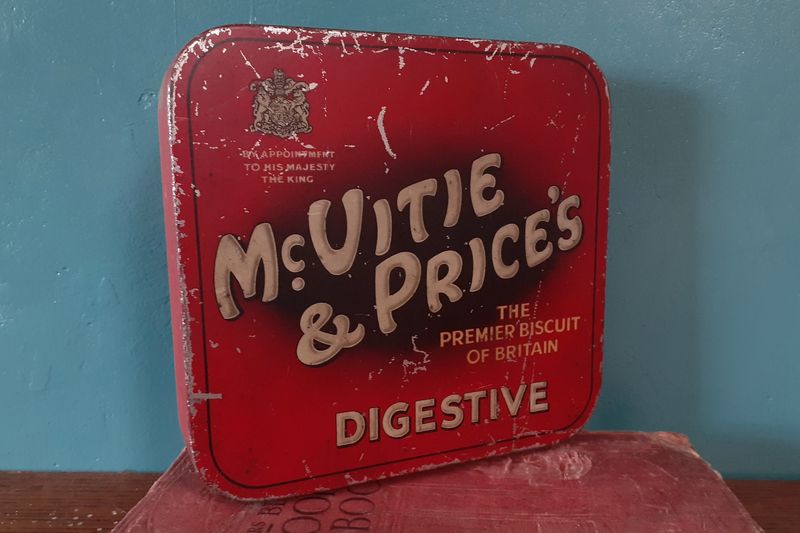
Scotland's biscuit legend began in 1830 as a small bakery on Edinburgh's Rose Street.
Robert McVitie's humble shop would eventually create Britain's most beloved biscuit – the Digestive – in 1892.
The Chocolate Digestive followed in 1925, becoming a national treasure.
McVitie's Jaffa Cakes, introduced in 1927, continue sparking debates about whether they're cakes or biscuits.
Whatever your opinion, they've been dunked in tea for nearly a century!
11. Oxo
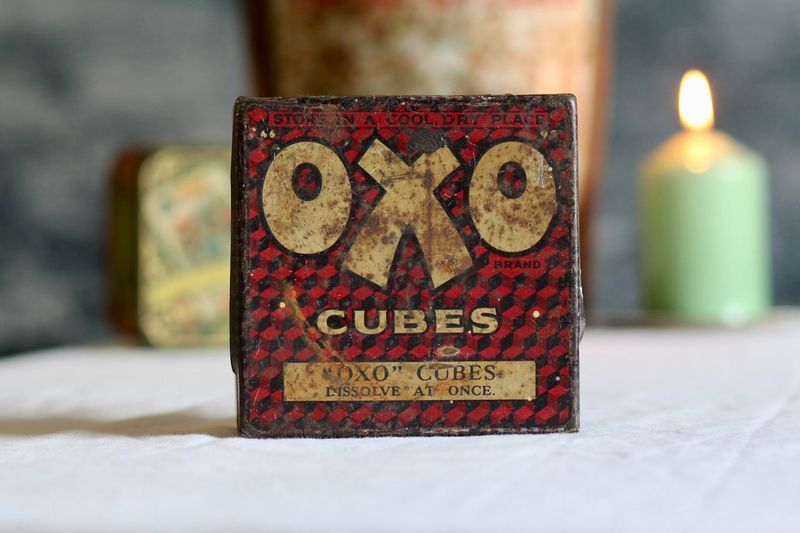
Those familiar little beef stock cubes trace their origins back to 1865, when Justus von Liebig first developed a concentrated meat extract.
The cube format arrived in 1910, making it easier for home cooks to use in everyday meals.
Oxo was a sponsor of the 1908 London Olympics, one of its earliest major promotions
Over the years, its red, white, and blue packaging became a household staple, and the long-running "Oxo Family" adverts from the 1980s to 1990s remain fondly remembered.