








Veganuary has gone from a niche challenge to a mainstream talking point every January.
For some, it is about curiosity, for others it is about food, ethics, or simply trying something different for a month.
Understanding how it works makes joining in feel far less daunting than it might first appear.
All information is provided for general interest only and does not replace professional dietary or medical advice. Nutritional needs differ between individuals, and dietary changes may not be suitable for everyone. Consult a qualified healthcare professional or registered dietitian before making significant changes to your diet.
1. What Veganuary Is And Where It Started
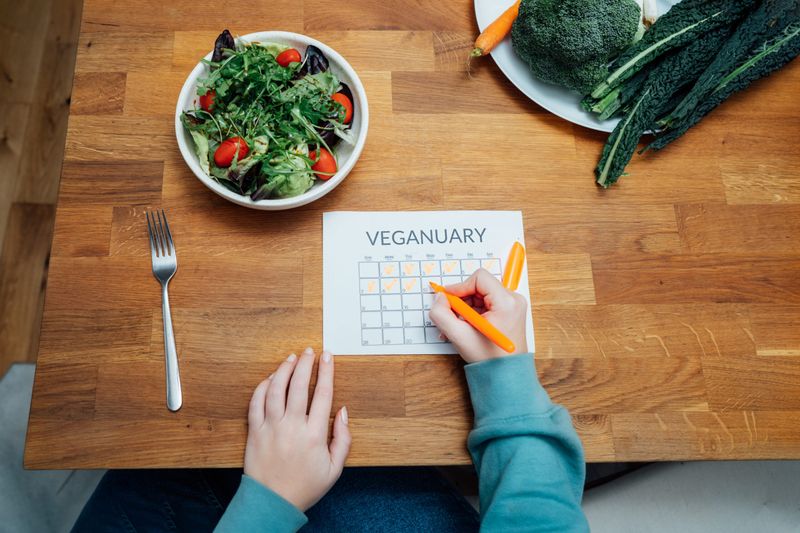
Veganuary began in the UK in 2014 as a campaign encouraging people to try a vegan diet during January.
It was created by a small group aiming to make plant-based eating feel more approachable.
The idea focuses on short-term commitment rather than permanent change.
Over time, it has expanded beyond the UK and gained international recognition.
2. Why People Take Part Each January

Some folks join Veganuary to improve their health, whilst others want to reduce their environmental footprint or support animal welfare.
January feels like the perfect time for a fresh start, and trying something new can be exciting.
Many participants also enjoy the challenge of discovering creative recipes and meals they never would have tried otherwise.
It's about curiosity, compassion, and change all rolled into one.
3. How Veganuary Works In Practice
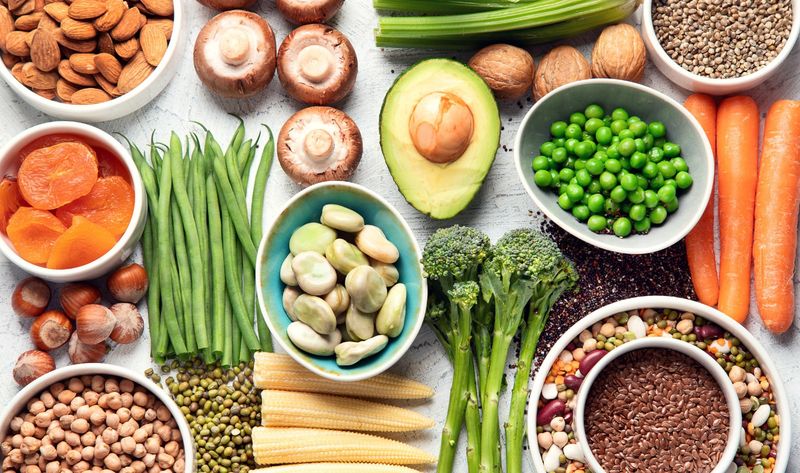
Getting started is surprisingly straightforward.
You simply sign up on the official Veganuary website, and they'll send you free recipes, meal plans, and helpful tips throughout the month.
There's no strict rulebook or pressure - just guidance to make the transition easier.
You can follow along at your own pace, trying new dishes and swapping out animal products for plant-based alternatives as you go.
4. Foods You Can Eat During Veganuary
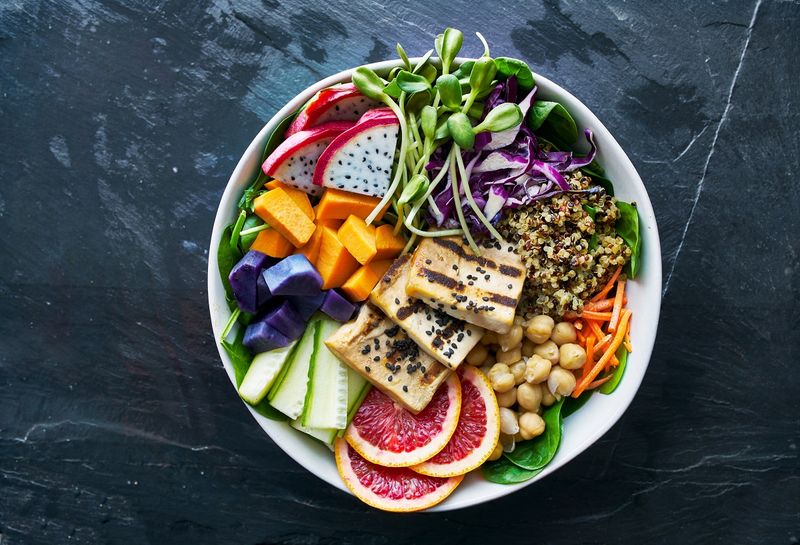
A vegan diet includes fruits, vegetables, grains, beans, lentils, nuts, and seeds.
Many everyday foods already fit naturally into a plant-based way of eating.
Supermarkets now stock a wide range of vegan alternatives to dairy and meat products.
Variety often comes from mixing familiar ingredients in new ways rather than relying on substitutes alone.
5. Common Myths About Going Vegan
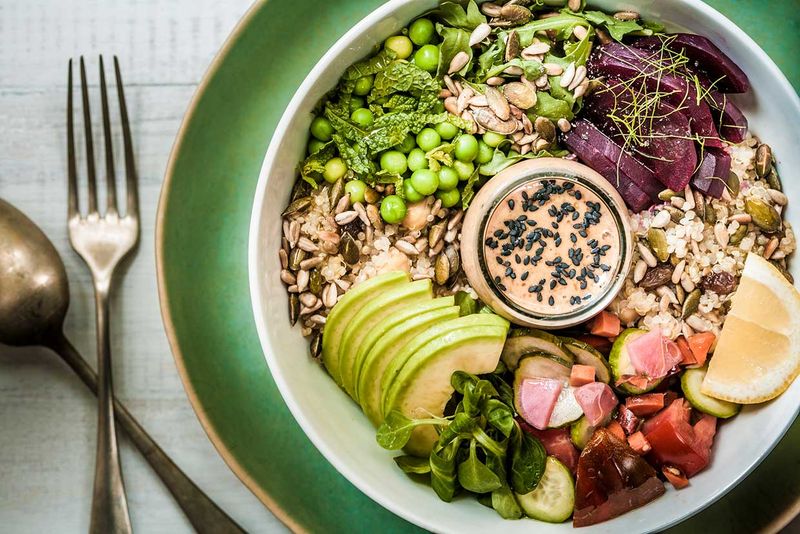
One common misconception is that vegan diets automatically lack protein.
Plant foods such as beans, lentils, tofu, and whole grains all contribute protein.
Another myth is that vegan eating has to be expensive, when many staples are affordable.
Like any diet, outcomes depend on food choices rather than the label itself.
6. Easy Ways To Join Without Feeling Overwhelmed

Start small by swapping one meal a day to vegan, like having porridge with plant milk for breakfast.
You don't have to overhaul everything at once.
Focus on familiar foods first - pasta with tomato sauce, veggie stir-fries, or baked potatoes with beans.
Gradually experiment with new recipes as you gain confidence.
Remember, there's no perfect way to do Veganuary; just do what feels manageable for you.
7. What To Expect In The First Week

The first week often involves adjusting shopping habits and reading ingredient labels more closely.
Meals may feel different as you experiment with unfamiliar foods or recipes.
Some people notice changes, while others simply focus on learning what works for them.
There is no single experience, and flexibility is part of the process.
8. How To Handle Eating Out And Social Plans

Eating out may require checking menus in advance or asking questions when ordering.
Some venues offer vegan dishes, while others may have limited options.
Planning ahead can make social situations feel more relaxed.
Clear communication helps manage expectations without turning meals into a big issue.
9. Health And Nutrition Basics To Know
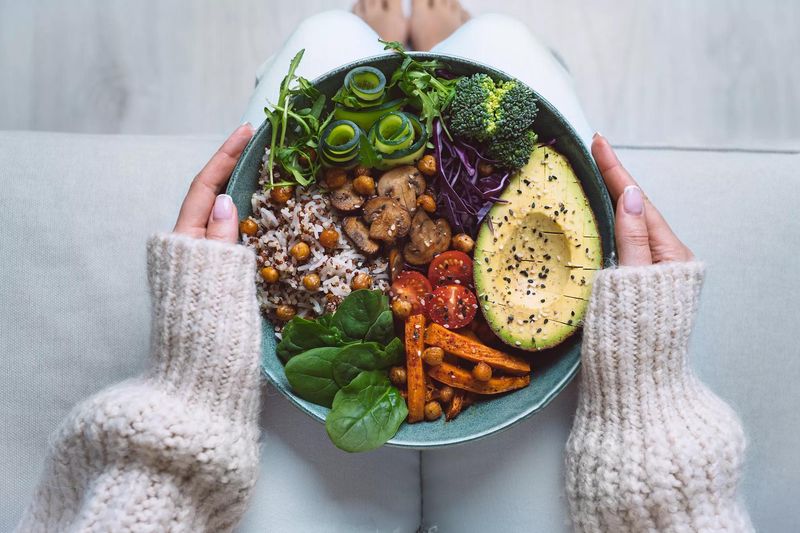
A vegan diet requires attention to certain nutrients, including vitamin B12.
B12 is usually obtained through fortified foods or supplements rather than plants.
Iron, calcium, and omega-3 fats can come from plant-based sources with thoughtful planning.
Overall nutritional balance depends on food variety and informed choices.
10. Ways To Keep Going After January Ends
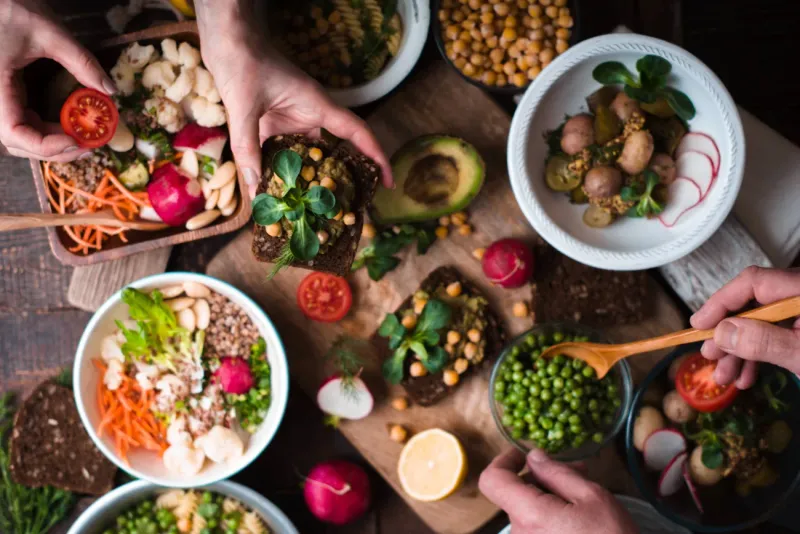
If you've enjoyed Veganuary, why not keep some habits going?
You might choose to eat vegan a few days a week or continue with breakfasts and lunches.
Join online communities or follow vegan food bloggers for ongoing inspiration and support.
Many people find that once they've tried it for a month, going back feels less appealing.
Celebrate your progress, whatever path you choose moving forward.