
Everyone’s got a McDonald’s memory - maybe it’s a late-night burger run, a childhood Happy Meal, or that unmistakable smell of fries drifting through the air.
But behind the golden arches lies a world full of surprising stories and quirky details that most people have never heard about.
Get ready to see this fast-food giant in a whole new light.
The information shared here is for general interest and entertainment purposes only. Menu items, recipes, and ingredients can vary by location, and nutritional details may change over time. Photos are for illustrative purposes only.
The Big Mac Was Introduced In 1967
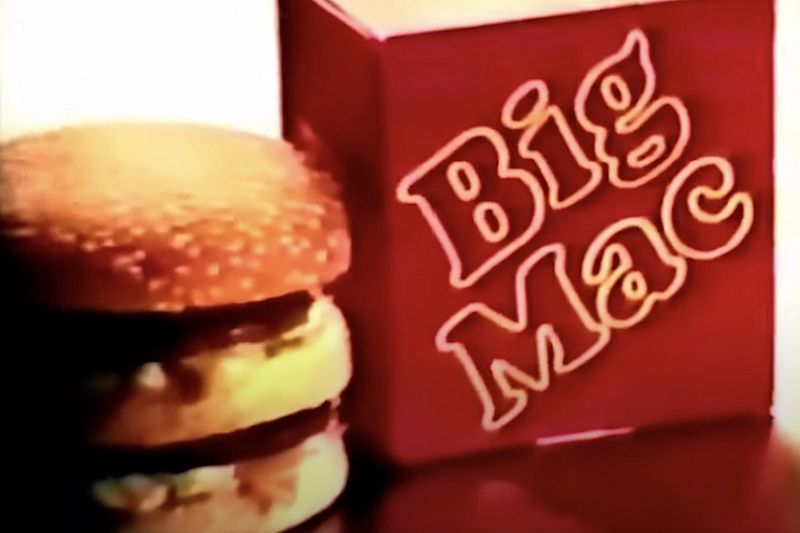
The world-famous Big Mac made its debut in April 1967, thanks to Pittsburgh franchise owner Jim Delligatti.
He wanted to create a larger burger that would satisfy customers looking for something heartier than the regular menu.
His creation - two beef patties, lettuce, cheese, pickles, onions, and a unique sauce layered on a three-part sesame seed bun - was an instant local hit.
After testing its popularity, McDonald’s added it to the national menu in 1968.
The sandwich quickly became a cultural icon, symbolising the golden age of fast food and earning recognition around the world.
The Big Mac Got Its Name From An Employee Suggestion
The now-legendary name “Big Mac” came from within the McDonald’s team itself.
In 1967, a young advertising secretary named Esther Glickstein Rose suggested the name during an internal brainstorming session.
Her idea stood out for being simple, catchy, and perfectly descriptive of the burger’s size and appeal.
Although she didn’t receive formal credit or royalties at the time, her contribution has since been widely acknowledged by McDonald’s historians and company records.
The Big Mac name became as iconic as the burger itself - proof that great ideas can come from anywhere.
Filet-O-Fish Was Created For Catholics
Back in 1962, Lou Groen owned a McDonald's franchise in Cincinnati, a heavily Catholic neighbourhood where many residents abstained from eating meat on Fridays.
His burger sales plummeted every week, threatening his business survival.
Desperate for a solution, Lou invented a fish sandwich to cater to his community's religious practices.
Ray Kroc was initially sceptical and even created a competing meatless option, but the Filet-O-Fish won the taste test.
It's been a menu staple ever since, proving that necessity truly is the mother of invention.
The Egg McMuffin Started In California
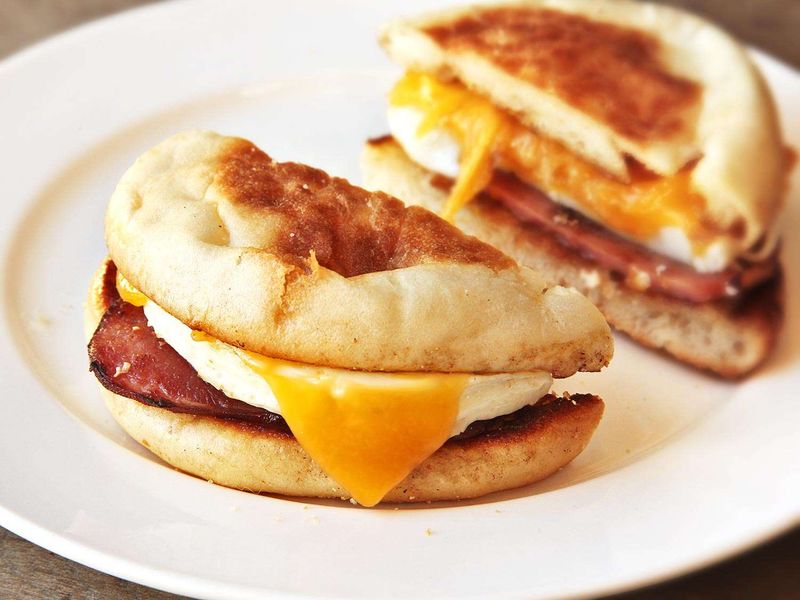
Santa Barbara franchisee Herb Peterson had a brilliant idea in 1972: why not serve breakfast at McDonald's?
He crafted a sandwich inspired by Eggs Benedict, using a toasted English muffin, a perfectly round fried egg, Canadian bacon, and a slice of melted cheese.
Herb even invented a special tool called the Teflon circle to cook the eggs into that signature round shape.
Ray Kroc loved the concept so much that he added it to menus nationwide, launching McDonald's into the breakfast market and changing morning routines forever.
The Quarter Pounder Was Born In 1971
Franchisee Al Bernardin in Fremont, California, noticed that some customers wanted a meatier, more substantial burger option.
He developed the Quarter Pounder, featuring a beef patty weighing a quarter of a pound before cooking, which was significantly larger than standard offerings.
The name was brilliantly straightforward, telling customers exactly what they were getting.
McDonald's tested it regionally before adding it nationwide in 1973.
The Quarter Pounder's success proved that customers were willing to pay more for bigger portions, influencing the entire fast-food industry's approach to sizing.
The McRib Is A Limited-Time Favourite
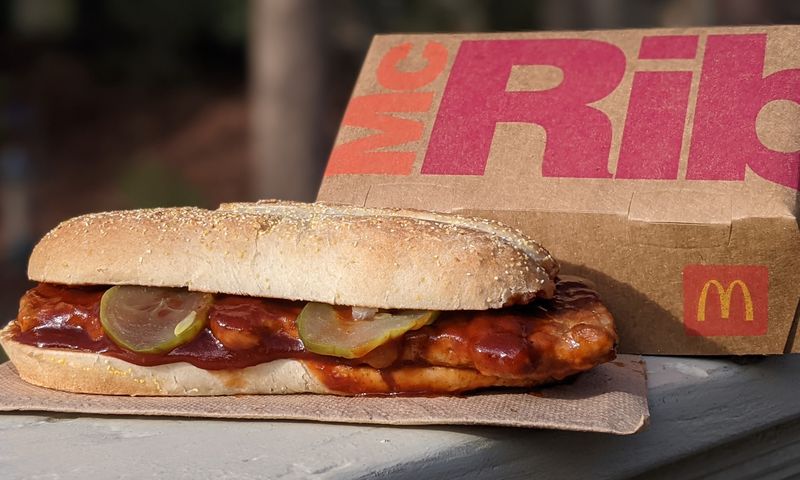
Created in 1981 by McDonald's first executive chef, René Arend, the McRib was initially developed because of a chicken shortage that made the company explore alternative proteins.
The boneless pork patty moulded to look like a rack of ribs became an unexpected sensation.
Rather than keeping it permanently available, McDonald's turned it into a limited-time offering, creating massive hype and anticipation whenever it returns.
Fans track McRib sightings online, and its scarcity marketing strategy has made it one of the most talked-about menu items in fast-food history.
The First McDonald's Opened In 1940
Brothers Richard and Maurice McDonald opened their first restaurant in San Bernardino, California, initially serving barbecue from a simple octagonal building.
Business was decent, but the brothers realised they could streamline operations and increase profits dramatically.
In 1948, they restructured their entire concept, focusing on a limited menu of burgers, fries, and shakes prepared quickly using assembly-line methods.
This "Speedee Service System" revolutionised the restaurant industry, emphasising efficiency and consistency.
Their innovative approach laid the foundation for modern fast food, though they never imagined the global empire it would become.
Ray Kroc Opened His First In 1955
Ray Kroc was a 52-year-old milkshake machine salesman when he visited the McDonald brothers' restaurant and saw incredible potential.
Impressed by their efficient system and quality control, he convinced them to let him franchise the concept across America.
On April 15, 1955, Ray opened his first McDonald's franchise in Des Plaines, Illinois, implementing strict standards for cleanliness, service, and food preparation.
His relentless drive and business acumen transformed a single successful restaurant into a worldwide phenomenon.
Eventually, Ray purchased the entire company from the brothers, building the empire we know today.
The Golden Arches Began As Building Design
Those iconic golden arches weren't originally meant to be a logo at all.
Architect Stanley Meston designed them in 1952 as actual structural elements for McDonald's buildings, creating dramatic 25-foot-high yellow arches that made locations visible from far away.
The arches pierced through the roof, giving restaurants a distinctive, space-age appearance that captured the optimism of 1950s America.
Designer Jim Schindler later simplified the arches into the famous "M" logo we recognise today.
Psychologists suggest the curved shape subconsciously resembles nourishing maternal imagery, making the brand feel welcoming and comforting.
McDonald's Is One Of The Biggest Toy Distributors
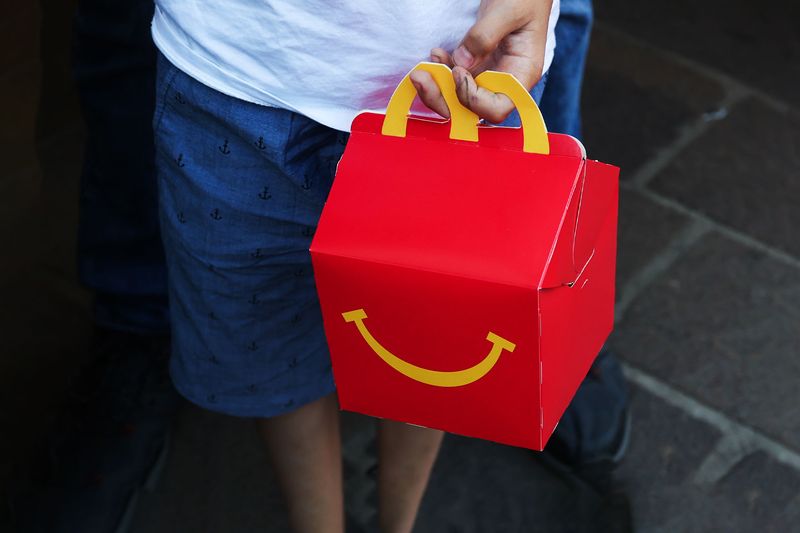
Thanks to the Happy Meal programme launched in 1979, McDonald's distributes approximately 1.5 billion toys annually, making it one of the largest toy distributors on Earth.
Only a handful of dedicated toy companies move more products each year.
The restaurant chain has partnered with major entertainment franchises like Disney, Marvel, and Pokemon, creating collectible toys that drive sales and customer loyalty.
Some vintage Happy Meal toys now sell for hundreds of pounds on auction sites.
This unexpected side business has made McDonald's a major player in the toy industry without ever opening a toy shop.