
Dining out once felt like a proper occasion, complete with table service, printed menus, and a sense of quiet excitement.
Many of the places that shaped those memories are gone now, but their influence still lingers in how Britain eats today.
Reading on feels a bit like opening an old photo album filled with familiar names and forgotten favourites.
All information is provided for general interest only. Restaurant details reflect historical significance rather than current trading status.
1. Simpson's In The Strand
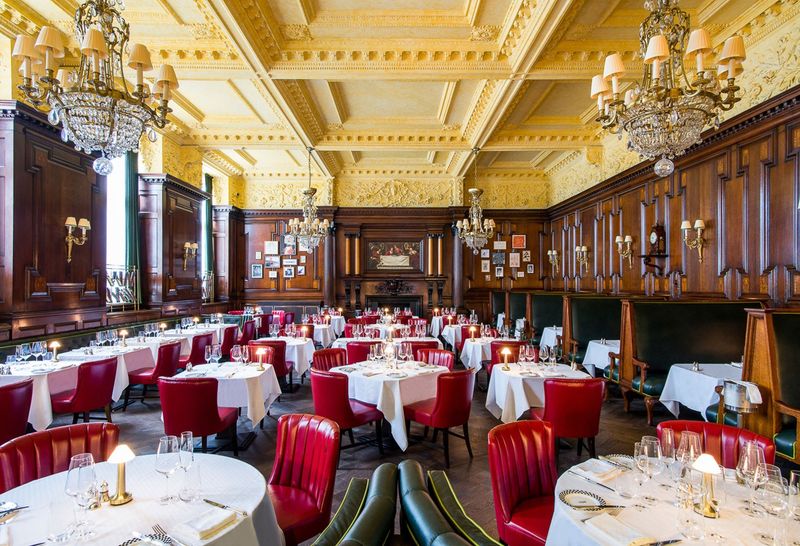
Traditional British roast dinners were once turned into formal, almost ceremonial occasions.
Tableside service and a strong sense of routine shaped the dining experience from start to finish.
The atmosphere appealed to diners who valued tradition over trends.
For many, Simpson’s In The Strand symbolised British dining at its most established.
2. Lyons Corner Houses
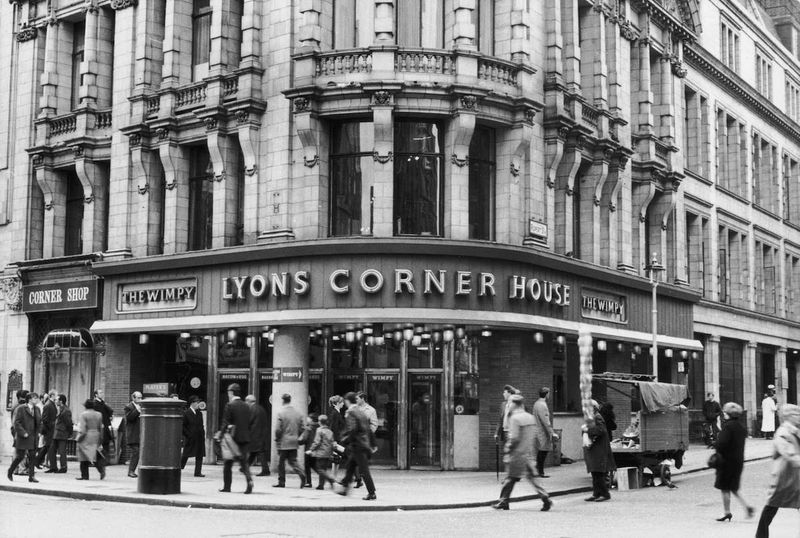
Stepping into a Lyons Corner House meant entering one of Britain’s most recognisable dining institutions of the early twentieth century.
These large, multi-storey restaurants served everything from tea and cakes to full meals, often with different dining rooms catering to different budgets.
They made eating out more accessible in major cities, especially in London, at a time when restaurants were still seen as formal spaces.
The uniformed Nippy waitresses became a lasting symbol of efficient service and modern urban dining.
3. British Rail Dining Cars
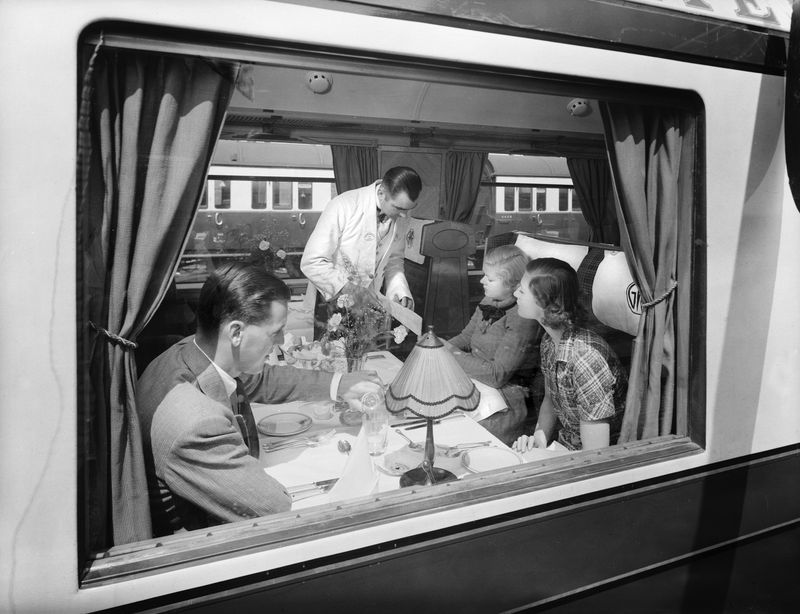
Long train journeys once came with the option of sitting down to a proper meal while the countryside rolled past.
Table service and dedicated dining areas were available on many mainline routes, particularly in earlier decades of rail travel.
Meals were treated as part of the experience rather than something squeezed in between stops.
British Rail dining cars added a sense of occasion that many travellers still remember fondly.
4. Forte's Restaurants
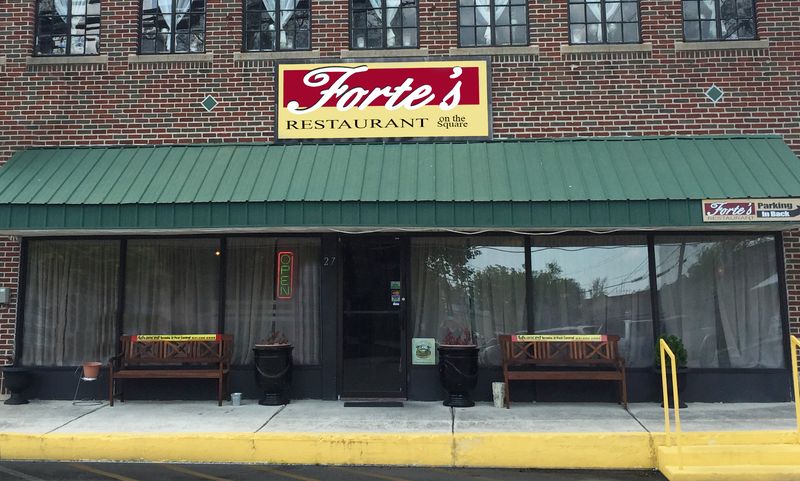
Reliable sit-down dining once formed part of everyday life on British high streets.
These restaurants sat comfortably between informal cafés and more formal establishments.
Families valued the consistency they could count on wherever they travelled.
Forte’s Restaurants played a quiet but lasting role in shaping everyday dining habits across the UK.
5. Wimpy
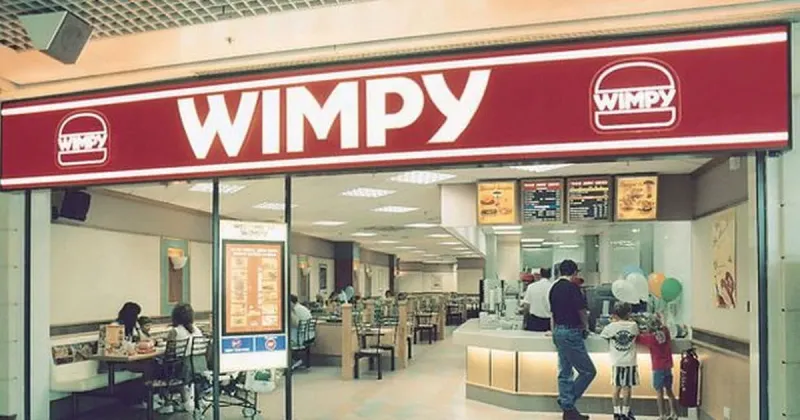
Wimpy introduced British diners to hamburgers in a format that felt comfortable rather than fast-paced.
Unlike later fast food chains, many locations offered table service and sit-down dining.
The menu was adapted to local tastes, making it approachable for families unfamiliar with American-style food.
It helped ease a generation into casual dining long before takeaway culture took over.
6. Kettner's
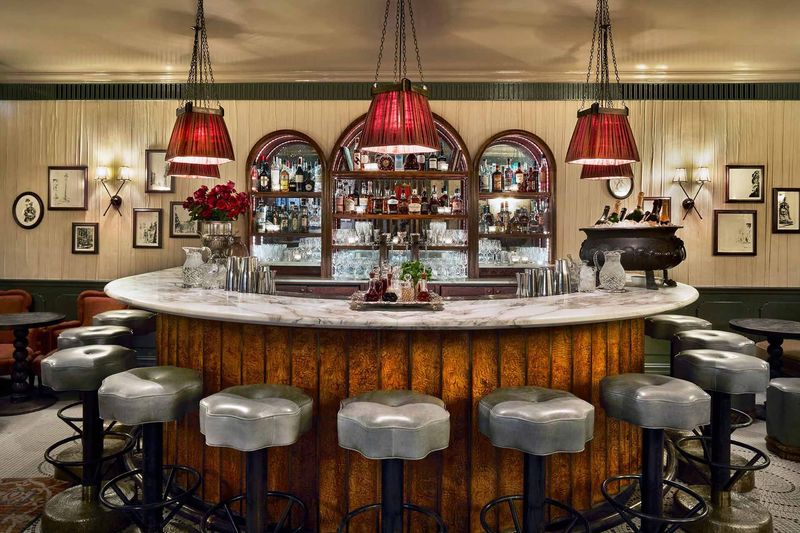
French-influenced cooking reached a wider London audience earlier than many people realise.
Founded by Auguste Kettner, who had worked within the household of Napoleon III, the restaurant introduced continental style to Soho.
It developed a reputation as a place chosen for celebrations and significant moments.
Kettner’s became woven into the city’s long social and culinary story.
7. Little Chef
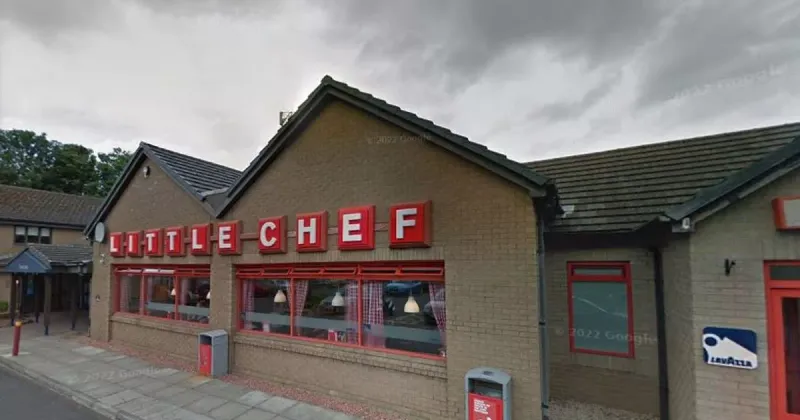
Little Chef became a familiar sight along Britain’s growing road network during the second half of the twentieth century.
It offered hot meals to travellers at a time when motorway food options were extremely limited.
Families came to rely on it as a predictable stop during long journeys.
The brand became closely tied to memories of holidays, car trips, and roadside breaks.
8. Café Royal
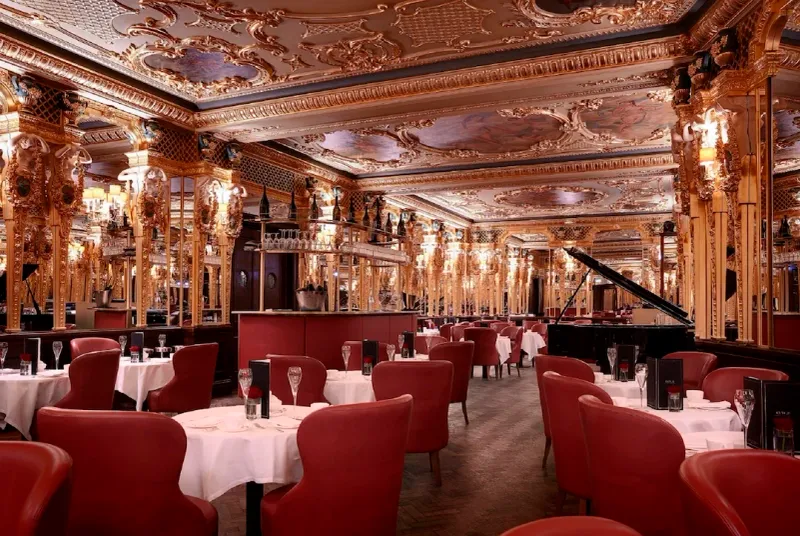
Grand dining rooms once served as gathering places for figures involved in London’s artistic and cultural life.
The interiors reflected the fashionable tastes of the late nineteenth and early twentieth centuries.
Rather than everyday dining, the venue became associated with special occasions and social significance.
Café Royal came to represent a distinctive chapter of London’s dining history.