






Home cooking has evolved noticeably over the years, shaped by changing routines, wider access to ingredients, and new ways of organising daily life.
What once centred on set mealtimes and longer preparation has gradually adapted to busier schedules and more flexible habits.
Looking at how these routines have shifted helps explain how modern kitchens balance tradition with convenience.
All information is provided for general interest only.
Cooking habits, ingredients, and routines may vary by household and region.
Photos are for illustrative purposes only.
1. From Daily Scratch Cooking To Quicker Meals
Once upon a time, cooking meant spending hours peeling, chopping, and stirring everything from scratch.
Bread was baked at home, stocks simmered for ages, and meals were genuine labour.
Fast forward to today, and most of us are whipping up dinner in half an hour or less.
Economic pressures and busier lives have pushed us towards efficiency without sacrificing taste.
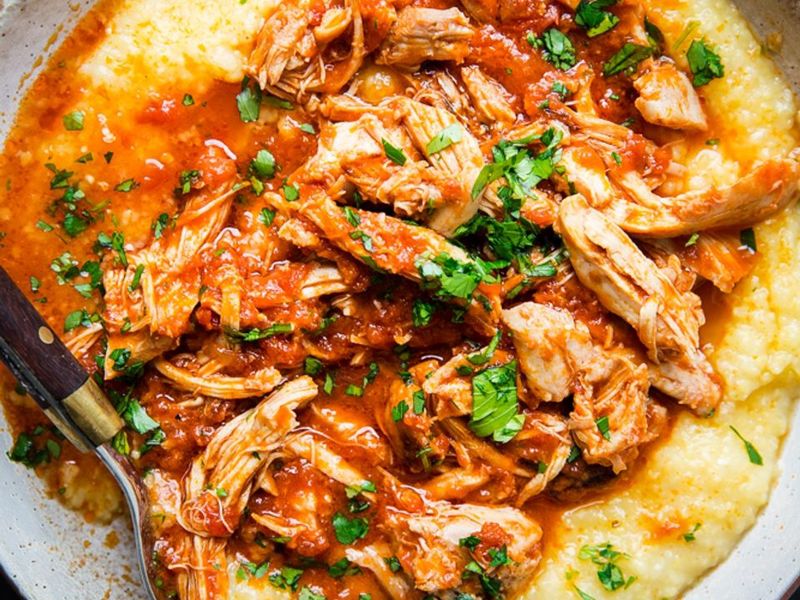
Pre-chopped veg, ready-made sauces, and smart kitchen gadgets have become our allies, letting us enjoy home-cooked food without the marathon prep sessions our grandparents knew.
2. Changing Attitudes Towards Leftovers
Leftovers used to carry a bit of a stigma – something you grudgingly reheated because wasting food felt wrong, but nobody was thrilled about it.
Now?
They're practically celebrated.
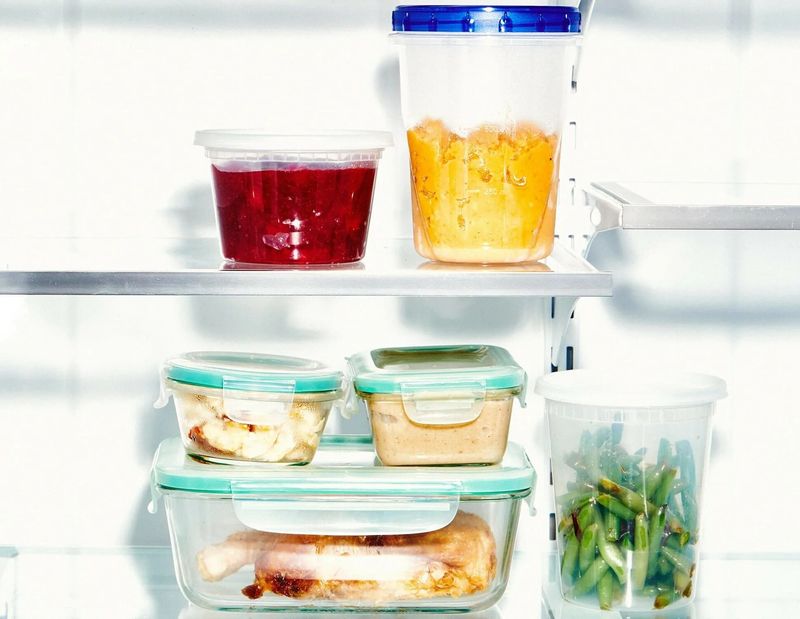
Meal prep culture has turned leftovers into a strategic win, saving time and money whilst reducing waste.
Creative cooks transform Sunday's roast chicken into Monday's curry or Wednesday's pasta bake.
What was once seen as boring has become clever, resourceful cooking that fits our hectic schedules and growing awareness about sustainability and reducing our environmental footprint.
3. The Shift From Set Mealtimes To Flexible Eating

Remember when dinner was at six o'clock sharp, and everyone gathered round the table without question?Those rigid mealtimes have loosened considerably in recent decades.
Work shifts, after-school activities, and different schedules mean families often eat in waves rather than all together.
It's not ideal, but it's reality for many households juggling modern demands.
This flexibility has its perks – less stress, fewer arguments – but it also means we've lost some of that communal eating experience that once anchored family life and conversation.
4. How Convenience Foods Became More Common
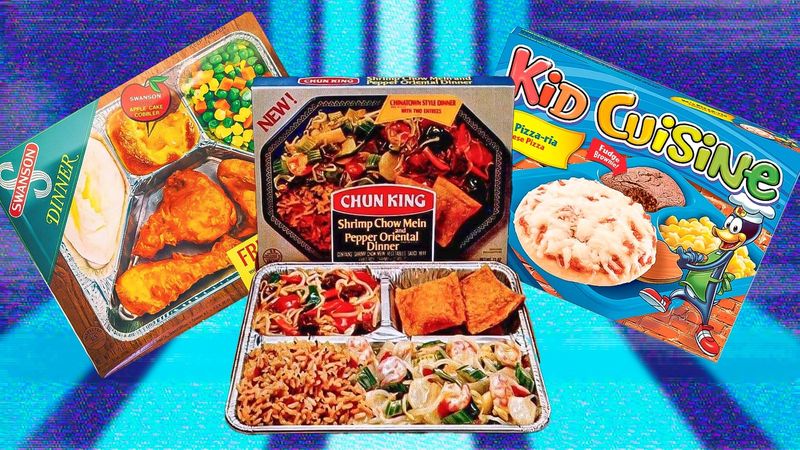
The mid-twentieth century brought a revolution in tins and boxes – suddenly, meals could come partially or fully prepared, slashing cooking time dramatically.
By the 1980s, the average dinner prep had halved to just thirty minutes, thanks to frozen pizzas, tinned soups, and ready meals.
Busy parents everywhere breathed a sigh of relief.
Whilst some convenience foods earned a dodgy reputation for being overly processed, they genuinely transformed home cooking, making it possible to feed a family even on the most chaotic evenings when time was scarce.
5. Fewer Formal Dining Traditions At Home
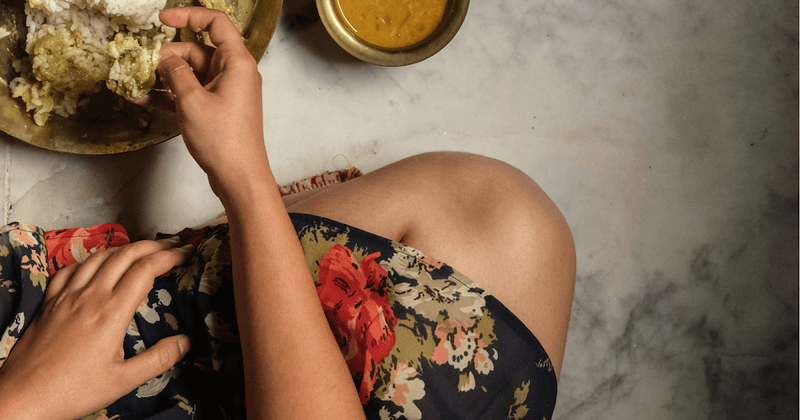
Gone are the days when Sunday roast meant your best clothes and proper table manners enforced with a stern look.
Formal dining at home has become increasingly rare, replaced by relaxed meals eaten wherever feels comfortable – often the sofa, sometimes even standing at the kitchen counter.
The china stays in the cupboard for special occasions only.
This shift reflects broader cultural changes towards informality and comfort, though some reckon we've lost a bit of ceremony and togetherness that made meals feel more special and intentional.
6. Greater Variety Of Global Influences
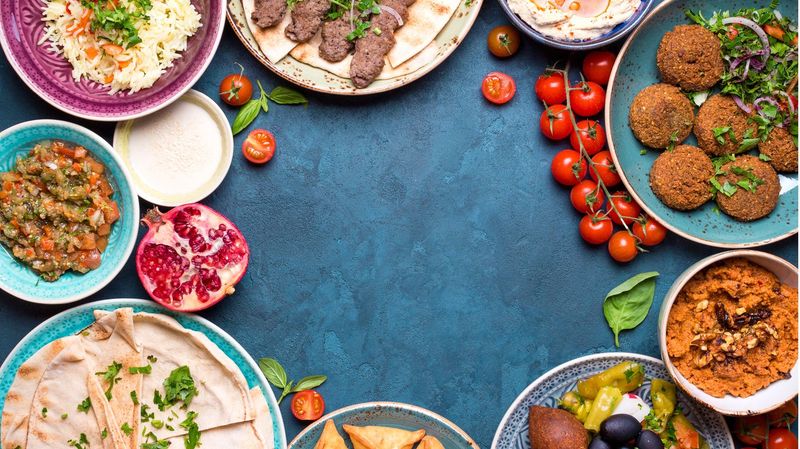
Your gran probably stuck to roasts, stews, and the occasional spag bol if she was feeling adventurous.
Today's home cooks are whipping up Thai curries, Mexican tacos, and Indian biryanis without batting an eyelid.
Increased travel, immigration, and cultural exchange have brought the world's flavours into British kitchens.
Supermarkets stock ingredients that would've been unimaginable decades ago.
This globalisation of home cooking has enriched our diets immensely, turning what was once exotic into everyday comfort food and expanding our culinary horizons in genuinely exciting ways.
7. The Return Of Simple Comfort Cooking

After decades of chasing convenience and exotic flavours, there's been a lovely swing back towards simple, comforting home cooking.
Recent years have seen people rediscovering the joy of baking bread, making soups from scratch, and embracing wholesome, uncomplicated meals.
Economic factors and health consciousness have fuelled this trend towards basics done brilliantly.
It's not about fancy techniques or Instagram-worthy plating – it's about nourishing food that feels like a warm hug, reminding us why cooking at home matters beyond just filling our bellies efficiently.