








As the new year begins, many people take the opportunity to reflect on their everyday routines, including how they eat.
Food-related resolutions often focus on small, practical changes rather than dramatic overhauls, aiming to support consistency and balance over time.
Understanding the habits people commonly prioritise at the start of the year helps explain why some goals feel more achievable than others.
All information is provided for general interest only.
Individual needs, preferences, and circumstances vary.
Photos are for illustrative purposes only.
1. Cooking More Meals At Home

Takeaway boxes piling up in the bin?
That's a sign you might need this resolution.
Cooking at home gives you complete control over what goes into your food, from the type of oil you use to the amount of salt.
Plus, it's usually far cheaper than ordering in or eating out, which means more money for other things you actually enjoy.
Start simple with one-pot recipes or slow cooker meals that practically cook themselves.
You don't need to be a chef to make tasty, nutritious food that beats a soggy kebab any day.
2. Eating More Vegetables Each Day
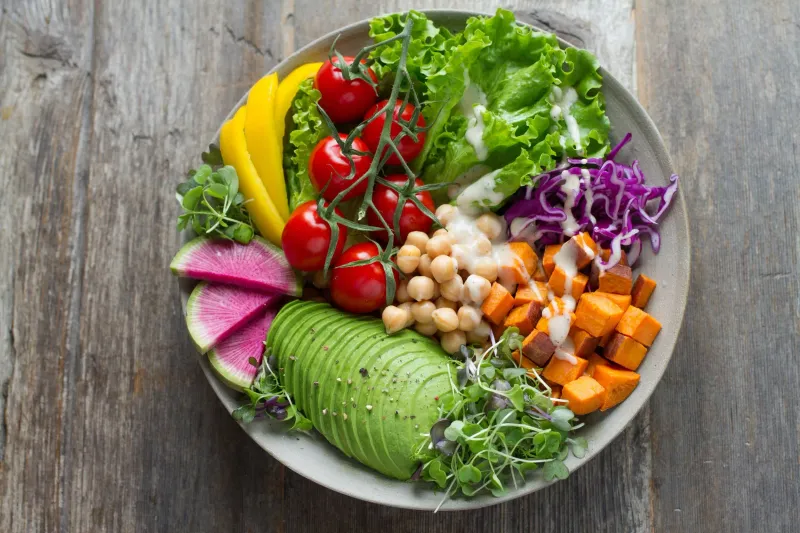
Most of us know we should eat more veg, but somehow a single sad carrot doesn't quite cut it.
Vegetables are packed with vitamins, minerals, and fibre that keep your body running smoothly.
They help with digestion, boost your immune system, and can even improve your mood.
The goal is to fill half your plate with colourful vegetables at each meal, which sounds ambitious but becomes easier with practice.
Try sneaking them into dishes you already love, like adding spinach to pasta or roasting a tray of mixed vegetables with your dinner.
3. Reducing Added Sugar Intake

Sugar hides in the sneakiest places, from your morning cereal to that innocent-looking pasta sauce.
Cutting back on added sugar doesn't mean eliminating sweetness entirely; it means being aware of how much you're actually consuming.
Too much sugar can lead to energy crashes, weight gain, and long-term health issues.
Check food labels carefully, as manufacturers often disguise sugar under different names like syrup, glucose, or maltose.
Swap sugary snacks for fresh fruit, and gradually reduce the sugar you add to tea or coffee until your taste buds adjust.
4. Planning Meals Ahead Of Time
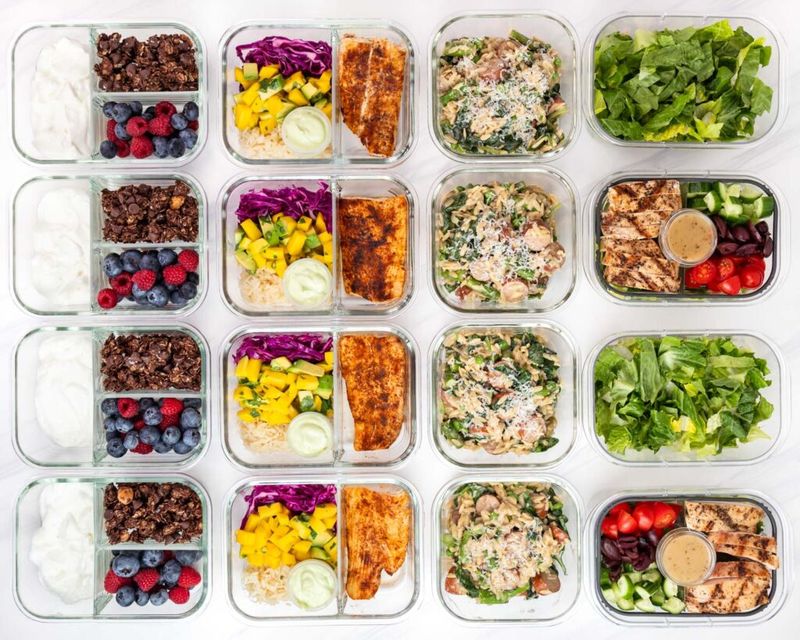
Ever stood in front of the fridge at 7pm with absolutely no clue what to make?
Meal planning solves that problem brilliantly.
When you plan your meals in advance, you're less likely to grab unhealthy convenience food or waste money on random ingredients that go off before you use them.
Dedicate an hour on Sunday to map out your week's meals and make a proper shopping list.
Batch cooking is your friend here; make double portions and freeze half for those evenings when cooking feels impossible.
5. Paying Closer Attention To Portion Sizes

Bigger isn't always better, especially when it comes to what's on your plate.
Portion control helps prevent overeating without making you feel deprived or hungry.
Use smaller plates to trick your brain into feeling satisfied with less food, and pay attention to serving suggestions on packaging.
Your stomach takes about twenty minutes to signal your brain that it's full, so eating slowly gives your body time to catch up.
Restaurant portions are often double what you actually need, so consider sharing or taking half home for tomorrow's lunch.
6. Drinking More Water Throughout The Day

Turns out, that headache might just be your body begging for a glass of water.
Proper hydration supports every function in your body, from regulating temperature to flushing out toxins.
Many people mistake thirst for hunger, leading to unnecessary snacking throughout the day.
Aim for about eight glasses daily, though your needs vary depending on activity level and climate.
Keep a reusable bottle with you as a constant reminder, and add a slice of lemon or cucumber if plain water feels too boring for your liking.
7. Limiting Highly Processed Foods

If the ingredient list reads like a chemistry experiment, that's probably a sign to put it back on the shelf.
Highly processed foods are often loaded with preservatives, artificial flavours, and unhealthy fats that your body struggles to process properly.
They're designed to be addictive, making you crave more whilst providing minimal nutritional value.
Focus on whole foods that look similar to how they appear in nature.
This doesn't mean never enjoying a packet of crisps again; it simply means making whole foods your default choice most of the time.
8. Being More Mindful During Meals

Scrolling through your phone whilst shovelling food into your mouth doesn't count as a proper meal, sorry.
Mindful eating means actually paying attention to what you're eating, savouring each bite, and noticing when you're genuinely full.
When you eat whilst distracted by screens or work, you miss your body's satiety signals and often consume far more than necessary.
Put away devices, sit at a proper table, and chew your food thoroughly.
This simple practice improves digestion, increases satisfaction, and helps you develop a healthier relationship with food overall.