








Ever wondered what the experts really think about those vegetables in your fridge?
Registered nutritionist GQ Jordan from GQ Jordan Nutrition offers a clear, practical perspective on nine vegetables commonly found on British dinner plates.
Drawing on professional guidance rather than trends, this approach looks at everyday produce with a balanced lens.
From familiar supermarket staples to vegetables often linked with health claims, here is what nutritional advice suggests about these green, orange, and purple foods.
This article is for general information only.
Nutritional advice varies depending on individual needs.
Always check credentials, consult a registered nutritionist or healthcare professional for personalised guidance.
Photos are for illustrative purposes only.
Kale
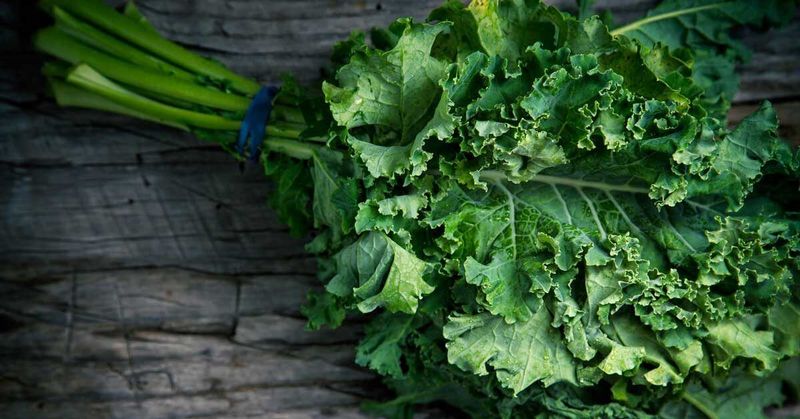
Kale is a nutritional powerhouse that’s earned its superfood status – and it’s not just hype.
“Kale is a favourite for good reason,” says registered nutritionist GQ Jordan.
“It’s packed with vitamins A, C and K, plus antioxidants like quercetin, which support the immune system and overall health.”
It’s also a brilliant source of folate for energy production and vitamin K for bone strength.
While its earthy flavour can be divisive, a quick massage with a pinch of salt softens the texture and mellows the taste.
Keep a bag in the fridge to toss into soups, stews or smoothies, or roast it into crunchy kale crisps for a healthy snack.
Bok Choy
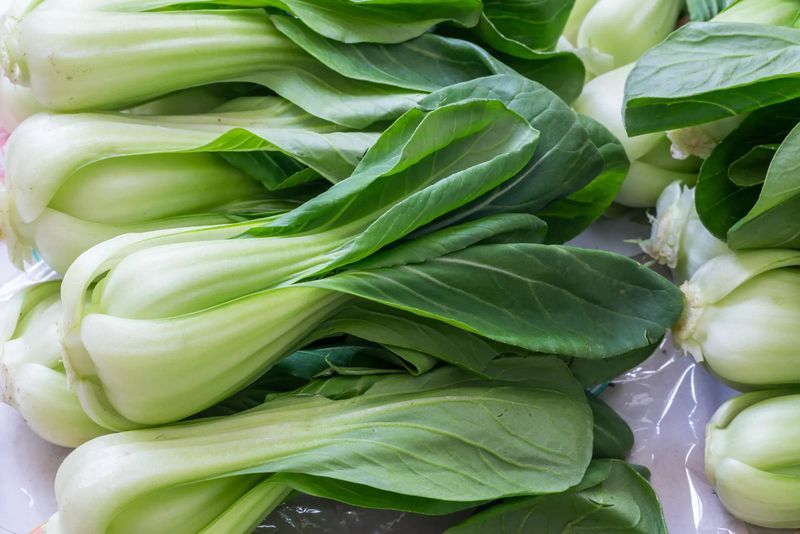
Often overlooked in the supermarket, bok choy (also known as pak choi) is a compact cabbage cousin that deserves a spot in your weekly shop.
“Bok choy is high in calcium, iron, and vitamins A, C and K,” says Jordan, “and it’s incredibly easy to cook with.”
It’s especially rich in vitamin C and contains calcium that’s easier to absorb than many dairy alternatives.
Jordan recommends adding it to quick stir-fries or steaming it lightly to preserve both its mild flavour and impressive nutritional profile.
Both the crisp white stems and tender green leaves bring contrasting textures that keep meals interesting, and even picky eaters won’t complain.
For a nutrient boost, try baby bok choy, which packs more goodness into its smaller, darker leaves.
Broccoli
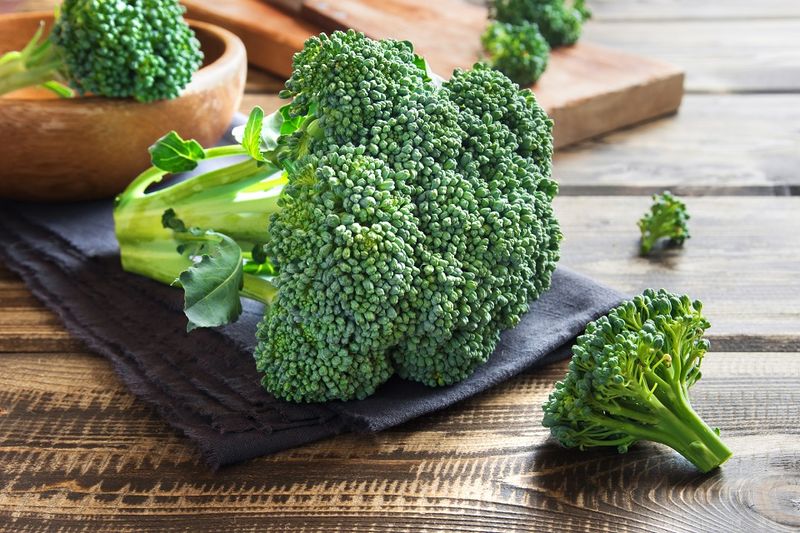
Broccoli is packed with vitamins C and K, but its benefits go beyond that.
Jordan highlights its role in supporting detoxification thanks to anti-inflammatory sulforaphane, while its high fibre content aids digestion and gut health.
If traditional florets aren’t your favourite, try long-stemmed broccoli steamed, roasted, or raw with a zesty dip for a tasty twist.
Avoid soggy, overcooked versions – lightly steaming until bright green and still crisp keeps both flavour and nutrients intact, making broccoli a genuinely enjoyable addition to your meals.
Garlic
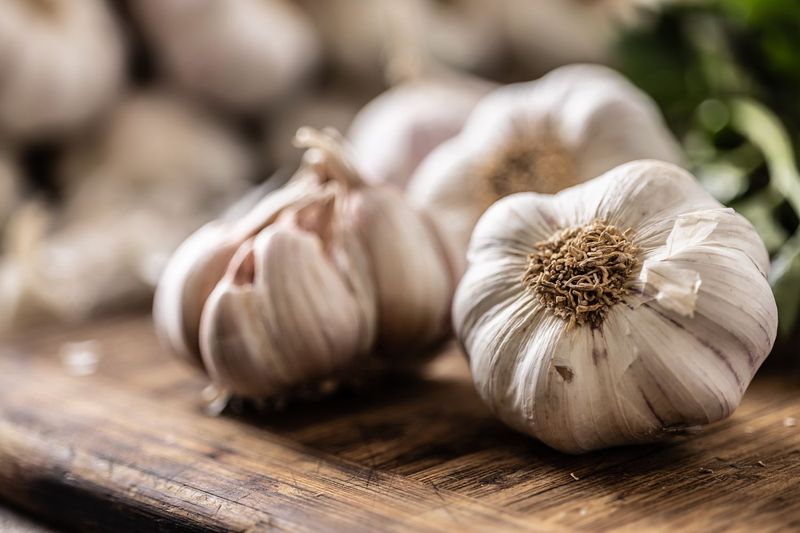
Small but mighty, garlic not only adds a punch of flavour to your dishes but also packs a nutritional punch.
Its health benefits come mainly from sulphur compounds released when you crush or chop a clove.
To get the most out of garlic – such as reducing inflammation, fighting bacteria, and supporting heart health – let it sit for 10-15 minutes before cooking.
Then, cook it gently or, even better, enjoy it raw for maximum impact.
Red Peppers
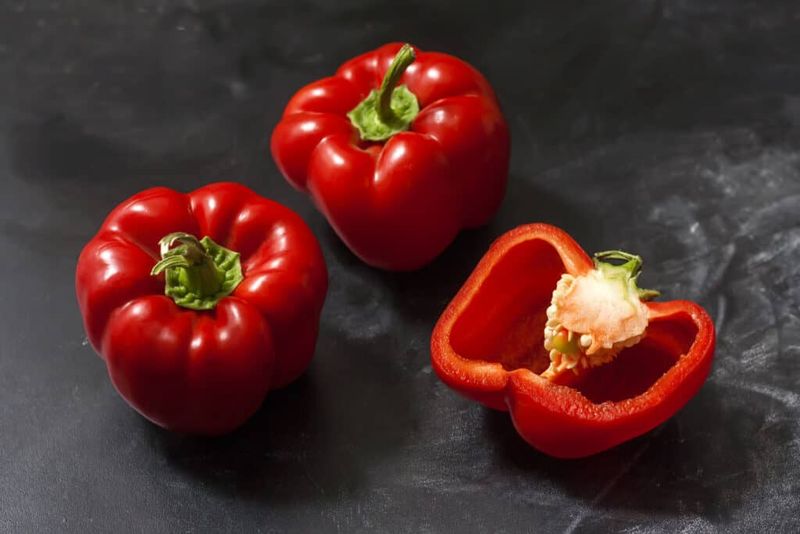
Forget oranges – red peppers pack nearly three times more vitamin C per serving, making them a top choice for boosting your immune system.
Jordan highlights the red variety in particular, as its longer ripening time helps develop a richer nutritional profile.
To get the most from their carotenoids, which support skin and eye health, enjoy red peppers raw and freshly chopped.
Roasting them also retains plenty of nutrients while adding a sweet, smoky flavour that can elevate any meal.
Sweet Potato

Sweet potatoes are delicious baked, mashed, or cut into wedges, and they’re a fantastic source of beta carotene – the plant form of vitamin A that supports eye health, immunity, reproduction, and growth.
Don’t forget to include the skins, as they hold most of the vitamin C, potassium, and fibre.
Fibre is key for lowering the risk of heart disease, stroke, type 2 diabetes, and bowel cancer, so make sure you’re not tossing those skins in the bin!
Pumpkin

Here’s another vibrant vegetable packed with beta carotene, which your body turns into vitamin A.
Along with a good dose of vitamin C, pumpkin helps boost your immune system by supporting white blood cell production, making it a perfect choice to cook during winter to fend off bugs.
If you’re carving a fresh pumpkin, don’t forget to save the seeds for roasting; they’re full of healthy fats and antioxidants that support heart health.
Avocado
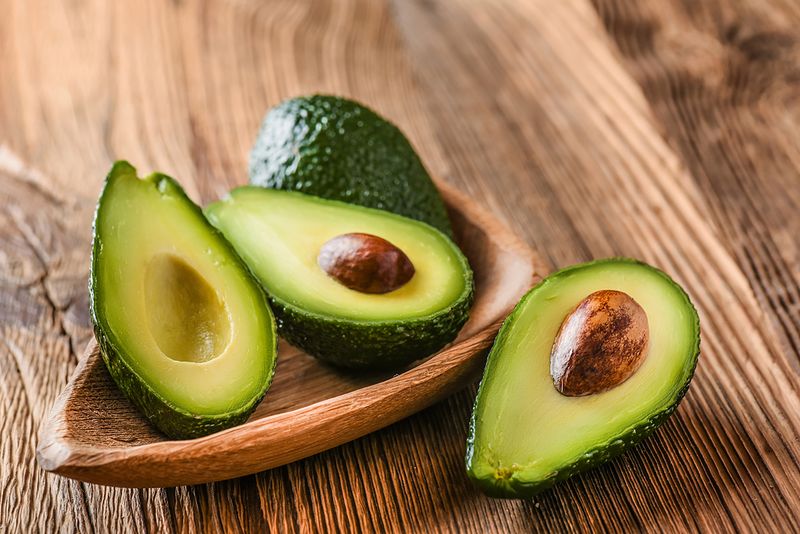
Avocados have become a global favourite thanks to their healthy monounsaturated fats, which help protect against heart disease and lower blood pressure.
While technically a fruit, they’re also rich in vitamin E, a nutrient linked to reduced risks of cancer, arthritis, and cataracts.
However, it’s worth considering the environmental impact, as importing avocados to non-growing regions carries a high carbon footprint – two small avocados can produce nearly twice the emissions of a kilo of bananas.
Beetroot
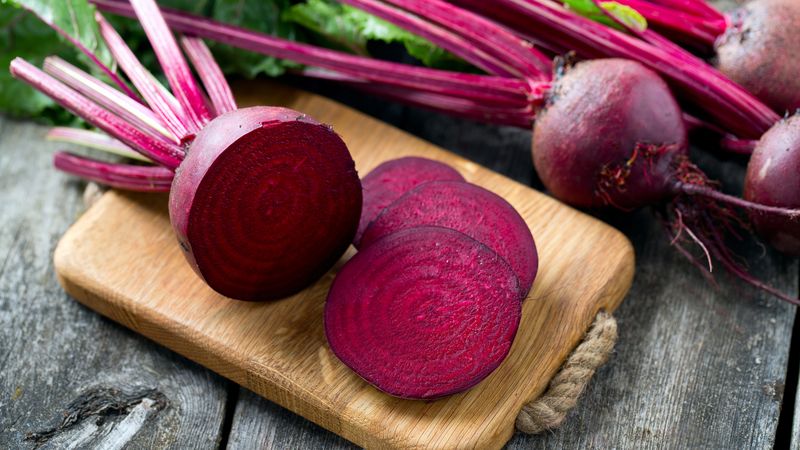
“Eat the rainbow” is a favourite piece of advice from dietitians, and this vibrant root vegetable is a brilliant way to get your reds.
“Beetroot is rich in betalains, which have anti-inflammatory benefits, and nitrates that help improve circulation and lower blood pressure – making it a great choice for your heart,” says Jordan.
Its sweet, earthy flavour can be a bit much for some, so pair beetroot with tangy ingredients like salty, sour feta to balance the taste perfectly.